


X Report 28 Oct 2025
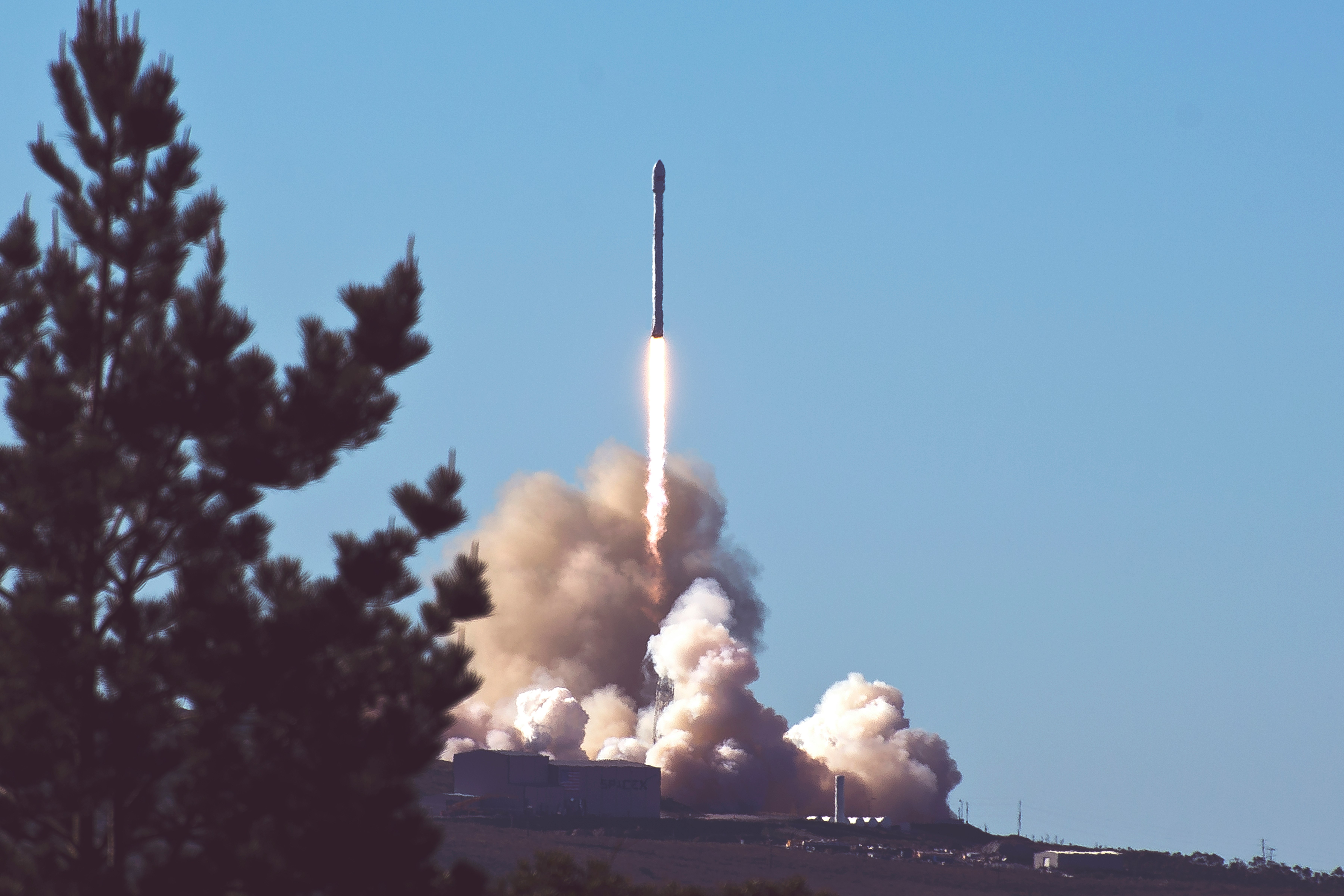
SpaceX successfully launched 28 Starlink satellites and settled a lawsuit, while Starlink's performance faces scrutiny in Ukraine. Additionally, MTN is enhancing Starlink's business services.



Launch Date
May 4, 2023
Launch Site
Launch Pad
LC40
Launch Vehicle
NORAD ID
56378
International Designator
2023-061E
Epoch
Sun, 19 Jul 2026 15:32:26 GMT
Apogee
Calculating...
Perigee
Calculating...
Inclination
43.00°
Right Ascension
172.44°
Eccentricity
Calculating...
Argument of Perigee
272.89°
Period
94.27 min
Mean Motion
15.28 rev/day
Latitude
Calculating...
Longitude
Calculating...
Altitude
Calculating...
Velocity
Calculating...
Name
STARLINK-6191
Alternative Name
Starlink 6191
Type
Status
Owner
SPXS
Country
United States
Constellation
N/A
Related Satellites
Major Events
N/A
1 56378U 23061E 26200.64752524 -.00000331 00000+0 -24977-5 0 9998
2 56378 43.0047 172.4355 0001609 272.8895 87.1772 15.27569865176935
Source: Celestrak
Length
0.2
Diameter
2.8
Span
9
Dry Mass
290
Launch Mass
305
Shape
Box + pan
Radar Cross Section
Unknown
Visual Magnitude
Unknown
Color
Unknown
Material Composition
Unknown
Payload
Starlink Group 5-6-05
Purpose
Communication
Mission
Communication
Manufacturer
SPXS
Life Expectancy
Unknown
Bus
Starlink
Configuration
Unknown
Motor
Krypton ion thrusters
Equipment
Ku/Ka-band payload, optical inter-satellite link
Power System
Solar arrays, batteries
ADCS
Unknown
Transmitter Frequency
Unknown
Learn more about satellites and other related topics.
SpaceX successfully launched 28 Starlink satellites and settled a lawsuit, while Starlink's performance faces scrutiny in Ukraine. Additionally, MTN is enhancing Starlink's business services.
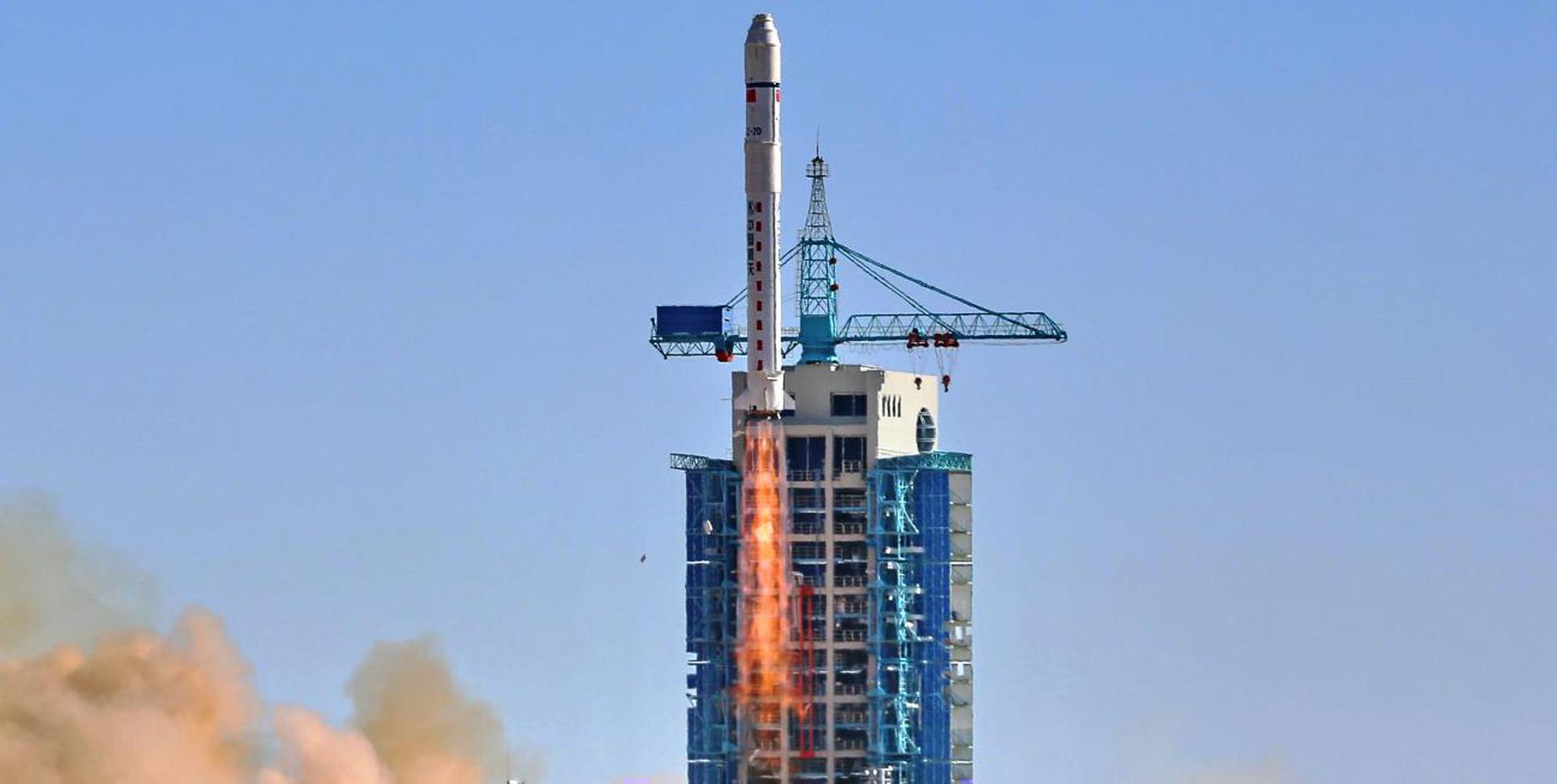
White House directs NASA and Pentagon to field space nuclear power systems by 2028, with DoD demonstration required by 2031. Game-changer for military satellite power budgets.

Lt. Gen. Doug Schiess nominated to lead Space Force, becoming the third Chief of Operations since the service's 2019 founding. Pentagon clears 8 firms for classified AI access.
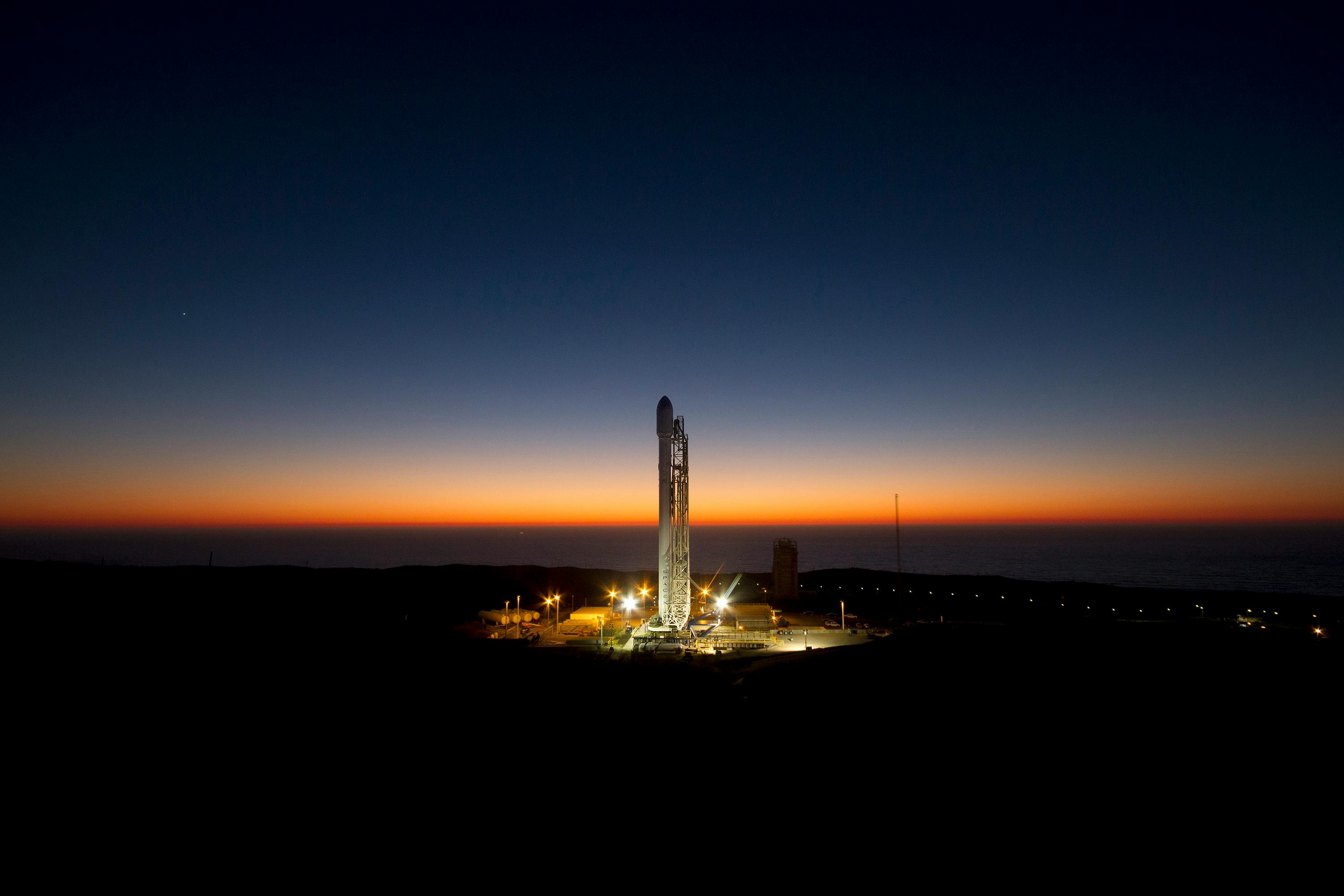
SpaceX's plans for the Transporter-15 mission are temporarily delayed as the Falcon 9 launch was scrubbed. The next launch attempt is now targeted for Friday, Nov. 28, with hopes of delivering 140 payloads into sun-synchronous orbit.
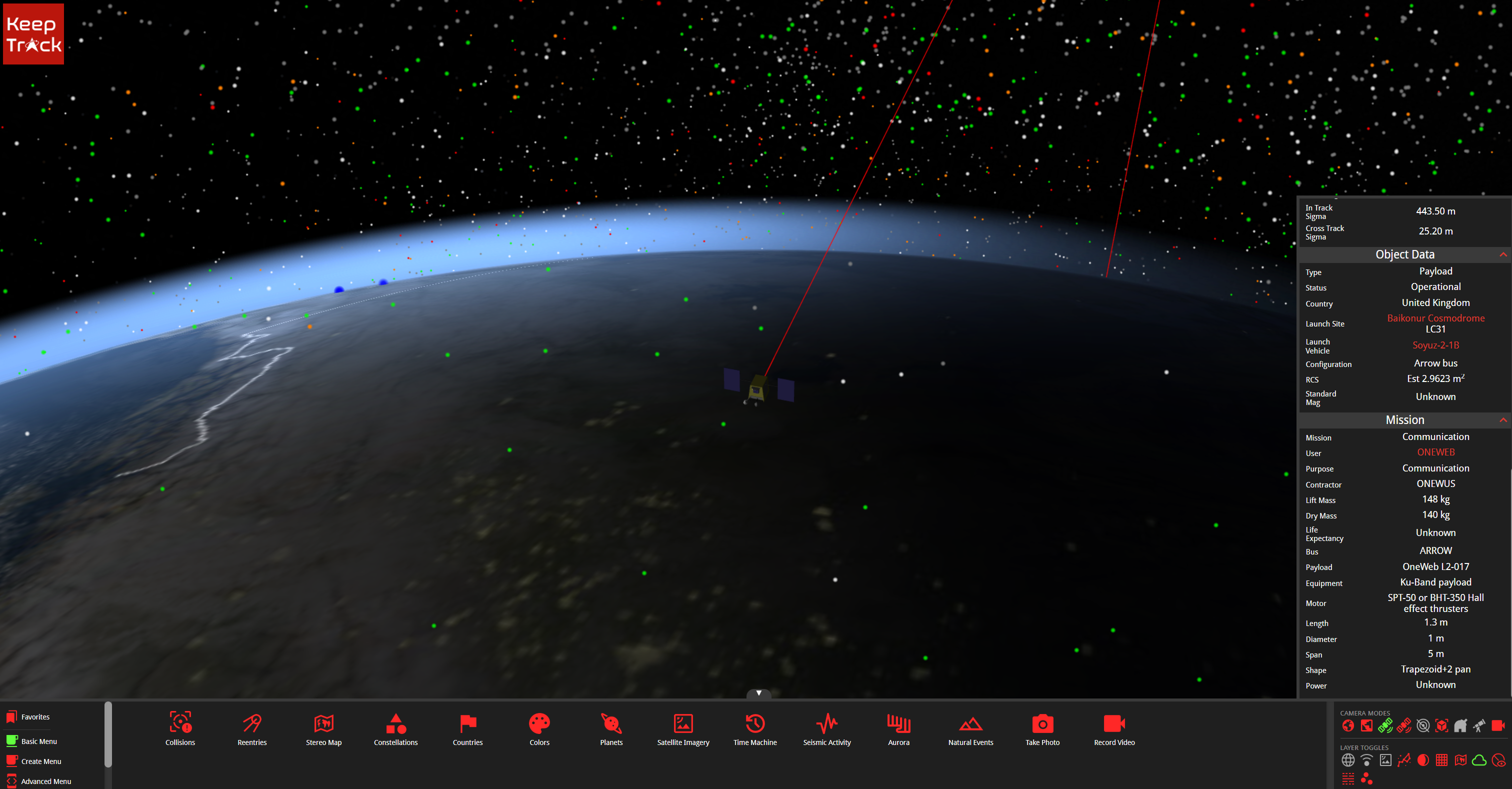
The evolution from simply tracking objects in orbit to understanding the full strategic picture of who is doing what in space, and why
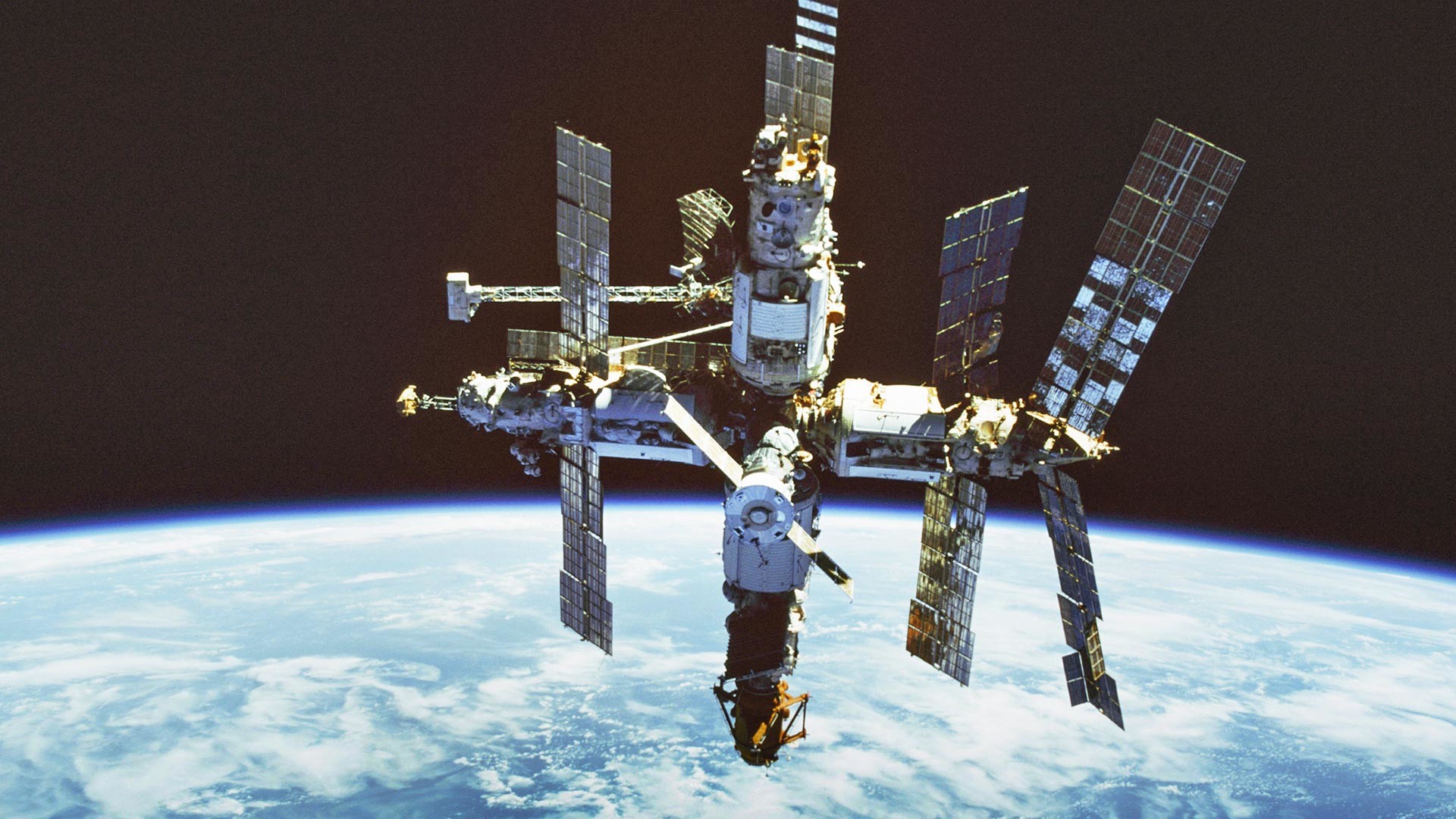
Forty years ago today, the USSR launched a 20-ton aluminum cylinder into low Earth orbit and called it 'Peace.' Over the next 15 years, Mir would host 104 people from 12 countries, survive a fire and a collision, and quietly teach humanity how to live in space.

Today's highlights include Rocket Lab's progress on the Space Force's VICTUS HAZE mission, BlackSky's new government contract, and AEI's policy recommendations for Space Force restructuring.

Space debris poses a mounting threat to both satellites and space missions. As we send more objects into orbit, the likelihood of collisions and subsequent breakups producing dangerous space debris increases. Recognizing the major events that have generated this dangerous space junk is pivotal in ensuring the safety of future space missions.