

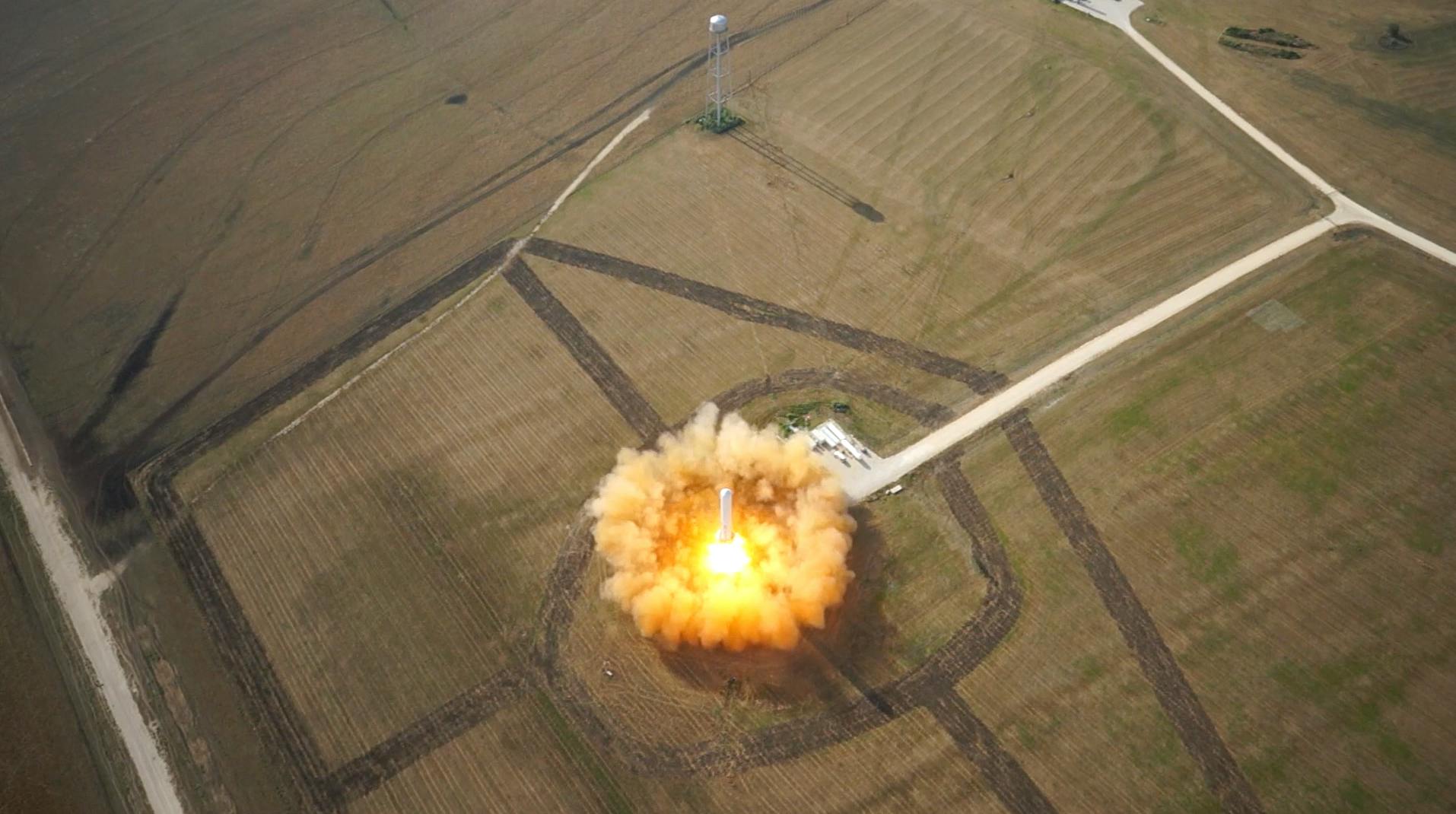
X Report 19 Dec 2025
A partial breakup incident involving a Starlink satellite raised concerns, while SpaceX continued its ambitious projects and launches.



NORAD ID
56364
International Designator
2023-058AZ
Decay Date
6/17/2023
Name
FALCON 9 DEB
Alternative Name
Starlink deployment rail
Type
Status
Owner
SPXS
Country
United States
Constellation
N/A
Related Satellites
Major Events
N/A
Length
7
Diameter
0.02
Span
7
Dry Mass
5
Launch Mass
5
Shape
Cyl
Radar Cross Section
Unknown
Visual Magnitude
Unknown
Color
Unknown
Material Composition
Unknown
Payload
Unknown
Purpose
Unknown
Mission
Unknown
Manufacturer
SPXS
Life Expectancy
Unknown
Bus
Unknown
Configuration
Unknown
Motor
Unknown
Equipment
Unknown
Power System
Unknown
ADCS
Unknown
Transmitter Frequency
Unknown
Learn more about satellites and other related topics.
A partial breakup incident involving a Starlink satellite raised concerns, while SpaceX continued its ambitious projects and launches.
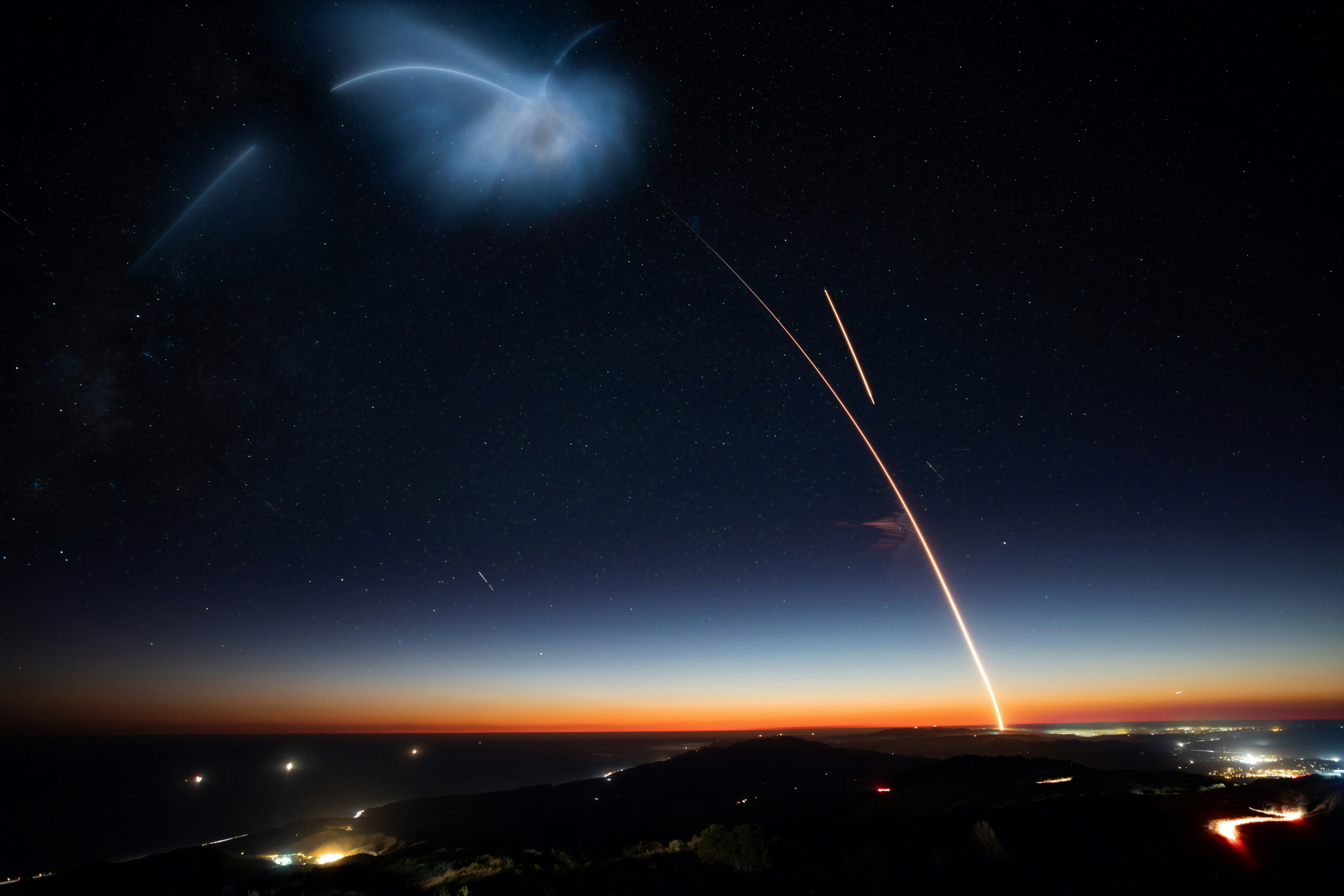
SpaceX ignited all 6 Starship engines for a full minute at Starbase, while a Falcon 9 added 24 more Starlinks from Vandenberg on July 1.

SpaceX secures environmental approval for Starship launches at SLC-37 while Castelion, a company founded by SpaceX veterans, raises $350 million for hypersonic missile production.
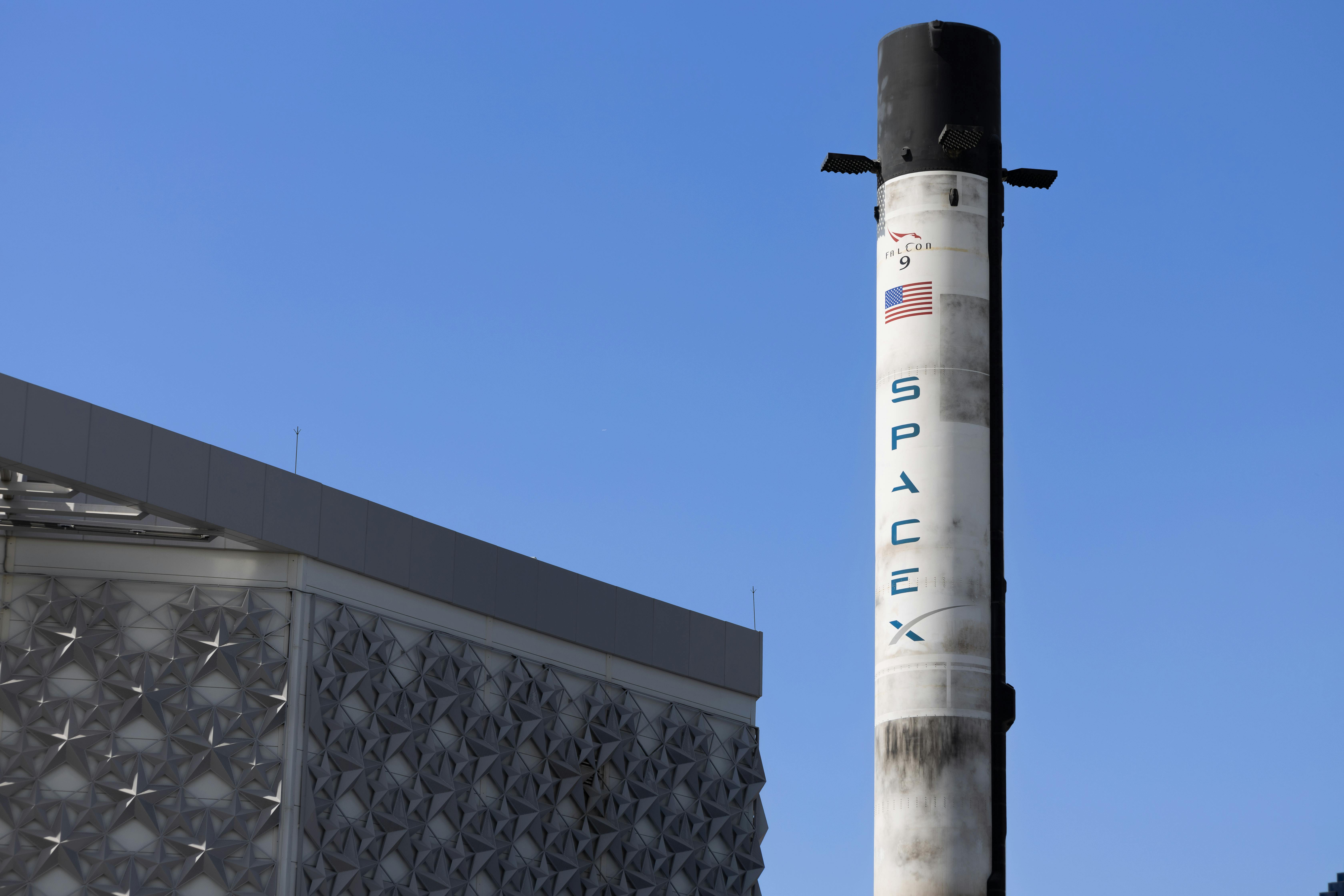
SpaceX achieves a new milestone with the Falcon 9 and Starlink reshapes satellite connectivity landscape.

Today's highlights include significant legal disputes in military satellite contracts, strategic investments in the defense space sector, and updates on major military budget developments impacting space capabilities.
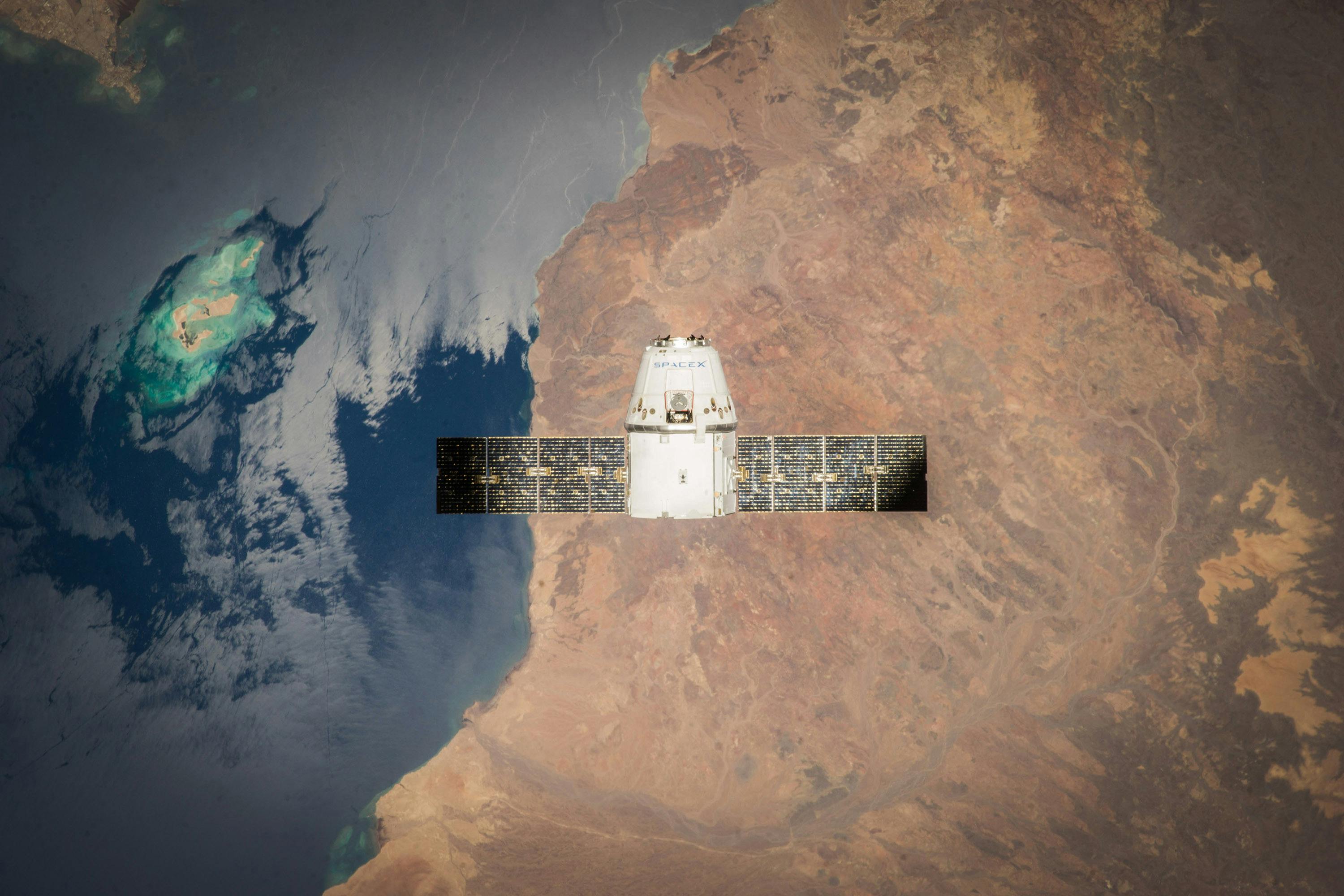
SpaceX advances Starship infrastructure, President Trump considers closing the National Space Council, and 23 new Starlink satellites boost global connectivity.
SpaceX continues its rapid launch cadence by deploying 28 Starlink satellites while expanding its service with collaborations such as United Airlines and Entel in Chile.
Important updates include SpaceX's $19 billion spectrum deal with EchoStar, a successful super heavy booster test, and recent setbacks in launching due to poor weather.