STARLINK-5538 (56357)

COSPAR: 2023-058AS | Alt Name: Starlink 5538

Image
STARLINK-5538 Satellite Image
Additional Sources
Launch Details

Launch Date

April 27, 2023

Launch Site

AFWTR

Launch Pad

SLC4E

Launch Vehicle

Falcon 9

Orbital Elements

NORAD ID

56357

International Designator

2023-058AS

Epoch

Sun, 19 Jul 2026 23:02:55 GMT

Apogee

Calculating...

Perigee

Calculating...

Inclination

97.28°

Right Ascension

199.39°

Eccentricity

Calculating...

Argument of Perigee

87.27°

Period

95.64 min

Mean Motion

15.06 rev/day

Latitude

Calculating...

Longitude

Calculating...

Altitude

Calculating...

Velocity

Calculating...

Polar Plot
3D Visualization
Basic Satellite Info

Name

STARLINK-5538

Alternative Name

Starlink 5538

Type

Payload

Status

Operational

Owner

SPXS

Country

United States

Constellation

N/A

Related Satellites

Major Events

N/A

Latest TLEs
1 56357U 23058AS  26200.96036457  .00000375  00000+0  29873-4 0  9991
2 56357  97.2835 199.3917 0001909  87.2707 272.8739 15.05655871178109

Source: Celestrak

Summary
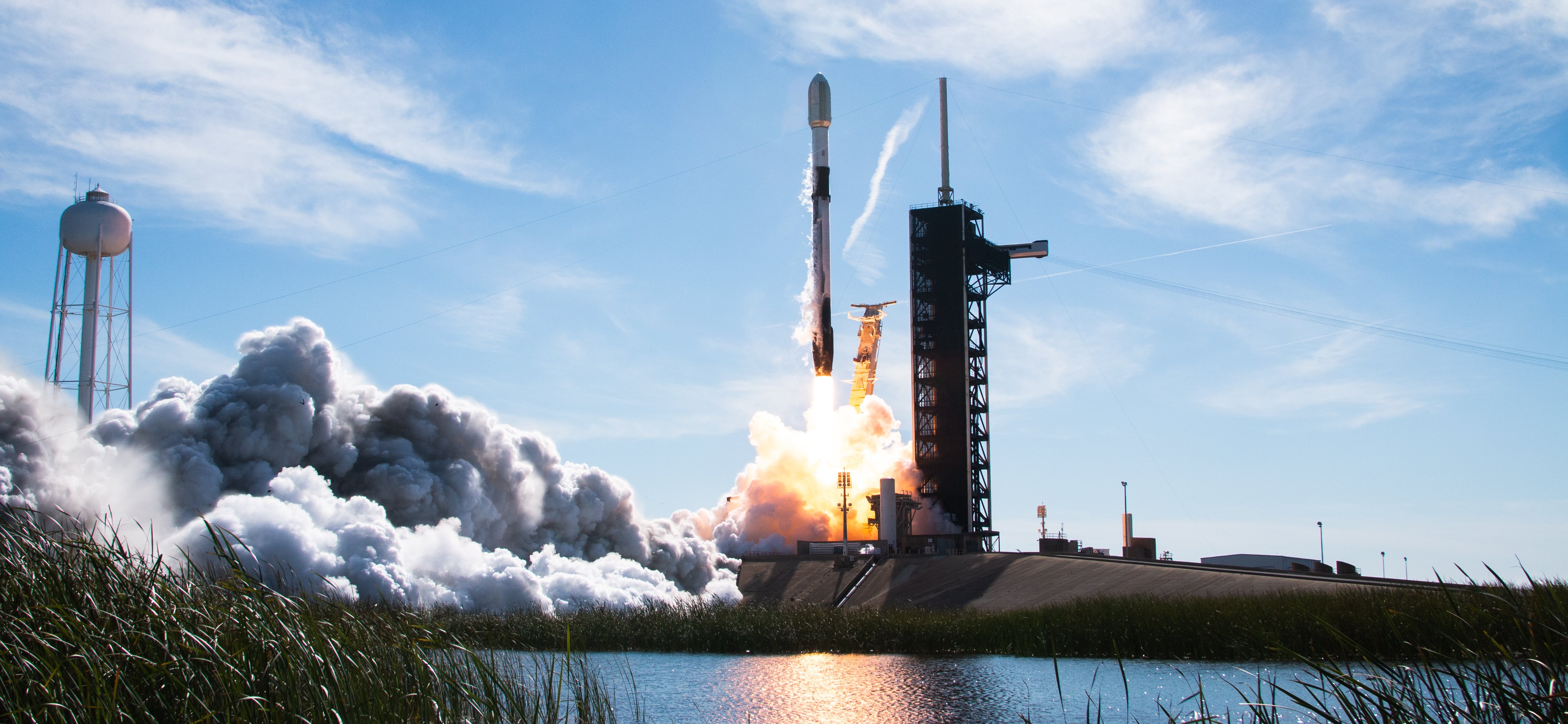
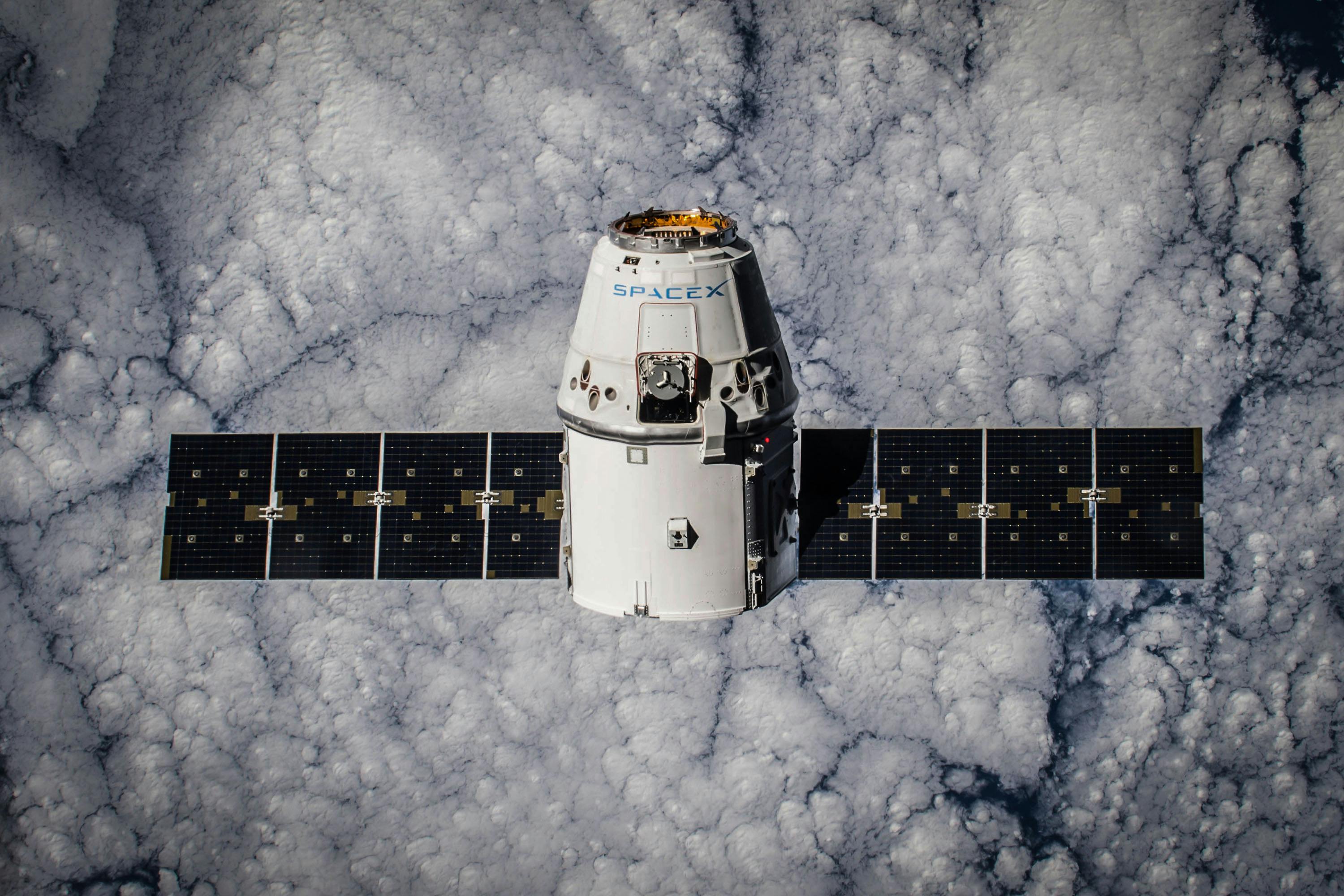
The satellite identified by NORAD catalog ID 56357 and OBJECT_ID 2023-058AS is a Starlink satellite named STARLINK-5538, also known as Starlink 5538. It was launched on April 27, 2023, from the AFWTR SLC4E launch pad using a Falcon 9 rocket. The satellite has dimensions of 0.2 meters in length and 2.8 meters in diameter with a span of 9 meters. Its dry mass is 260 kg, and it had a launch mass of 300 kg. Equipped with Ku/Ka-band payload and optical inter-satellite link for communication purposes, the satellite utilizes solar arrays and batteries for power generation. It is part of the Starlink Group 3-5-41 constellation and uses krypton ion thrusters for propulsion. The mission purpose is communication, and it was manufactured by SpaceX (SPXS).

Starlink is a satellite constellation developed by SpaceX with the aim of providing global broadband internet coverage. Thousands of small satellites are deployed in low Earth orbit (LEO), enabling high-speed internet access even in remote areas. However, the rapid increase in satellites raises concerns about space debris and the potential for collisions, which can lead to further debris creation and endanger other spacecraft. Additionally, the sheer number of Starlink satellites can affect astronomical observations by increasing light pollution. Proper deorbiting plans and international coordination are essential to mitigate these challenges and ensure long-term sustainability in space.
Physical Characteristics

Length

0.2

Diameter

2.8

Span

9

Dry Mass

260

Launch Mass

300

Shape

Box + pan

Radar Cross Section

Unknown

Visual Magnitude

Unknown

Color

Unknown

Material Composition

Unknown

Technical Details

Payload

Starlink Group 3-5-41

Purpose

Communication

Mission

Communication

Manufacturer

SPXS

Life Expectancy

Unknown

Bus

Starlink

Configuration

Unknown

Motor

Krypton ion thrusters

Equipment

Ku/Ka-band payload, optical inter-satellite link

Power System

Solar arrays, batteries

ADCS

Unknown

Transmitter Frequency

Unknown

Map
This tool will help you track the satellite's position and predict its upcoming passes over your location. Simply input the coordinates or click the geolocation button to get started.
Next Pass
Azimuth Elevation Time (Local)
Start Azimuth
Max Elevation
Stop Azimuth
Time Until
Pass Duration

Satellite Articles

View All Posts »

Learn more about satellites and other related topics.

China Plans First One-Year Human Spaceflight Mission | KeepTrack Space Brief

China Plans First One-Year Human Spaceflight Mission | KeepTrack Space Brief

China confirms first one-year human spaceflight and Pakistani astronaut for Tiangong. Air Force develops X-68A missile-launching drone. Poland unveils $51B defense spending plan.

X Report 2 Nov 2025

X Report 2 Nov 2025

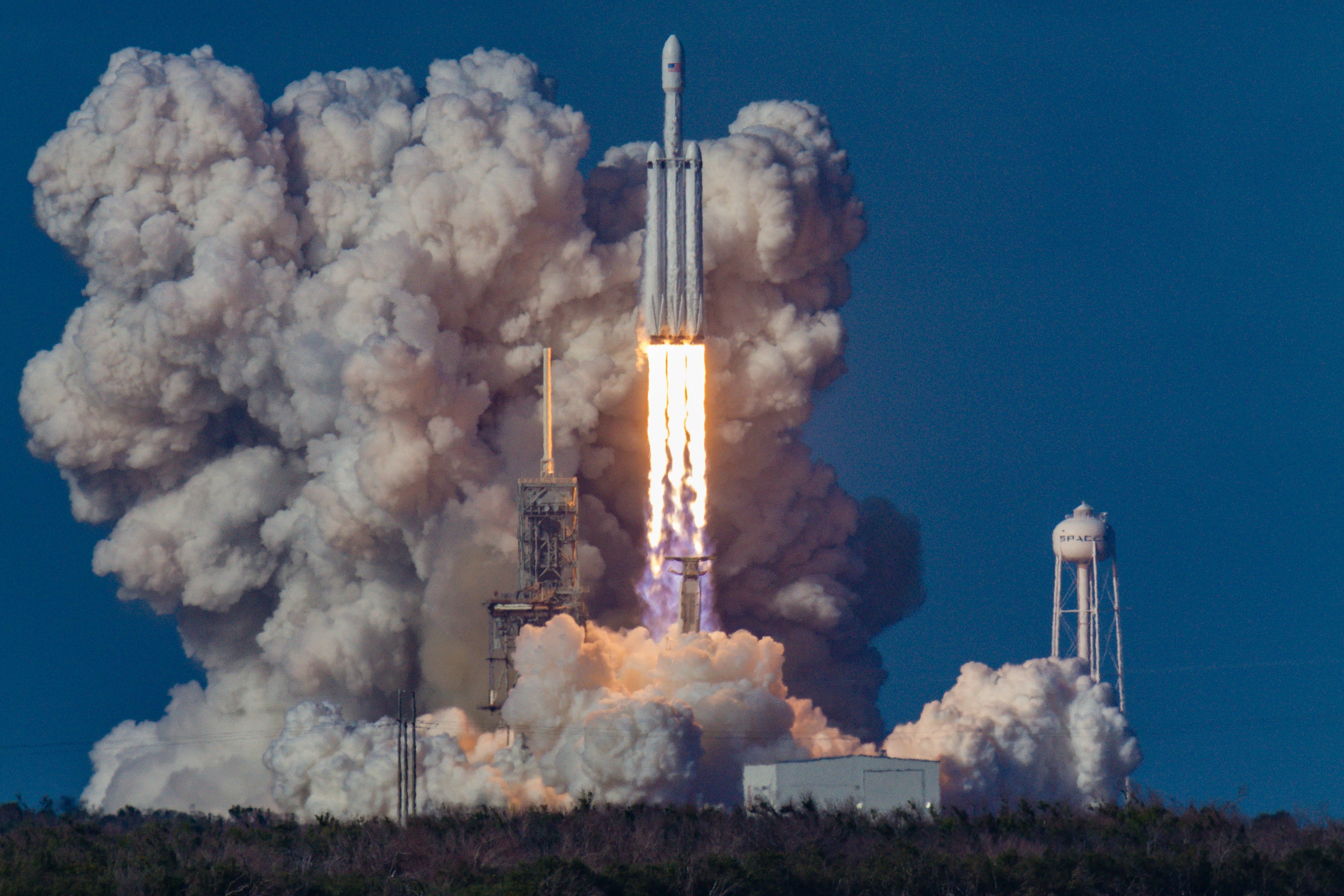
SpaceX successfully completed its 100th Starlink mission of the year and launched the 'Haven Demo' private space station along with 17 other satellites. The company also made strides in lunar lander development for Artemis III.

The Day America's Spy Satellites Gained New Eyes

The Day America's Spy Satellites Gained New Eyes

Sixty-three years ago, a Thor-Agena rocket launched the first dual-camera reconnaissance satellite, revolutionizing space-based intelligence while hiding behind the final use of a famous cover name

Roman Space Telescope Arrives at KSC for August 30 Falcon Heavy Launch | KeepTrack Space Brief

Roman Space Telescope Arrives at KSC for August 30 Falcon Heavy Launch | KeepTrack Space Brief

NASA's $4.3B Nancy Grace Roman Space Telescope arrived at Kennedy Space Center for 70 days of prelaunch processing ahead of its August 30 Falcon Heavy launch.

Starship Launch Site Construction Advances at Kennedy Space Center | KeepTrack X Report

Starship Launch Site Construction Advances at Kennedy Space Center | KeepTrack X Report

Starship launch site construction progresses at Kennedy Space Center and Cape Canaveral. Elon Musk trolls Ryanair after budget airline refuses to install Starlink on its fleet.

X Report 6 Feb 2025

X Report 6 Feb 2025

SpaceX prepares for a new cargo-return mission with Atmos, deploys imaging satellites, and gears up for Axiom-4 private astronaut launch.

The International Scientific Optical Network (ISON)

The International Scientific Optical Network (ISON)

How a controversial telescope network has become a significant player in tracking the increasingly crowded orbital environment, raising important questions about transparency, dual-use technologies, and the future of space situational awareness.

Space Force Terminates $1.7B SCAR Contract, Relaunches | KeepTrack Space Brief

Space Force Terminates $1.7B SCAR Contract, Relaunches | KeepTrack Space Brief

Space Force terminated its $1.7B SCAR ground antenna modernization contract and is relaunching competition. Delays extend reliance on aging legacy systems for MEO and GEO satellite command.