STARLINK-5559 (56335)

COSPAR: 2023-058U | Alt Name: Starlink 5559

Image
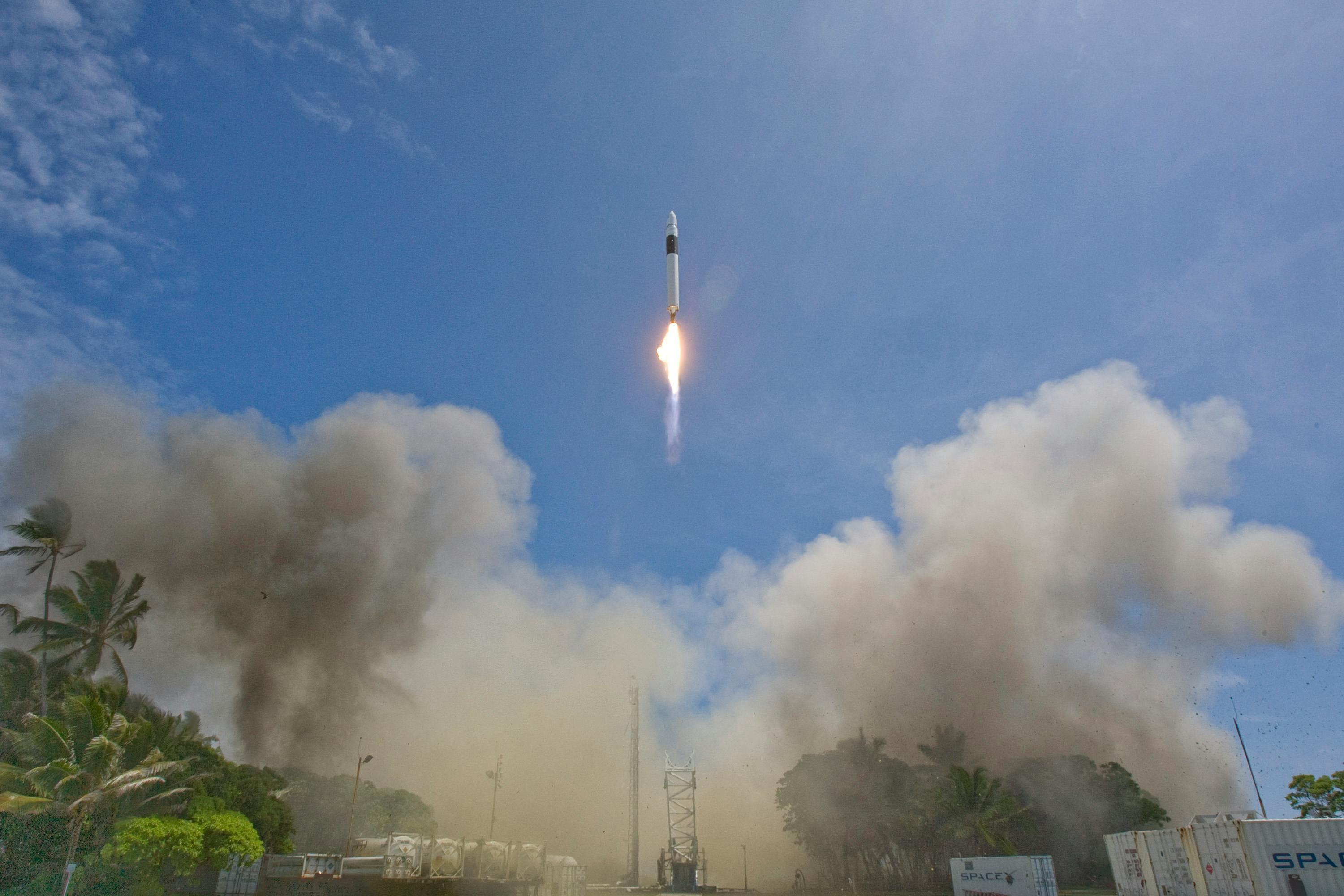
STARLINK-5559 Satellite Image
Additional Sources
Launch Details

Launch Date

April 27, 2023

Launch Site

AFWTR

Launch Pad

SLC4E

Launch Vehicle

Falcon 9

Orbital Elements

NORAD ID

56335

International Designator

2023-058U

Epoch

Mon, 20 Jul 2026 05:33:40 GMT

Apogee

Calculating...

Perigee

Calculating...

Inclination

97.28°

Right Ascension

199.64°

Eccentricity

Calculating...

Argument of Perigee

89.51°

Period

95.64 min

Mean Motion

15.06 rev/day

Latitude

Calculating...

Longitude

Calculating...

Altitude

Calculating...

Velocity

Calculating...

Polar Plot
3D Visualization
Basic Satellite Info

Name

STARLINK-5559

Alternative Name

Starlink 5559

Type

Payload

Status

Operational

Owner

SPXS

Country

United States

Constellation

N/A

Related Satellites

Major Events

N/A

Latest TLEs
1 56335U 23058U   26201.23171509  .00000111  00000+0  11573-4 0  9992
2 56335  97.2841 199.6351 0001918  89.5133 270.6314 15.05657192178142

Source: Celestrak

Summary
The satellite identified by NORAD CAT ID 56335 and OBJECT ID 2023-058U is a Starlink satellite launched on April 27, 2023, from Vandenberg Space Force Base (AFWTR), SLC4E launch pad using the Falcon 9 launch vehicle. It measures 0.2 meters in length with a diameter of 2.8 meters and a span of 9 meters. The satellite has a dry mass of 260 kilograms and was launched at a mass of 300 kilograms. Equipped with a Ku/Ka-band payload and an optical inter-satellite link, it uses Krypton ion thrusters as its motor and solar arrays along with batteries for power. Its shape is described as "Box + pan" and it serves the purpose of communication as part of the Starlink Group 3-5-19 constellation managed by SpaceX (SPXS).

Starlink is a satellite constellation developed by SpaceX with the aim of providing global broadband internet coverage. Thousands of small satellites are deployed in low Earth orbit (LEO), enabling high-speed internet access even in remote areas. However, the rapid increase in satellites raises concerns about space debris and the potential for collisions, which can lead to further debris creation and endanger other spacecraft. Additionally, the sheer number of Starlink satellites can affect astronomical observations by increasing light pollution. Proper deorbiting plans and international coordination are essential to mitigate these challenges and ensure long-term sustainability in space.
Physical Characteristics

Length

0.2

Diameter

2.8

Span

9

Dry Mass

260

Launch Mass

300

Shape

Box + pan

Radar Cross Section

Unknown

Visual Magnitude

Unknown

Color

Unknown

Material Composition

Unknown

Technical Details

Payload

Starlink Group 3-5-19

Purpose

Communication

Mission

Communication

Manufacturer

SPXS

Life Expectancy

Unknown

Bus

Starlink

Configuration

Unknown

Motor

Krypton ion thrusters

Equipment

Ku/Ka-band payload, optical inter-satellite link

Power System

Solar arrays, batteries

ADCS

Unknown

Transmitter Frequency

Unknown

Map
This tool will help you track the satellite's position and predict its upcoming passes over your location. Simply input the coordinates or click the geolocation button to get started.
Next Pass
Azimuth Elevation Time (Local)
Start Azimuth
Max Elevation
Stop Azimuth
Time Until
Pass Duration

Satellite Articles

View All Posts »

Learn more about satellites and other related topics.

X Report 27 Nov 2025

X Report 27 Nov 2025

SpaceX's plans for the Transporter-15 mission are temporarily delayed as the Falcon 9 launch was scrubbed. The next launch attempt is now targeted for Friday, Nov. 28, with hopes of delivering 140 payloads into sun-synchronous orbit.

Space Brief 2 Jul 2025

Space Brief 2 Jul 2025

Explore today's major events in space, including military advancements in satellite tracking, new missile defenses, and significant defense funding decisions.

X Report 6 Nov 2025

X Report 6 Nov 2025

SpaceX successfully launched 29 Starlink satellites, marking the start of a busy month for their satellite deployment efforts. The mission is part of an ongoing expansion of their broadband internet constellation.

The Looming Crisis of Orbital Debris

The Looming Crisis of Orbital Debris

As humanity increasingly relies on satellites, the escalating space junk problem poses a dire threat to our space-based infrastructure. With debris counts reaching alarming levels, urgent action is needed to prevent a cascade of collisions that could make key orbits unusable.

Space Brief 7 May 2025

Space Brief 7 May 2025

Today's briefing focuses on key developments in military space activities, technological advancements, and strategic challenges faced by the U.S. in space dominance. Notably, the Space Force is expanding its missile warning capabilities, and significant funding discussions are underway.

Van Allen Probe A Reenters After 14 Years; NASA Designates Starliner Type A Mishap | KeepTrack Space Brief

Van Allen Probe A Reenters After 14 Years; NASA Designates Starliner Type A Mishap | KeepTrack Space Brief

NASA's 590 kg Van Allen Probe A reentered March 10 after 14 years studying Earth's radiation belts. Meanwhile, Boeing Starliner classified as Type A mishap after leaving astronauts stranded on ISS.

Space Object Catalog

Space Object Catalog

The master ledger of everything orbiting Earth: how tens of thousands of satellites, rocket bodies, and debris fragments are tracked and numbered

Lagrange Points

Lagrange Points

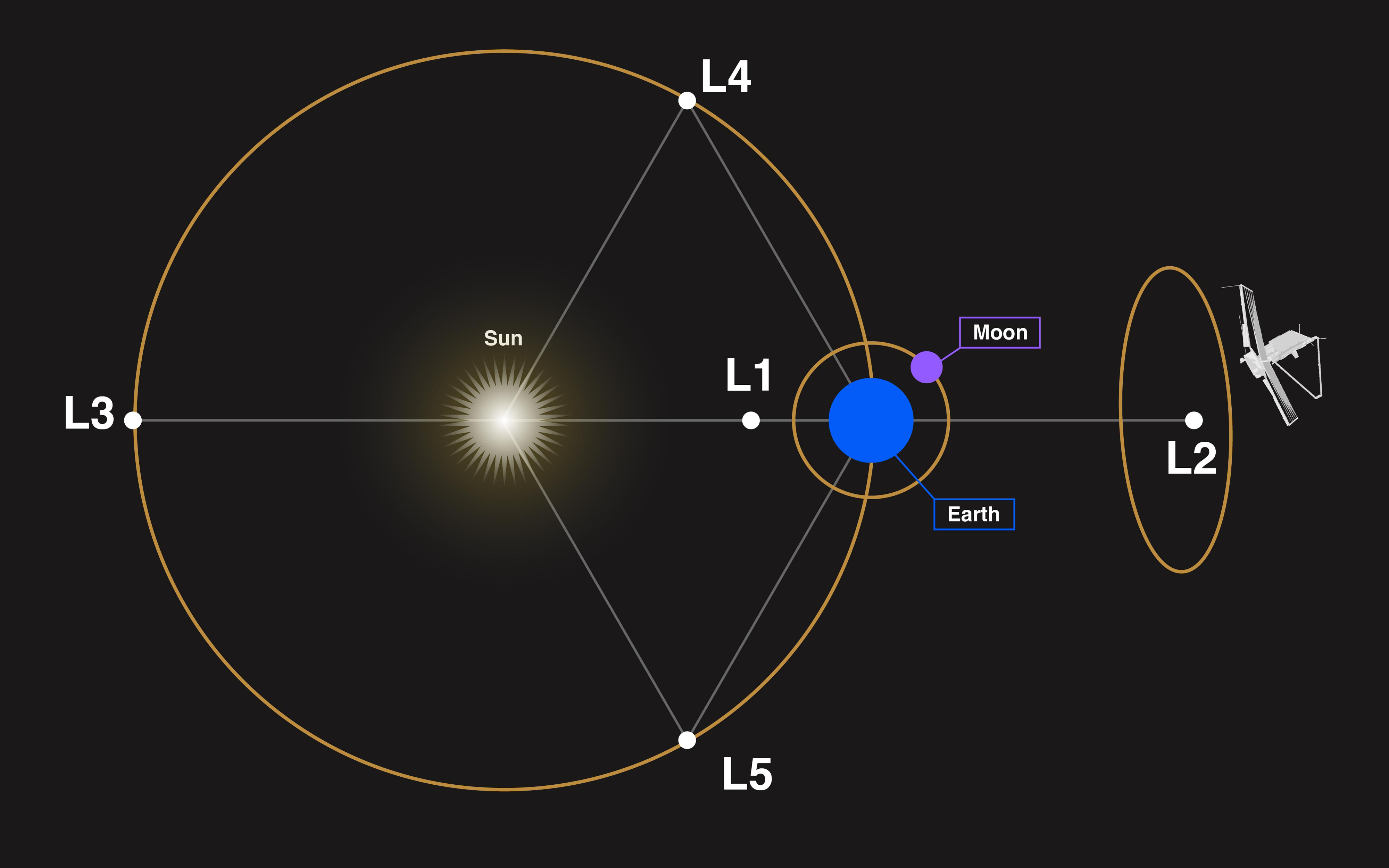
Five spots in the Earth-Sun system where the gravitational tug of two massive bodies and the pull of circular motion all cancel out, creating gravitational parking spaces where spacecraft can sit for decades with almost no fuel.