CZ-6A DEB (56252)

COSPAR: 2022-151ABU | Alt Name: deb CZ-6A Y2

Image
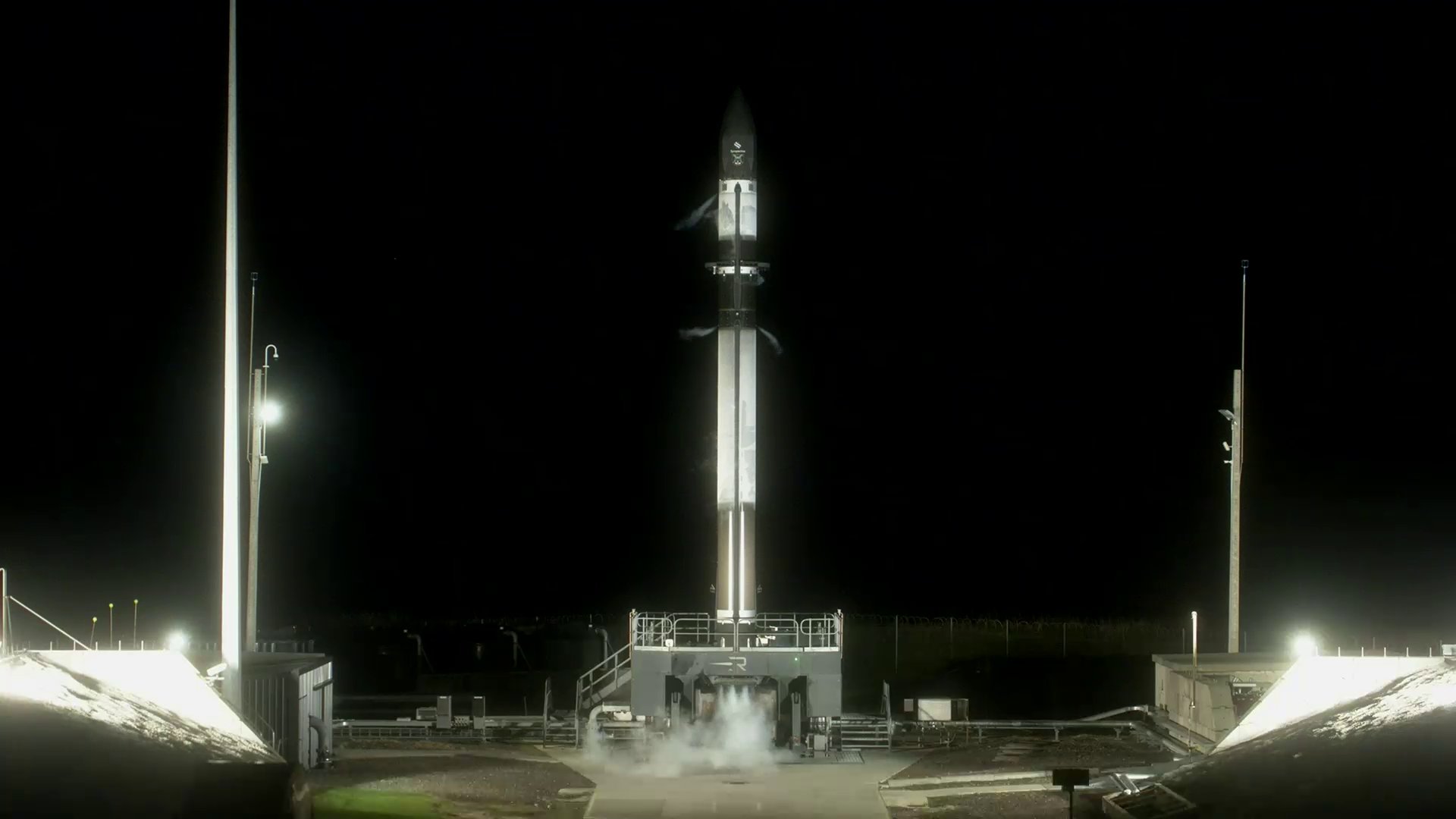
CZ-6A DEB Satellite Image
Additional Sources
Launch Details

Launch Date

November 11, 2022

Launch Site

TAISC

Launch Pad

LC9A

Launch Vehicle

Chang Zheng 6A

Orbital Elements

NORAD ID

56252

International Designator

2022-151ABU

Epoch

Sun, 19 Jul 2026 21:25:01 GMT

Apogee

Calculating...

Perigee

Calculating...

Inclination

98.88°

Right Ascension

187.33°

Eccentricity

Calculating...

Argument of Perigee

261.80°

Period

102.51 min

Mean Motion

14.05 rev/day

Latitude

Calculating...

Longitude

Calculating...

Altitude

Calculating...

Velocity

Calculating...

Polar Plot
3D Visualization
Explore in the Catalog
Basic Satellite Info

Name

CZ-6A DEB

Alternative Name

deb CZ-6A Y2

Type

Debris

Status

Space Junk

Owner

CNSA

Country

China

Constellation

N/A

Related Satellites

Major Events

N/A

Latest TLEs
1 56252U 22151ABU 26200.89238075  .00000571  00000+0  37241-3 0  9995
2 56252  98.8767 187.3338 0083421 261.8003  97.3696 14.04698261170861

Source: Celestrak

Summary
Space debris, also known as space junk, encompasses all non-functional objects orbiting Earth such as defunct satellites, spent rocket stages, and fragments from collisions or disintegrations. Over time, this debris can accumulate and create an increasingly hazardous environment in orbit. Even tiny fragments, traveling at extremely high velocities, can inflict significant damage on operational satellites and spacecraft. If left unmanaged, the density of debris raises the risk of catastrophic collisions and further fragmentation, compounding the problem and threatening the safety and sustainability of space activities.
Physical Characteristics

Length

0

Diameter

0

Span

0

Dry Mass

0

Launch Mass

0

Shape

N/A

Radar Cross Section

Unknown

Visual Magnitude

Unknown

Color

Unknown

Material Composition

Unknown

Technical Details

Payload

Unknown

Purpose

Unknown

Mission

Unknown

Manufacturer

SAST

Life Expectancy

Unknown

Bus

Unknown

Configuration

Unknown

Motor

Unknown

Equipment

Unknown

Power System

Unknown

ADCS

Unknown

Transmitter Frequency

Unknown

Map
This tool will help you track the satellite's position and predict its upcoming passes over your location. Simply input the coordinates or click the geolocation button to get started.
Next Pass
Azimuth Elevation Time (Local)
Start Azimuth
Max Elevation
Stop Azimuth
Time Until
Pass Duration

Satellite Articles

View All Posts »

Learn more about satellites and other related topics.

Space Force Plans to Double Active-Duty Force by 2030 | KeepTrack Space Brief

Space Force Plans to Double Active-Duty Force by 2030 | KeepTrack Space Brief

Space Force confirms plan to double active-duty Guardians by 2030, targeting faster response to satellite anomalies and adversary maneuvers in space domain awareness operations.

Space Brief 28 Apr 2025

Space Brief 28 Apr 2025

Today's highlights include SpaceX's 250th Starlink mission, a key Senate vote for NASA's next administrator, and insights into satellite missions and movements.

X Report 23 Oct 2025

X Report 23 Oct 2025

SpaceX continues to break records with its Falcon 9 missions while facing public scrutiny from Elon Musk regarding NASA's leadership. Meanwhile, satellite spectrum battles heat up as Lynk Global and Omnispace prepare to merge.

Space Brief 16 Jul 2025

Space Brief 16 Jul 2025

Today's brief covers China's Tianzhou-9 launch to the Tiangong space station, the U.S. Space Force's unfunded MILNET project, and the evolving use of AI in military applications.

SpaceX Preps Seventh Starlink Launch of 2026 With 25 Satellites | KeepTrack X Report

SpaceX Preps Seventh Starlink Launch of 2026 With 25 Satellites | KeepTrack X Report

SpaceX readies Starlink 17-20 launch of 25 satellites to polar orbit from Vandenberg pad 4E — seventh Starlink mission of the year. 11,009 total Starlink satellites launched to date.

X Report 15 Feb 2025

X Report 15 Feb 2025

SpaceX sets a reuse record with Falcon 9, advances Starship program, while Starlink influences satellite market dynamics.

FCC Approves Reflect Orbital Sunlight Satellite | KeepTrack Space Brief

FCC Approves Reflect Orbital Sunlight Satellite | KeepTrack Space Brief

FCC clears Reflect Orbital's first satellite to bounce sunlight into nighttime zones, despite pushback from astronomers concerned about orbital streaking and wildlife impacts.

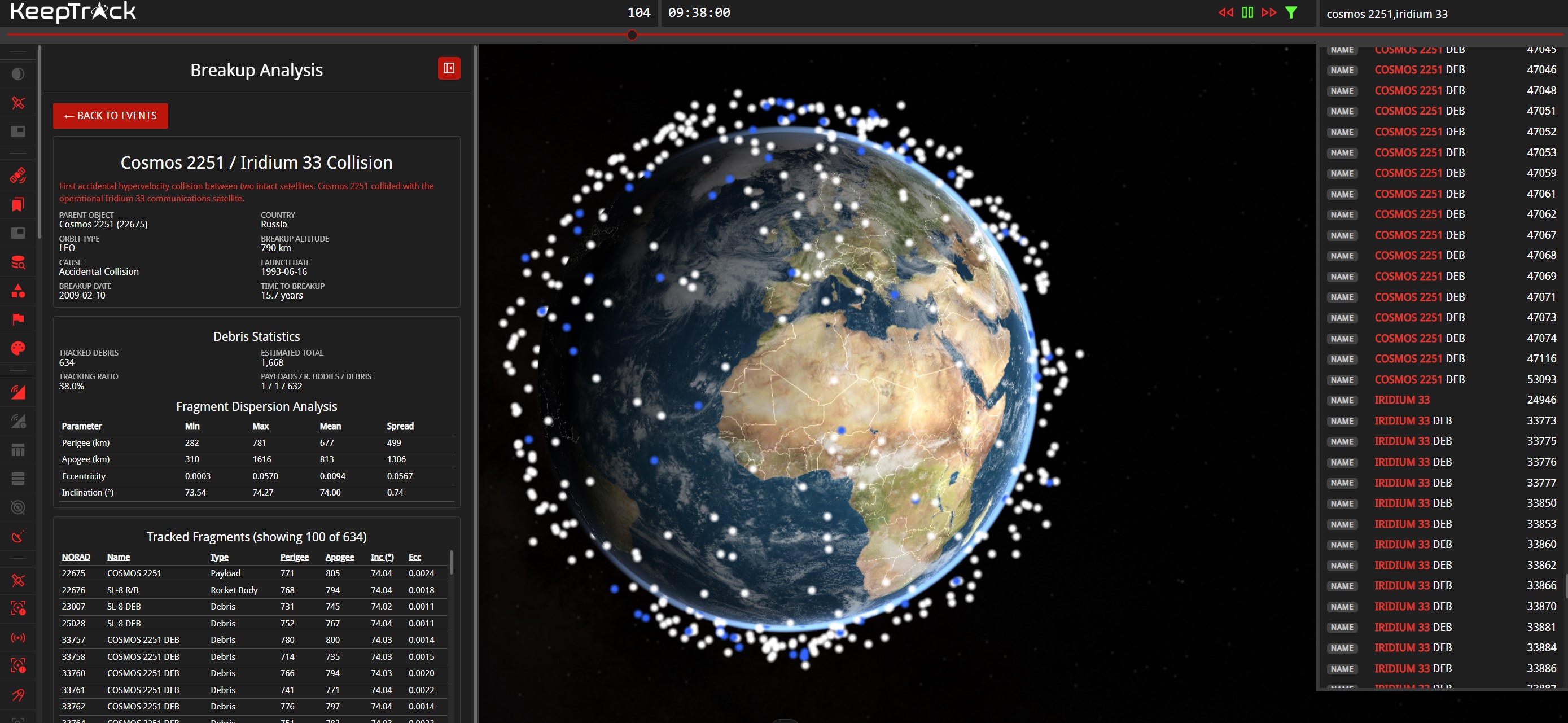
The Day Two Satellites Hit Each Other at 26,000 MPH

The Day Two Satellites Hit Each Other at 26,000 MPH

On February 10, 2009, an active Iridium communications satellite and a derelict Soviet military spacecraft slammed into each other 789 kilometers above Siberia. The collision produced more than 2,300 pieces of trackable debris that are still up there. Seventeen years later, the Iridium-Cosmos collision remains the event that made space debris a policy problem the world could no longer ignore.