STARLINK-6030 (56107)

COSPAR: 2023-046Q | Alt Name: Starlink 6030

Image
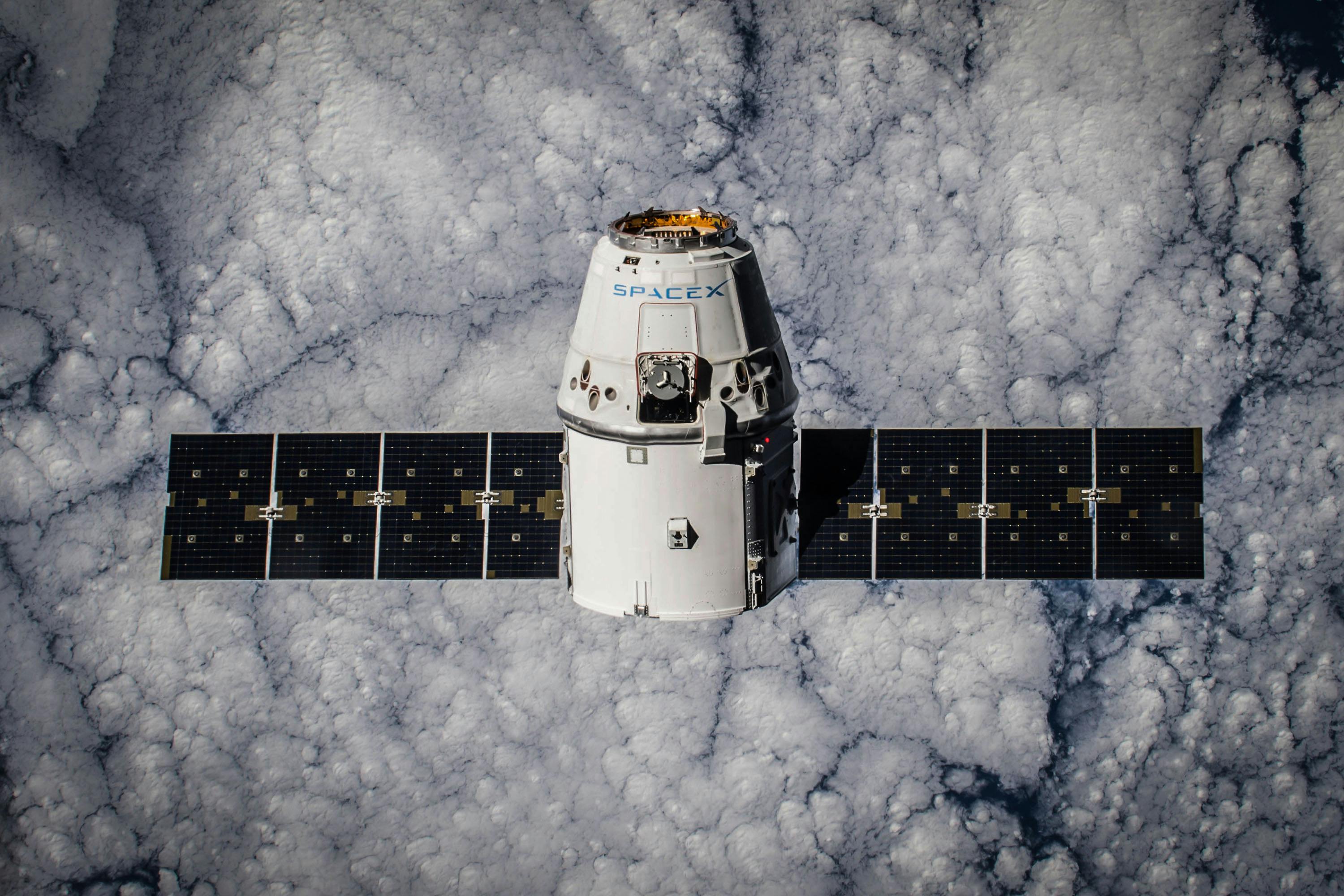
STARLINK-6030 Satellite Image
Additional Sources
Launch Details

Launch Date

March 29, 2023

Launch Pad

LC40

Launch Vehicle

Falcon 9

Orbital Elements

NORAD ID

56107

International Designator

2023-046Q

Epoch

Sun, 19 Jul 2026 13:07:42 GMT

Apogee

Calculating...

Perigee

Calculating...

Inclination

43.00°

Right Ascension

137.21°

Eccentricity

Calculating...

Argument of Perigee

273.03°

Period

94.27 min

Mean Motion

15.28 rev/day

Latitude

Calculating...

Longitude

Calculating...

Altitude

Calculating...

Velocity

Calculating...

Polar Plot
3D Visualization
Basic Satellite Info

Name

STARLINK-6030

Alternative Name

Starlink 6030

Type

Payload

Status

Operational

Owner

SPXS

Country

United States

Constellation

N/A

Related Satellites

Major Events

N/A

Latest TLEs
1 56107U 23046Q   26200.54701978 -.00001936  00000+0 -60839-4 0  9995
2 56107  43.0046 137.2083 0001457 273.0291  87.0394 15.27581414182193

Source: Celestrak

Summary
The STARLINK-6030 satellite, also known as Starlink 6030, is owned by SpaceX (SPXS) and was launched on March 29, 2023, from Launch Complex 40 at Cape Canaveral Air Force Station using a Falcon 9 launch vehicle. It measures 0.2 meters in length with a diameter of 2.8 meters and a span of 9 meters. The satellite has a dry mass of 290 kilograms and was launched with a total mass of 305 kilograms. Equipped with Ku/Ka-band payload and an optical inter-satellite link, STARLINK-6030 is part of the Starlink Group 5-10-15 mission for communication purposes. It uses solar arrays and batteries for power generation and employs Krypton ion thrusters as its propulsion system. The satellite has a box with pan shape design and operates under the ownership of SpaceX.

Starlink is a satellite constellation developed by SpaceX with the aim of providing global broadband internet coverage. Thousands of small satellites are deployed in low Earth orbit (LEO), enabling high-speed internet access even in remote areas. However, the rapid increase in satellites raises concerns about space debris and the potential for collisions, which can lead to further debris creation and endanger other spacecraft. Additionally, the sheer number of Starlink satellites can affect astronomical observations by increasing light pollution. Proper deorbiting plans and international coordination are essential to mitigate these challenges and ensure long-term sustainability in space.
Physical Characteristics

Length

0.2

Diameter

2.8

Span

9

Dry Mass

290

Launch Mass

305

Shape

Box + pan

Radar Cross Section

Unknown

Visual Magnitude

Unknown

Color

Unknown

Material Composition

Unknown

Technical Details

Payload

Starlink Group 5-10-15

Purpose

Communication

Mission

Communication

Manufacturer

SPXS

Life Expectancy

Unknown

Bus

Starlink

Configuration

Unknown

Motor

Krypton ion thrusters

Equipment

Ku/Ka-band payload, optical inter-satellite link

Power System

Solar arrays, batteries

ADCS

Unknown

Transmitter Frequency

Unknown

Map
This tool will help you track the satellite's position and predict its upcoming passes over your location. Simply input the coordinates or click the geolocation button to get started.
Next Pass
Azimuth Elevation Time (Local)
Start Azimuth
Max Elevation
Stop Azimuth
Time Until
Pass Duration

Satellite Articles

View All Posts »

Learn more about satellites and other related topics.

The Day America Shot Down Its Own Spy Satellite

The Day America Shot Down Its Own Spy Satellite

Seventeen years ago, a Navy cruiser in the Pacific fired a missile at a tumbling reconnaissance satellite that had failed within hours of reaching orbit - officially to prevent toxic fuel from reaching the ground, unofficially to prove something far more significant to China and the world


Boeing Ramps Up Missile-Tracking Sensor Production for Military Sats | KeepTrack Space Brief

Boeing Ramps Up Missile-Tracking Sensor Production for Military Sats | KeepTrack Space Brief

Boeing opens new facility to boost missile-tracking sensor production for military satellites. Tory Bruno joins Blue Origin for national security projects. 25 Starlink sats launched.

Vietnam Licenses Starlink for 600K Terminals, Isaacman Plans Roscosmos Visit | KeepTrack Space Brief

Vietnam Licenses Starlink for 600K Terminals, Isaacman Plans Roscosmos Visit | KeepTrack Space Brief

Vietnam approves Starlink with up to 600,000 terminals and 4 gateway stations. SpaceX hits 600th Falcon 9 launch. NASA's Isaacman plans Roscosmos meeting and Soyuz visit.

FAA Approves Starship Launches from LC-39A, FCC Accepts Orbital Data Center Filing | KeepTrack X Report

FAA Approves Starship Launches from LC-39A, FCC Accepts Orbital Data Center Filing | KeepTrack X Report

FAA approves SpaceX Starship launches from Kennedy Space Center LC-39A. FCC accepts 1-million satellite orbital data center filing. Canada ranks as 5th largest Starlink market.

The Feasibility of Transitioning from Starlink to Eutelsat in Ukraine

The Feasibility of Transitioning from Starlink to Eutelsat in Ukraine

As Ukraine explores alternatives to SpaceX's Starlink, the potential adoption of Eutelsat OneWeb's satellite network raises critical questions about connectivity, resilience, and strategic autonomy.

Space Brief 5 Dec 2024

Space Brief 5 Dec 2024

Today's brief highlights Umbra Space's contract extension with the NRO, Trump's Space Force ambitions, FibreCoat's new funding targeting defense markets, and key US defense sentiments. Explore notable military and commercial satellite activities.

Space Brief 5 May 2025

Space Brief 5 May 2025

Today's brief covers the Army's move to create a space career field for enlisted soldiers, Terran Orbital's involvement in a Space Force tech program, advancements in missile warning systems, a first flight test by Inversion Space, and more.

SpaceX Lands $2.29B Space Force Contract, X Report 27 May 2026

SpaceX Lands $2.29B Space Force Contract, X Report 27 May 2026

SpaceX wins a $2.29 billion US Space Force contract for a military space data network, NASA adds 6 crew missions, and Starship V3 makes its first flight.