


Space Force Orders 14 GPS 3F Satellites for $514M | KeepTrack Space Brief
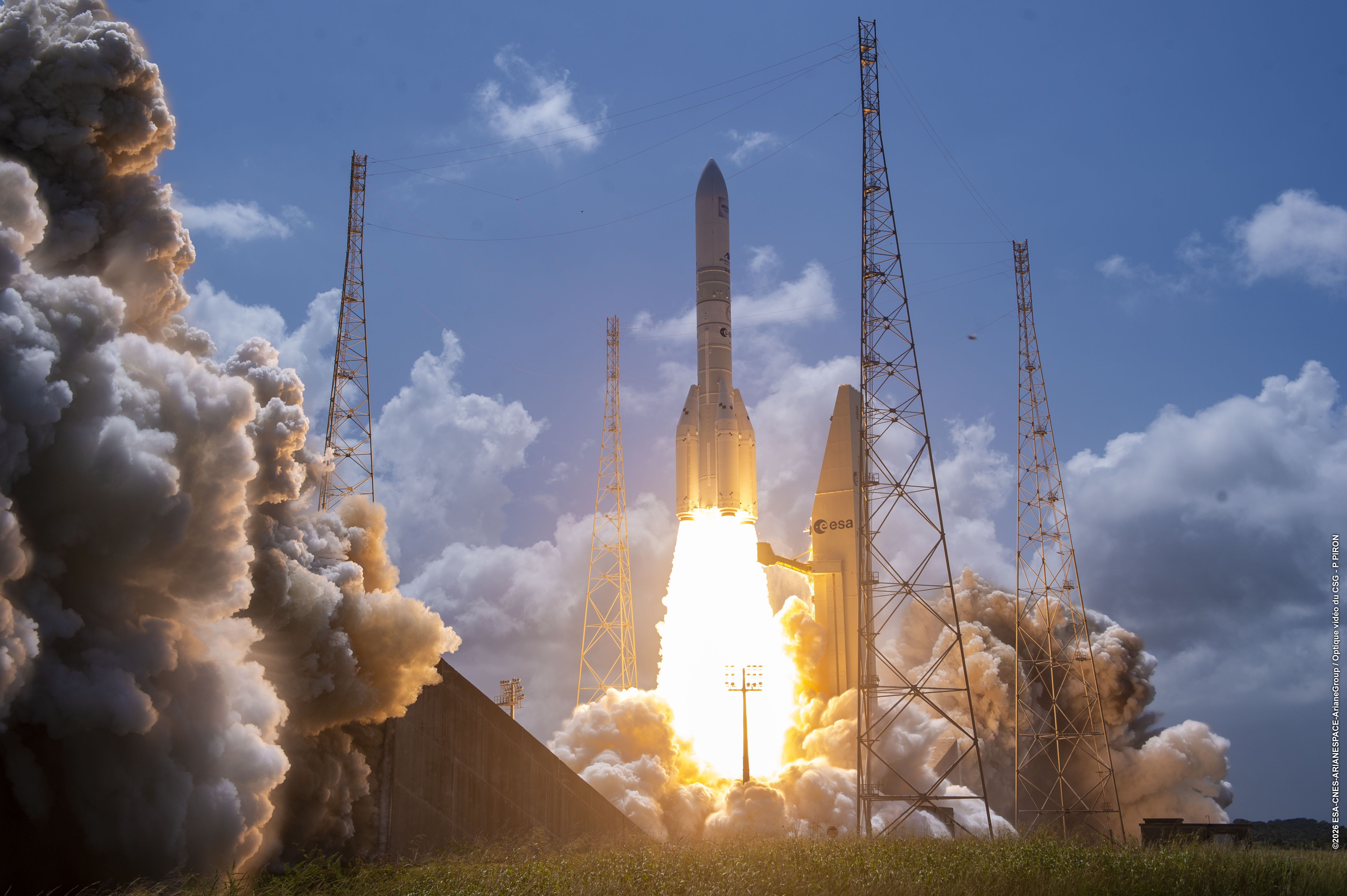
Space Force awards Lockheed Martin $514M for two additional GPS 3F satellites, bringing total orders to 14. New satellites add anti-jam features and upgraded civilian signals.



Launch Date
March 24, 2023
Launch Site
Launch Pad
LC40
Launch Vehicle
NORAD ID
56027
International Designator
2023-042AT
Epoch
Sun, 19 Jul 2026 20:36:45 GMT
Apogee
Calculating...
Perigee
Calculating...
Inclination
43.00°
Right Ascension
18.41°
Eccentricity
Calculating...
Argument of Perigee
269.14°
Period
94.27 min
Mean Motion
15.28 rev/day
Latitude
Calculating...
Longitude
Calculating...
Altitude
Calculating...
Velocity
Calculating...
Name
STARLINK-5777
Alternative Name
Starlink 5777
Type
Status
Owner
SPXS
Country
United States
Constellation
N/A
Related Satellites
Major Events
N/A
1 56027U 23042AT 26200.85885469 -.00000613 00000+0 -12752-4 0 9996
2 56027 43.0040 18.4139 0001312 269.1384 90.9317 15.27572120183259
Source: Celestrak
Length
0.2
Diameter
2.8
Span
9
Dry Mass
290
Launch Mass
305
Shape
Box + pan
Radar Cross Section
Unknown
Visual Magnitude
Unknown
Color
Unknown
Material Composition
Unknown
Payload
Starlink Group 5-5-42
Purpose
Communication
Mission
Communication
Manufacturer
SPXS
Life Expectancy
Unknown
Bus
Starlink
Configuration
Unknown
Motor
Krypton ion thrusters
Equipment
Ku/Ka-band payload, optical inter-satellite link
Power System
Solar arrays, batteries
ADCS
Unknown
Transmitter Frequency
Unknown
Learn more about satellites and other related topics.
Space Force awards Lockheed Martin $514M for two additional GPS 3F satellites, bringing total orders to 14. New satellites add anti-jam features and upgraded civilian signals.

SpaceX launches multiple Starlink batches, FAA updates for Starship, and NASA plans lunar cargo deliveries involving SpaceX and Blue Origin.
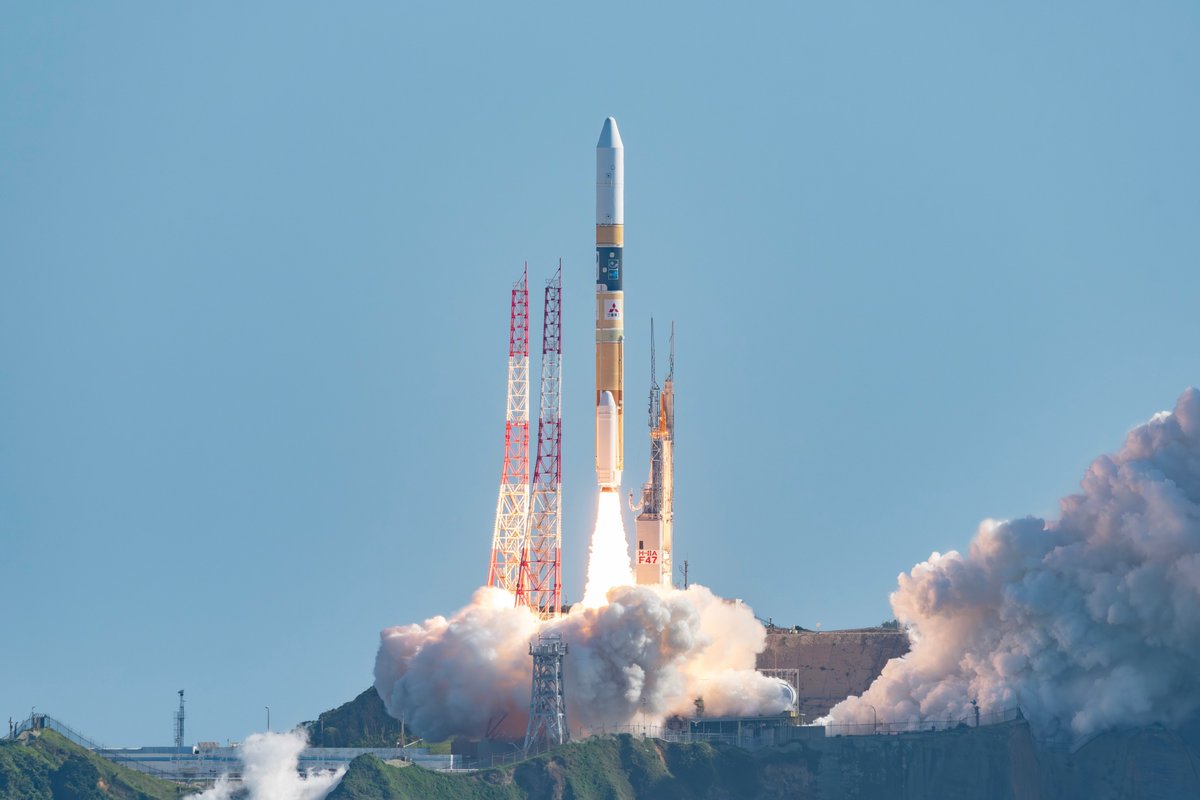
Today's updates cover crucial developments in satellite licensing reforms, defense cybersecurity, and AI integration within government sectors.
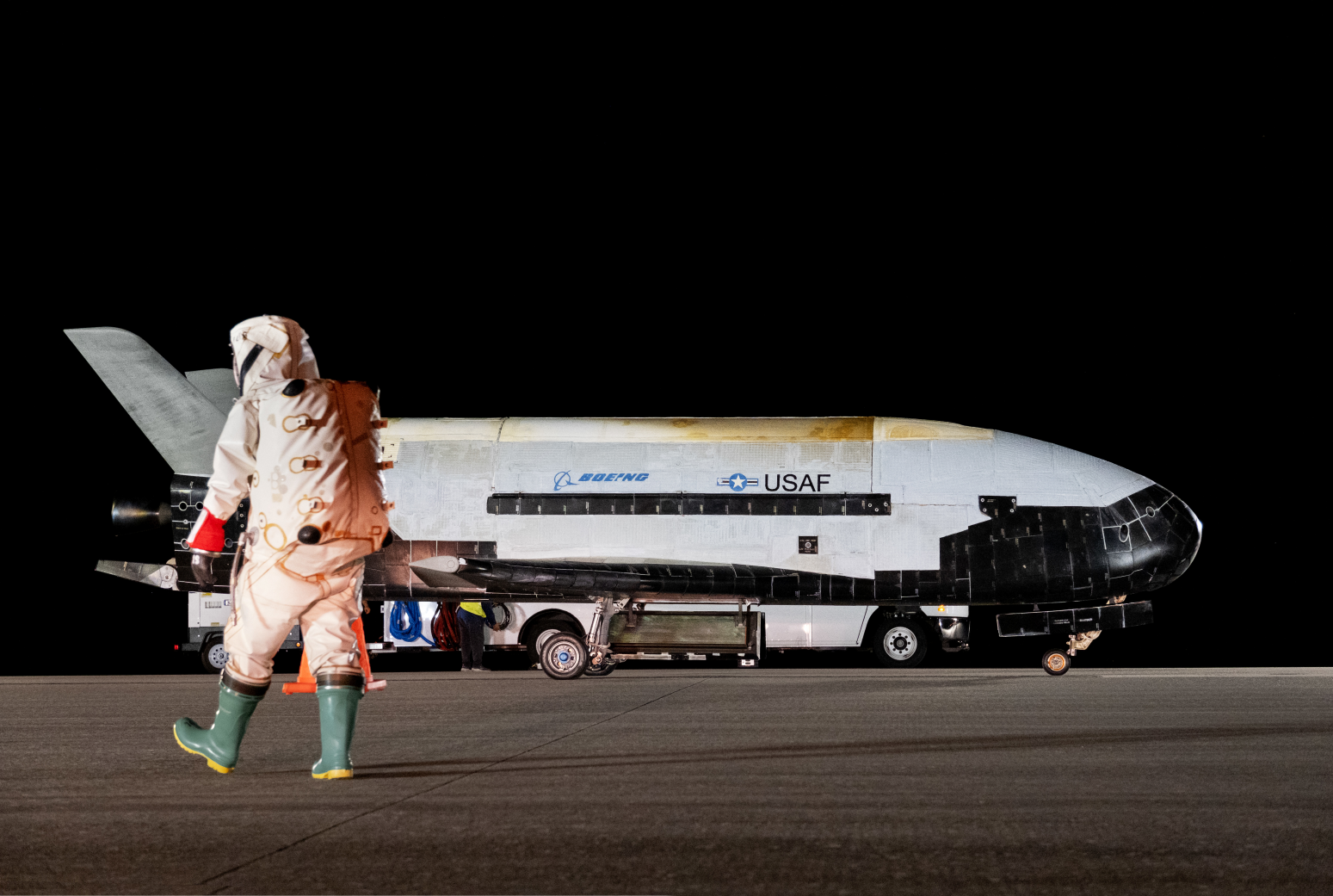
On April 22, 2010, an Atlas V lifted off from Cape Canaveral carrying a reusable robotic spaceplane so secret that the Air Force would not even confirm its mission duration. It came back 224 days later, lighter, quieter, and more operational than anyone outside Washington had expected. Fifteen years later, the X-37B is still flying, and the military still will not say what it does.

Today's briefing covers the Space Force's plans for future launches, new initiatives in missile defense, and the latest on military and aerospace advancements.
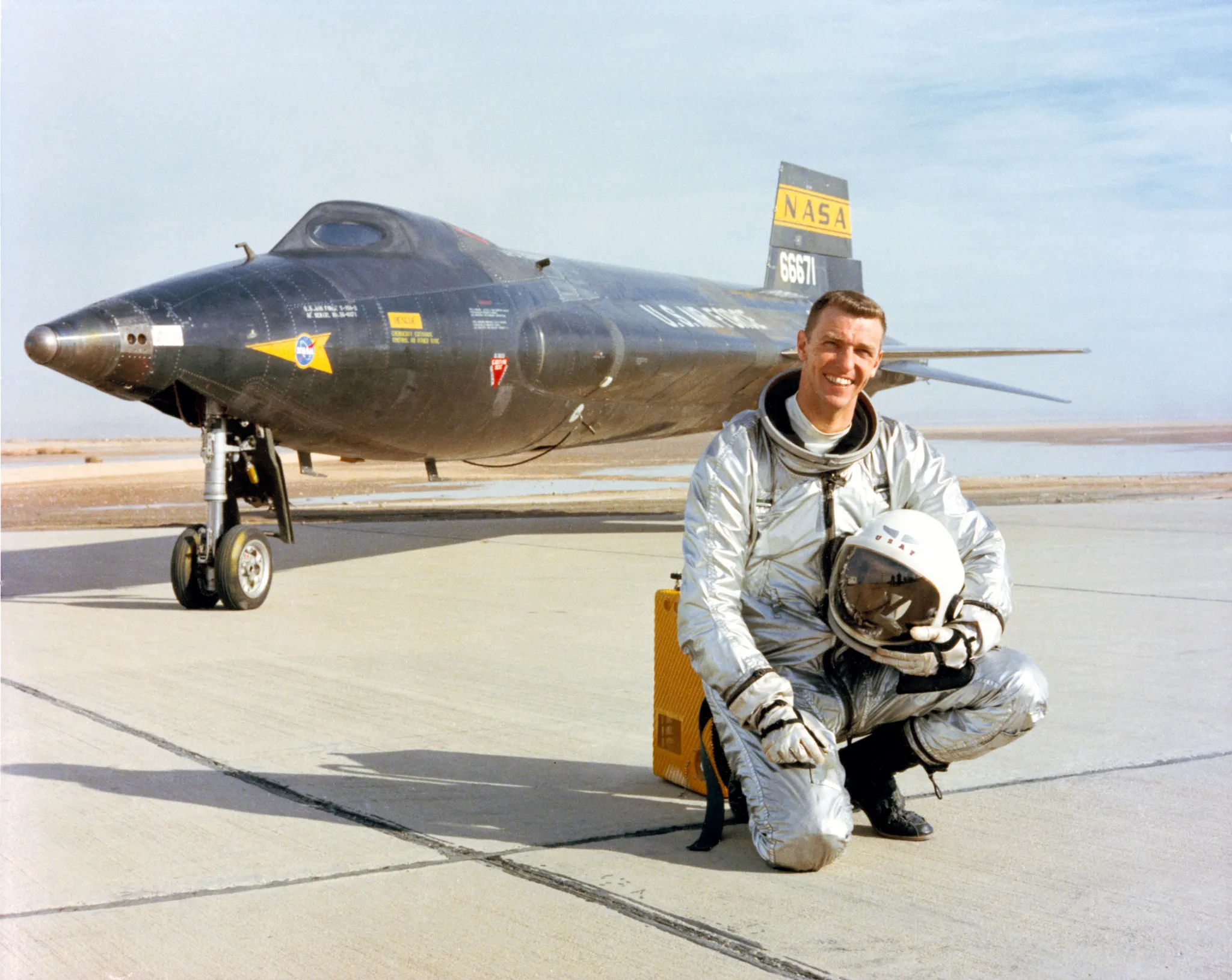
On 29 June 1965, a young Air Force test pilot rode a rocket-powered airplane to 280,600 feet above the California desert. He landed ten minutes later as the youngest person ever to earn astronaut wings.

Today marks significant milestones and setbacks for SpaceX as Starship Flight 9 completes a historic launch but ultimately suffers a loss of control. Additionally, a successful Starlink deployment continues to expand global internet coverage.

Rocket Lab Neutron's first launch is targeted for Q4 2026 after a tank test failure, backed by a new 5-launch deal. Plus Globalstar's 1,410 km refresh.