


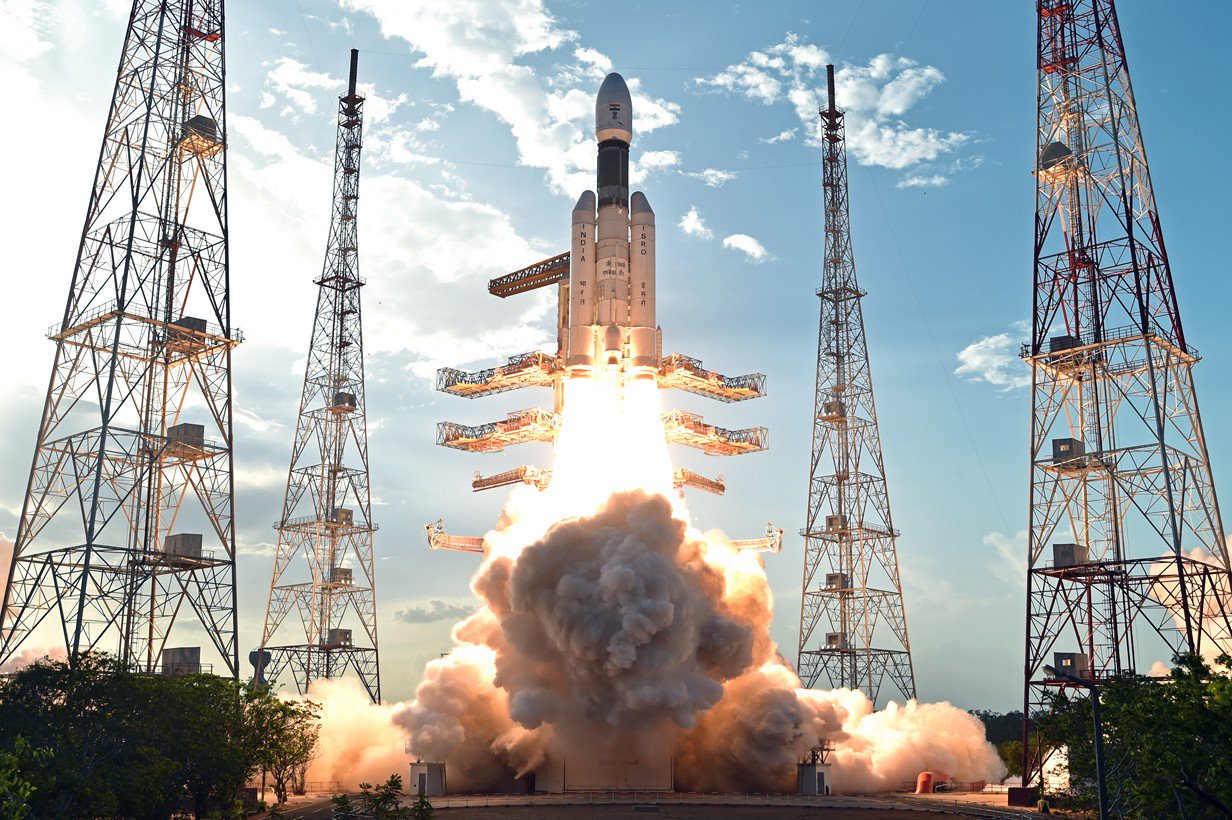
Space Brief 25 Oct 2025
Today's brief covers significant growth forecasts for global defense satellite communications, the integration of hypersonic missiles, cyber authority expansion in the Army, and more pivotal military developments.


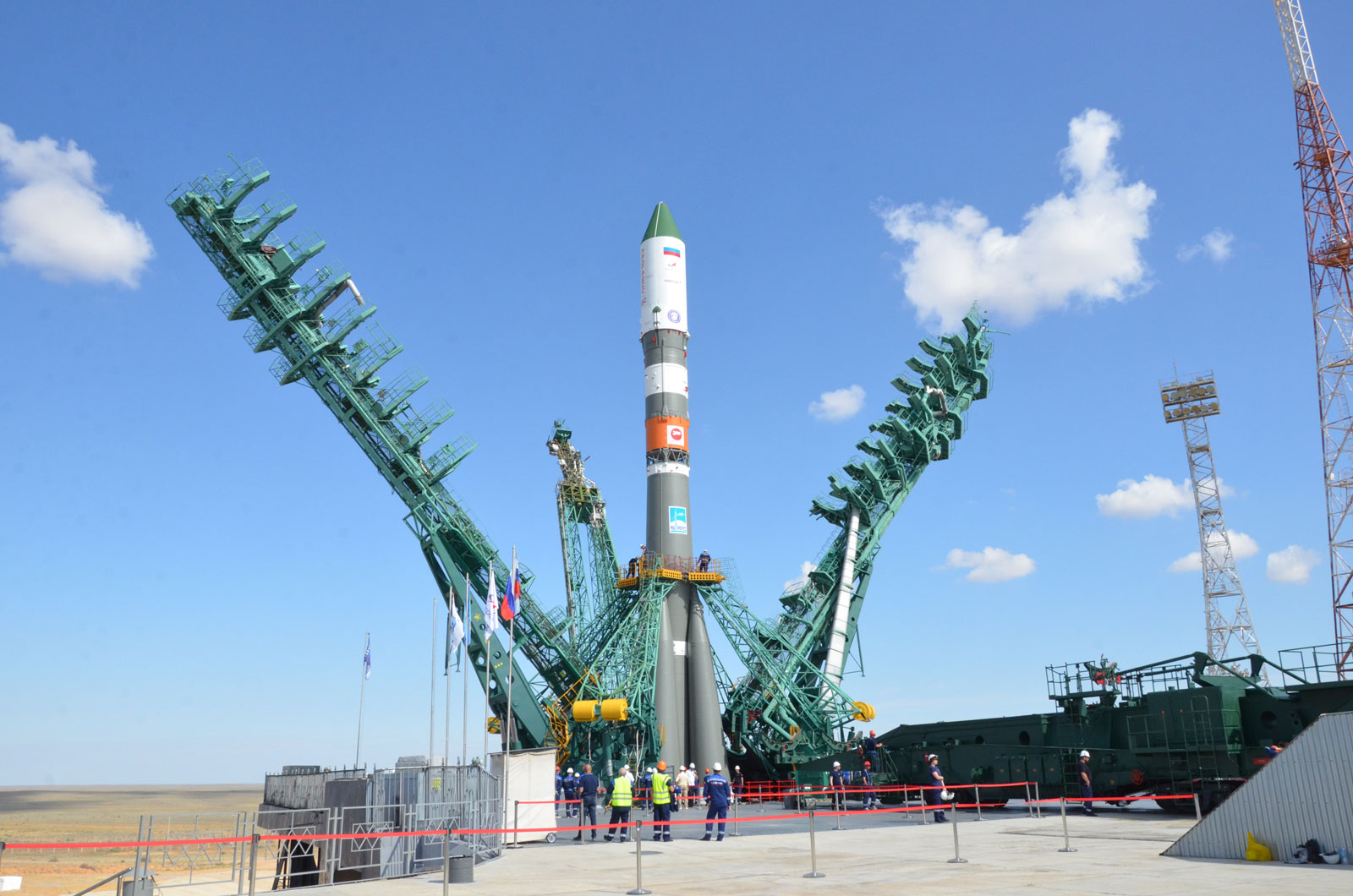
Launch Date
March 23, 2023
Launch Site
PLMSC
Launch Pad
LC43/3
Launch Vehicle
Soyuz-2-1A
NORAD ID
55978
International Designator
2023-040A
Epoch
Sun, 19 Jul 2026 20:04:40 GMT
Apogee
Calculating...
Perigee
Calculating...
Inclination
97.59°
Right Ascension
127.43°
Eccentricity
Calculating...
Argument of Perigee
54.91°
Period
94.42 min
Mean Motion
15.25 rev/day
Latitude
Calculating...
Longitude
Calculating...
Altitude
Calculating...
Velocity
Calculating...
Name
COSMOS 2567
Alternative Name
Kosmos-2567
Type
Status
Owner
VVKOV
Country
Russia
Constellation
N/A
Related Satellites
Major Events
N/A
1 55978U 23040A 26200.83658058 .00001762 00000+0 73403-4 0 9992
2 55978 97.5877 127.4276 0001659 54.9056 305.2336 15.25092461185032
Source: Celestrak
Length
6
Diameter
2.7
Span
10
Dry Mass
3500
Launch Mass
3700
Shape
Cyl + 2 Pan
Radar Cross Section
Unknown
Visual Magnitude
Unknown
Color
Unknown
Material Composition
Unknown
Payload
Bars-M No. 4L
Purpose
Reconnaissance, optical
Mission
Reconnaissance, optical
Manufacturer
ARSLO
Life Expectancy
5 years
Bus
Bars
Configuration
SVIT ?
Motor
AOCS
Equipment
Karat imaging system
Power System
2 deployable solar arrays, batteries
ADCS
Unknown
Transmitter Frequency
Unknown
Learn more about satellites and other related topics.
Today's brief covers significant growth forecasts for global defense satellite communications, the integration of hypersonic missiles, cyber authority expansion in the Army, and more pivotal military developments.
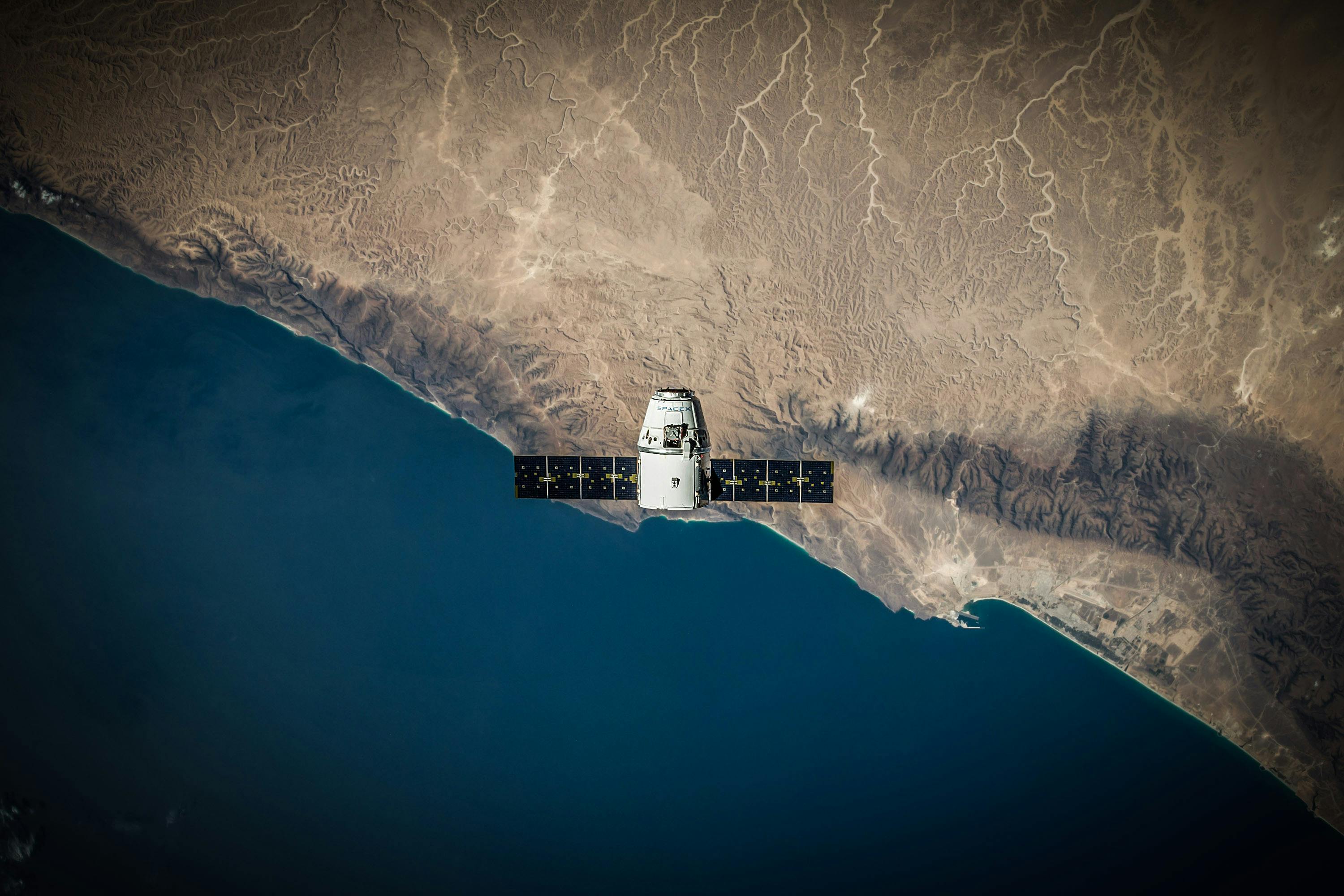
DIU explores SpaceX Starship's in-space refueling; Investors advise startups against competing or emulating SpaceX.

Today's highlights include ExoMars' successful parachute test, developments in military satellite systems, and leadership changes at NASA Goddard.
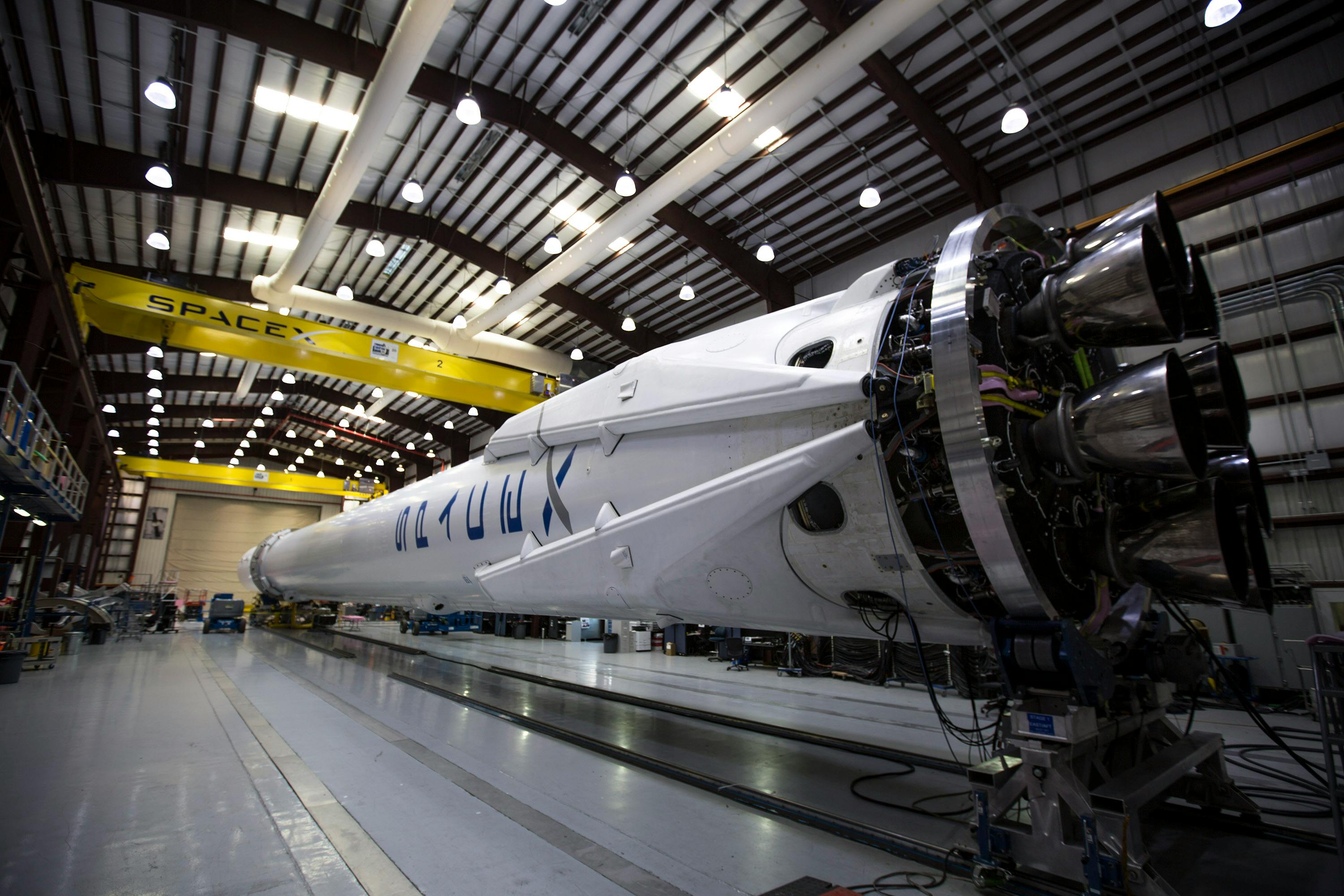
SpaceX makes strides on Starship launch pad, upcoming Starlink infusions from California and Florida, and regulatory challenges loom with FCC and C-band spectrum.
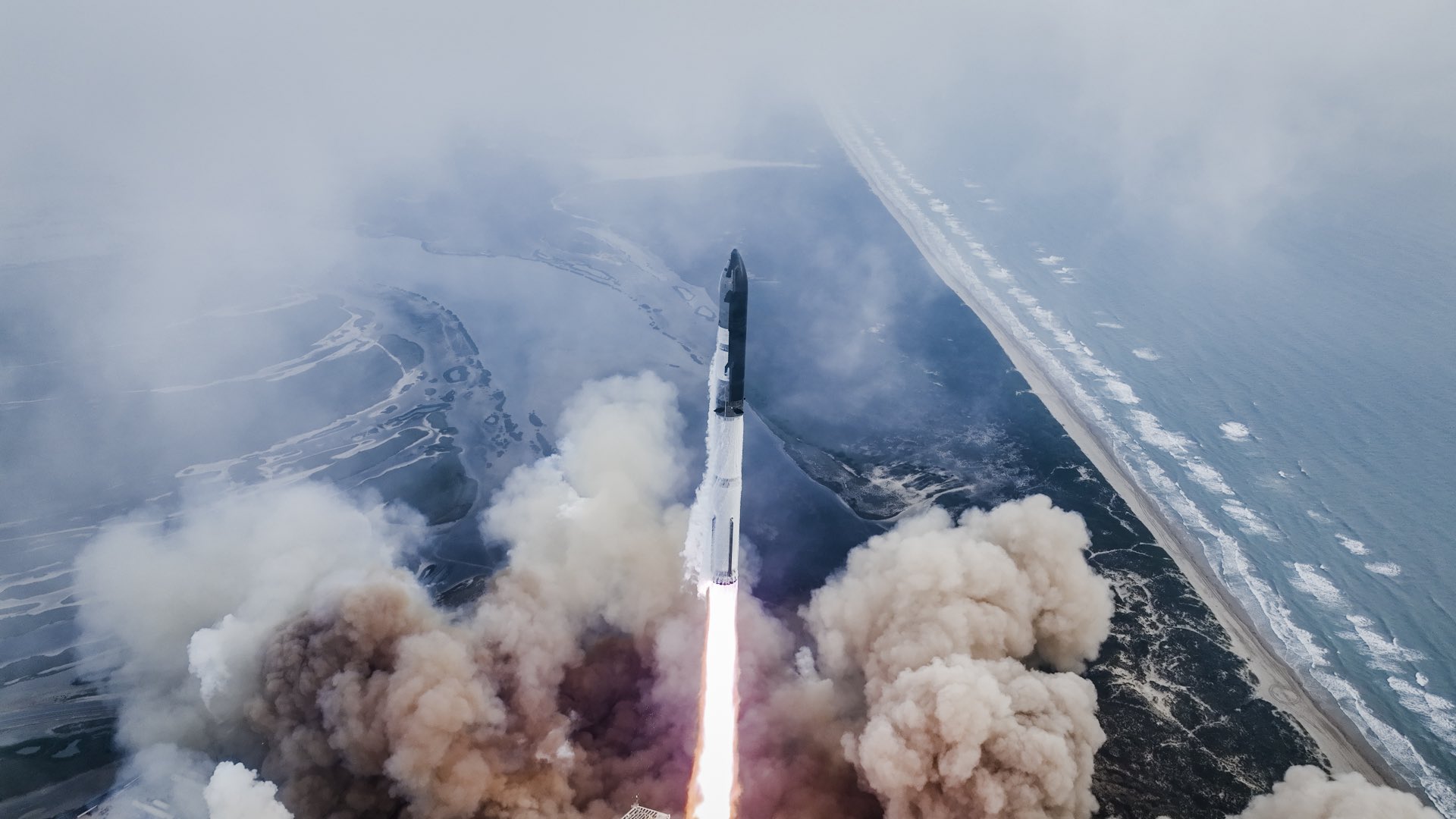
Today's edition covers China's latest launches in their classified satellite programs, ongoing discussions in the U.S. Senate on missile defense, and the ever-escalating space debris crisis threatening national security.
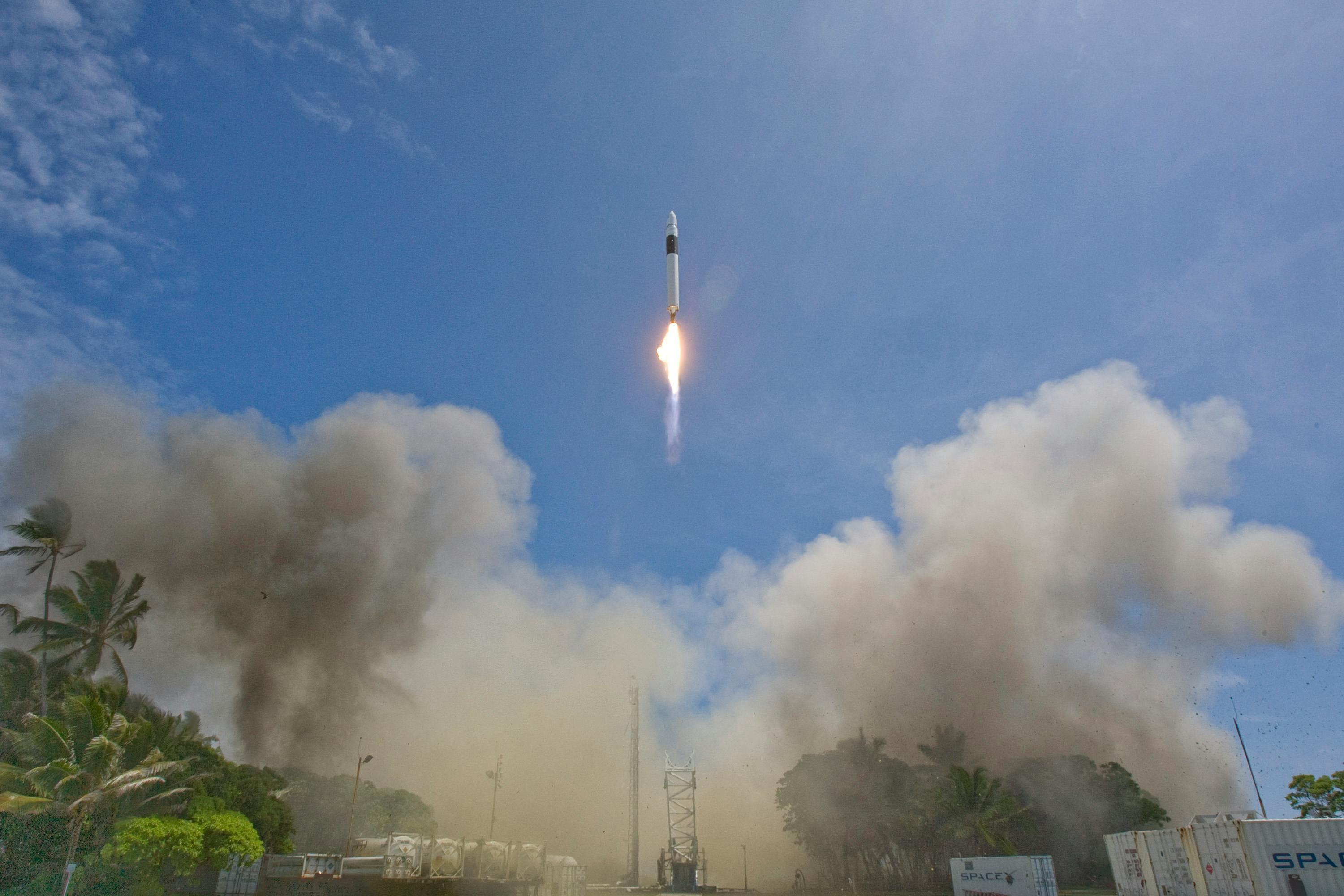
Today's brief highlights the successful launch of 29 Starlink satellites, progress on the Starship fleet, and ongoing adjustments in SpaceX's launch schedules.

Today's highlights include SpaceX's rapid Starlink launches, insights into China's Mars sample return mission, and ULA's future launch plans. Also, a new Space Force general takes the reins of the U.S. missile defense program.
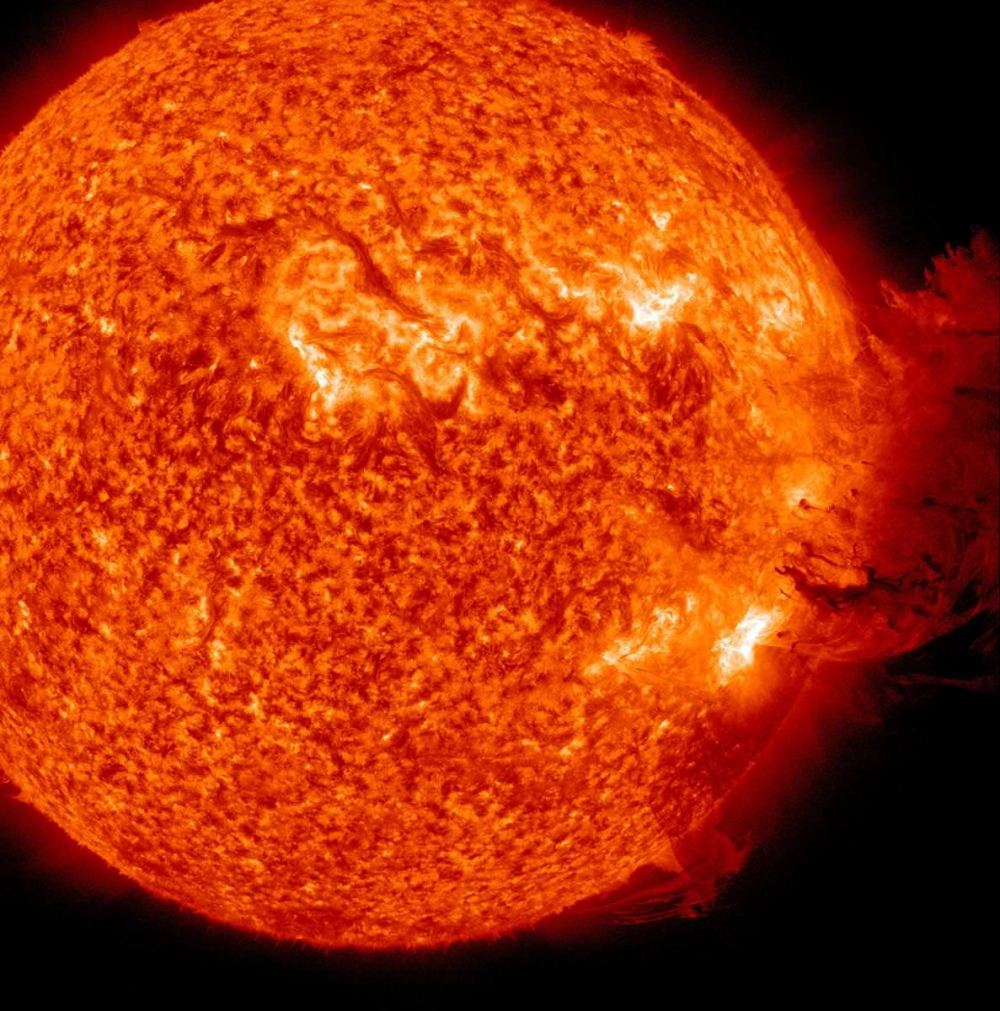
Fifteen years ago, NASA launched its most advanced solar observatory, revolutionizing our understanding of our star and transforming space weather prediction