


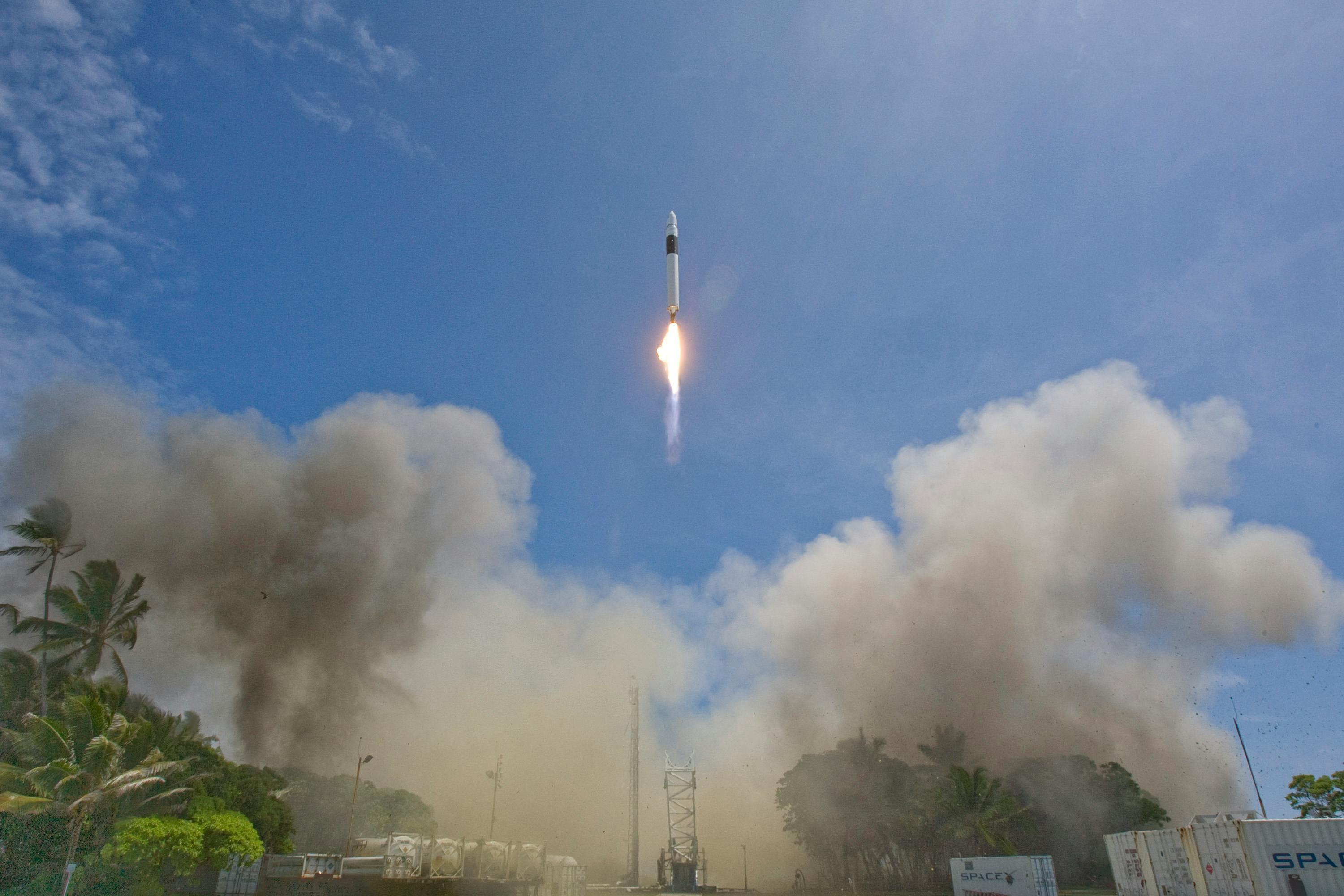
X Report 5 Sep 2025
SpaceX celebrates significant milestones with its Starship preparations, approaches a landmark Falcon booster landing, and enhances the ISS orbit with Dragon technology.



NORAD ID
55957
International Designator
2023-037AV
Epoch
Mon, 20 Jul 2026 05:19:17 GMT
Apogee
Calculating...
Perigee
Calculating...
Inclination
70.00°
Right Ascension
290.36°
Eccentricity
Calculating...
Argument of Perigee
269.28°
Period
96.11 min
Mean Motion
14.98 rev/day
Latitude
Calculating...
Longitude
Calculating...
Altitude
Calculating...
Velocity
Calculating...
Name
STARLINK-5884
Alternative Name
Starlink 5884
Type
Status
Owner
SPXS
Country
United States
Constellation
N/A
Related Satellites
Major Events
N/A
1 55957U 23037AV 26201.22172499 -.00000691 00000+0 -50075-4 0 9991
2 55957 69.9999 290.3596 0003572 269.2821 90.7928 14.98330836184323
Source: Celestrak
Length
0.2
Diameter
2.8
Span
9
Dry Mass
290
Launch Mass
305
Shape
Box + pan
Radar Cross Section
Unknown
Visual Magnitude
Unknown
Color
Unknown
Material Composition
Unknown
Payload
Starlink Group 2-8-44
Purpose
Communication
Mission
Communication
Manufacturer
SPXS
Life Expectancy
Unknown
Bus
Starlink
Configuration
Unknown
Motor
Krypton ion thrusters
Equipment
Ku/Ka-band payload, optical inter-satellite link
Power System
Solar arrays, batteries
ADCS
Unknown
Transmitter Frequency
Unknown
Learn more about satellites and other related topics.
SpaceX celebrates significant milestones with its Starship preparations, approaches a landmark Falcon booster landing, and enhances the ISS orbit with Dragon technology.
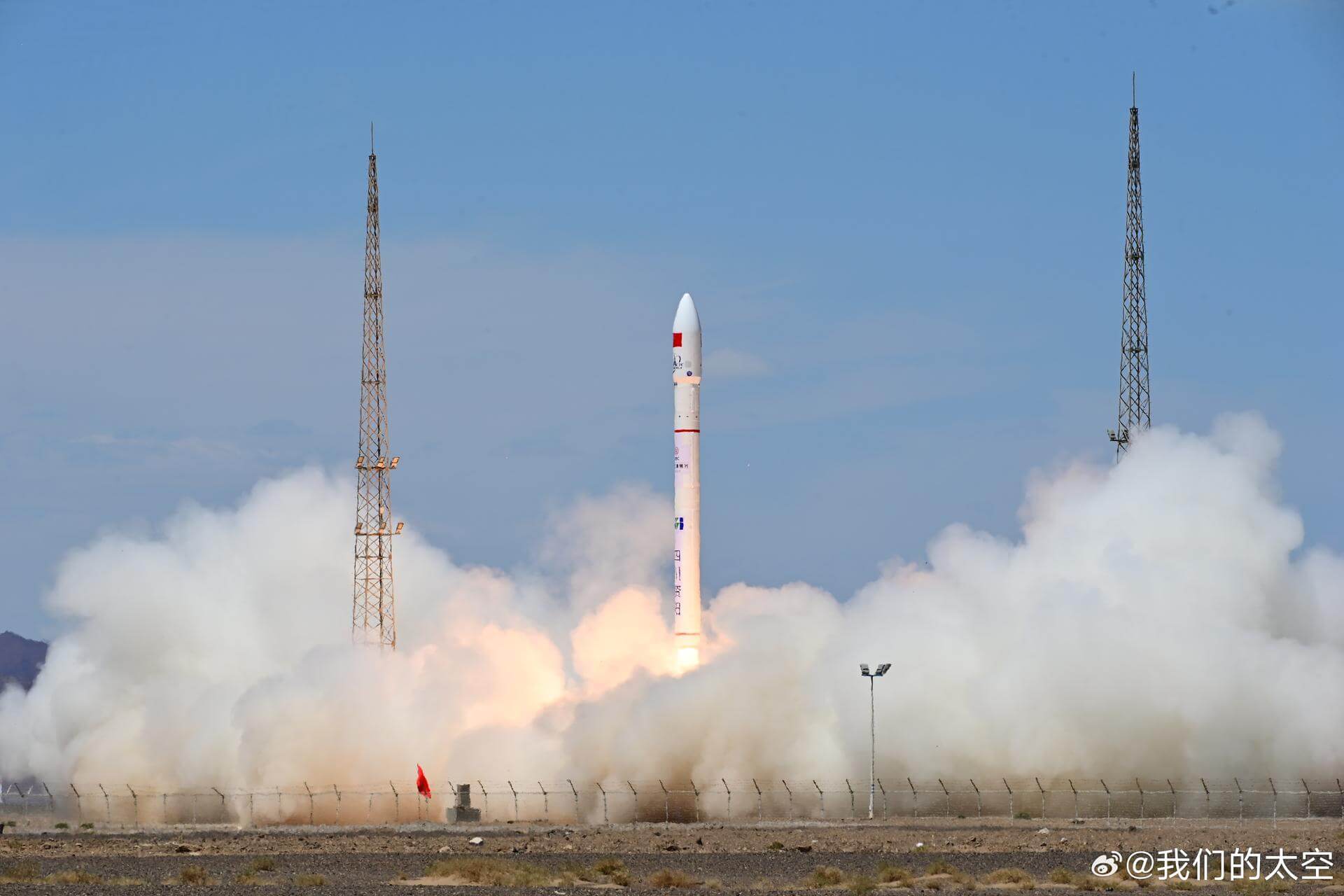
Today's brief covers the crash of a SpaceX Falcon 9 rocket over Europe, the Space Force's mapping efforts with Iron Dome, and key military appointments and funding decisions.
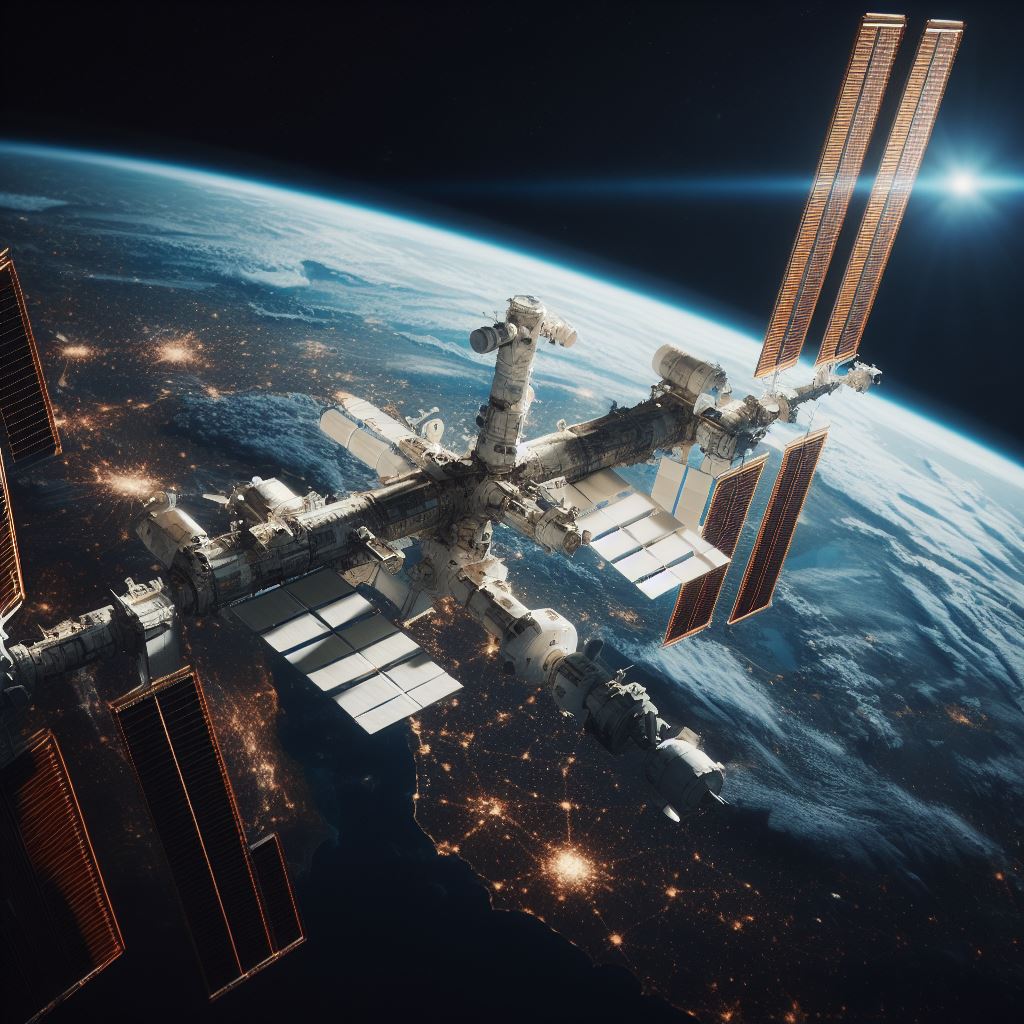
A brief journey through the evolution of space stations, delving into Russia's Mir, the International Space Station, China's Tiangong, and envisioning the future of orbital habitats.

ULA's Vulcan rocket grounded, imperiling Space Force WGS-11 communications satellite and Next-Gen OPIR missile warning payload. Both missions lack backup launch options.

SpaceX claims a 2nd GPS III launch as ULA's Vulcan investigation stalls, while ESA charters a Crew Dragon ISS mission and Starlink hits 30 launches in 2026.
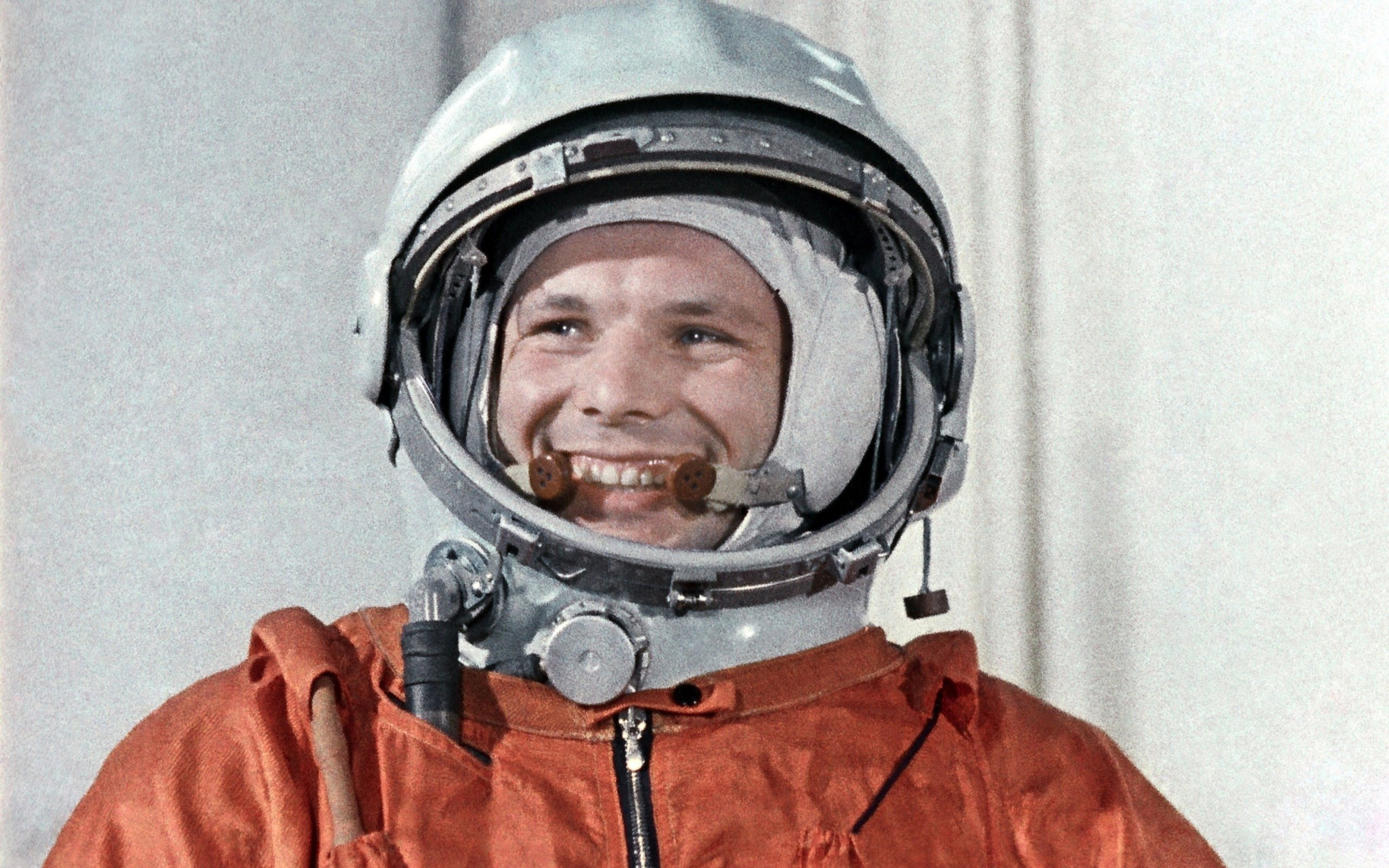
On April 12, 1961, a 27-year-old Soviet pilot rode a modified ICBM into orbit and came back alive after 108 minutes. Exactly twenty years later, two Americans climbed aboard an untested spacecraft covered in 31,000 ceramic tiles and bet their lives that the math was right.
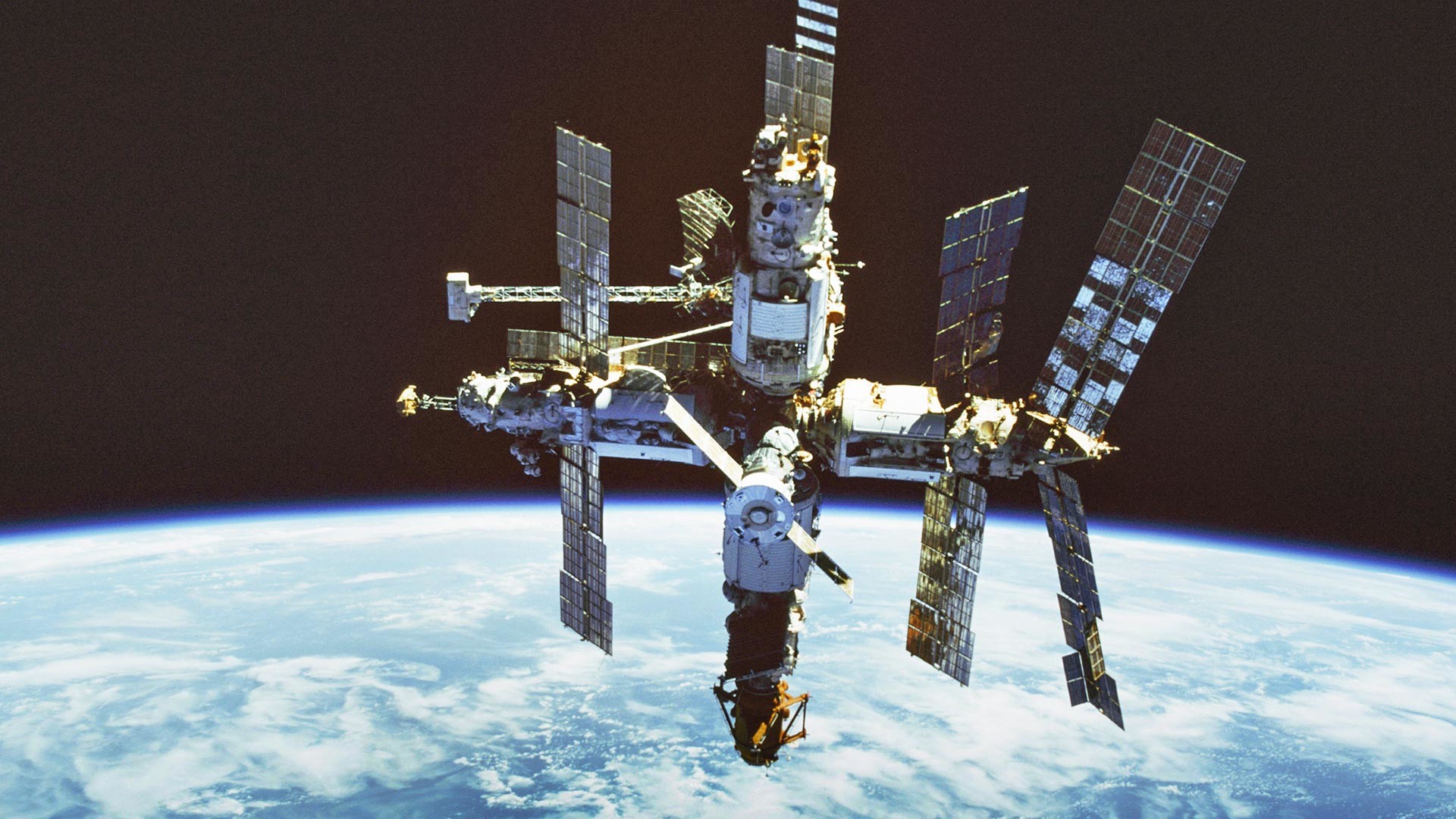
Forty years ago today, the USSR launched a 20-ton aluminum cylinder into low Earth orbit and called it 'Peace.' Over the next 15 years, Mir would host 104 people from 12 countries, survive a fire and a collision, and quietly teach humanity how to live in space.

SpaceX preps for its sixth Starship test flight, moving the Super Heavy rocket to the pad. China's unveils a Starship-like reusable rocket concept, while Starlink expands with 24 new satellites launched.