



X Report 20 Mar 2025
SpaceX successfully rotates Crew-9 and Crew-10 on the ISS and launches new Starlink satellites with direct-to-cell capability.



NORAD ID
55951
International Designator
2023-037AP
Epoch
Sun, 19 Jul 2026 17:36:36 GMT
Apogee
Calculating...
Perigee
Calculating...
Inclination
70.00°
Right Ascension
311.34°
Eccentricity
Calculating...
Argument of Perigee
266.56°
Period
96.11 min
Mean Motion
14.98 rev/day
Latitude
Calculating...
Longitude
Calculating...
Altitude
Calculating...
Velocity
Calculating...
Name
STARLINK-5908
Alternative Name
Starlink 5908
Type
Status
Owner
SPXS
Country
United States
Constellation
N/A
Related Satellites
Major Events
N/A
1 55951U 23037AP 26200.73375781 -.00000195 00000+0 -85291-5 0 9997
2 55951 69.9999 311.3448 0003521 266.5578 93.5178 14.98329304183763
Source: Celestrak
Length
0.2
Diameter
2.8
Span
9
Dry Mass
290
Launch Mass
305
Shape
Box + pan
Radar Cross Section
Unknown
Visual Magnitude
Unknown
Color
Unknown
Material Composition
Unknown
Payload
Starlink Group 2-8-38
Purpose
Communication
Mission
Communication
Manufacturer
SPXS
Life Expectancy
Unknown
Bus
Starlink
Configuration
Unknown
Motor
Krypton ion thrusters
Equipment
Ku/Ka-band payload, optical inter-satellite link
Power System
Solar arrays, batteries
ADCS
Unknown
Transmitter Frequency
Unknown
Learn more about satellites and other related topics.
SpaceX successfully rotates Crew-9 and Crew-10 on the ISS and launches new Starlink satellites with direct-to-cell capability.
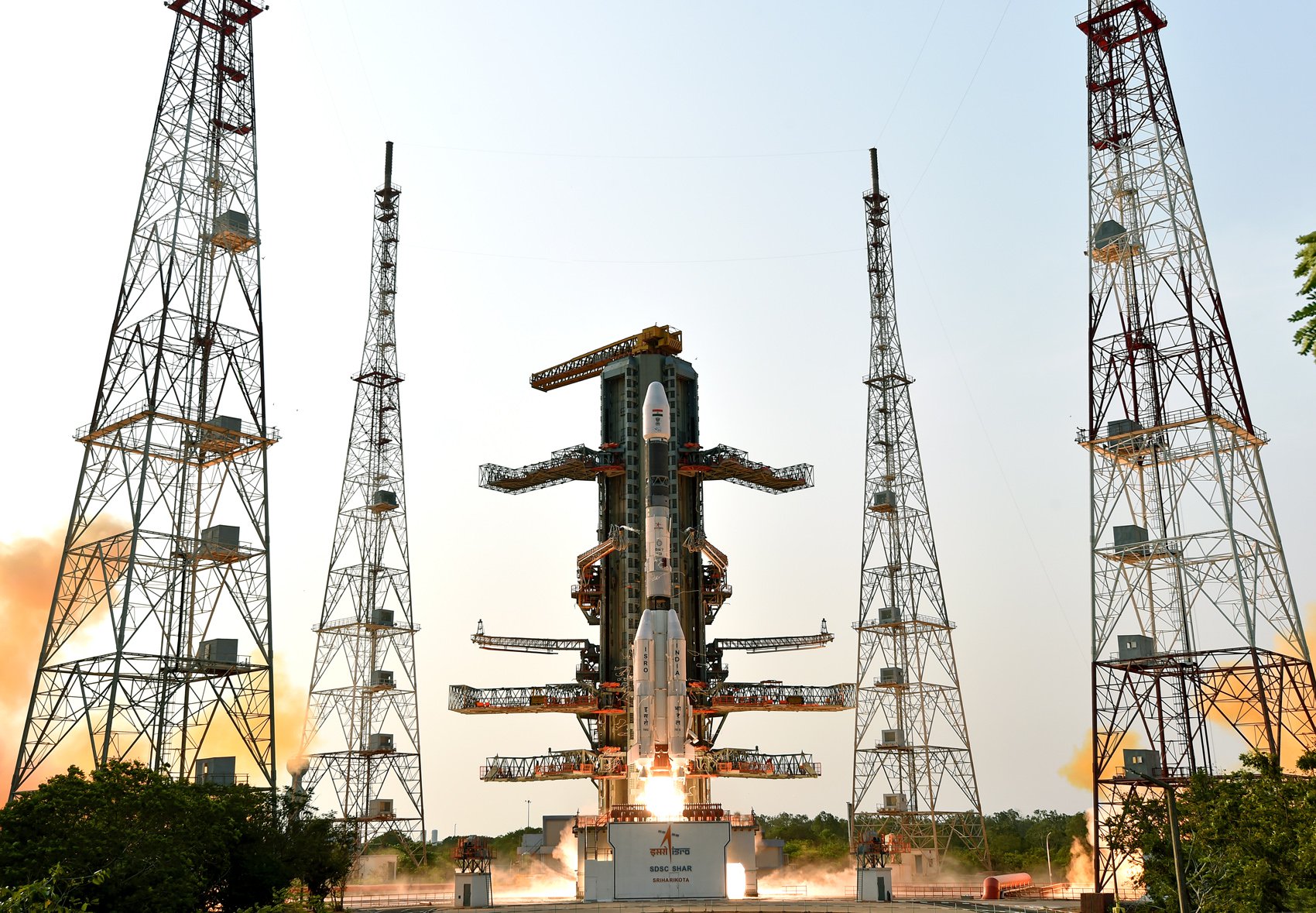
Key developments include China's Shijian 26 satellite launch, U.S. Space Force's BAE Systems contract for missile-tracking satellites, and military advancements in space systems.

Pentagon cancels Next-Generation OPIR Polar program after Northrop Grumman delivered sensor payload. LEO and MEO alternatives deemed sufficient for missile-warning coverage.
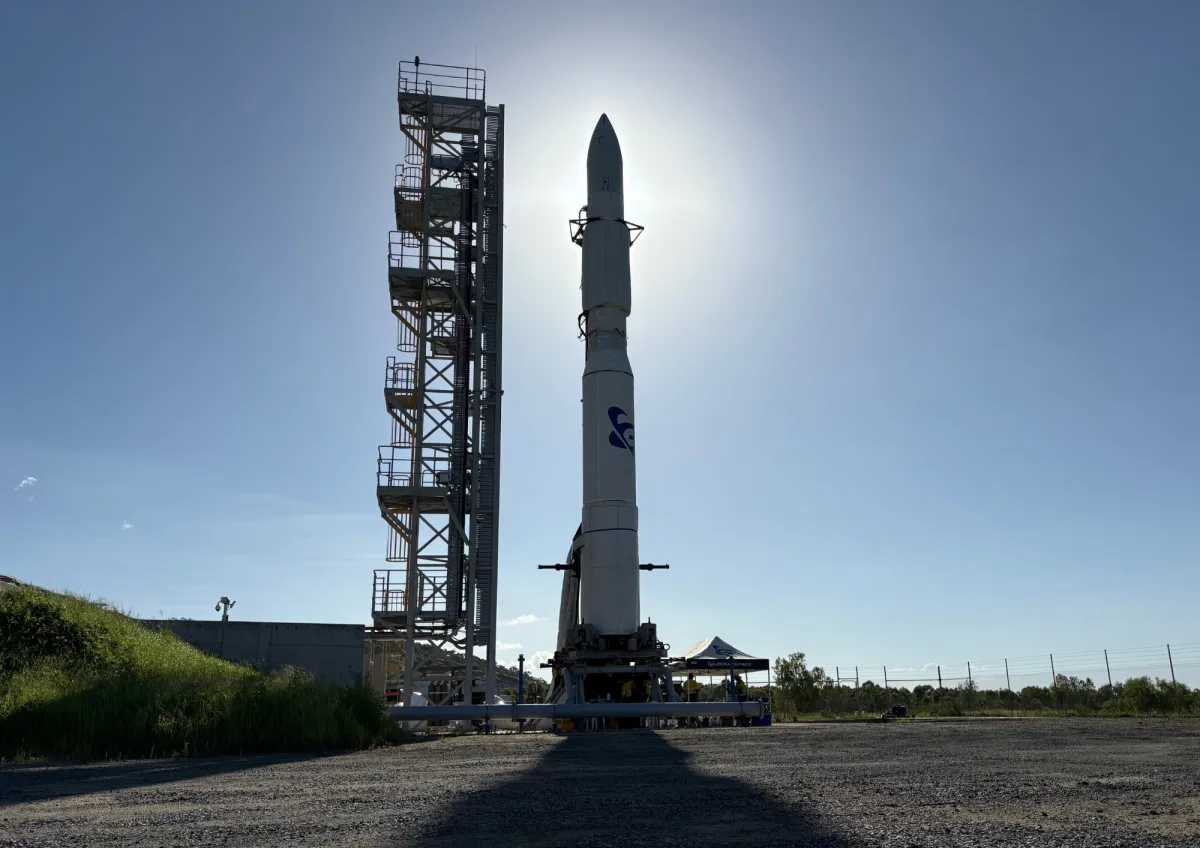
Today's brief covers the historic lunar touchdown by Firefly Aerospace's Blue Ghost lander, highlights in military space activity, and a reflection on Pearl Young's pioneering legacy at NASA.

Space Force awards $3.2 billion to 12 companies for Golden Dome boost-phase missile interceptor prototypes. Initial operational capability targeted for 2028.
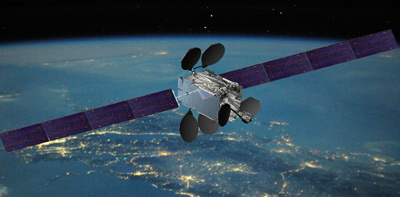
Today's space brief covers an impressive SpaceX launch record, China's upcoming crew mission to its space station, an Intelsat 33e debris observation, and more. Key topics include SpaceX's Starship events, ESA's Hera mission updates, and Boeing's potential space division sale.
In today's briefing: China accelerates its satellite megaconstellation. A comprehensive ESA-led optical data network is in the works, marking a key step in satellite communications. NASA's Artemis II crew visits Ohio in preparation for their lunar journey. SpaceX's record-breaking rocket launches continue. Plus, insights into nuclear rockets that could drastically shorten Mars missions.
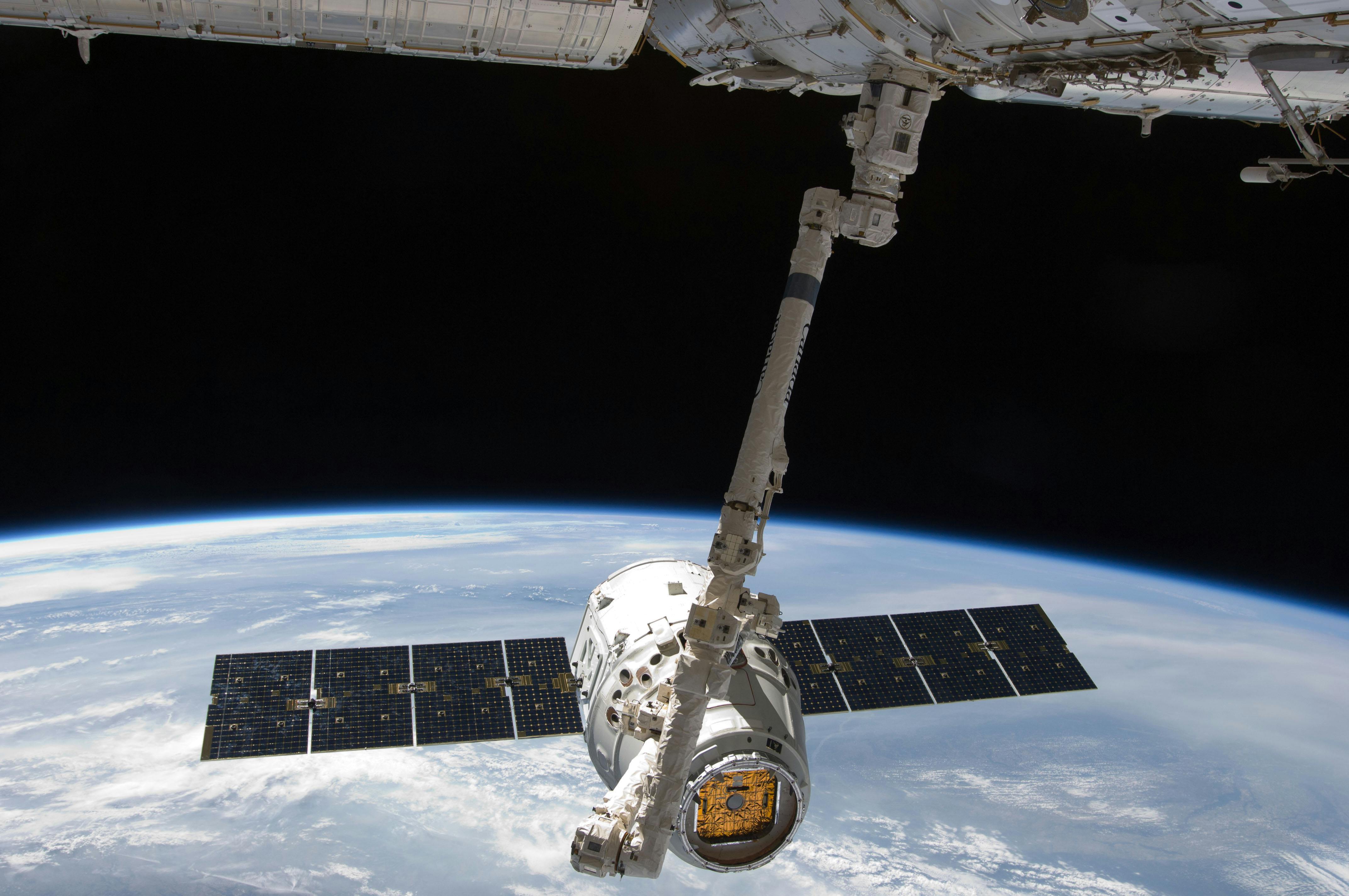
SpaceX prepares for a busy launch schedule with key upgrades at Starbase and notable Starlink missions. Recent close approaches in orbit underscore the complexities of satellite operations.