


X Report 15 Jun 2025
SpaceX explores new horizons with Starship's point-to-point travel announcement and reports significant Starlink deployment progress.



NORAD ID
55950
International Designator
2023-037AN
Epoch
Sun, 19 Jul 2026 16:36:13 GMT
Apogee
Calculating...
Perigee
Calculating...
Inclination
70.00°
Right Ascension
291.72°
Eccentricity
Calculating...
Argument of Perigee
265.33°
Period
96.11 min
Mean Motion
14.98 rev/day
Latitude
Calculating...
Longitude
Calculating...
Altitude
Calculating...
Velocity
Calculating...
Name
STARLINK-5911
Alternative Name
Starlink 5911
Type
Status
Owner
SPXS
Country
United States
Constellation
N/A
Related Satellites
Major Events
N/A
1 55950U 23037AN 26200.69181932 -.00000445 00000+0 -29465-4 0 9992
2 55950 70.0000 291.7215 0003390 265.3289 94.7483 14.98328226184249
Source: Celestrak
Length
0.2
Diameter
2.8
Span
9
Dry Mass
290
Launch Mass
305
Shape
Box + pan
Radar Cross Section
Unknown
Visual Magnitude
Unknown
Color
Unknown
Material Composition
Unknown
Payload
Starlink Group 2-8-37
Purpose
Communication
Mission
Communication
Manufacturer
SPXS
Life Expectancy
Unknown
Bus
Starlink
Configuration
Unknown
Motor
Krypton ion thrusters
Equipment
Ku/Ka-band payload, optical inter-satellite link
Power System
Solar arrays, batteries
ADCS
Unknown
Transmitter Frequency
Unknown
Learn more about satellites and other related topics.
SpaceX explores new horizons with Starship's point-to-point travel announcement and reports significant Starlink deployment progress.
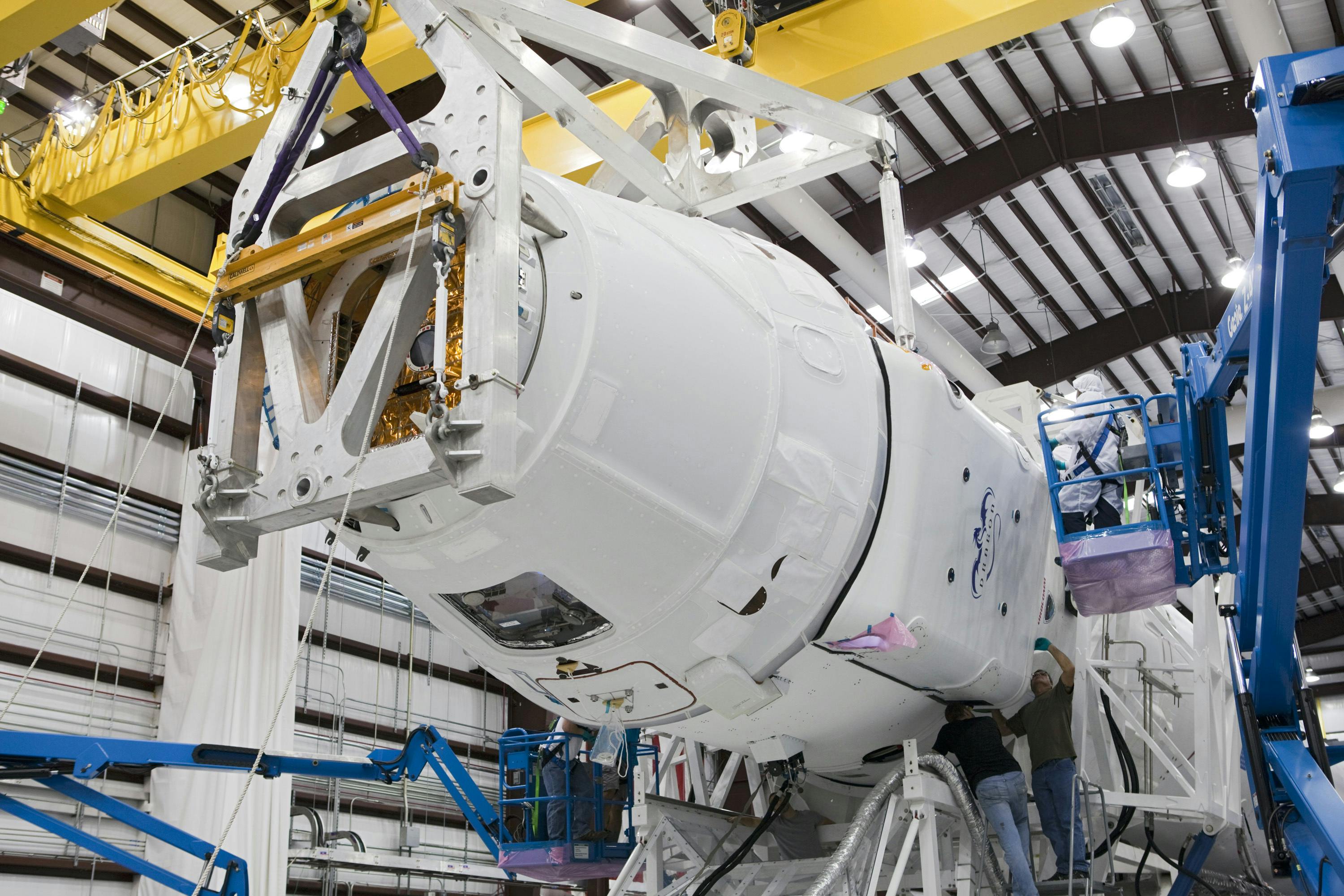
SpaceX marks a milestone with its 250th Starlink mission, continuing to expand its broadband satellite network.

Sixty-three years ago, the Soviet Union selected the world's first female cosmonaut training group, launching a new era in human spaceflight that would transform our understanding of gender equality in space exploration

Today's coverage includes the cancellation of DARPA's DRACO nuclear propulsion project, global shifts in Earth observation strategy, and new developments in satellite technology and military collaborations.

Twelve years ago, South Korea successfully launched a satellite using its own launch vehicle and facilities for the first time, marking a crucial milestone in its journey to space independence
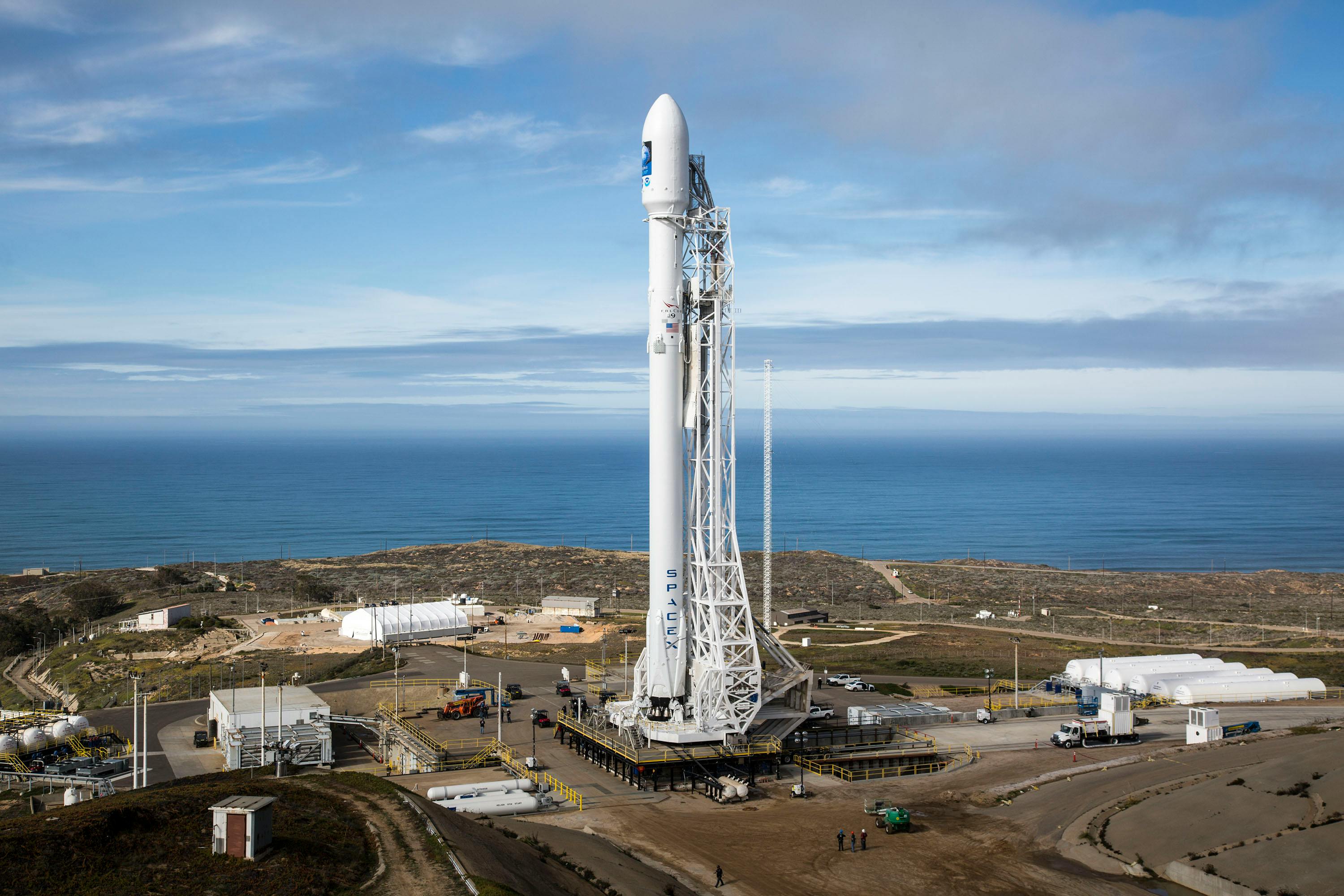
Anticipated NISAR launch now scheduled for March 2025; Rivada persists in broadband constellation quest despite setbacks; SpaceX scrubbed RRT-1 launch holds mystery.
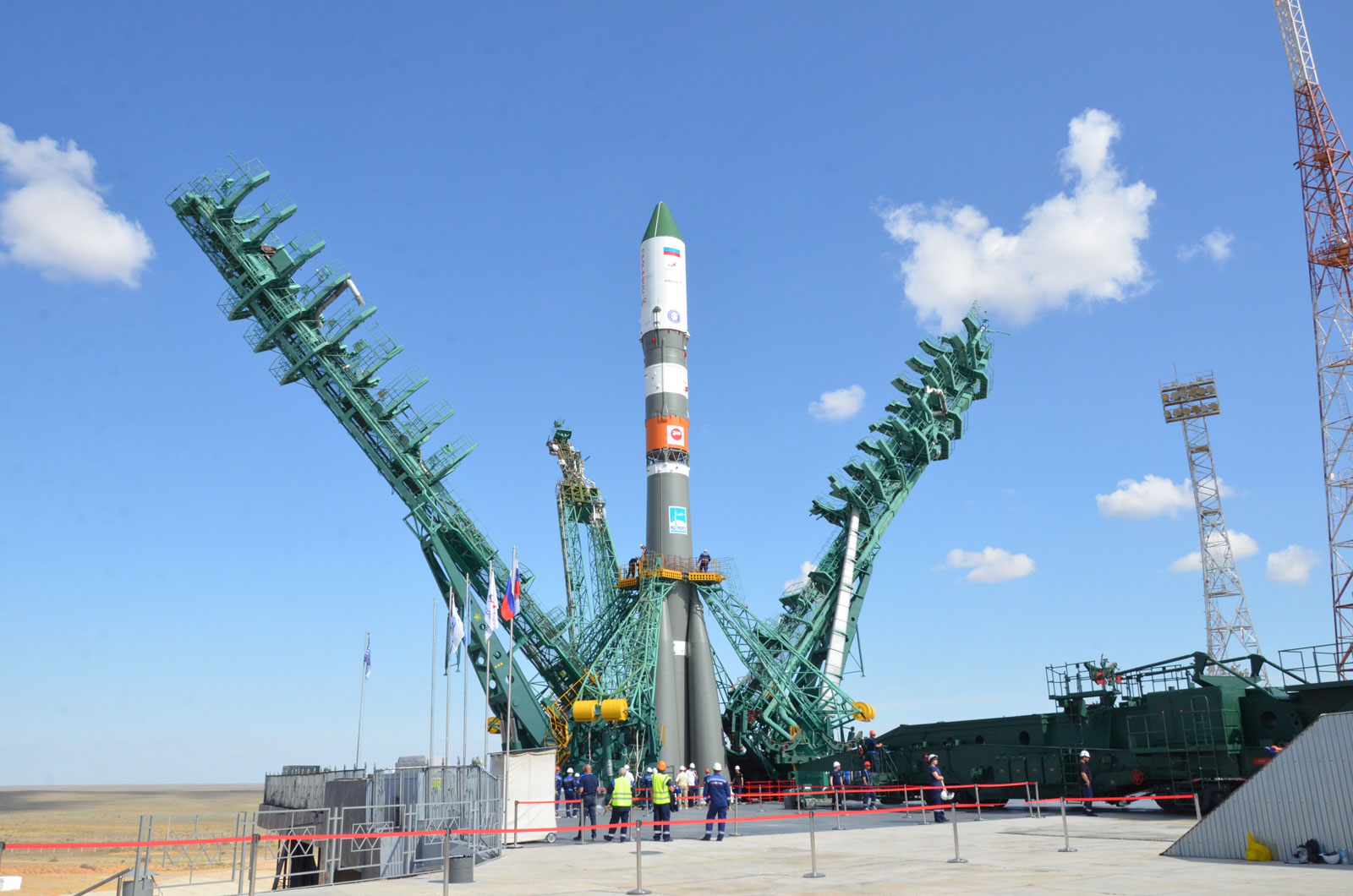
Pentagon increases Golden Dome missile defense budget by $10B to $185B, funding HBTSS hypersonic tracking constellation expansion. Three acceleration priorities announced.

Starship testing progresses at the Cape; Lynk Global secures funding amidst rising satellite competition.