


GPS III SV-10 Moves to Falcon 9 After Vulcan Grounded | KeepTrack X Report
SpaceX claims a 2nd GPS III launch as ULA's Vulcan investigation stalls, while ESA charters a Crew Dragon ISS mission and Starlink hits 30 launches in 2026.



NORAD ID
55770
International Designator
2023-028AF
Epoch
Sun, 19 Jul 2026 11:35:07 GMT
Apogee
Calculating...
Perigee
Calculating...
Inclination
70.00°
Right Ascension
252.19°
Eccentricity
Calculating...
Argument of Perigee
260.85°
Period
96.11 min
Mean Motion
14.98 rev/day
Latitude
Calculating...
Longitude
Calculating...
Altitude
Calculating...
Velocity
Calculating...
Name
STARLINK-5557
Alternative Name
Starlink 5557
Type
Status
Owner
SPXS
Country
United States
Constellation
N/A
Related Satellites
Major Events
N/A
1 55770U 23028AF 26200.48272778 -.00000006 00000+0 73388-5 0 9994
2 55770 69.9984 252.1905 0003458 260.8500 99.2268 14.98328011186273
Source: Celestrak
Length
0.2
Diameter
2.8
Span
9
Dry Mass
290
Launch Mass
305
Shape
Box + pan
Radar Cross Section
Unknown
Visual Magnitude
Unknown
Color
Unknown
Material Composition
Unknown
Payload
Starlink Group 2-7-30
Purpose
Communication
Mission
Communication
Manufacturer
SPXS
Life Expectancy
Unknown
Bus
Starlink
Configuration
Unknown
Motor
Krypton ion thrusters
Equipment
Ku/Ka-band payload, optical inter-satellite link
Power System
Solar arrays, batteries
ADCS
Unknown
Transmitter Frequency
Unknown
Learn more about satellites and other related topics.
SpaceX claims a 2nd GPS III launch as ULA's Vulcan investigation stalls, while ESA charters a Crew Dragon ISS mission and Starlink hits 30 launches in 2026.
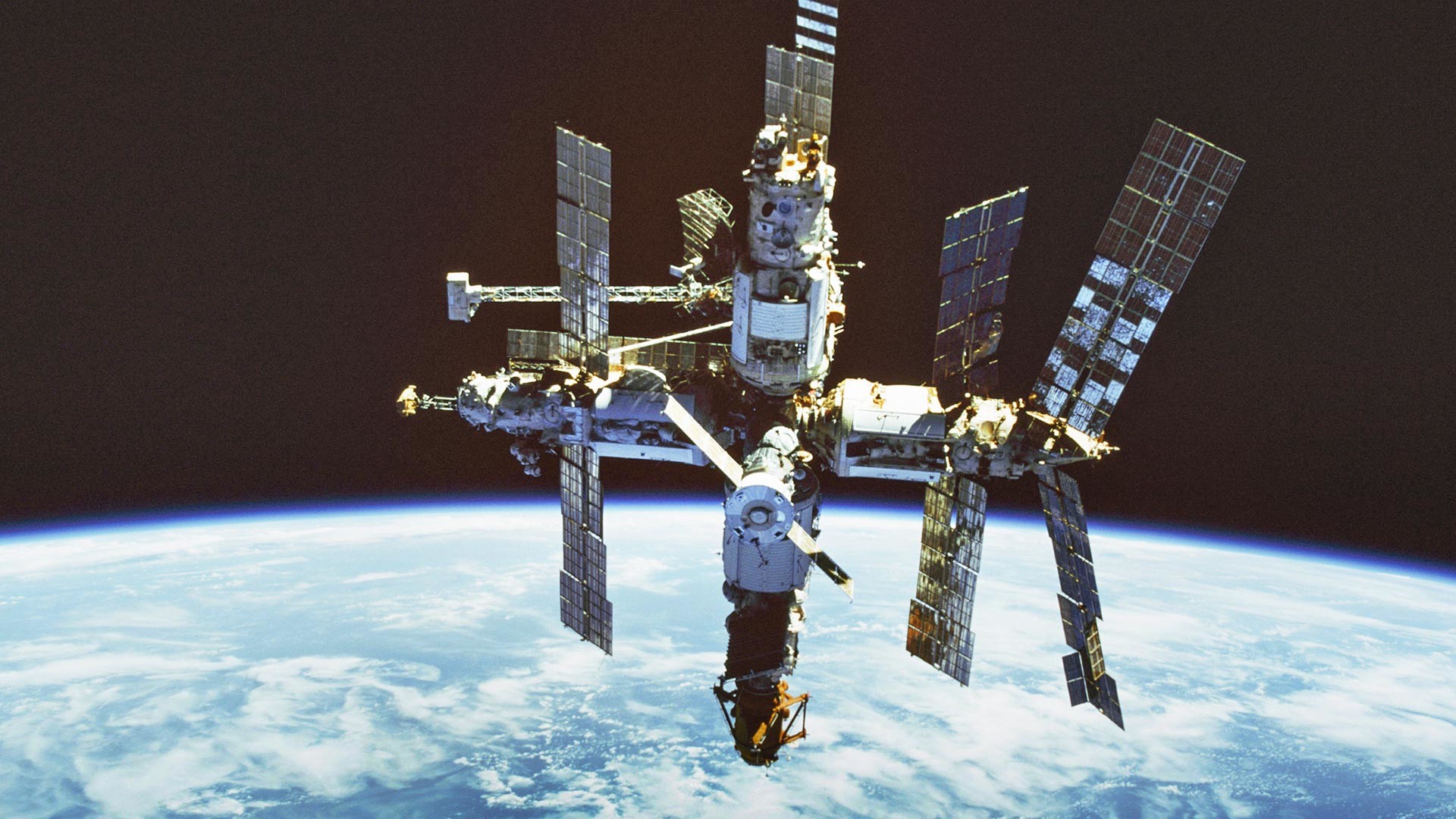
Forty years ago today, the USSR launched a 20-ton aluminum cylinder into low Earth orbit and called it 'Peace.' Over the next 15 years, Mir would host 104 people from 12 countries, survive a fire and a collision, and quietly teach humanity how to live in space.
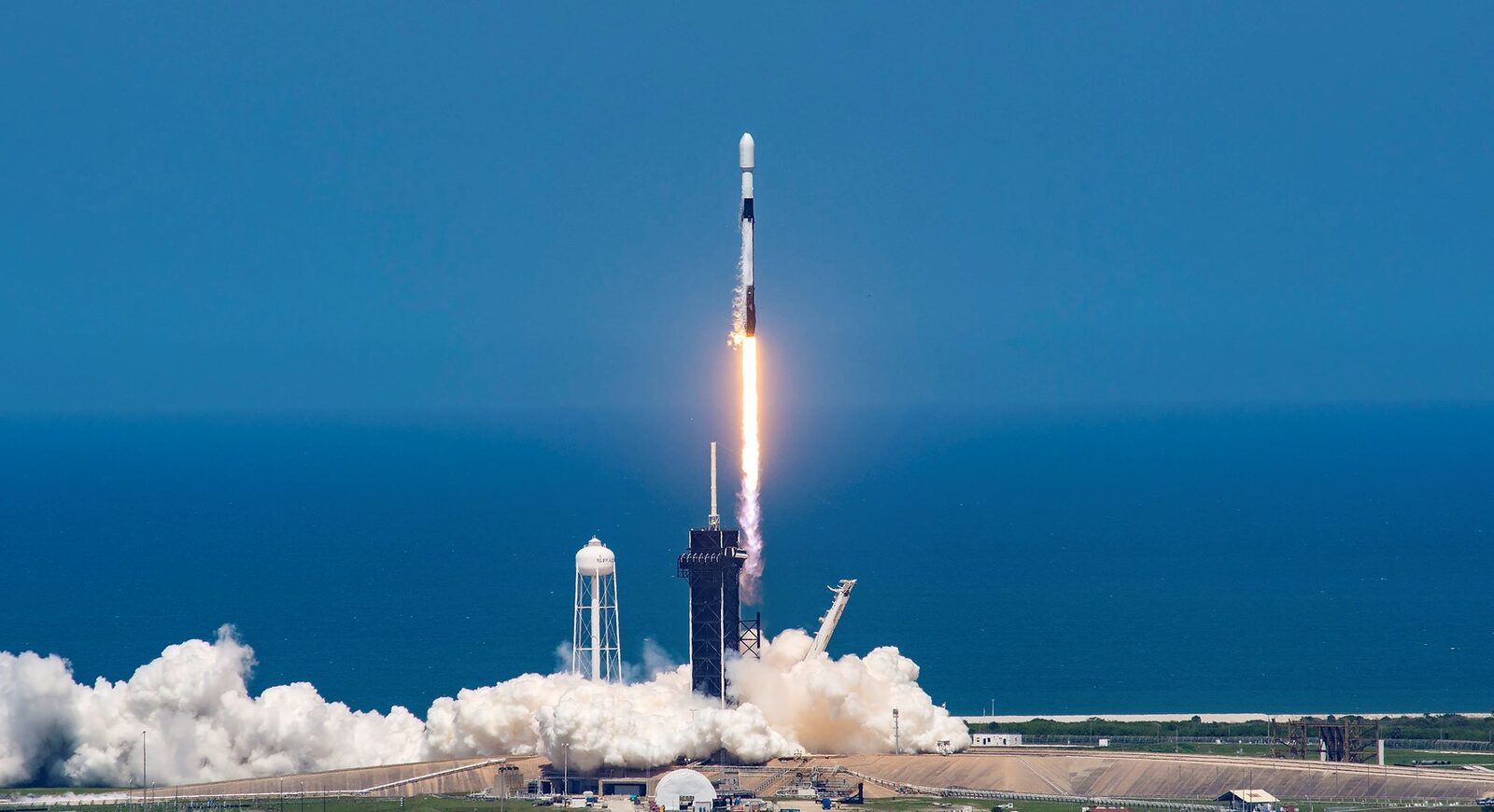
This week: China's Long March 10B debuted successfully, SpaceX merged with xAI, and Starlink topped 10,775 satellites in orbit.
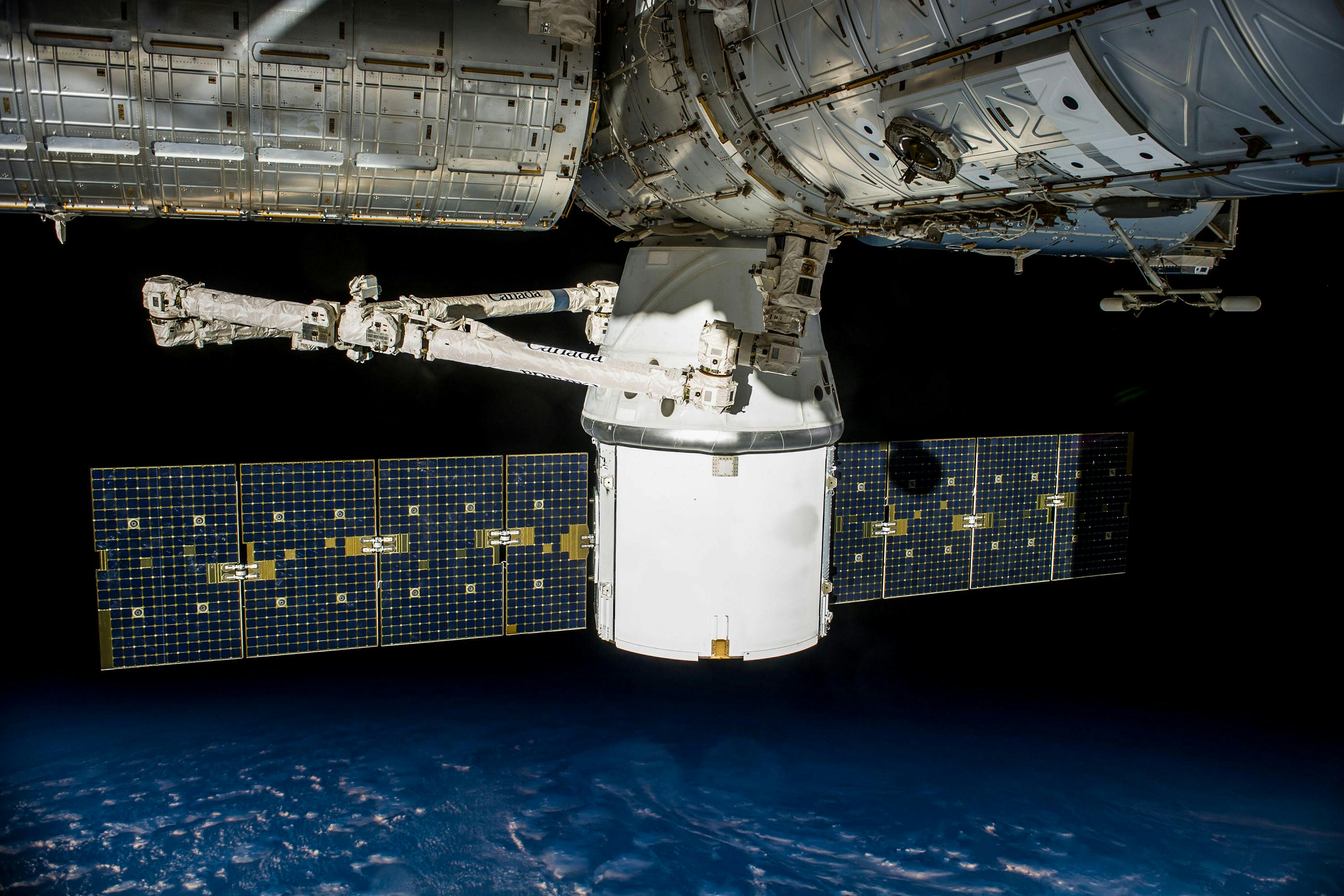
SpaceX celebrates a year of industry milestones, including the successful deployment of Starlink satellites and innovative advancements in rocket technology.

Pentagon's $50B Iran supplemental request signals major investment in missile defense and ISR satellites. Amazon reshuffles LEO government leadership amid Kuiper competition.

Notable space events as the year closes: China's record orbital launches, Vandenberg's new launch site, Rocket Lab's achievements, and urgent MAVEN recovery efforts.

SpaceX secures environmental approval for Starship launches at SLC-37 while Castelion, a company founded by SpaceX veterans, raises $350 million for hypersonic missile production.

SpaceX successfully launched the U.S. Space Force's eighth X-37B spaceplane mission while preparing for an upcoming Starship launch. Meanwhile, the company continues to expand its Starlink satellite constellation.