


X Report 13 May 2025
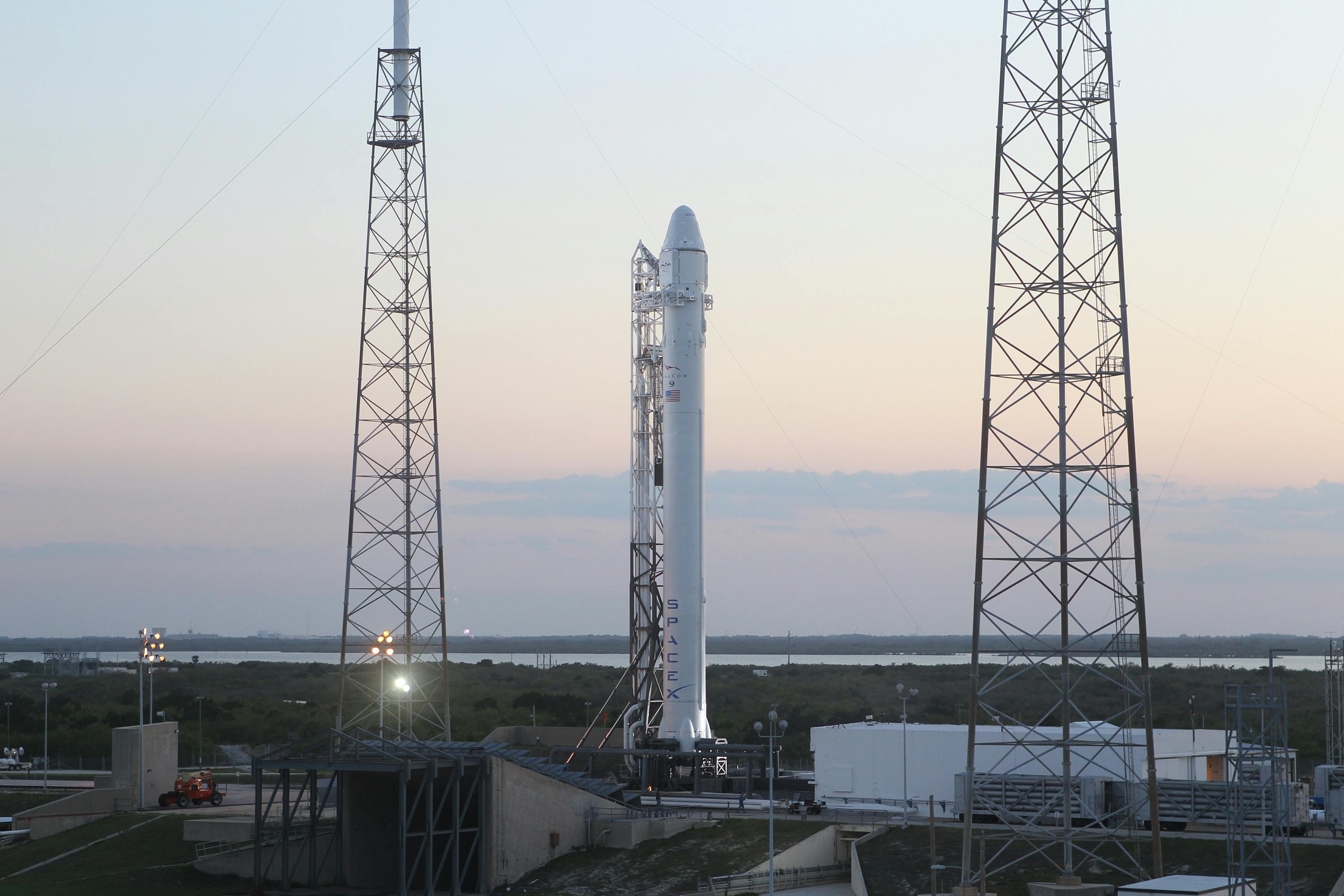
SpaceX continues to expand its Starlink network with multiple launches and gains momentum in international markets, while revisiting launch tariffs and new regulations.



NORAD ID
55638
International Designator
2023-021L
Epoch
Sun, 19 Jul 2026 12:04:49 GMT
Apogee
Calculating...
Perigee
Calculating...
Inclination
70.00°
Right Ascension
232.06°
Eccentricity
Calculating...
Argument of Perigee
267.11°
Period
96.11 min
Mean Motion
14.98 rev/day
Latitude
Calculating...
Longitude
Calculating...
Altitude
Calculating...
Velocity
Calculating...
Name
STARLINK-5507
Alternative Name
Starlink 5507
Type
Status
Owner
SPXS
Country
United States
Constellation
N/A
Related Satellites
Major Events
N/A
1 55638U 23021L 26200.50335093 .00000282 00000+0 31444-4 0 9994
2 55638 69.9981 232.0626 0003851 267.1082 92.9636 14.98330925188045
Source: Celestrak
Length
0.2
Diameter
2.8
Span
9
Dry Mass
290
Launch Mass
305
Shape
Box + pan
Radar Cross Section
Unknown
Visual Magnitude
Unknown
Color
Unknown
Material Composition
Unknown
Payload
Starlink Group 2-5-11
Purpose
Communication
Mission
Communication
Manufacturer
SPXS
Life Expectancy
Unknown
Bus
Starlink
Configuration
Unknown
Motor
Krypton ion thrusters
Equipment
Ku/Ka-band payload, optical inter-satellite link
Power System
Solar arrays, batteries
ADCS
Unknown
Transmitter Frequency
Unknown
Learn more about satellites and other related topics.
SpaceX continues to expand its Starlink network with multiple launches and gains momentum in international markets, while revisiting launch tariffs and new regulations.

SpaceX gears up for a Starlink launch from Florida amid ongoing space policy discussions. A closer look at the OneWeb satellite series in our Satellite Spotlight.
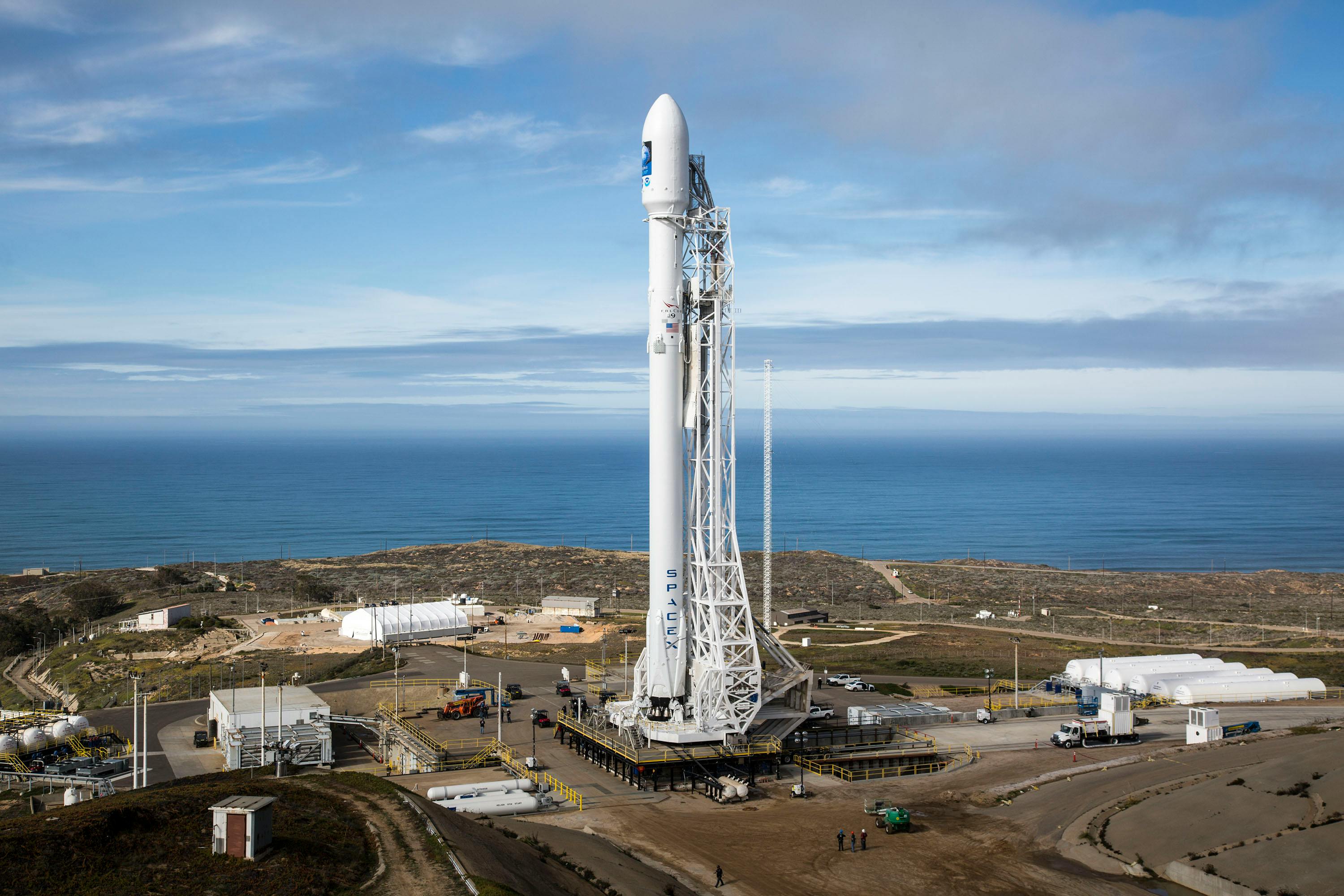
Starlink satellite count for April 2026: 10,177 in orbit, 10,168 working from 11,724 launched. No new anomalies, four reentries expected Apr 5-7.
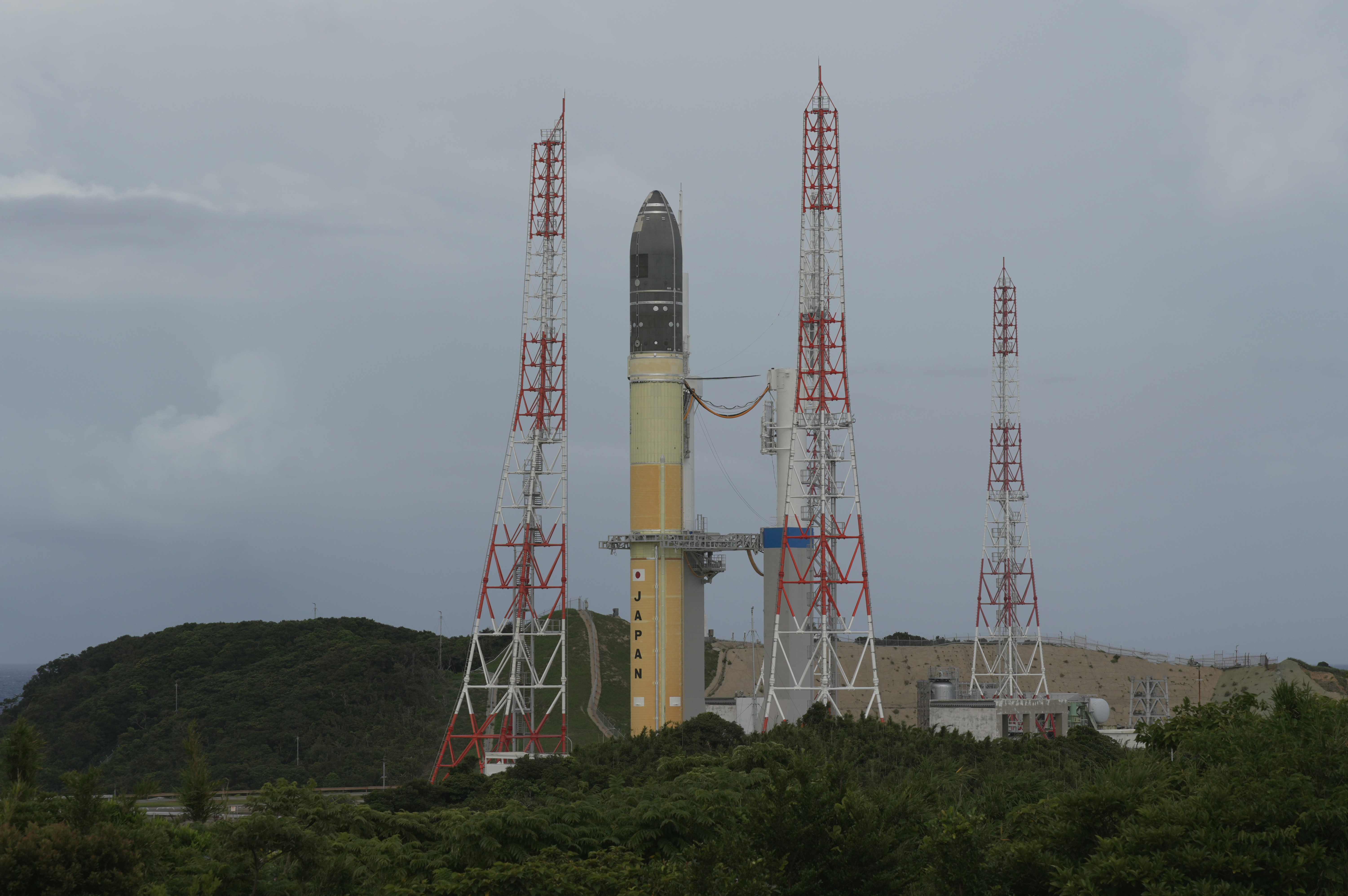
NASA demands Blue Origin find alternate launcher for Artemis moon landers after New Glenn test explosion damaged Cape Canaveral LC-36. Schedule risk to lunar missions.

Explore the latest advancements in satellite technology, military satellite applications, and collaborative efforts in hypersonic vehicle tracking. Discover the transformative power of new deals shaping global communication networks.

A recap of notable space events including the Soyuz MS-26 launch to the ISS, Polaris Dawn's altitude achievement, and satellite tracking updates.

Falcon 9 successfully deployed NROL-72 for National Reconnaissance Office's 13th proliferated architecture mission. Low-Earth orbit intelligence constellation expanding since 2021.

Falcon Heavy flew for the first time in eighteen months on April 29, 2026, expending its center core to push Viasat's final ViaSat-3 satellite toward geostationary orbit. The mission is a flagship rocket doing what only it can still do, for an operator betting six tons of high-throughput hardware on a market Starlink is rapidly redefining.