STARLINK-5755 (55600)

COSPAR: 2023-020AH | Alt Name: Starlink 5755

Image
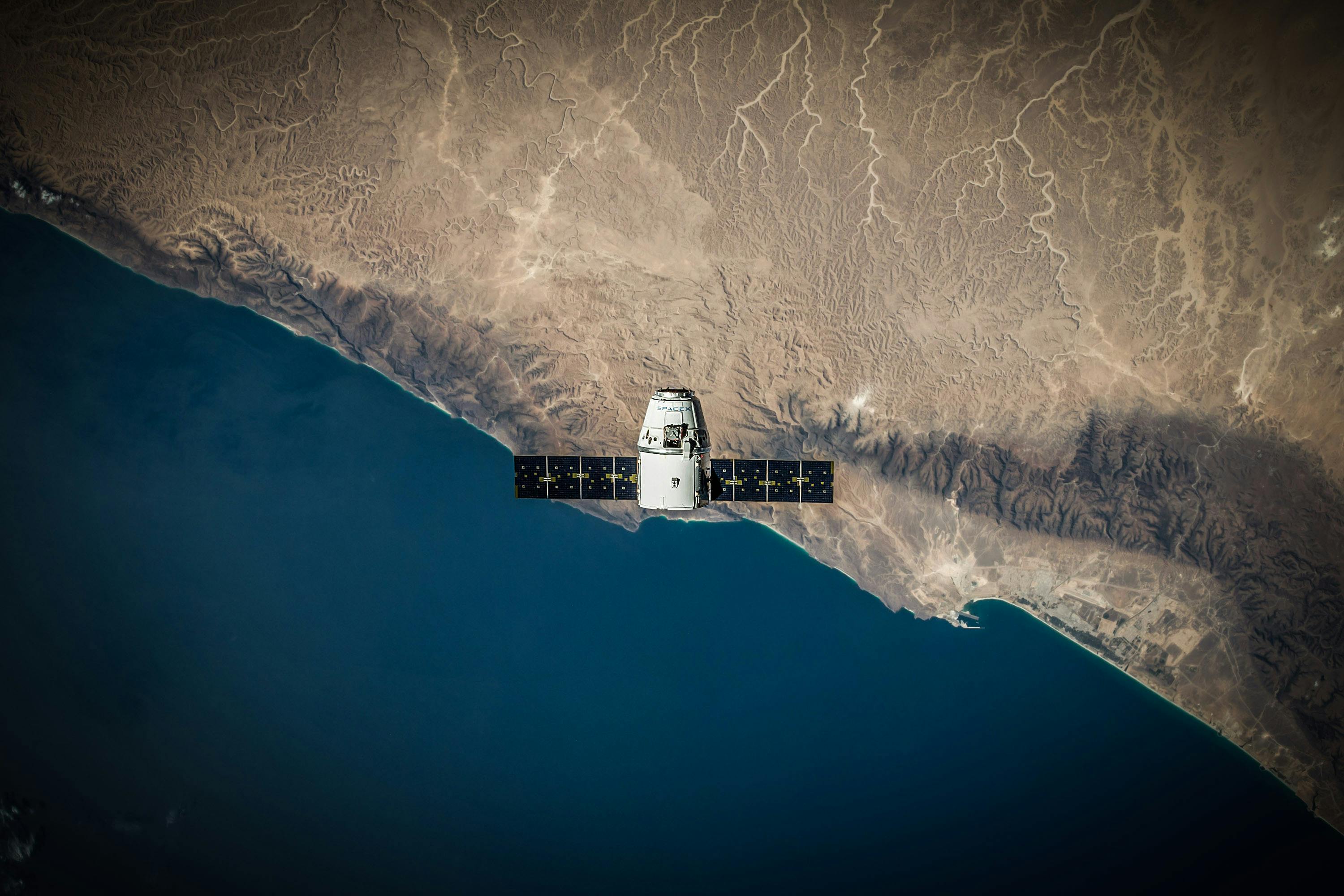
STARLINK-5755 Satellite Image
Additional Sources
Launch Details

Launch Date

February 12, 2023

Launch Pad

LC40

Launch Vehicle

Falcon 9

Orbital Elements

NORAD ID

55600

International Designator

2023-020AH

Epoch

Sun, 19 Jul 2026 15:48:38 GMT

Apogee

Calculating...

Perigee

Calculating...

Inclination

43.00°

Right Ascension

328.82°

Eccentricity

Calculating...

Argument of Perigee

271.09°

Period

94.27 min

Mean Motion

15.28 rev/day

Latitude

Calculating...

Longitude

Calculating...

Altitude

Calculating...

Velocity

Calculating...

Polar Plot
3D Visualization
Basic Satellite Info

Name

STARLINK-5755

Alternative Name

Starlink 5755

Type

Payload

Status

Operational

Owner

SPXS

Country

United States

Constellation

N/A

Related Satellites

Major Events

N/A

Latest TLEs
1 55600U 23020AH  26200.65878412  .00003691  00000+0  14350-3 0  9998
2 55600  43.0046 328.8213 0001661 271.0920  88.9741 15.27598157189226

Source: Celestrak

Summary
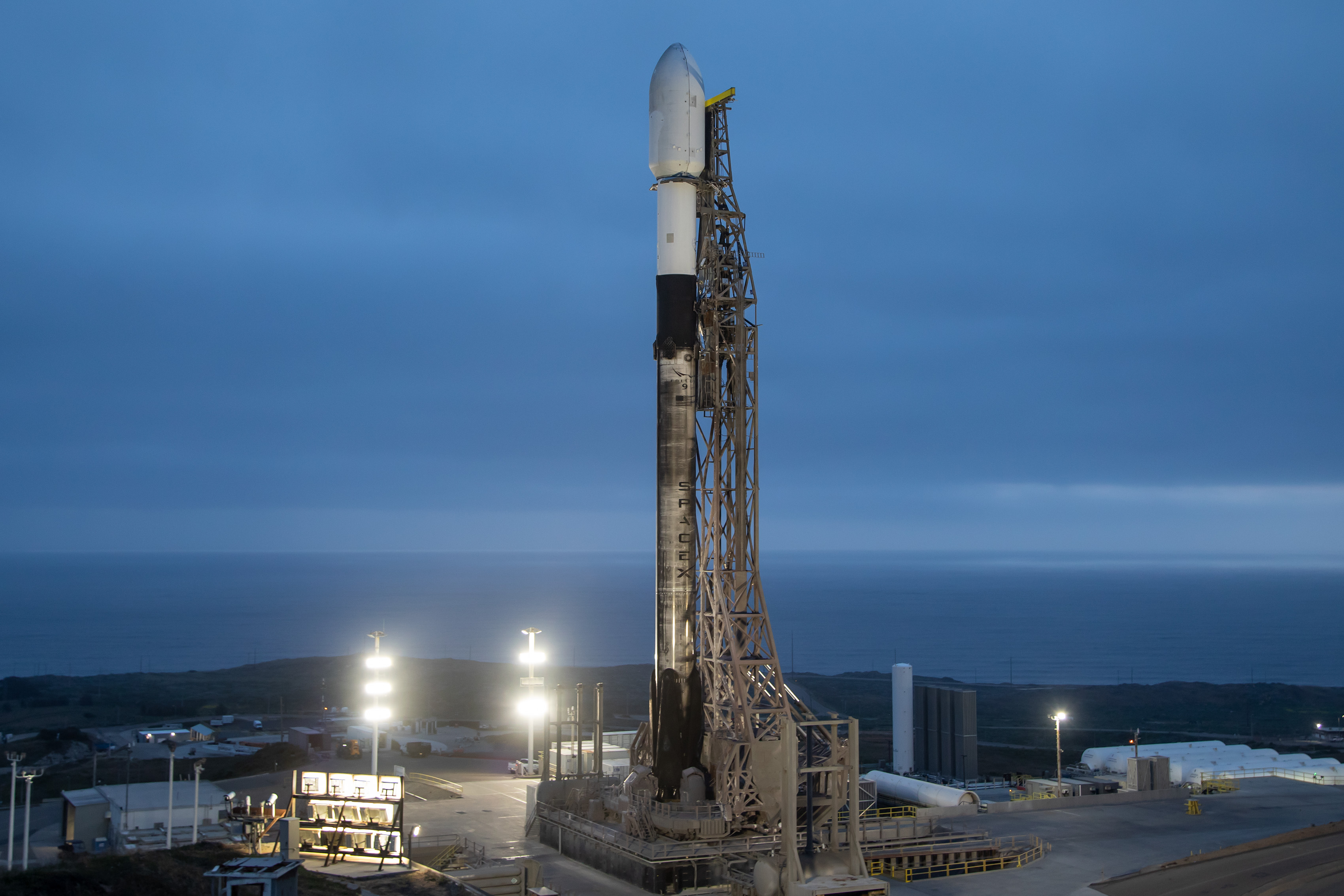
The STARLINK-5755 satellite, also known as Starlink 5755, is a communication satellite owned and operated by SpaceX (SPXS). It was launched on February 12, 2023, from Cape Canaveral Air Force Station's LC40 using the Falcon 9 launch vehicle. The satellite has dimensions of 0.2 meters in length and 2.8 meters in diameter with a span of 9 meters. Its dry mass is 290 kilograms, and it was launched with a total mass of 305 kilograms. Equipped with Ku/Ka-band payload and an optical inter-satellite link, it utilizes krypton ion thrusters for propulsion and solar arrays along with batteries for power. The satellite's shape is described as "Box + pan." It belongs to the Starlink Group 5-4-32 constellation and serves a communication mission.

Starlink is a satellite constellation developed by SpaceX with the aim of providing global broadband internet coverage. Thousands of small satellites are deployed in low Earth orbit (LEO), enabling high-speed internet access even in remote areas. However, the rapid increase in satellites raises concerns about space debris and the potential for collisions, which can lead to further debris creation and endanger other spacecraft. Additionally, the sheer number of Starlink satellites can affect astronomical observations by increasing light pollution. Proper deorbiting plans and international coordination are essential to mitigate these challenges and ensure long-term sustainability in space.
Physical Characteristics

Length

0.2

Diameter

2.8

Span

9

Dry Mass

290

Launch Mass

305

Shape

Box + pan

Radar Cross Section

Unknown

Visual Magnitude

Unknown

Color

Unknown

Material Composition

Unknown

Technical Details

Payload

Starlink Group 5-4-32

Purpose

Communication

Mission

Communication

Manufacturer

SPXS

Life Expectancy

Unknown

Bus

Starlink

Configuration

Unknown

Motor

Krypton ion thrusters

Equipment

Ku/Ka-band payload, optical inter-satellite link

Power System

Solar arrays, batteries

ADCS

Unknown

Transmitter Frequency

Unknown

Map
This tool will help you track the satellite's position and predict its upcoming passes over your location. Simply input the coordinates or click the geolocation button to get started.
Next Pass
Azimuth Elevation Time (Local)
Start Azimuth
Max Elevation
Stop Azimuth
Time Until
Pass Duration

Satellite Articles

View All Posts »

Learn more about satellites and other related topics.

Who Owns SpaceX in 2026? Ownership, Valuation, and the Trillion-Dollar IPO

Who Owns SpaceX in 2026? Ownership, Valuation, and the Trillion-Dollar IPO

Elon Musk controls 79% of SpaceX's votes with just 42% of the equity - and the company just merged with his AI startup at a $1.25 trillion valuation. Here's who actually owns what, how the money works, and what a $1.75 trillion IPO means for investors.

Space Brief 7 Nov 2024

Space Brief 7 Nov 2024

Today's Space Brief covers major upcoming launches from SpaceX, US military missile tests, and developments in Virgin Galactic's fleet expansion. Stay informed on key satellite events and launch updates.

Space Brief 28 Aug 2025

Space Brief 28 Aug 2025

Today's briefing covers collaborations enhancing defense capabilities, new satellite technologies entering the market, and strategic shifts in military satellite applications.

Cygnus NG-24 Carries 11,000 lbs to ISS | KeepTrack X Report

Cygnus NG-24 Carries 11,000 lbs to ISS | KeepTrack X Report

SpaceX's Falcon 9 lofts 11,000 lbs aboard Cygnus NG-24 to the ISS as Amazon pushes Leo's commercial debut to mid-2026.

Firefly Alpha Returns to Flight After Anomaly | KeepTrack Space Brief

Firefly Alpha Returns to Flight After Anomaly | KeepTrack Space Brief

Firefly Aerospace launches return-to-flight Firefly Alpha on March 10 after Flight 6 anomaly. SpaceX also launches EchoStar 25 GEO satellite and multiple Starlink batches this week.

How a Parachutist Named Seagull Became the First Woman in Space

How a Parachutist Named Seagull Became the First Woman in Space

On 16 June 1963, a 26-year-old former textile worker named Valentina Tereshkova launched aboard Vostok 6 and spent nearly three days alone in orbit. She flew 48 times around the Earth, longer than every American astronaut combined, and spotted a dangerous flaw in her descent program that ground controllers had missed.

Space Force Deploys Meadowlands Satellite-Jamming System | KeepTrack Space Brief

Space Force Deploys Meadowlands Satellite-Jamming System | KeepTrack Space Brief

U.S. Space Force transitions Meadowlands mobile satellite-jamming platform to operational status. System provides ground forces with electronic warfare capability against adversary satellite links.

Space Brief 9 May 2025

Space Brief 9 May 2025

Today's briefing covers new satellite projects, military tech advancements, and insights into missile defense strategies. Discover partnerships in satellite design and exciting developments in space military technology.