


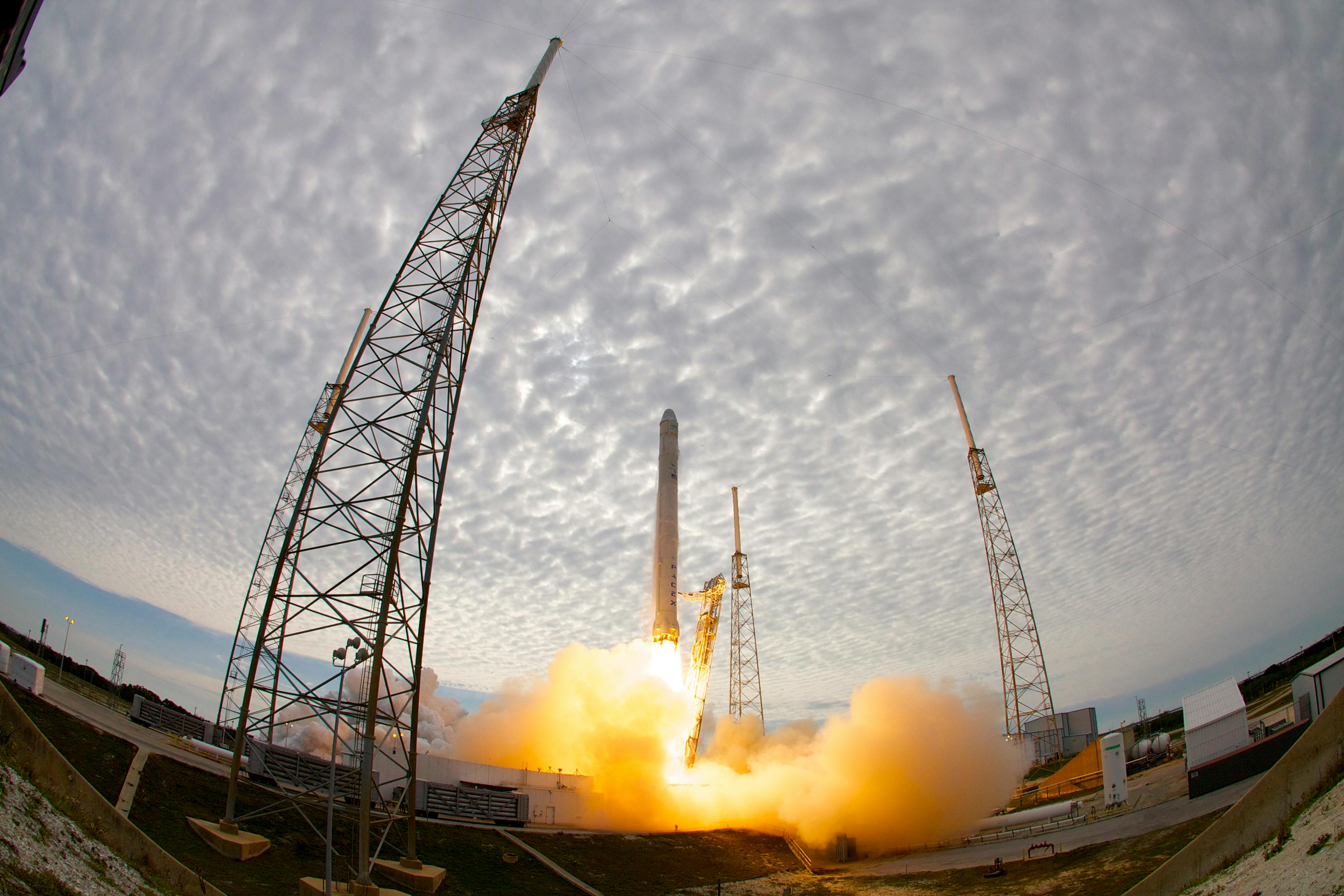
X Report 21 Nov 2025
SpaceX celebrates significant milestones with its 100th launch of the year, enhancing Starlink's coverage while preparing for an escalating Starship production cadence.


Launch Date
October 17, 1971
Launch Site
AFWTR
Launch Pad
SLC1W
Launch Vehicle
Thorad SLV-2G Agena D
NORAD ID
05560
International Designator
1971-089A
Epoch
Sat, 04 Jul 2026 05:53:46 GMT
Apogee
Calculating...
Perigee
Calculating...
Inclination
92.70°
Right Ascension
189.35°
Eccentricity
Calculating...
Argument of Perigee
55.99°
Period
99.25 min
Mean Motion
14.51 rev/day
Latitude
Calculating...
Longitude
Calculating...
Altitude
Calculating...
Velocity
Calculating...
Name
ASTEX 1
Alternative Name
P71-2
Type
Status
Owner
STP
Country
United States
Constellation
N/A
Related Satellites
Major Events
N/A
1 05560U 71089A 26185.24567233 .00000539 00000-0 13671-3 0 9993
2 05560 92.7000 189.3494 0017527 55.9914 304.2954 14.50865568879200
Source: Celestrak
Apologies, there is no summary for this satellite yet. I am working to generate these for every object in the catalog, but it is going to take time.
Length
8
Diameter
1.5
Span
11.3
Dry Mass
800
Launch Mass
800
Shape
Cyl + Pan
Radar Cross Section
8.152
Visual Magnitude
Unknown
Color
Unknown
Material Composition
Unknown
Payload
STP P71-2
Purpose
Technology
Mission
Technology
Manufacturer
LMSC
Life Expectancy
Unknown
Bus
ASTEX
Configuration
Agena-D with instruments
Motor
?
Equipment
?
Power System
Deployable solar array, batteries
ADCS
Unknown
Transmitter Frequency
Unknown
Learn more about satellites and other related topics.
SpaceX celebrates significant milestones with its 100th launch of the year, enhancing Starlink's coverage while preparing for an escalating Starship production cadence.
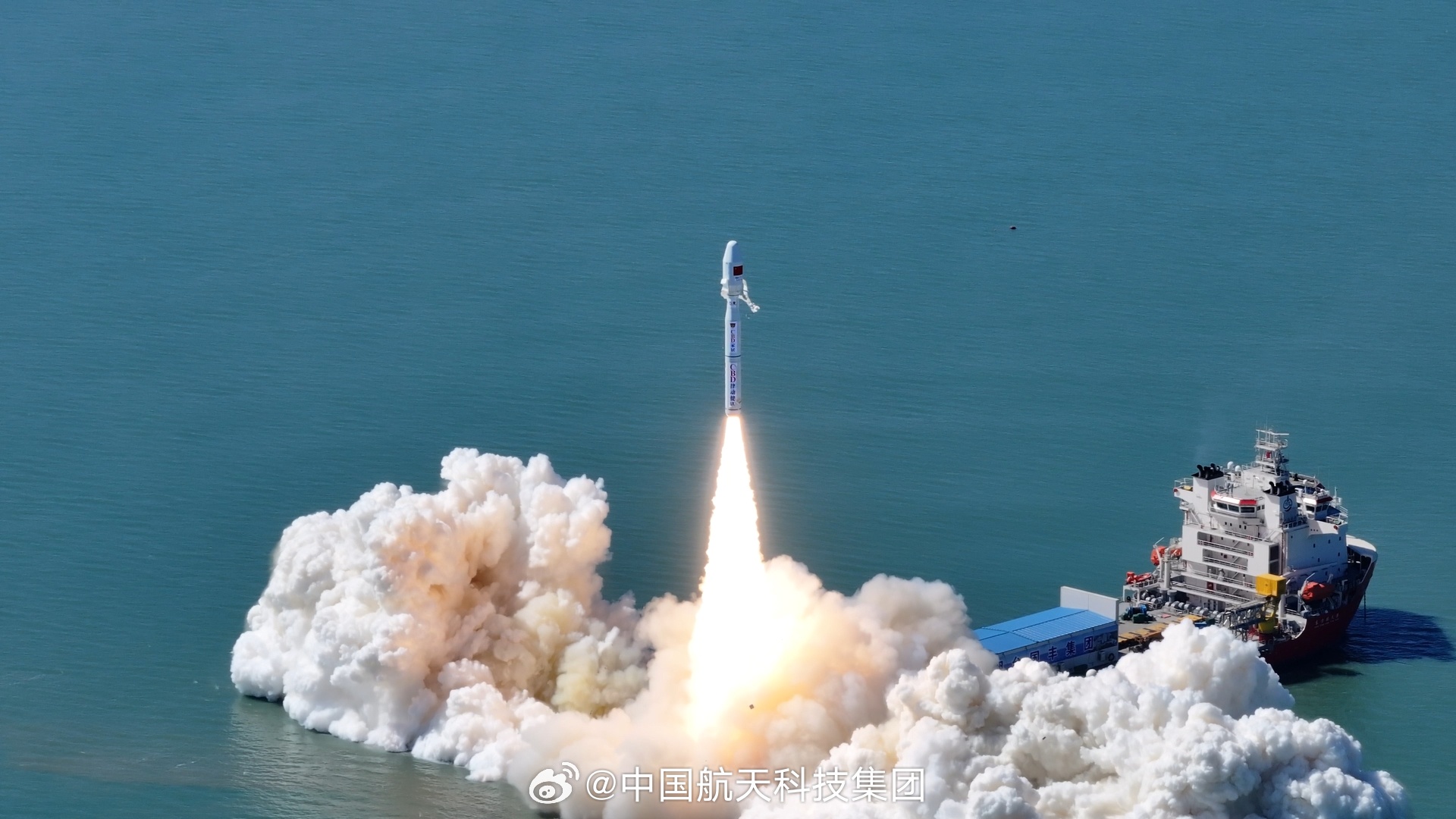
Artemis 2 splashdown marks first crewed lunar flyby since Apollo 17 in 1972. Four astronauts completed historic mission, validating systems for Artemis 3 landing attempt.
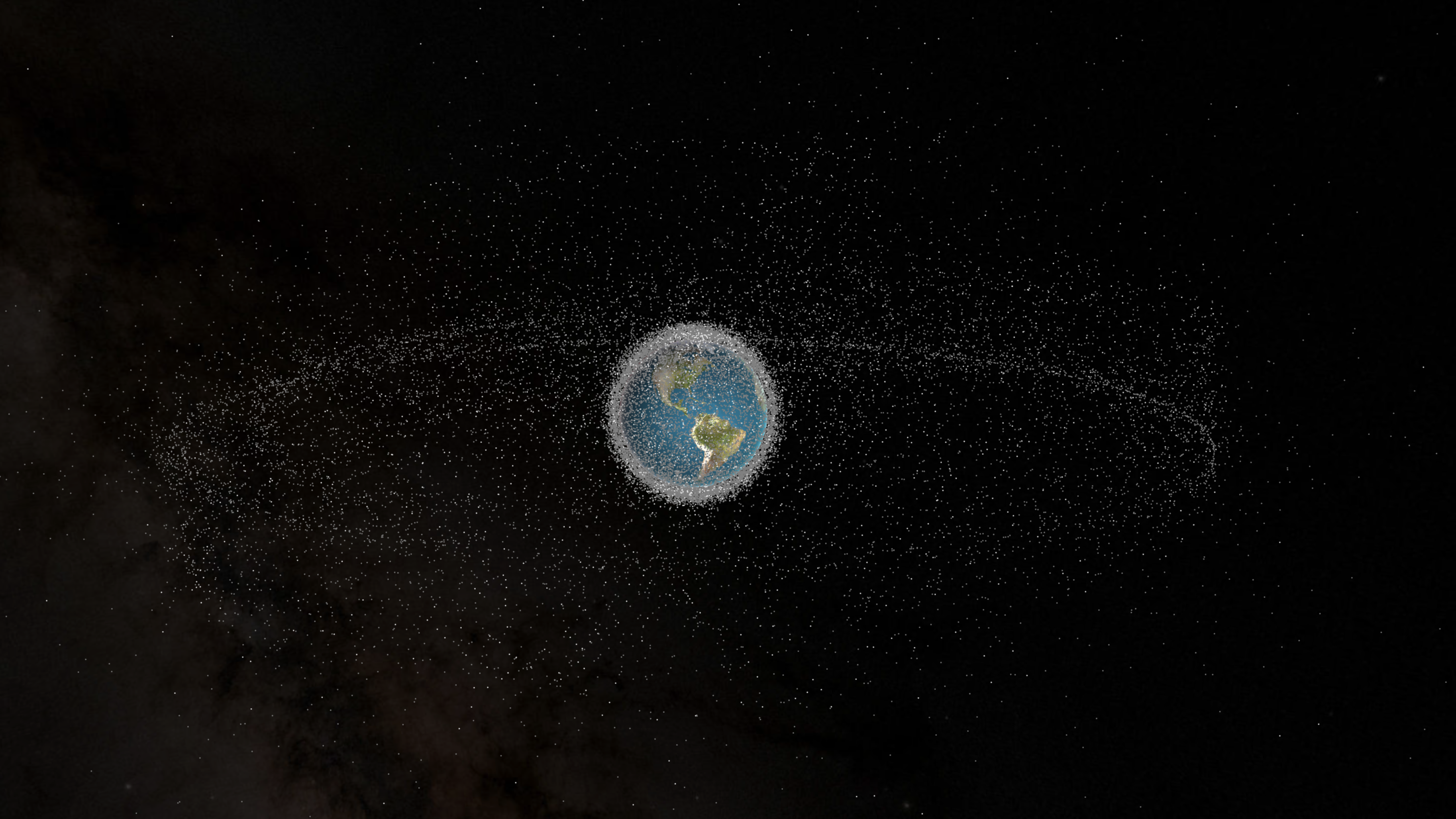
From shattered satellites to exploded rocket stages, space debris poses a growing risk to satellites, space stations, and astronauts. Here's a deep dive into what causes space debris, notable generating events, and what we're doing about it.

SpaceX launches diabetes research mission to ISS; EU considers SES for Starlink support; Amazon's Kuiper enters satellite race.

SpaceX's rapid advancements continued this weekend with two consecutive Starlink missions and preparations for the upcoming Crew-11 launch, showcasing its efficiency and commitment to expanding satellite broadband coverage.
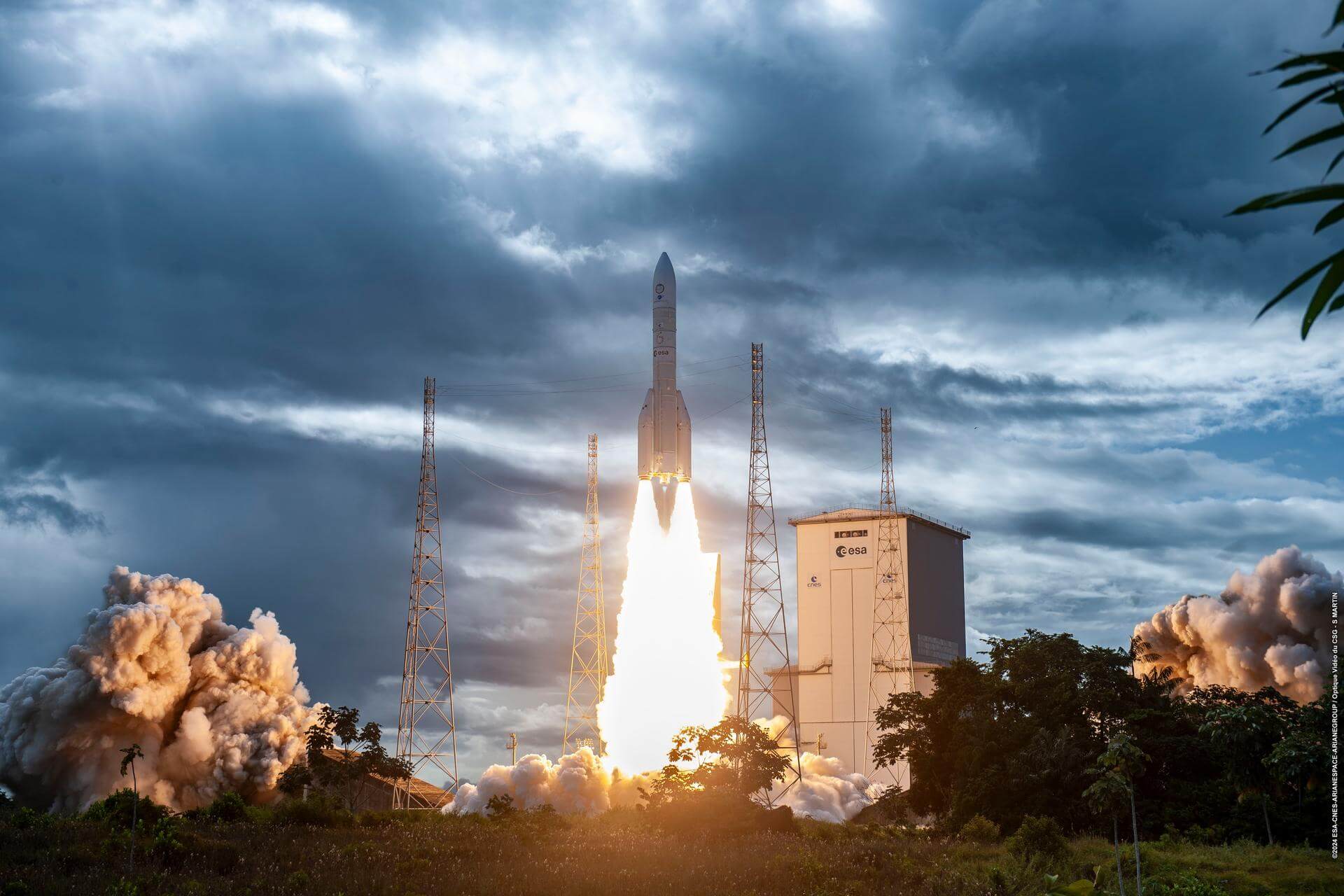
Highlights include US military astronaut rescue drills, China's commercial involvement in lunar missions, ESA's budget proposals, global opposition to space advertising, and NASA lunar landers.

Forty-one years ago, astronaut Bruce McCandless II became the first human to float completely free in space, pushing the boundaries of both technology and human courage
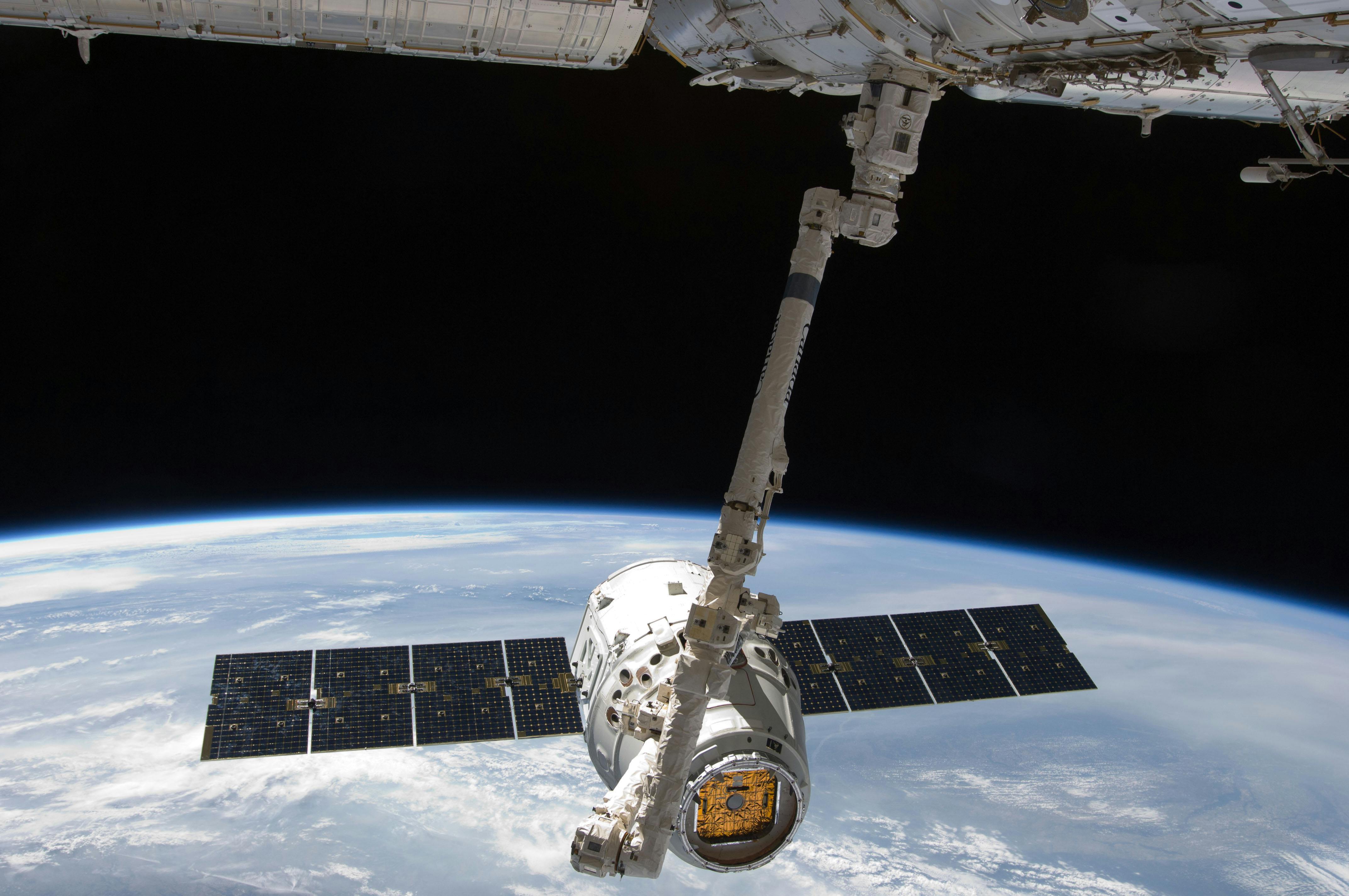
SpaceX achieves significant milestones with the launch of new Starlink satellites and the production of its 10 millionth Starlink kit amidst ongoing challenges with space station delays.