


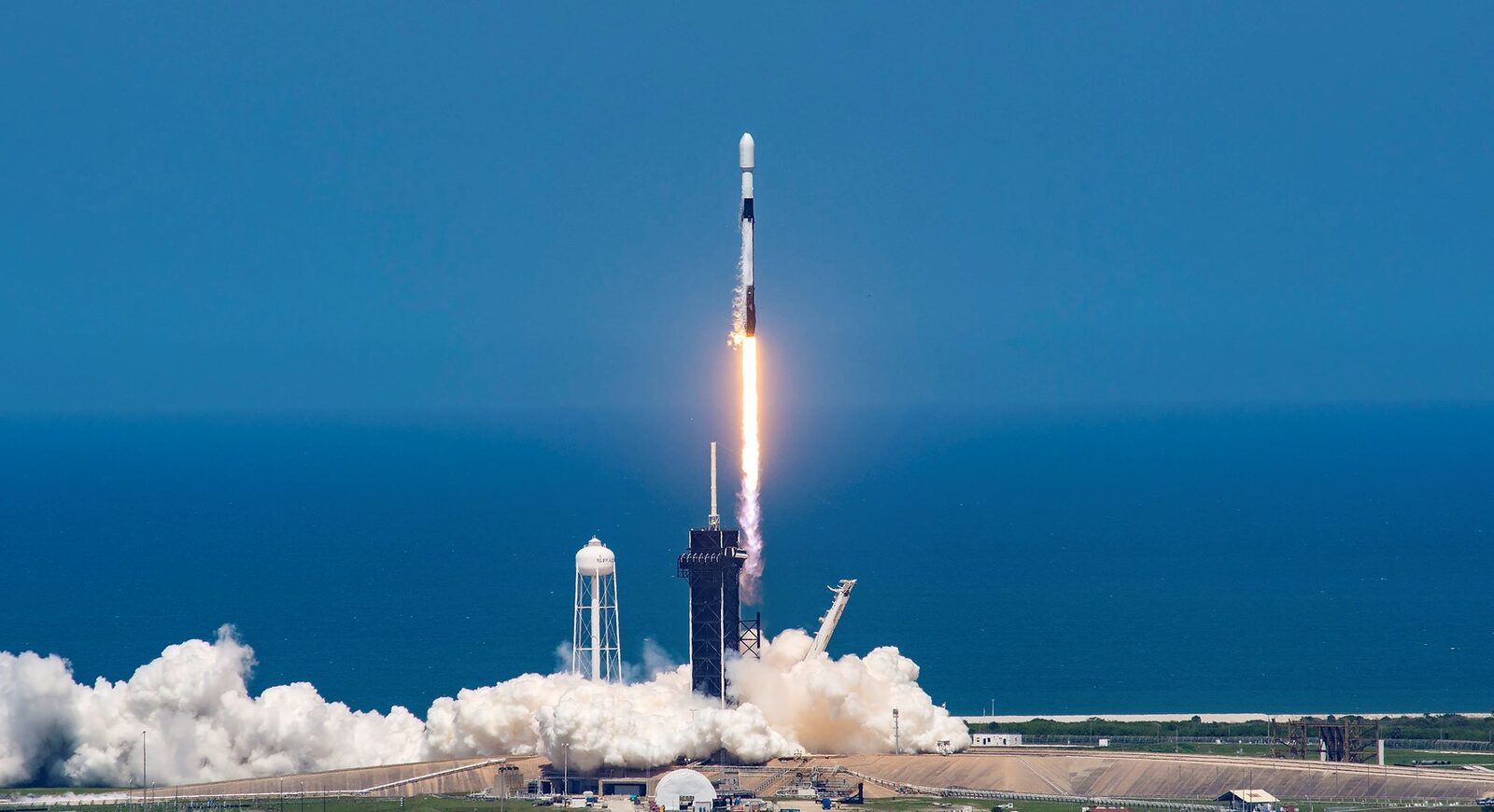
Skyroot's Vikram-1 Reaches Orbit, Breaks Indian Launch Monopoly, Space Brief 18 Jul 2026
Skyroot Aerospace's Vikram-1 rocket achieved orbit on July 18, becoming the first Indian commercial rocket to do so and breaking ISRO's launch monopoly.



Launch Date
February 12, 2023
Launch Site
Launch Pad
LC40
Launch Vehicle
NORAD ID
55573
International Designator
2023-020E
Epoch
Sun, 19 Jul 2026 18:26:39 GMT
Apogee
Calculating...
Perigee
Calculating...
Inclination
43.00°
Right Ascension
342.61°
Eccentricity
Calculating...
Argument of Perigee
270.54°
Period
94.27 min
Mean Motion
15.28 rev/day
Latitude
Calculating...
Longitude
Calculating...
Altitude
Calculating...
Velocity
Calculating...
Name
STARLINK-5738
Alternative Name
Starlink 5738
Type
Status
Owner
SPXS
Country
United States
Constellation
N/A
Related Satellites
Major Events
N/A
1 55573U 23020E 26200.76851828 .00000305 00000+0 20616-4 0 9993
2 55573 43.0044 342.6110 0001246 270.5397 89.5312 15.27574232189076
Source: Celestrak
Length
0.2
Diameter
2.8
Span
9
Dry Mass
290
Launch Mass
305
Shape
Box + pan
Radar Cross Section
Unknown
Visual Magnitude
Unknown
Color
Unknown
Material Composition
Unknown
Payload
Starlink Group 5-4-05
Purpose
Communication
Mission
Communication
Manufacturer
SPXS
Life Expectancy
Unknown
Bus
Starlink
Configuration
Unknown
Motor
Krypton ion thrusters
Equipment
Ku/Ka-band payload, optical inter-satellite link
Power System
Solar arrays, batteries
ADCS
Unknown
Transmitter Frequency
Unknown
Learn more about satellites and other related topics.
Skyroot Aerospace's Vikram-1 rocket achieved orbit on July 18, becoming the first Indian commercial rocket to do so and breaking ISRO's launch monopoly.

Astroscale selects Isar Aerospace to launch ELSA-M, a commercial deorbit mission targeting defunct satellites in LEO. Over 20,000 trackable debris objects now in orbit.

Today's highlights include ExoMars' successful parachute test, developments in military satellite systems, and leadership changes at NASA Goddard.
Today's brief highlights a landmark cooperation between NASA and China to prevent satellite collision, strategic steps in American space leadership through nuclear energy, a U.S. military missile test, and more.
Today's Space Brief covers the Space Force's AI integration, NASA's lunar nuclear reactor plans, ESA's Flight Ticket Initiative, Martian mantle revelations, and SpaceX's latest Starlink launch.
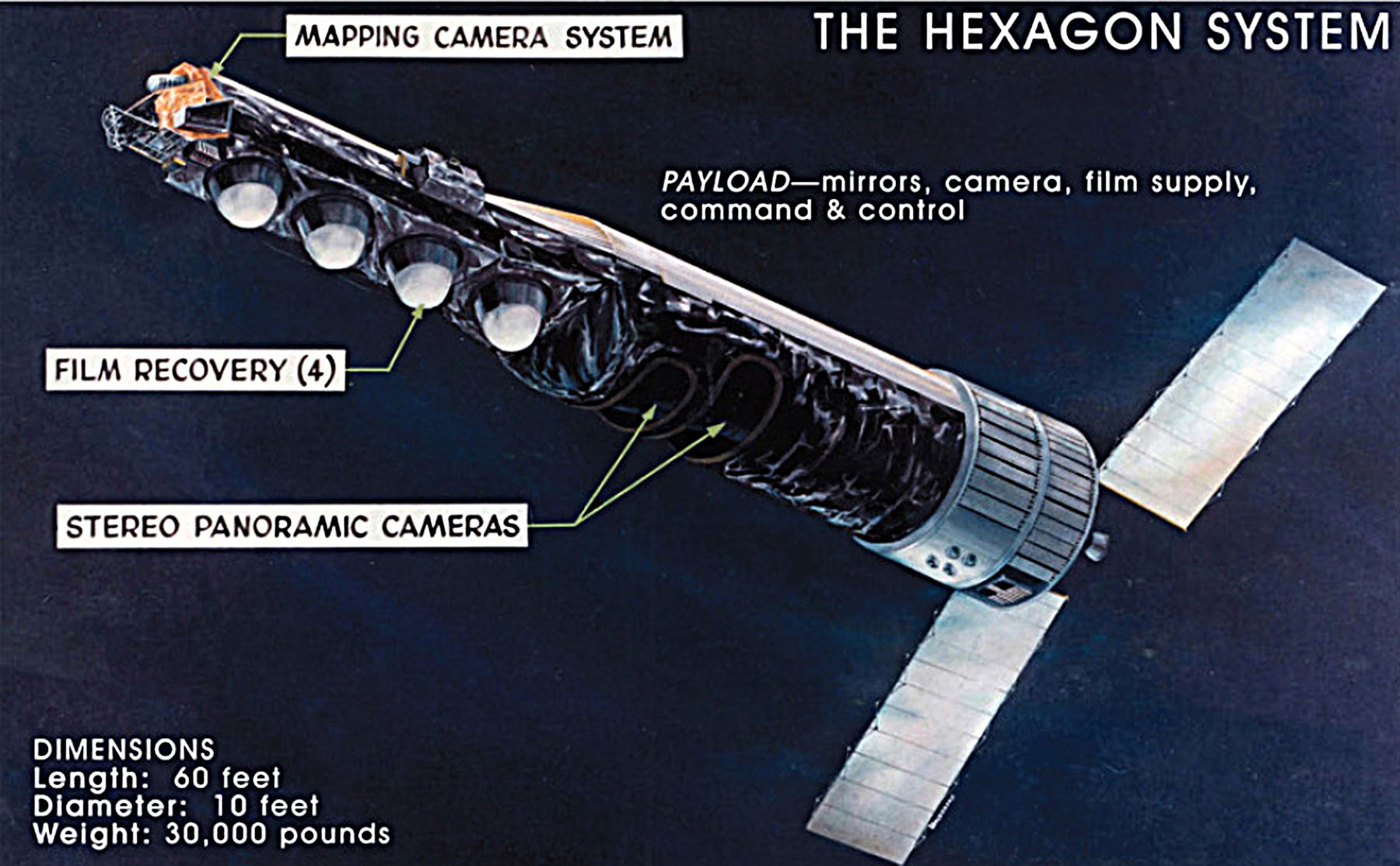
On January 20, 1972, the second KH-9 HEXAGON lifted off from Vandenberg - carrying the most sophisticated reconnaissance system ever built by engineers who weren't allowed to say 'film,' 'camera,' or even talk to each other about what they were doing.

Canada's sovereign space access finally has a construction site. How NordSpace is building the Atlantic Spaceport Complex in Newfoundland - and what the scrubbed Taiga launch reveals about the path to orbit.
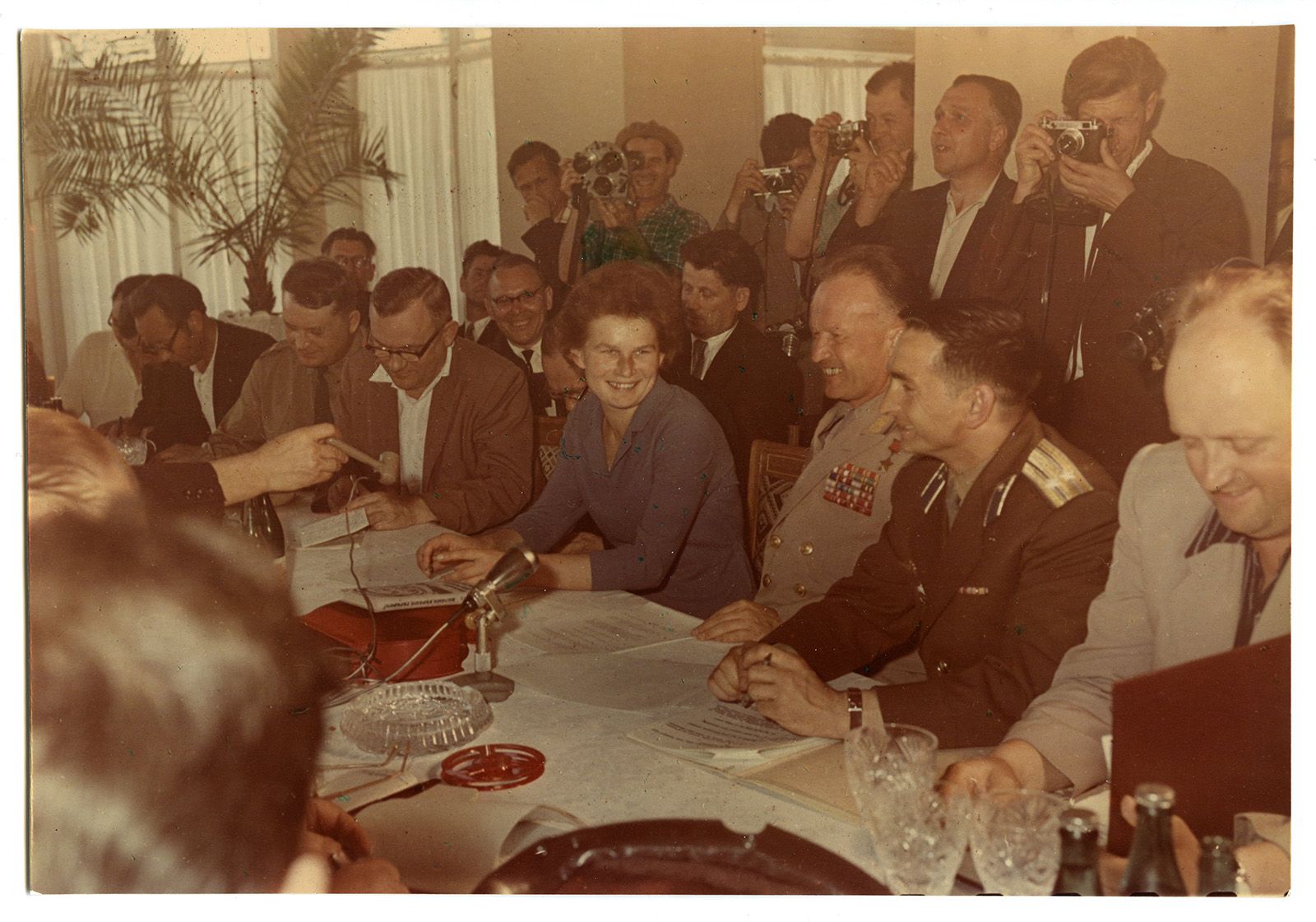
On 16 June 1963, a 26-year-old former textile worker named Valentina Tereshkova launched aboard Vostok 6 and spent nearly three days alone in orbit. She flew 48 times around the Earth, longer than every American astronaut combined, and spotted a dangerous flaw in her descent program that ground controllers had missed.