



Space Brief 28 Apr 2025
Today's highlights include SpaceX's 250th Starlink mission, a key Senate vote for NASA's next administrator, and insights into satellite missions and movements.



Launch Date
February 2, 2023
Launch Site
Launch Pad
LC39A
Launch Vehicle
NORAD ID
55453
International Designator
2023-015E
Epoch
Mon, 20 Jul 2026 06:57:52 GMT
Apogee
Calculating...
Perigee
Calculating...
Inclination
43.00°
Right Ascension
299.69°
Eccentricity
Calculating...
Argument of Perigee
281.00°
Period
94.27 min
Mean Motion
15.28 rev/day
Latitude
Calculating...
Longitude
Calculating...
Altitude
Calculating...
Velocity
Calculating...
Name
STARLINK-5684
Alternative Name
Starlink 5684
Type
Status
Owner
SPXS
Country
United States
Constellation
N/A
Related Satellites
Major Events
N/A
1 55453U 23015E 26201.29019545 -.00000758 00000+0 -18016-4 0 9990
2 55453 43.0040 299.6949 0001916 281.0029 79.0607 15.27571941191004
Source: Celestrak
Length
0.2
Diameter
2.8
Span
9
Dry Mass
290
Launch Mass
305
Shape
Box + pan
Radar Cross Section
Unknown
Visual Magnitude
Unknown
Color
Unknown
Material Composition
Unknown
Payload
Starlink Group 5-3-05
Purpose
Communication
Mission
Communication
Manufacturer
SPXS
Life Expectancy
Unknown
Bus
Starlink
Configuration
Unknown
Motor
Krypton ion thrusters
Equipment
Ku/Ka-band payload, optical inter-satellite link
Power System
Solar arrays, batteries
ADCS
Unknown
Transmitter Frequency
Unknown
Learn more about satellites and other related topics.
Today's highlights include SpaceX's 250th Starlink mission, a key Senate vote for NASA's next administrator, and insights into satellite missions and movements.

Thirty-five years ago, NASA's Galileo spacecraft made a crucial flyby of Venus, pioneering a complex path through the inner solar system that would revolutionize planetary exploration
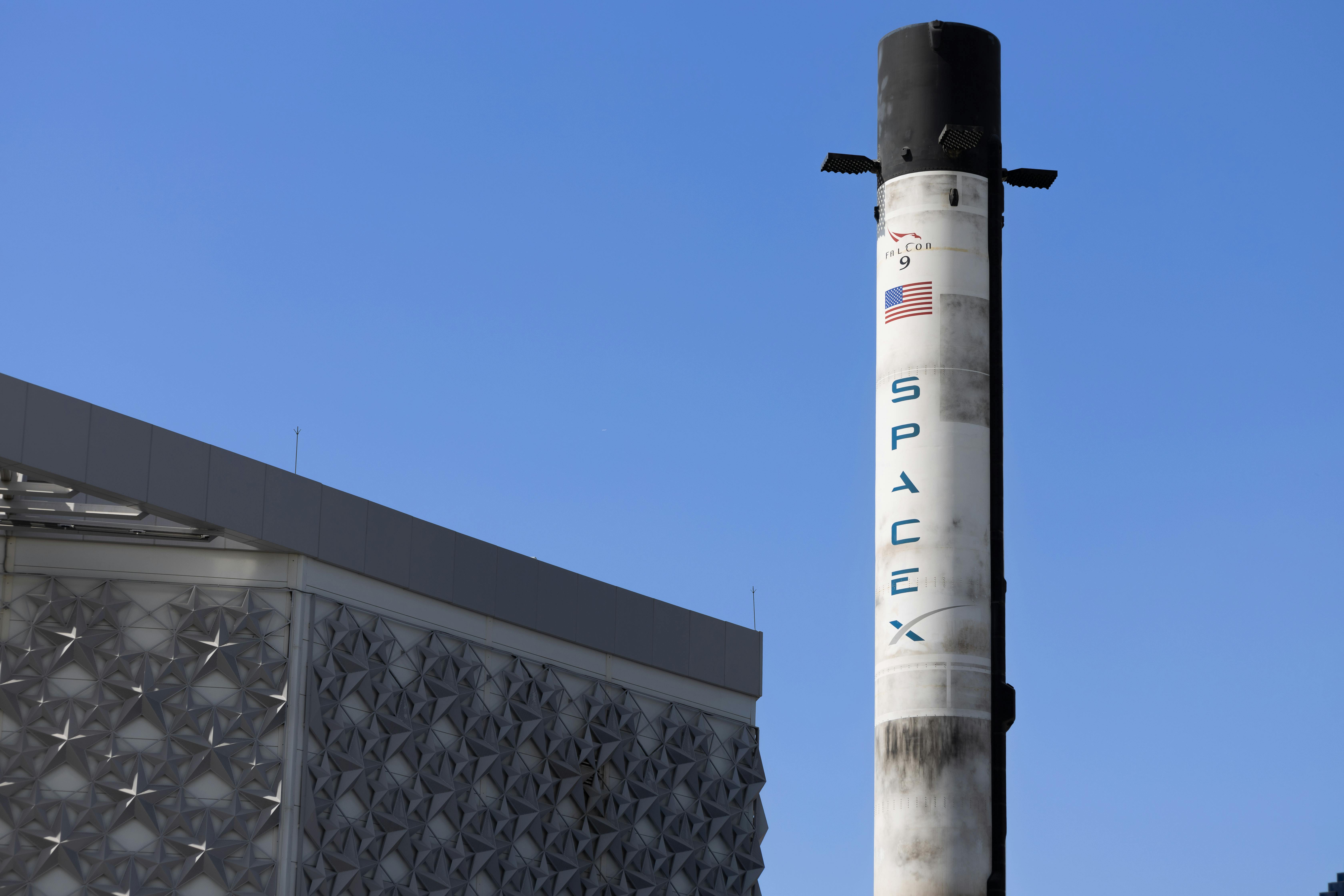
A California firm wins NASA's Aeolus Mars orbiter contract, targeting 2028 launch for the first daily global Martian environment measurements.

Today's highlights include significant legal disputes in military satellite contracts, strategic investments in the defense space sector, and updates on major military budget developments impacting space capabilities.
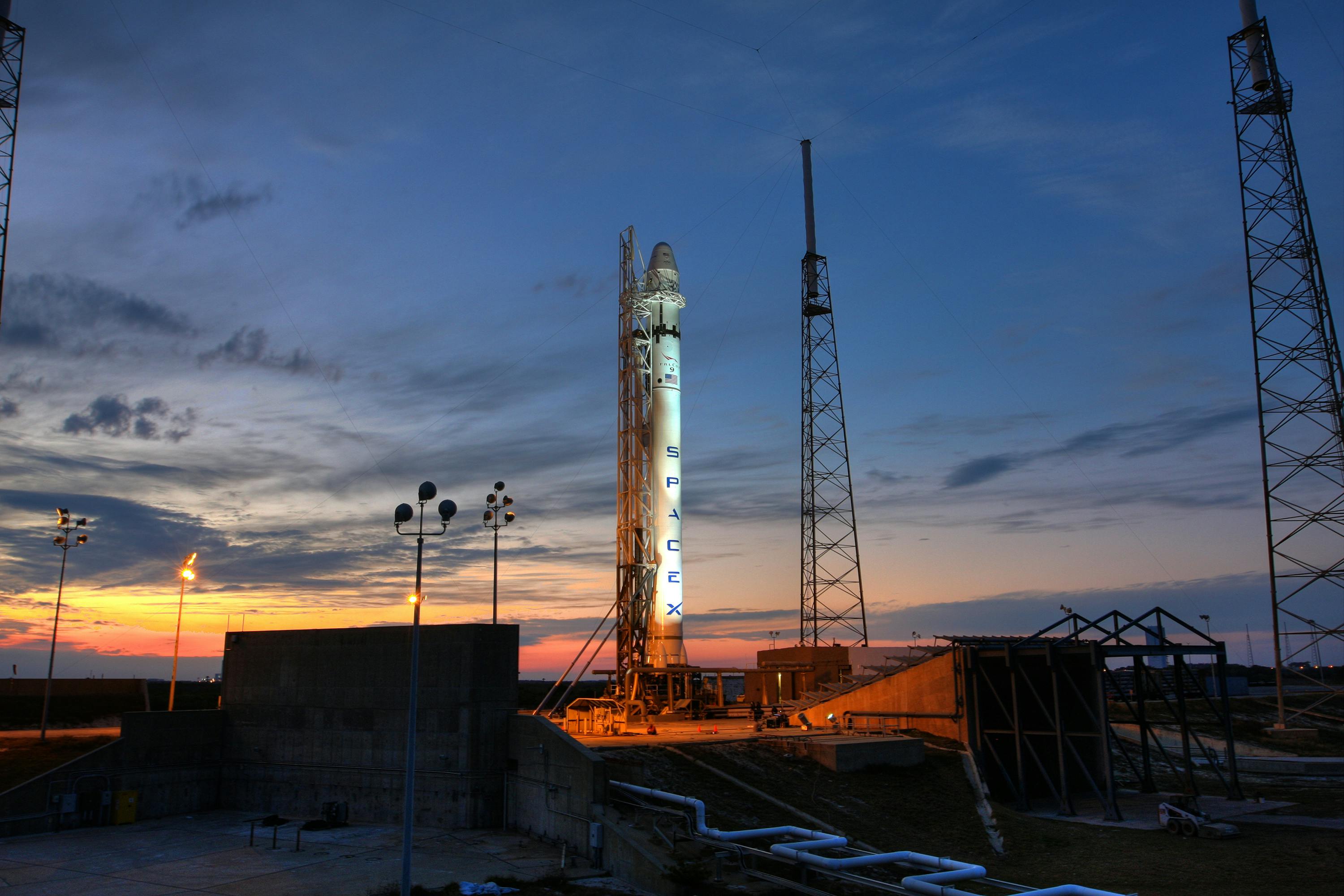
SpaceX successfully launched 29 Starlink satellites, bolstering its broadband network and expanding global internet coverage.
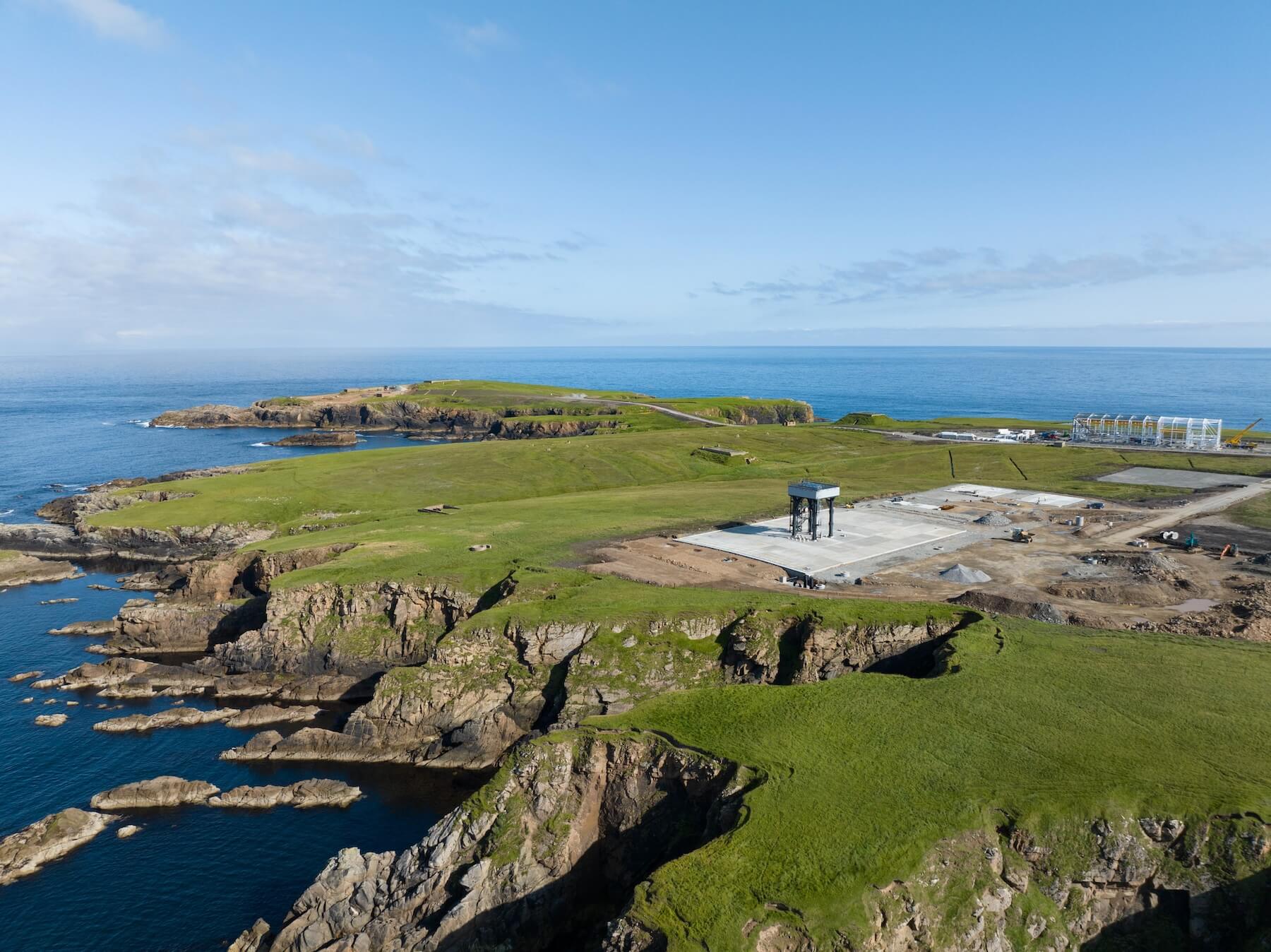
The UK's orbital ambitions rest on a remote Shetland island. How SaxaVord became Europe's first fully licensed vertical launch spaceport - and why, despite being ready for years, it's still waiting for a rocket that works.

A HIGH-risk conjunction between STARLINK-4621 and the defunct SL-18 rocket body leads the July 11 safety picture, with eight Starlink satellites set to reenter through July 14.

SpaceX secures FCC nod for Starlink's direct-to-phone connectivity, lands NASA's Dragonfly mission, and sees new competition with the ZhuQue-2E launch.