


First Nuclear-Powered Commercial Satellite Flies on Transporter-17 | KeepTrack X Report
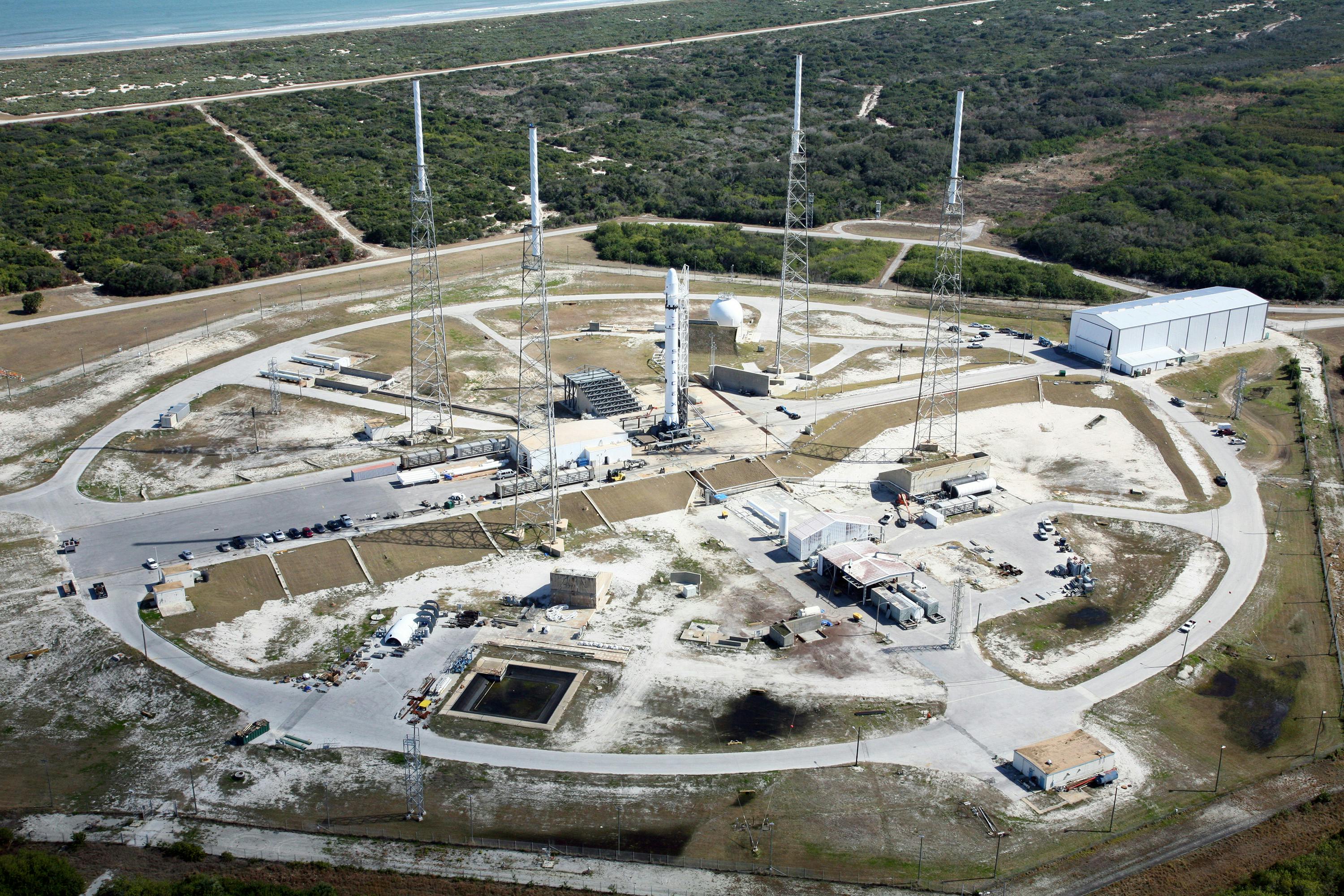
SpaceX's Transporter-17 rideshare carried 81 payloads including history's first nuclear-powered commercial satellite on July 7.



NORAD ID
55420
International Designator
2023-014AF
Epoch
Sun, 19 Jul 2026 18:38:42 GMT
Apogee
Calculating...
Perigee
Calculating...
Inclination
70.00°
Right Ascension
71.44°
Eccentricity
Calculating...
Argument of Perigee
248.59°
Period
96.11 min
Mean Motion
14.98 rev/day
Latitude
Calculating...
Longitude
Calculating...
Altitude
Calculating...
Velocity
Calculating...
Name
STARLINK-5604
Alternative Name
Starlink 5604
Type
Status
Owner
SPXS
Country
United States
Constellation
N/A
Related Satellites
Major Events
N/A
1 55420U 23014AF 26200.77688308 -.00000326 00000+0 -19537-4 0 9994
2 55420 70.0020 71.4448 0002153 248.5936 111.4993 14.98330269192334
Source: Celestrak
Length
0.2
Diameter
2.8
Span
9
Dry Mass
290
Launch Mass
305
Shape
Box + pan
Radar Cross Section
Unknown
Visual Magnitude
Unknown
Color
Unknown
Material Composition
Unknown
Payload
Starlink Group 2-6-30
Purpose
Communication
Mission
Communication
Manufacturer
SPXS
Life Expectancy
Unknown
Bus
Starlink
Configuration
Unknown
Motor
Krypton ion thrusters
Equipment
Ku/Ka-band payload, optical inter-satellite link
Power System
Solar arrays, batteries
ADCS
Unknown
Transmitter Frequency
Unknown
Learn more about satellites and other related topics.
SpaceX's Transporter-17 rideshare carried 81 payloads including history's first nuclear-powered commercial satellite on July 7.
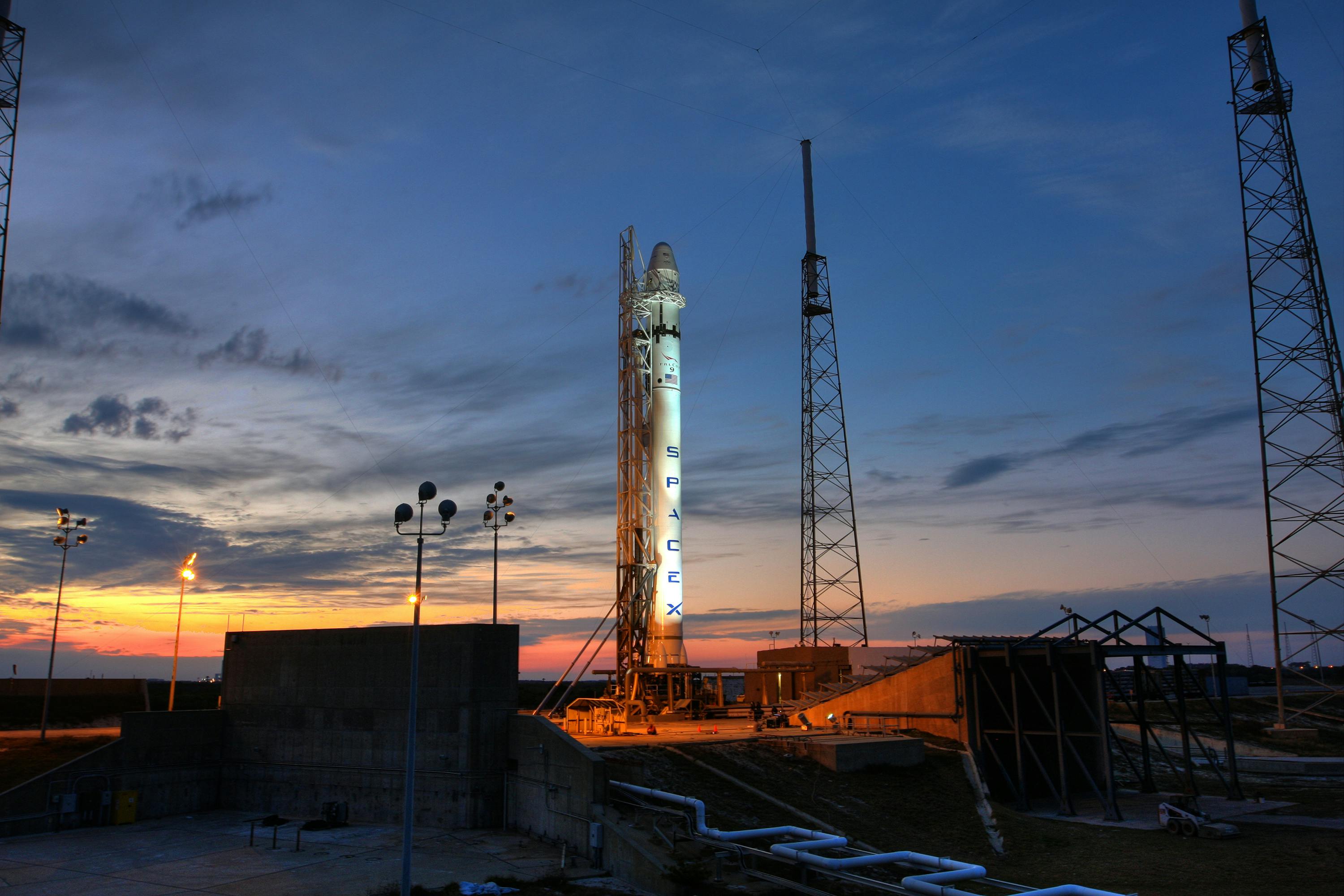
SpaceX shifts launch priorities to Vandenberg as Falcon 9 era winds down, while Anthropic signs orbital data center deal with the company.
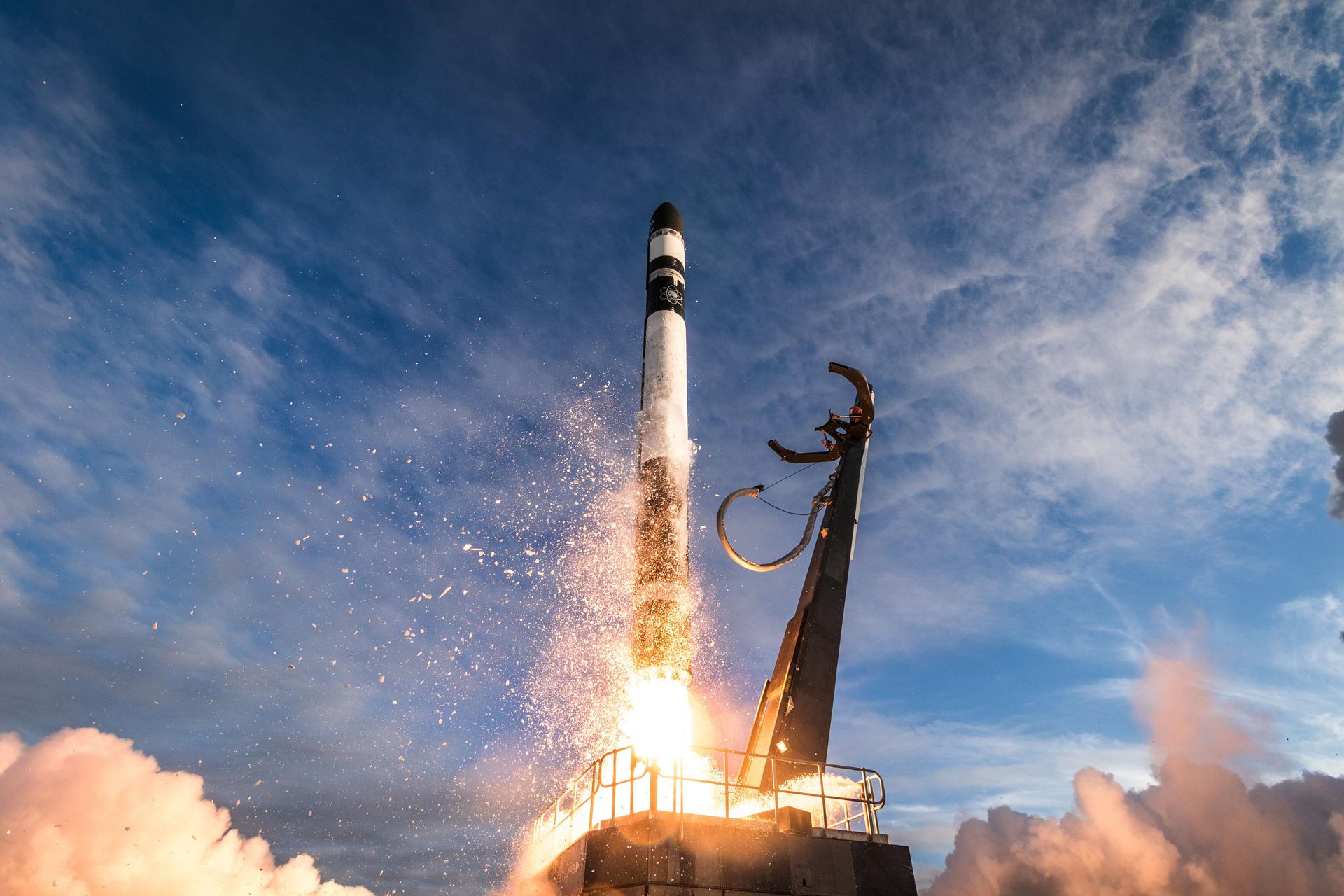
Today's briefing covers the U.S. Space Force's substantial investments in commercial satellite services, a strategic military shift, Chinese space station upgrades, and NASA's policy changes.
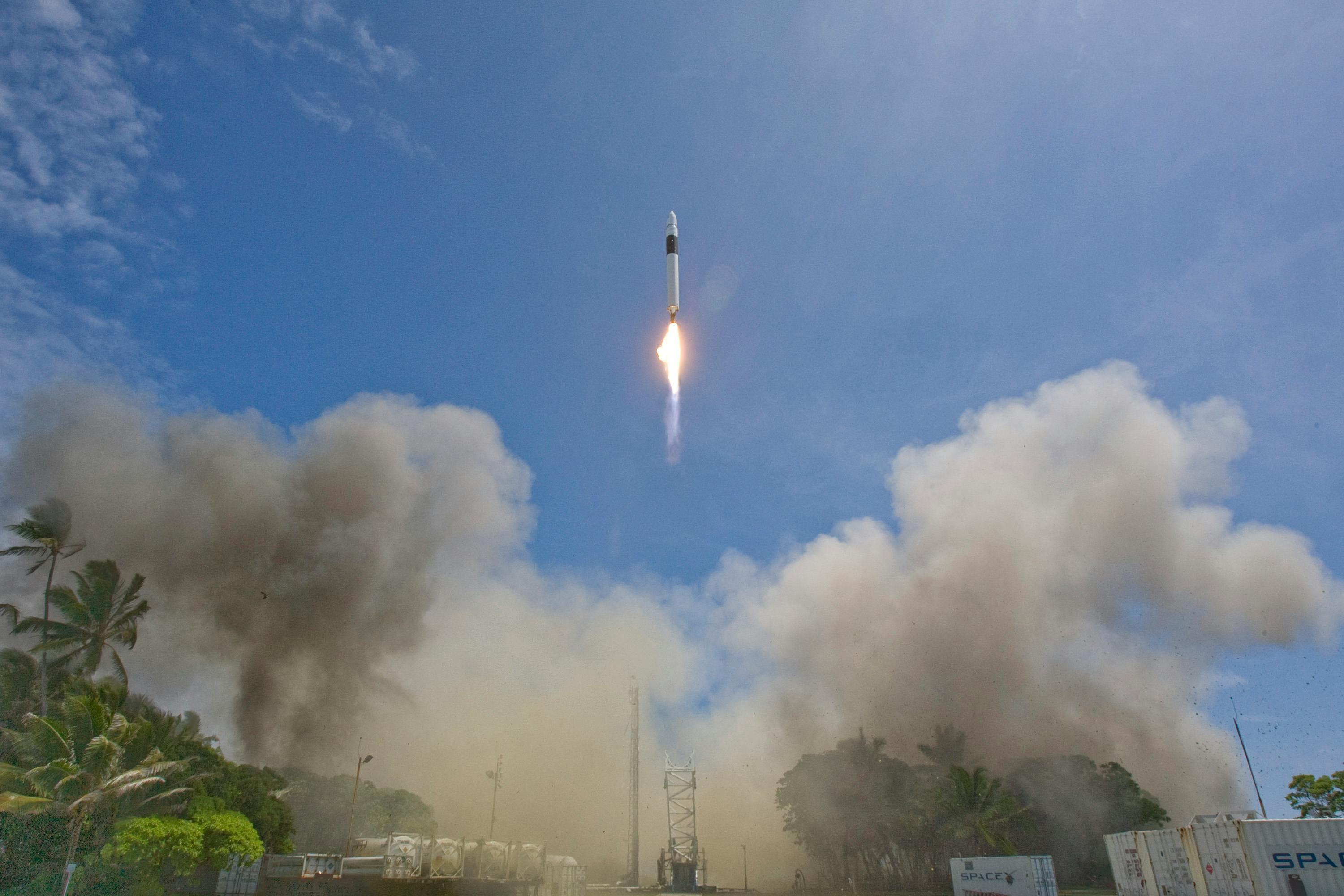
SpaceX gears up for Starship Flight 8, with a launch set for Monday as final preparations are underway.
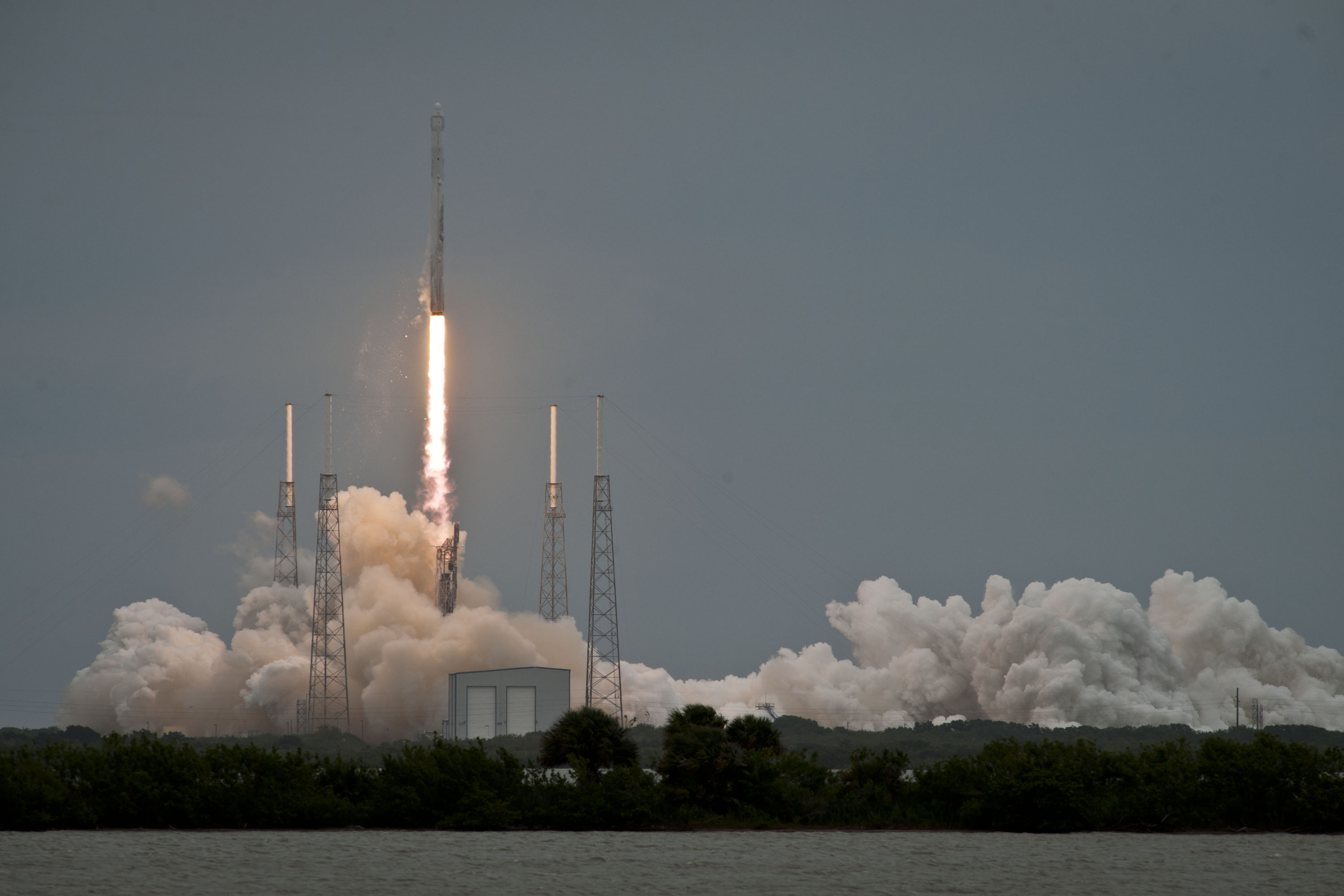
On April 18, 2014, a Falcon 9 first stage did something no orbital rocket had ever done before. It fired its engines on the way down, steered itself through the atmosphere using grid fins that did not yet exist, and touched the Atlantic Ocean softly enough to survive the impact. Nobody recovered it. The data was the whole point.
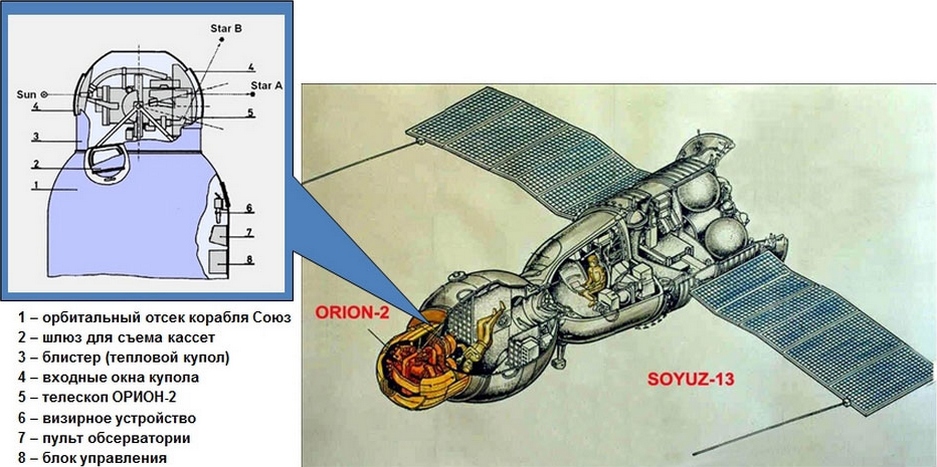
Exactly 52 years ago today, the Soviet Union launched Soyuz 13 - a scientific mission that marked the first time American astronauts and Soviet cosmonauts orbited Earth simultaneously. Armed with a revolutionary ultraviolet telescope, Pyotr Klimuk and Valentin Lebedev would discover elements never before seen in distant nebulae.

SpaceX makes headlines with record-breaking launch operations, while plans for an IPO signal major changes in the company's trajectory and could inspire industry-wide movements.
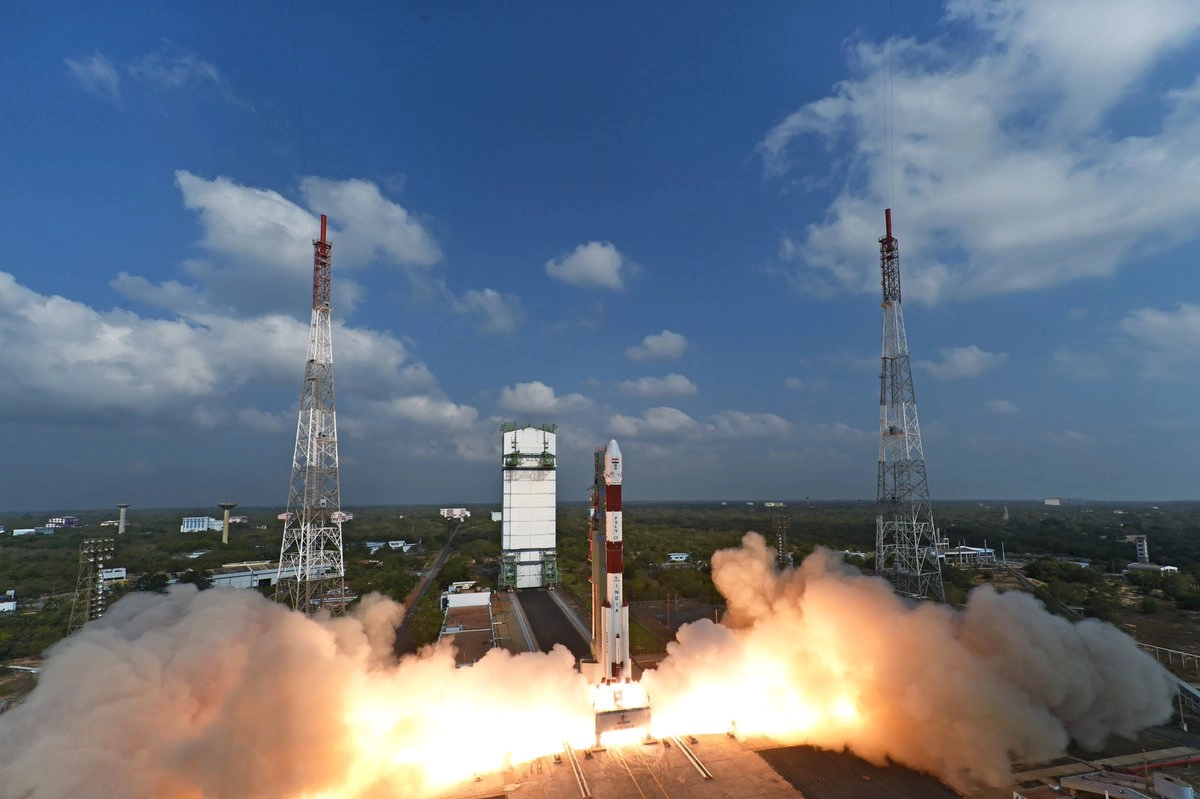
Eight years ago, a single Indian rocket launched 104 satellites into orbit, marking a pivotal moment when space tracking professionals realized the dawn of a new, congested era in orbital operations