


Space Brief 3 Feb 2025
Today's brief covers SpaceX's continued Starlink expansions, Japan's successful Michibiki satellite launch, and challenges faced by India's navigation satellite. Stay updated on crucial satellite events and launches.



NORAD ID
55416
International Designator
2023-014AB
Epoch
Sun, 19 Jul 2026 19:27:26 GMT
Apogee
Calculating...
Perigee
Calculating...
Inclination
70.00°
Right Ascension
111.29°
Eccentricity
Calculating...
Argument of Perigee
264.99°
Period
96.11 min
Mean Motion
14.98 rev/day
Latitude
Calculating...
Longitude
Calculating...
Altitude
Calculating...
Velocity
Calculating...
Name
STARLINK-5624
Alternative Name
Starlink 5624
Type
Status
Owner
SPXS
Country
United States
Constellation
N/A
Related Satellites
Major Events
N/A
1 55416U 23014AB 26200.81072840 .00000148 00000+0 20180-4 0 9998
2 55416 70.0004 111.2937 0003034 264.9944 95.0868 14.98329067191350
Source: Celestrak
Length
0.2
Diameter
2.8
Span
9
Dry Mass
290
Launch Mass
305
Shape
Box + pan
Radar Cross Section
Unknown
Visual Magnitude
Unknown
Color
Unknown
Material Composition
Unknown
Payload
Starlink Group 2-6-26
Purpose
Communication
Mission
Communication
Manufacturer
SPXS
Life Expectancy
Unknown
Bus
Starlink
Configuration
Unknown
Motor
Krypton ion thrusters
Equipment
Ku/Ka-band payload, optical inter-satellite link
Power System
Solar arrays, batteries
ADCS
Unknown
Transmitter Frequency
Unknown
Learn more about satellites and other related topics.
Today's brief covers SpaceX's continued Starlink expansions, Japan's successful Michibiki satellite launch, and challenges faced by India's navigation satellite. Stay updated on crucial satellite events and launches.

Today's brief covers a Japanese military satellite launch, new GPS satellite orders by the Space Force, and a Moog propulsion system contract, among other notable developments.
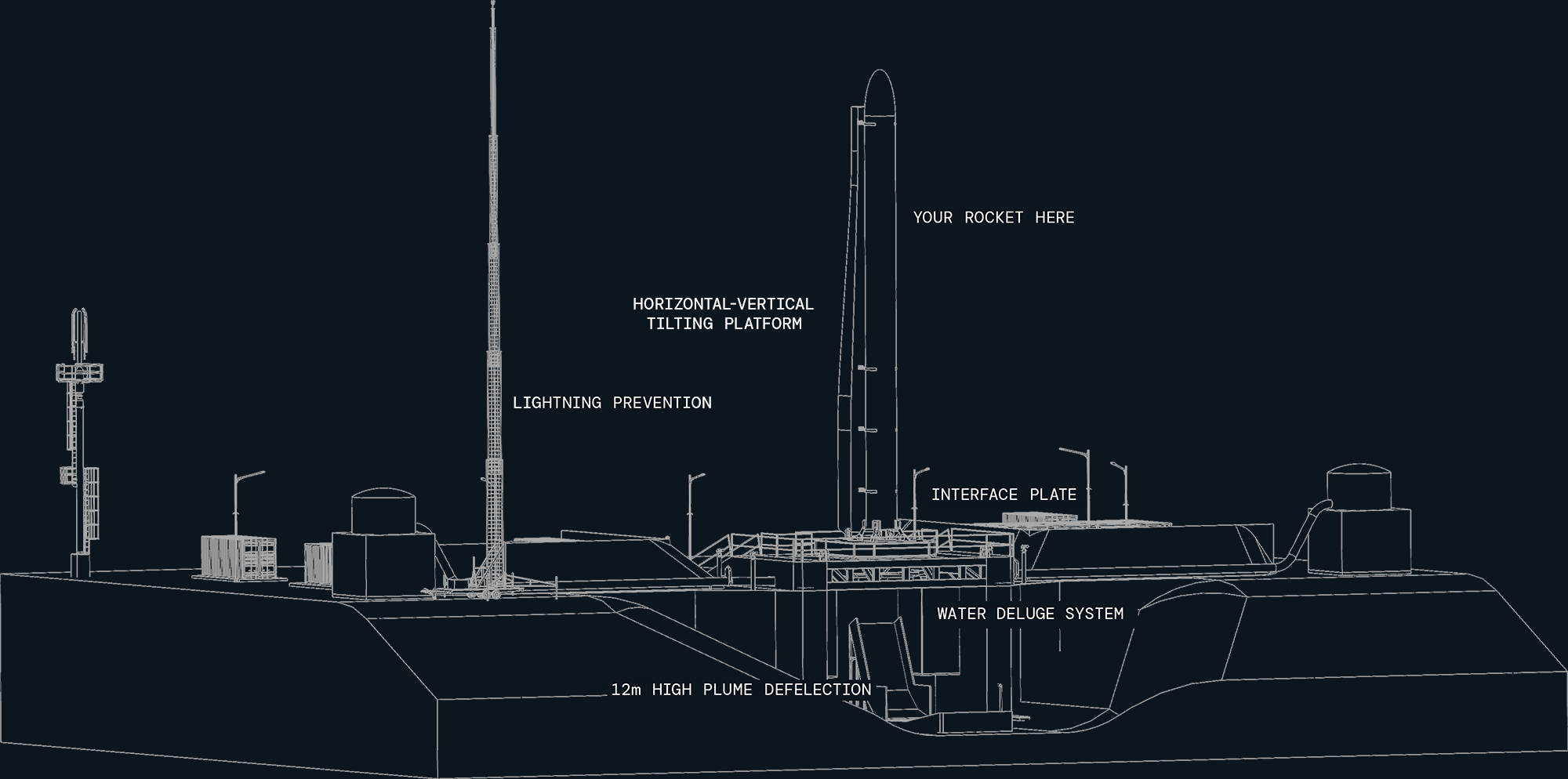
When your landlord won't sign the lease, you move. How Equatorial Launch Australia abandoned Arnhem Land and pivoted to Queensland - and what it means for Australia's equatorial launch ambitions.
Space Force RCO awarded SBIR contracts for radar-detection payloads to counter adversary surveillance of U.S. satellites. Follow-on miniaturization effort already planned.
Varda Space's W-5 mission lands safely in Australia. Leonardo DRS wins SDA Tracking Layer Tranche 3 infrared payload contract. Senate passes $839B defense bill.

Today's key space events include a milestone Falcon booster landing, advances in US military satellite operations, and a new missile defense initiative.

Europe's Arctic gateway to orbit. How Norway's Andøya Spaceport is positioning itself as the continent's answer to launch congestion - and what the failed Isar Aerospace test flight means for the road ahead.
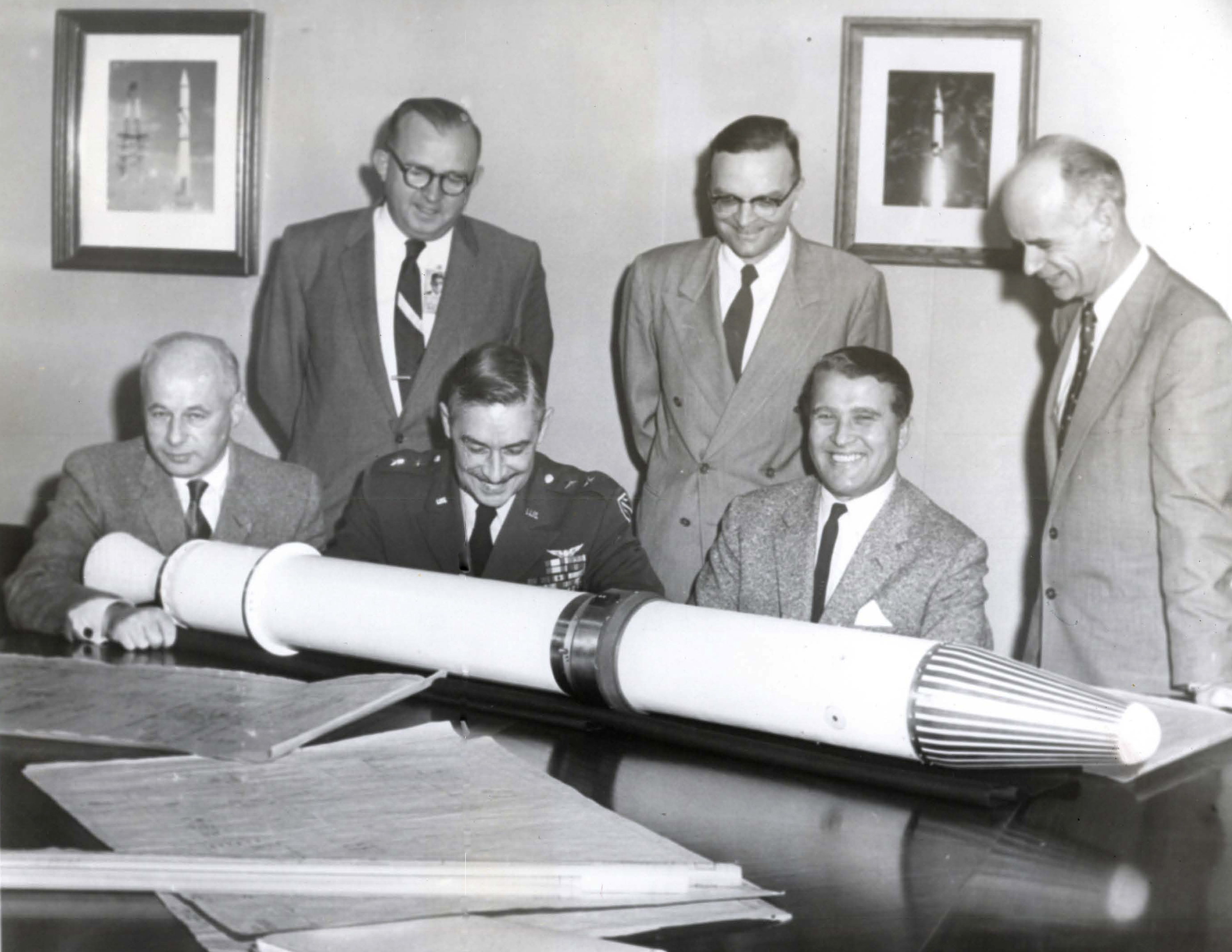
Sixty-seven years ago, a slender rocket carried America's first satellite into orbit, discovering a mysterious feature of our planet that would change our understanding of space forever