


X Report 21 Feb 2025
SpaceX's Falcon 9 achieves another milestone with successful international launch; Elon Musk discusses the future of the ISS; SpaceX prepares for its 450th Falcon launch.



Launch Date
January 26, 2023
Launch Site
Launch Pad
LC40
Launch Vehicle
NORAD ID
55370
International Designator
2023-013AR
Epoch
Sun, 19 Jul 2026 13:36:06 GMT
Apogee
Calculating...
Perigee
Calculating...
Inclination
43.00°
Right Ascension
296.64°
Eccentricity
Calculating...
Argument of Perigee
271.90°
Period
94.27 min
Mean Motion
15.28 rev/day
Latitude
Calculating...
Longitude
Calculating...
Altitude
Calculating...
Velocity
Calculating...
Name
STARLINK-5027
Alternative Name
Starlink 5027
Type
Status
Owner
SPXS
Country
United States
Constellation
N/A
Related Satellites
Major Events
N/A
1 55370U 23013AR 26200.56673939 .00000238 00000+0 18169-4 0 9998
2 55370 43.0028 296.6351 0001099 271.8954 88.1771 15.27574286191635
Source: Celestrak
Length
0.2
Diameter
2.8
Span
9
Dry Mass
290
Launch Mass
305
Shape
Box + pan
Radar Cross Section
Unknown
Visual Magnitude
Unknown
Color
Unknown
Material Composition
Unknown
Payload
Starlink Group 5-2-40
Purpose
Communication
Mission
Communication
Manufacturer
SPXS
Life Expectancy
Unknown
Bus
Starlink
Configuration
Unknown
Motor
Krypton ion thrusters
Equipment
Ku/Ka-band payload, optical inter-satellite link
Power System
Solar arrays, batteries
ADCS
Unknown
Transmitter Frequency
Unknown
Learn more about satellites and other related topics.
SpaceX's Falcon 9 achieves another milestone with successful international launch; Elon Musk discusses the future of the ISS; SpaceX prepares for its 450th Falcon launch.
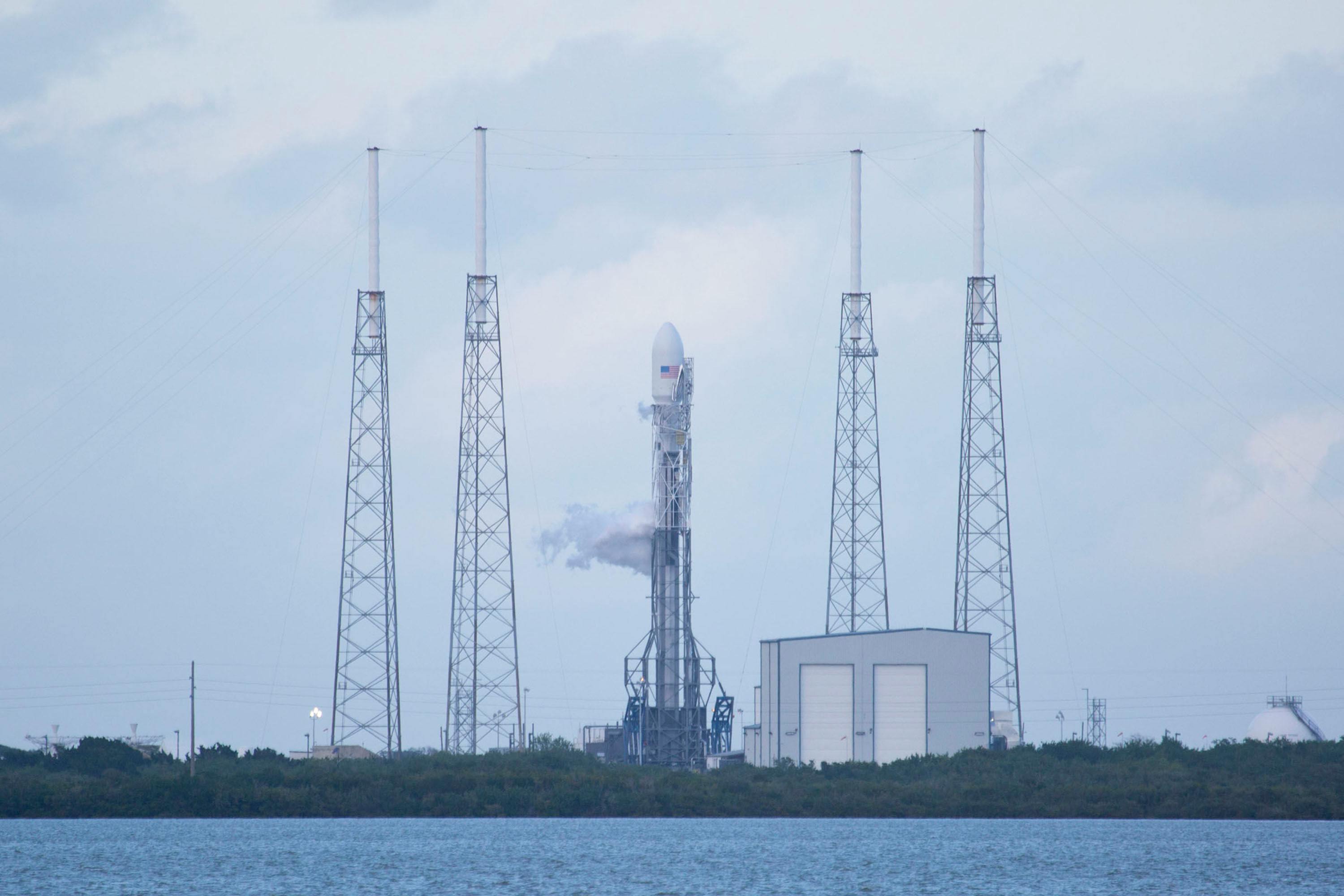
SpaceX prepares for the launch of significant NASA and NOAA missions, while Starship's 11th test flight edges closer.
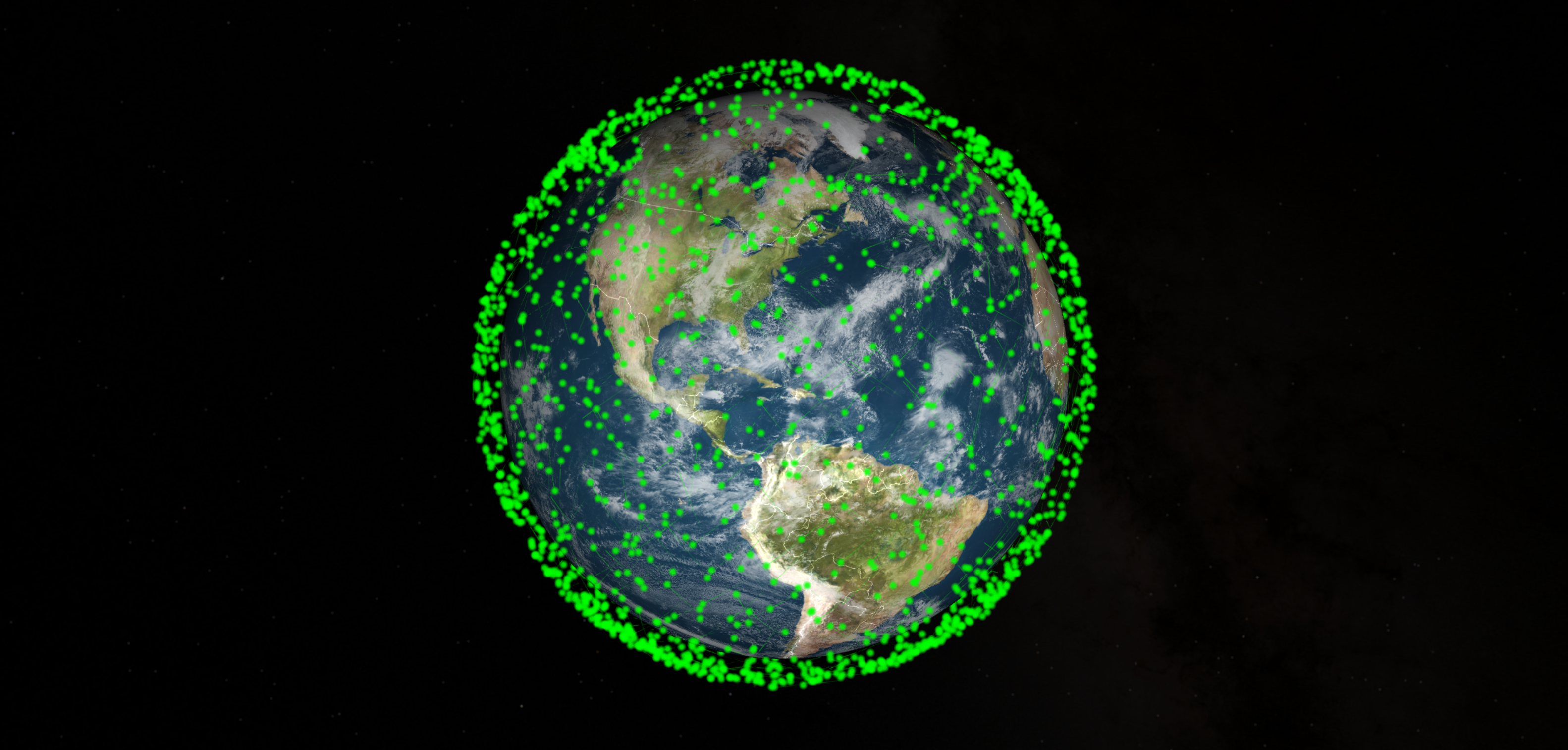
SpaceX quietly built the world's largest 4G network without a single cell tower. Over 650 satellites now connect standard smartphones directly from orbit, and most people carrying compatible phones don't know the service exists.
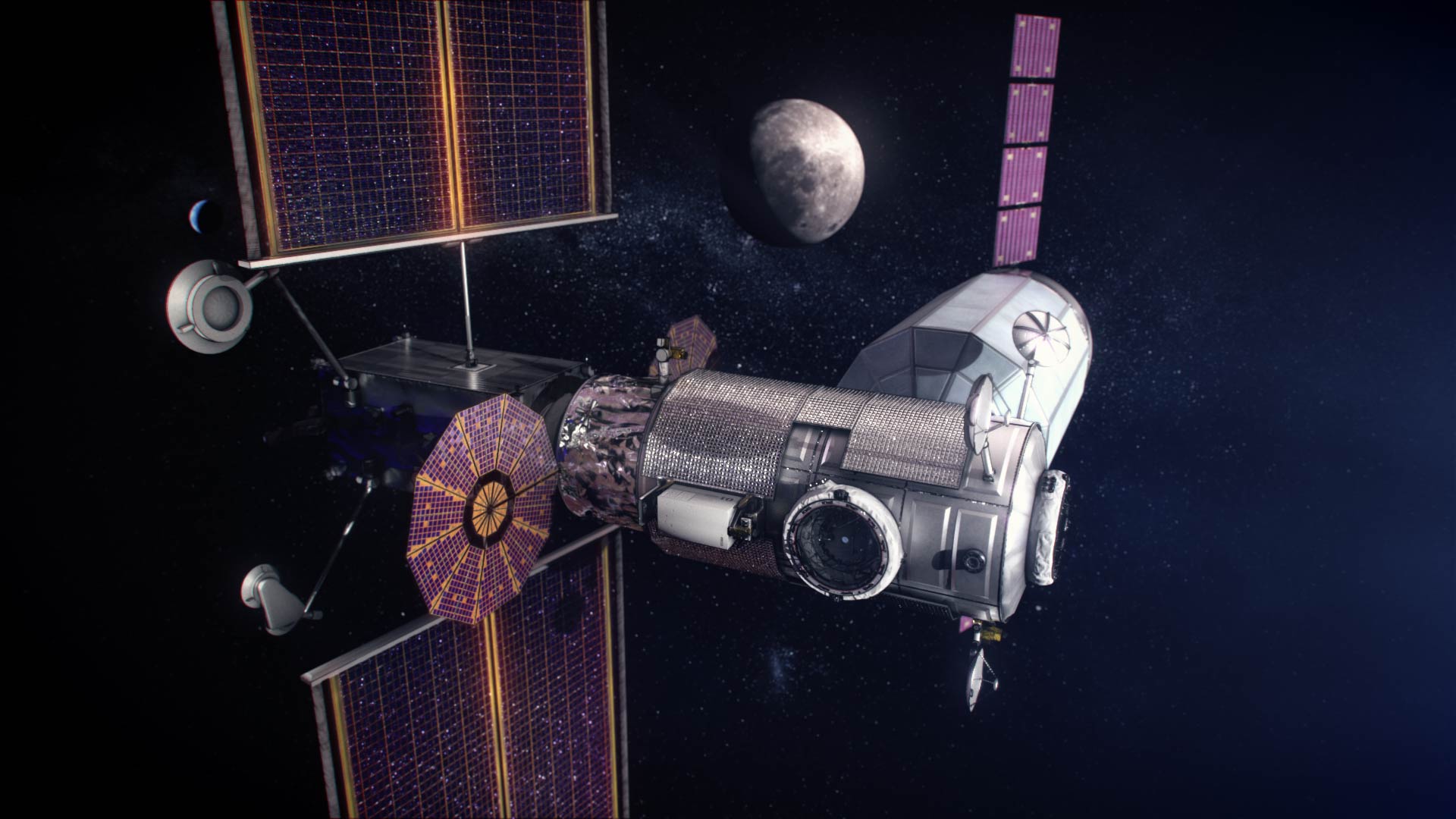
The volume of space between Earth and the Moon is roughly a thousand times larger than the orbit we actually watch, and almost none of it is under surveillance. As the U.S. and China race to build lunar outposts, the Space Force is scrambling to put eyes on a region it has been effectively blind to.
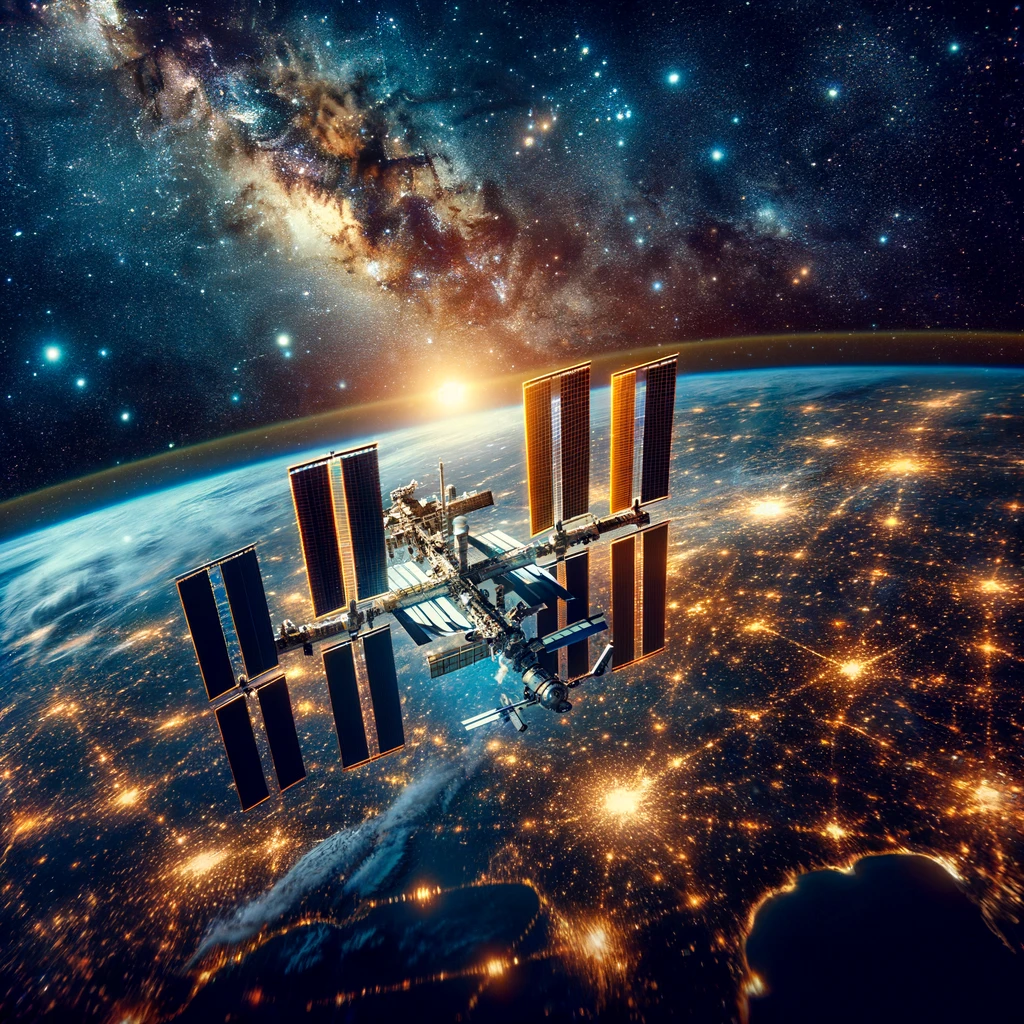
A look at how tracking the space station offers a unique view of space exploration.

Space Beyond secures SpaceX rideshare launch slot for October 2027 memorial cubesat mission. Starlink constellation at 11,009 total satellites launched with 9,551 currently on orbit.
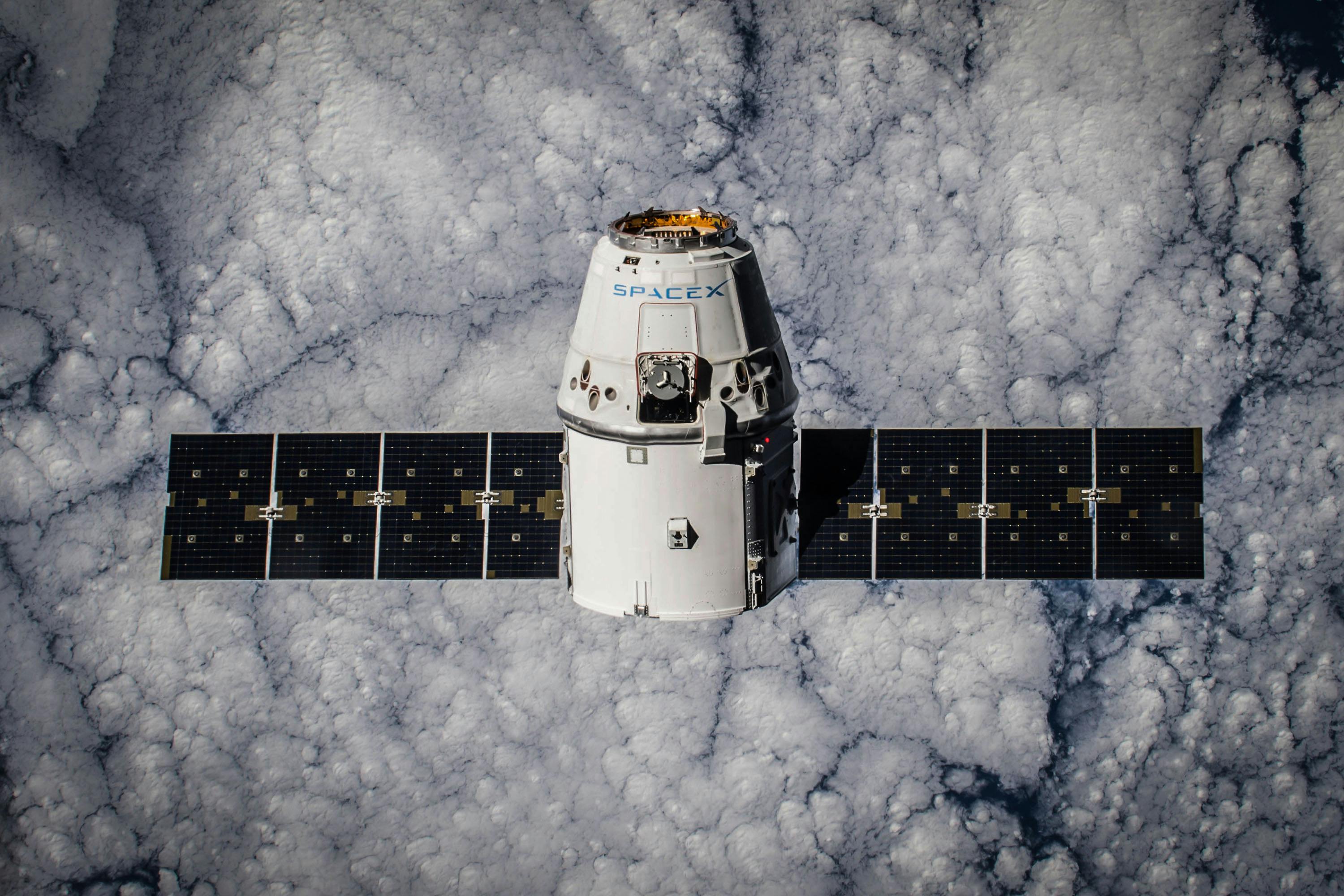
SpaceX is finalizing Pad 2 upgrades at Starbase ahead of Booster 19's return flight, as Starlink's active constellation holds at 10,185 satellites.
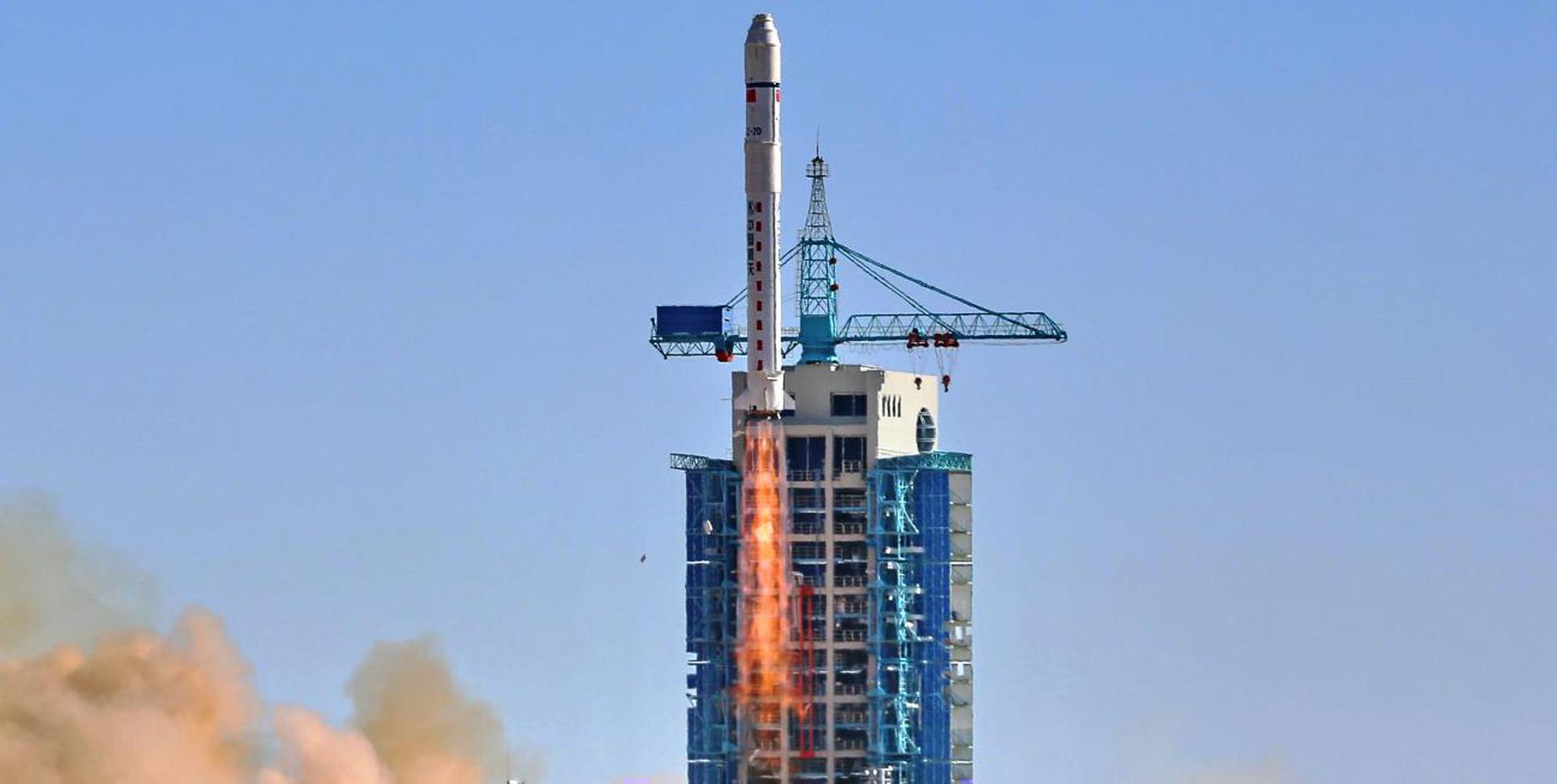
NASA's 590 kg Van Allen Probe A reentered March 10 after 14 years studying Earth's radiation belts. Meanwhile, Boeing Starliner classified as Type A mishap after leaving astronauts stranded on ISS.