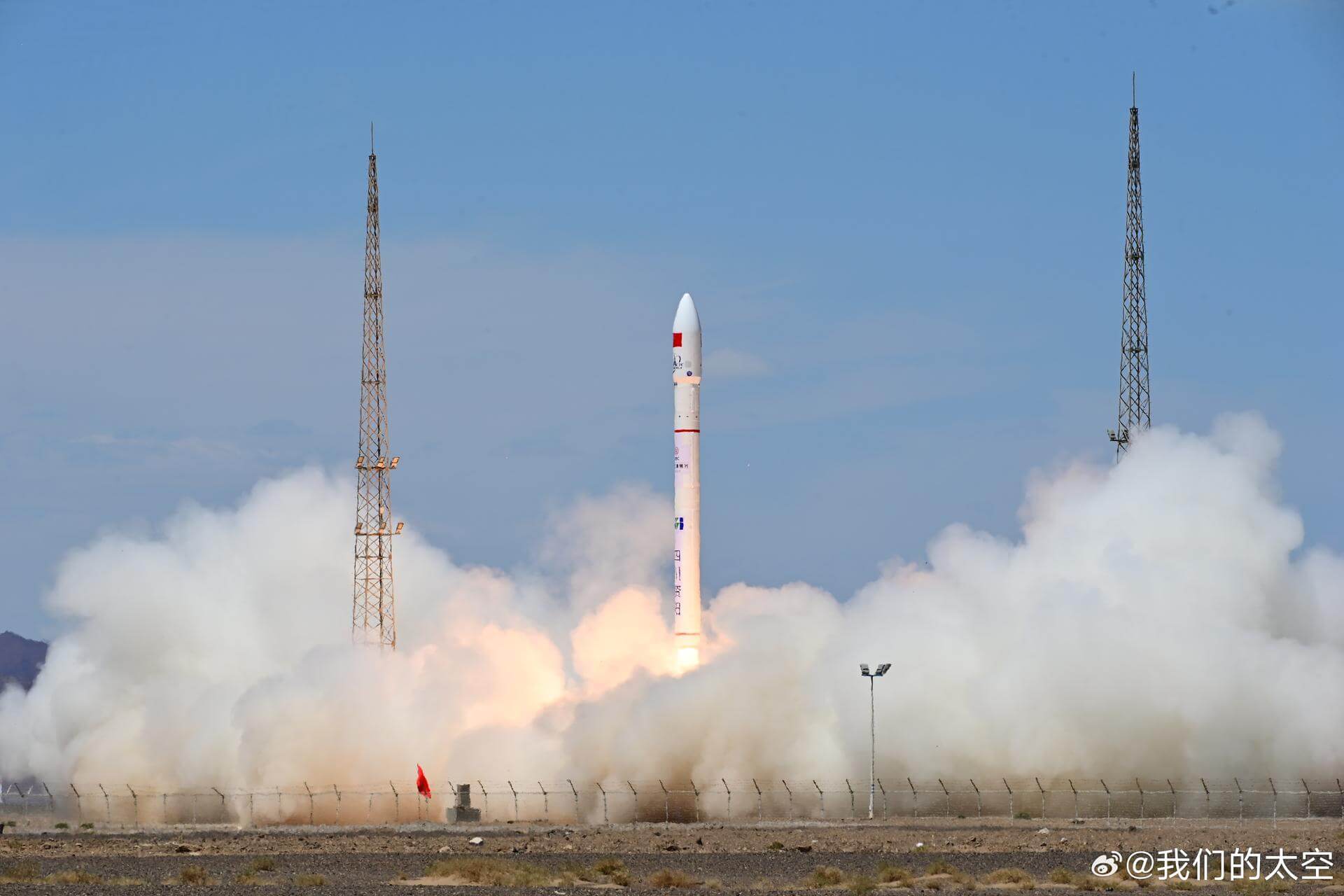
STARLINK-5574 (55362)

COSPAR: 2023-013AH | Alt Name: Starlink 5574

Image
STARLINK-5574 Satellite Image
Additional Sources
Launch Details

Launch Date

January 26, 2023

Launch Pad

LC40

Launch Vehicle

Falcon 9

Orbital Elements

NORAD ID

55362

International Designator

2023-013AH

Epoch

Sun, 19 Jul 2026 04:04:04 GMT

Apogee

Calculating...

Perigee

Calculating...

Inclination

43.00°

Right Ascension

265.99°

Eccentricity

Calculating...

Argument of Perigee

312.16°

Period

94.27 min

Mean Motion

15.28 rev/day

Latitude

Calculating...

Longitude

Calculating...

Altitude

Calculating...

Velocity

Calculating...

Polar Plot
3D Visualization
Basic Satellite Info

Name

STARLINK-5574

Alternative Name

Starlink 5574

Type

Payload

Status

Operational

Owner

SPXS

Country

United States

Constellation

N/A

Related Satellites

Major Events

N/A

Latest TLEs
1 55362U 23013AH  26200.16950113  .00000522  00000+0  28499-4 0  9990
2 55362  43.0038 265.9907 0001826 312.1625  47.9071 15.27585936191950

Source: Celestrak

Summary
The satellite named STARLINK-5574 (OBJECT_ID: 2023-013AH) is a Starlink communication satellite manufactured by SPXS and owned by the same entity. It was launched on January 26, 2023, from LC40 at AFETR using a Falcon 9 launch vehicle. The spacecraft measures 0.2 meters in length with a diameter of 2.8 meters and spans 9 meters when fully deployed. At launch, it had a mass of 305 kilograms and has a dry mass of 290 kilograms. It is equipped with Ku/Ka-band payload and an optical inter-satellite link for communication purposes. The satellite uses solar arrays and batteries for power supply and employs krypton ion thrusters as its motor system to maintain orbit. Its shape is described as box-shaped with pan, indicating likely deployable solar panels or antennae.

Starlink is a satellite constellation developed by SpaceX with the aim of providing global broadband internet coverage. Thousands of small satellites are deployed in low Earth orbit (LEO), enabling high-speed internet access even in remote areas. However, the rapid increase in satellites raises concerns about space debris and the potential for collisions, which can lead to further debris creation and endanger other spacecraft. Additionally, the sheer number of Starlink satellites can affect astronomical observations by increasing light pollution. Proper deorbiting plans and international coordination are essential to mitigate these challenges and ensure long-term sustainability in space.
Physical Characteristics

Length

0.2

Diameter

2.8

Span

9

Dry Mass

290

Launch Mass

305

Shape

Box + pan

Radar Cross Section

Unknown

Visual Magnitude

Unknown

Color

Unknown

Material Composition

Unknown

Technical Details

Payload

Starlink Group 5-2-32

Purpose

Communication

Mission

Communication

Manufacturer

SPXS

Life Expectancy

Unknown

Bus

Starlink

Configuration

Unknown

Motor

Krypton ion thrusters

Equipment

Ku/Ka-band payload, optical inter-satellite link

Power System

Solar arrays, batteries

ADCS

Unknown

Transmitter Frequency

Unknown

Map
This tool will help you track the satellite's position and predict its upcoming passes over your location. Simply input the coordinates or click the geolocation button to get started.
Next Pass
Azimuth Elevation Time (Local)
Start Azimuth
Max Elevation
Stop Azimuth
Time Until
Pass Duration

Satellite Articles

View All Posts »

Learn more about satellites and other related topics.

A Tribute to Albert Einstein

A Tribute to Albert Einstein

Ask anyone on the street who the smartest person ever was, and most will say Albert Einstein. Exactly 71 years ago today, this genius departed from the world. Today, we examine Einstein's innumerable contributions to astronomy and how he shaped space history for years to come.
X Report 2 Feb 2025

X Report 2 Feb 2025

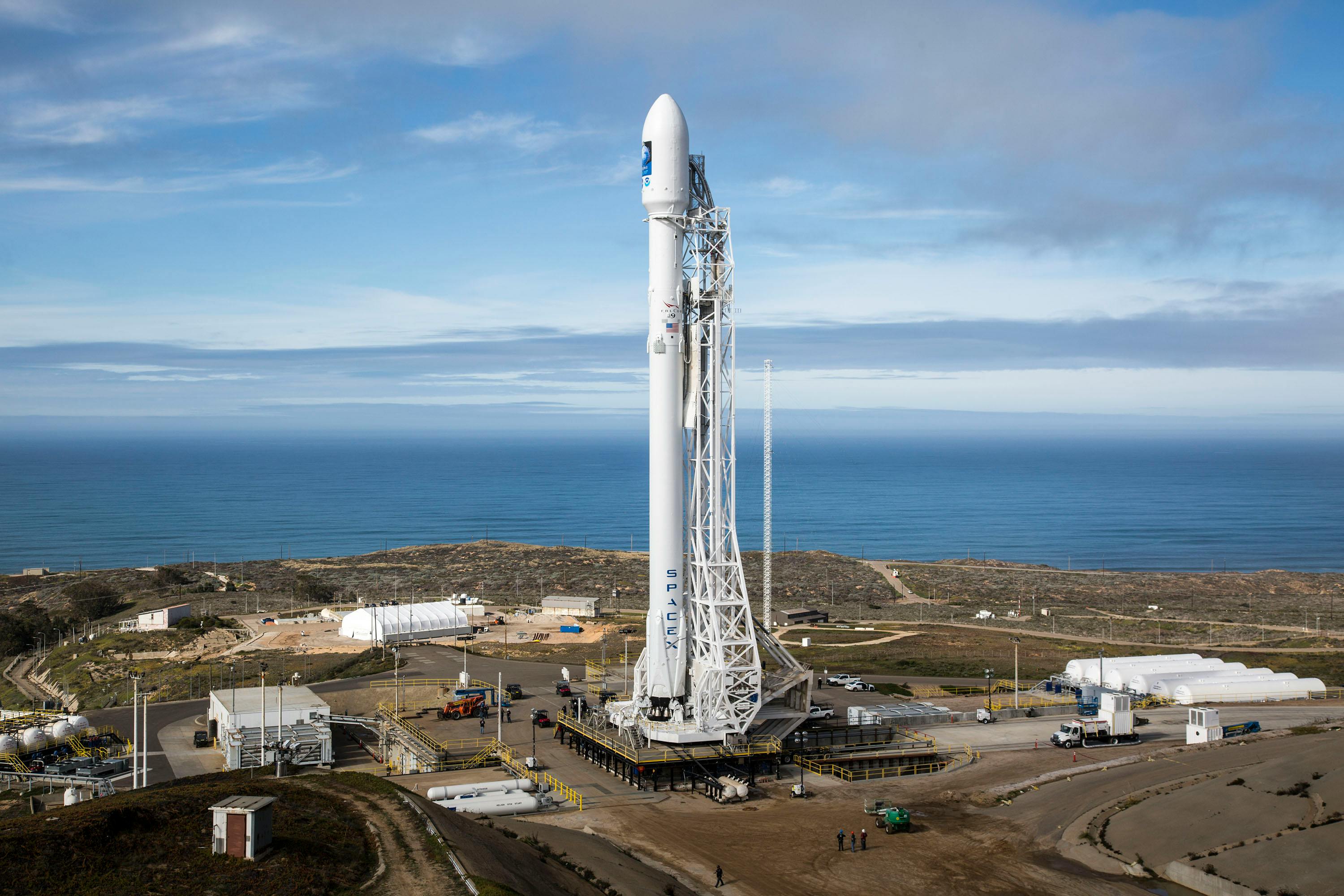
SpaceX successfully launched 43 Starlink satellites across two missions, marking significant achievements at Cape Canaveral and Vandenberg Space Force Bases.

X Report 8 Feb 2025

X Report 8 Feb 2025

SpaceX makes strides on Starship launch pad, upcoming Starlink infusions from California and Florida, and regulatory challenges loom with FCC and C-band spectrum.

Space Brief 11 Jun 2025

Space Brief 11 Jun 2025

Today's Space Brief covers a major partnership in space tech distribution, China's orbital refueling preparations under U.S. scrutiny, recent U.S. defense budget reveals, and an exciting hyperspectral imagery release from Xplore.

Pentagon Chief Tours Rocket Lab, Space Force Accelerates 2026 Acquisitions | KeepTrack Space Brief

Pentagon Chief Tours Rocket Lab, Space Force Accelerates 2026 Acquisitions | KeepTrack Space Brief

Pentagon chief Pete Hegseth tours Rocket Lab for Arsenal of Freedom strategy. Space Force accelerates 2026 acquisitions including GPS and tactical comms. Rhea Space wins $1.9M optical nav contract.

SpaceX to Launch GPS Satellite After Mission Reassigned From ULA | KeepTrack X Report

SpaceX to Launch GPS Satellite After Mission Reassigned From ULA | KeepTrack X Report

SpaceX set to launch GPS 3-9 for Space Force after strategic switch from ULA's Vulcan to Falcon 9. 25 Starlink satellites deployed to polar orbit. Musk explains SpaceX exponential growth trajectory.

Space Brief 10 Mar 2025

Space Brief 10 Mar 2025

Today's briefing covers significant events, including advancements in US missile warning systems, SpaceX's Florida Starship plans, a European rocket's success, and NASA's upcoming missions.

Low Earth Orbit (LEO)

Low Earth Orbit (LEO)

The bustling downtown of space: where most satellites operate, communication networks bloom, and the challenges of atmospheric drag and radiation shape our approach to space operations