


X Report 3 Aug 2025
SpaceX bids farewell to LZ-1 while continuing its mission towards advancements in satellite technology and the ongoing Starlink project.



Launch Date
January 26, 2023
Launch Site
Launch Pad
LC40
Launch Vehicle
NORAD ID
55357
International Designator
2023-013AC
Epoch
Sun, 19 Jul 2026 05:46:45 GMT
Apogee
Calculating...
Perigee
Calculating...
Inclination
43.00°
Right Ascension
280.37°
Eccentricity
Calculating...
Argument of Perigee
272.92°
Period
94.27 min
Mean Motion
15.28 rev/day
Latitude
Calculating...
Longitude
Calculating...
Altitude
Calculating...
Velocity
Calculating...
Name
STARLINK-5651
Alternative Name
Starlink 5651
Type
Status
Owner
SPXS
Country
United States
Constellation
N/A
Related Satellites
Major Events
N/A
1 55357U 23013AC 26200.24080478 -.00000381 00000+0 -43319-5 0 9995
2 55357 43.0025 280.3701 0001564 272.9156 87.1517 15.27576660191791
Source: Celestrak
Length
0.2
Diameter
2.8
Span
9
Dry Mass
290
Launch Mass
305
Shape
Box + pan
Radar Cross Section
Unknown
Visual Magnitude
Unknown
Color
Unknown
Material Composition
Unknown
Payload
Starlink Group 5-2-27
Purpose
Communication
Mission
Communication
Manufacturer
SPXS
Life Expectancy
Unknown
Bus
Starlink
Configuration
Unknown
Motor
Krypton ion thrusters
Equipment
Ku/Ka-band payload, optical inter-satellite link
Power System
Solar arrays, batteries
ADCS
Unknown
Transmitter Frequency
Unknown
Learn more about satellites and other related topics.
SpaceX bids farewell to LZ-1 while continuing its mission towards advancements in satellite technology and the ongoing Starlink project.

Today's brief highlights the successful landing of a private moon mission by Firefly Aerospace, a new simulator for the Spanish Air and Space Force, and the anticipated launch by Europe's Ariane 6. Plus, our Satellite Spotlight features the COSMOS 2484.
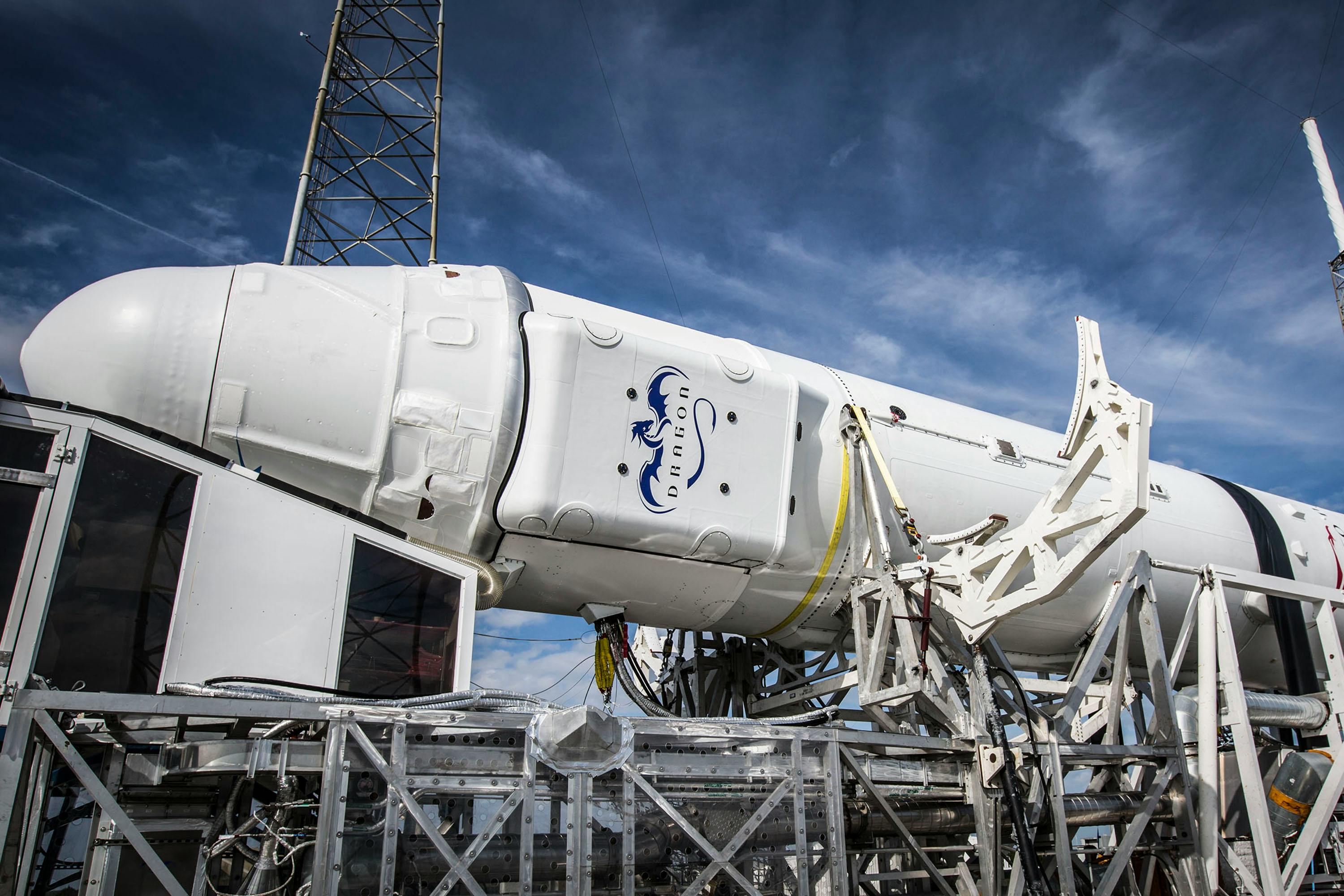
New experiments in space agriculture begin with Fram2 mission, a historic polar orbit flight, and a Starlink launch postponement.
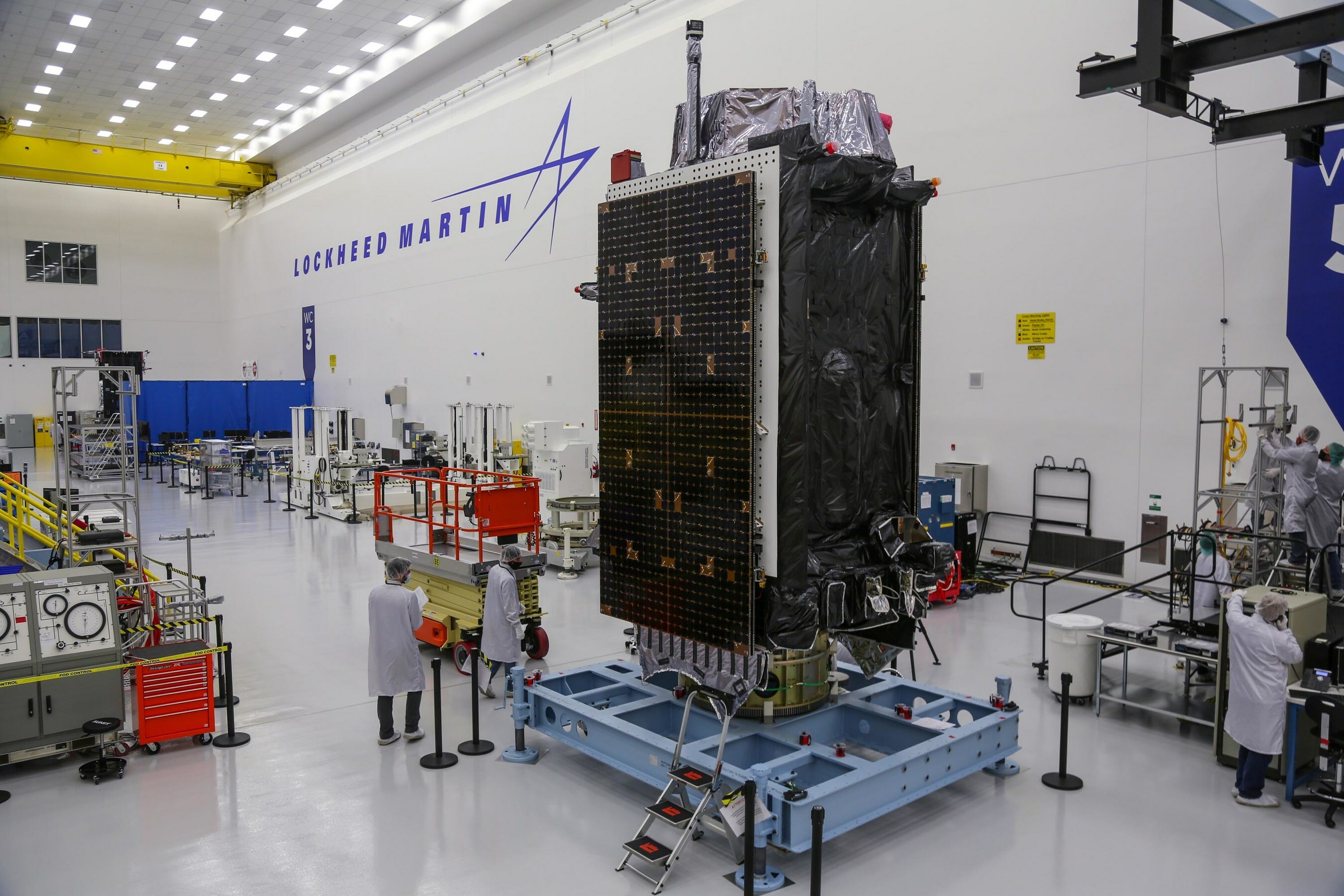
On April 21, 2026, the tenth and final GPS Block III satellite reached medium Earth orbit aboard a SpaceX Falcon 9. Named for Hedy Lamarr, the actress whose 1942 frequency-hopping patent underpins modern GPS, SV10 closes a procurement that took eight years to deliver hardware and opens the optical-crosslink era that will define the constellation's next decade.
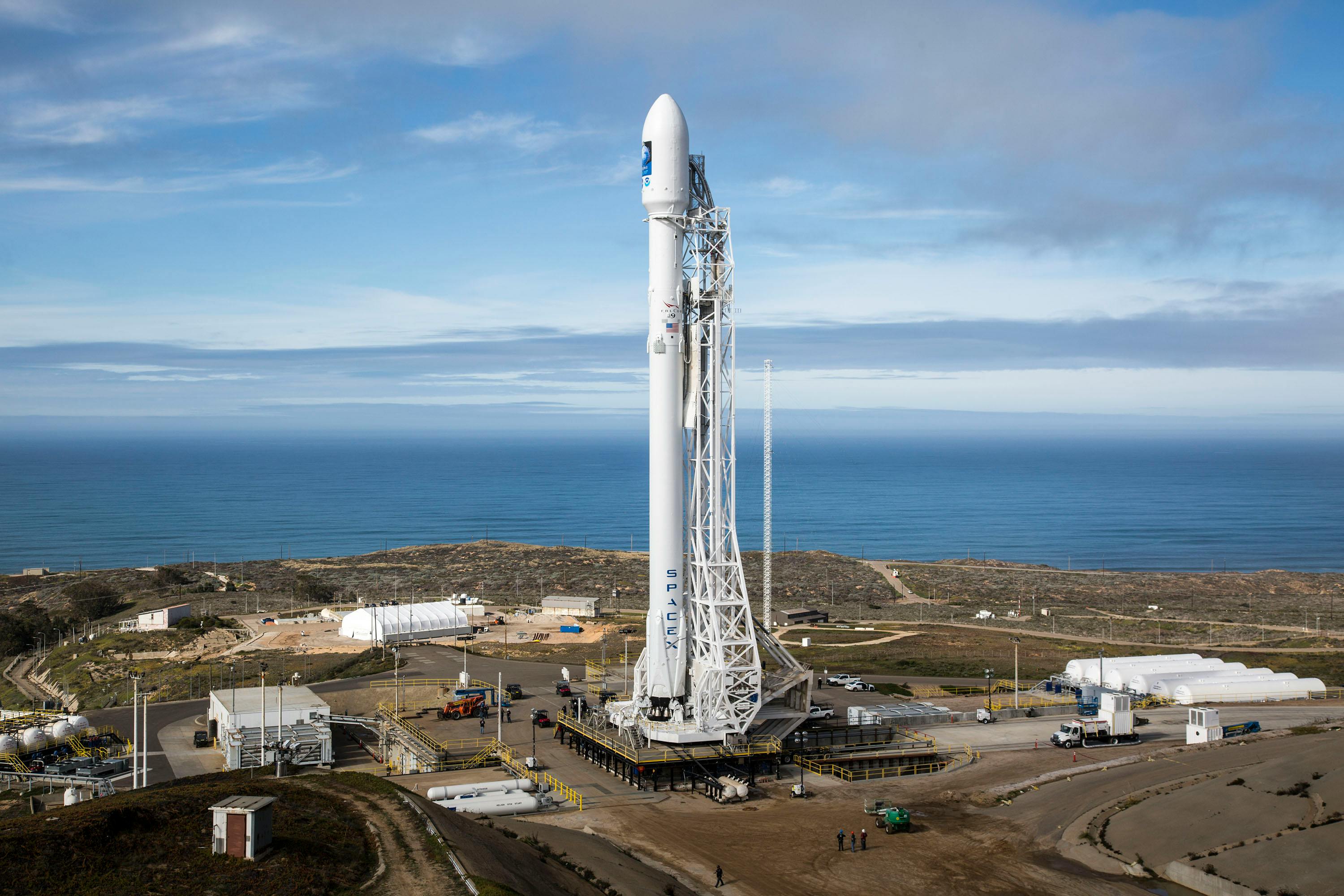
SpaceX successfully launched 28 Starlink satellites aboard a Falcon 9 rocket, marking significant advancements in their deployment and operational capabilities.
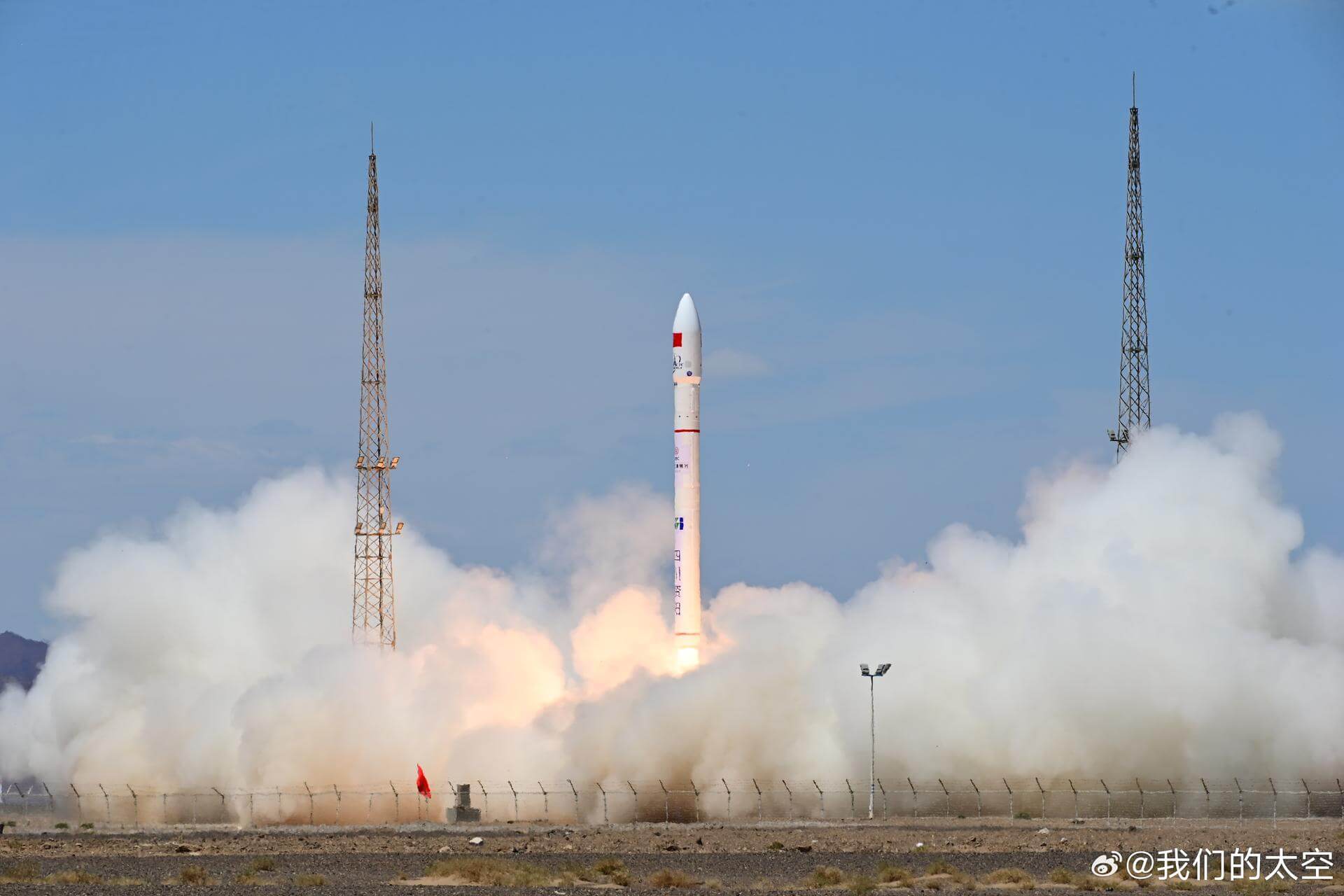
Today's Space Brief covers imminent launches, new developments in space technology, and strategic military contributions to satellite defense systems.

Today's highlights include a record number of launches from Florida's Space Coast, Germany's new military space strategy, SpaceX's Starlink deployment, and more.

In 2024, China launched 68 orbital missions. In 2025, the number jumped to 97. In 2026, state media and Western analysts agree the target is 140 or more. Most of that growth is being driven by two state-backed mega-constellations, a half-dozen private launch companies hitting stride, and a deliberate national pivot toward commercial space. Beijing is no longer trying to catch SpaceX. It is trying to build an industrial base that outlasts one.