


X Report 2 May 2025
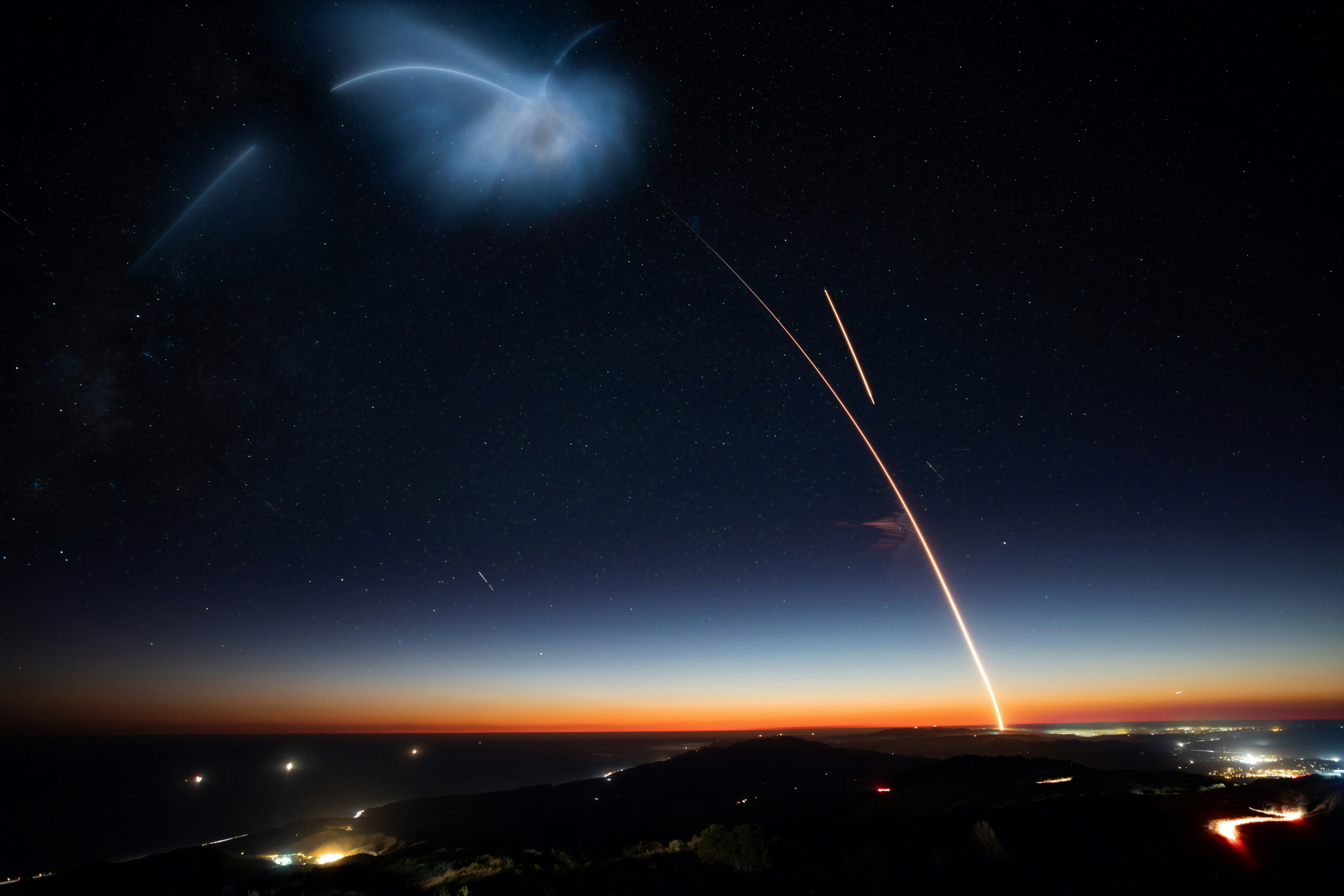
SpaceX successfully launched 28 more Starlink satellites from Cape Canaveral, marking another milestone in its satellite constellation expansion.



Launch Date
January 26, 2023
Launch Site
Launch Pad
LC40
Launch Vehicle
NORAD ID
55337
International Designator
2023-013G
Epoch
Sun, 19 Jul 2026 05:16:14 GMT
Apogee
Calculating...
Perigee
Calculating...
Inclination
43.00°
Right Ascension
266.32°
Eccentricity
Calculating...
Argument of Perigee
274.01°
Period
94.27 min
Mean Motion
15.28 rev/day
Latitude
Calculating...
Longitude
Calculating...
Altitude
Calculating...
Velocity
Calculating...
Name
STARLINK-5667
Alternative Name
Starlink 5667
Type
Status
Owner
SPXS
Country
United States
Constellation
N/A
Related Satellites
Major Events
N/A
1 55337U 23013G 26200.21960874 .00000098 00000+0 13105-4 0 9999
2 55337 43.0013 266.3158 0001680 274.0150 86.0509 15.27582930191956
Source: Celestrak
Length
0.2
Diameter
2.8
Span
9
Dry Mass
290
Launch Mass
305
Shape
Box + pan
Radar Cross Section
Unknown
Visual Magnitude
Unknown
Color
Unknown
Material Composition
Unknown
Payload
Starlink Group 5-2-07
Purpose
Communication
Mission
Communication
Manufacturer
SPXS
Life Expectancy
Unknown
Bus
Starlink
Configuration
Unknown
Motor
Krypton ion thrusters
Equipment
Ku/Ka-band payload, optical inter-satellite link
Power System
Solar arrays, batteries
ADCS
Unknown
Transmitter Frequency
Unknown
Learn more about satellites and other related topics.
SpaceX successfully launched 28 more Starlink satellites from Cape Canaveral, marking another milestone in its satellite constellation expansion.
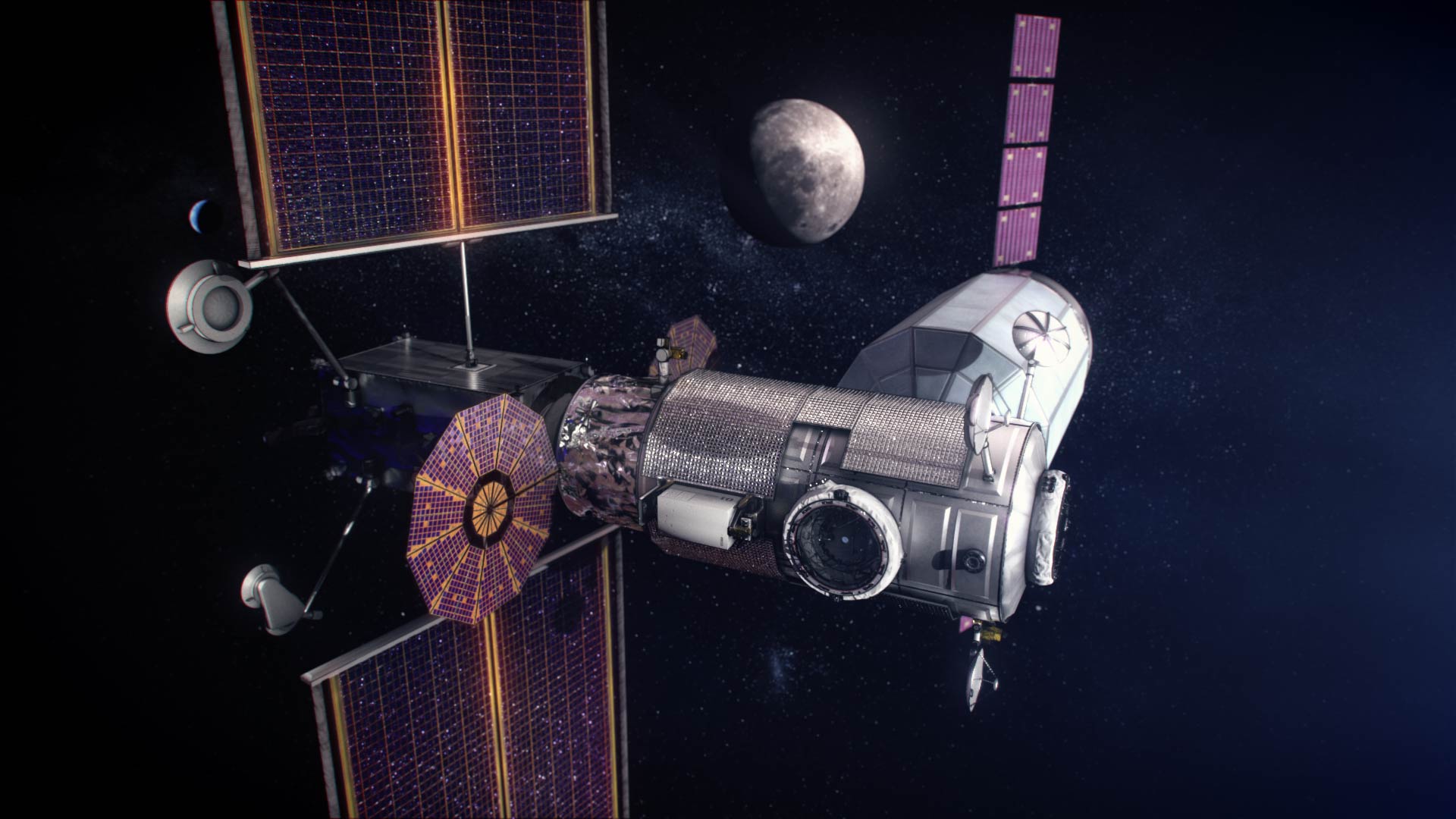
The volume of space between Earth and the Moon is roughly a thousand times larger than the orbit we actually watch, and almost none of it is under surveillance. As the U.S. and China race to build lunar outposts, the Space Force is scrambling to put eyes on a region it has been effectively blind to.

Blue Origin's New Glenn rocket exploded at Cape Canaveral's LC-36, causing visible pad damage and a year-plus grounding. NASA lunar plans affected.
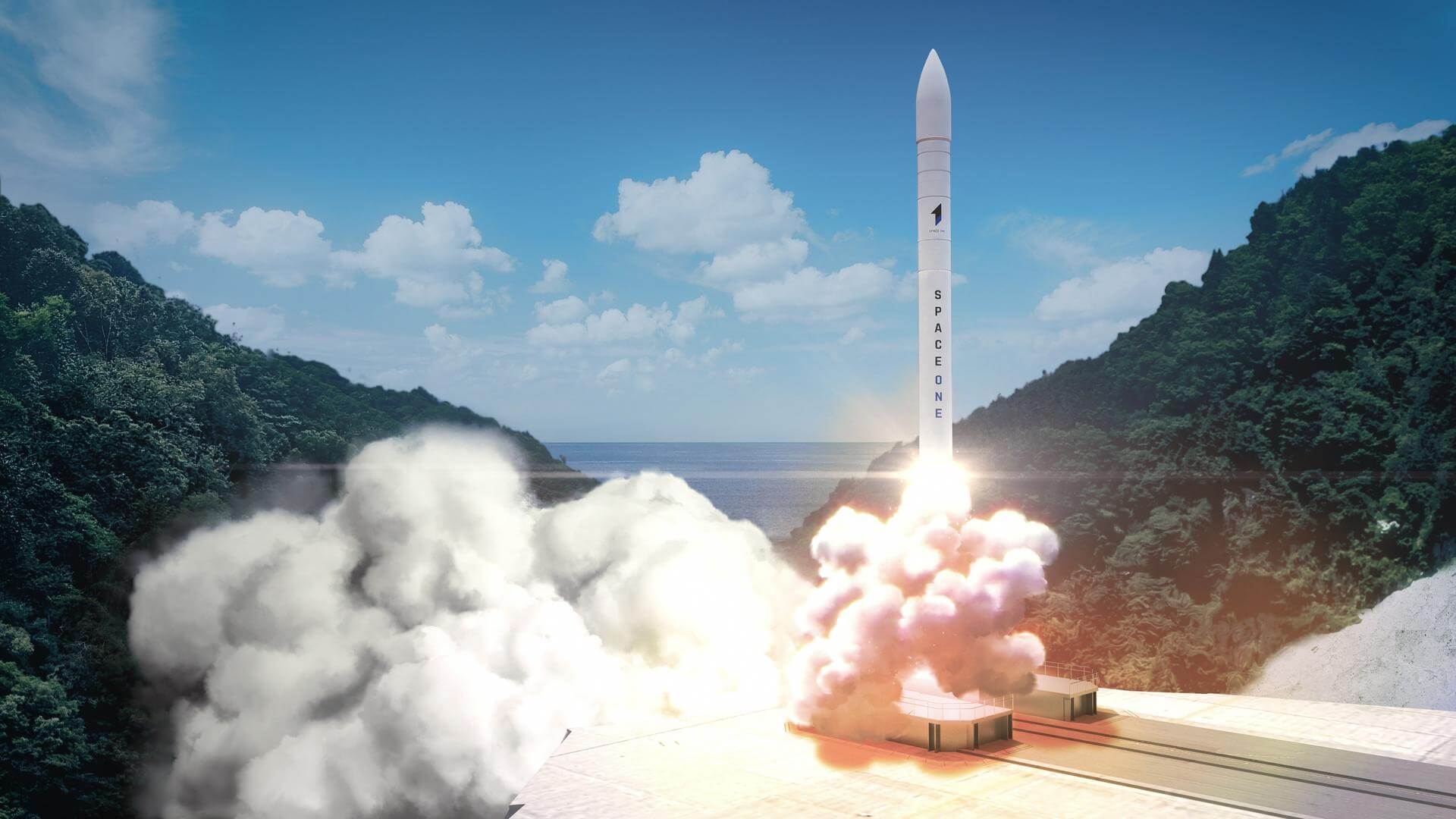
SpaceX reaches 600th Falcon 9 launch with Starlink 17-13 from Vandenberg. NASA SLS hydrogen leak repairs only partially successful. New book explores forces shaping space.

Space Force initiates cybersecurity network upgrades across 14 bases. SDA expands $3.5B Tracking Layer with 72 new satellites. SpaceX and China drive record orbital launches in 2025.
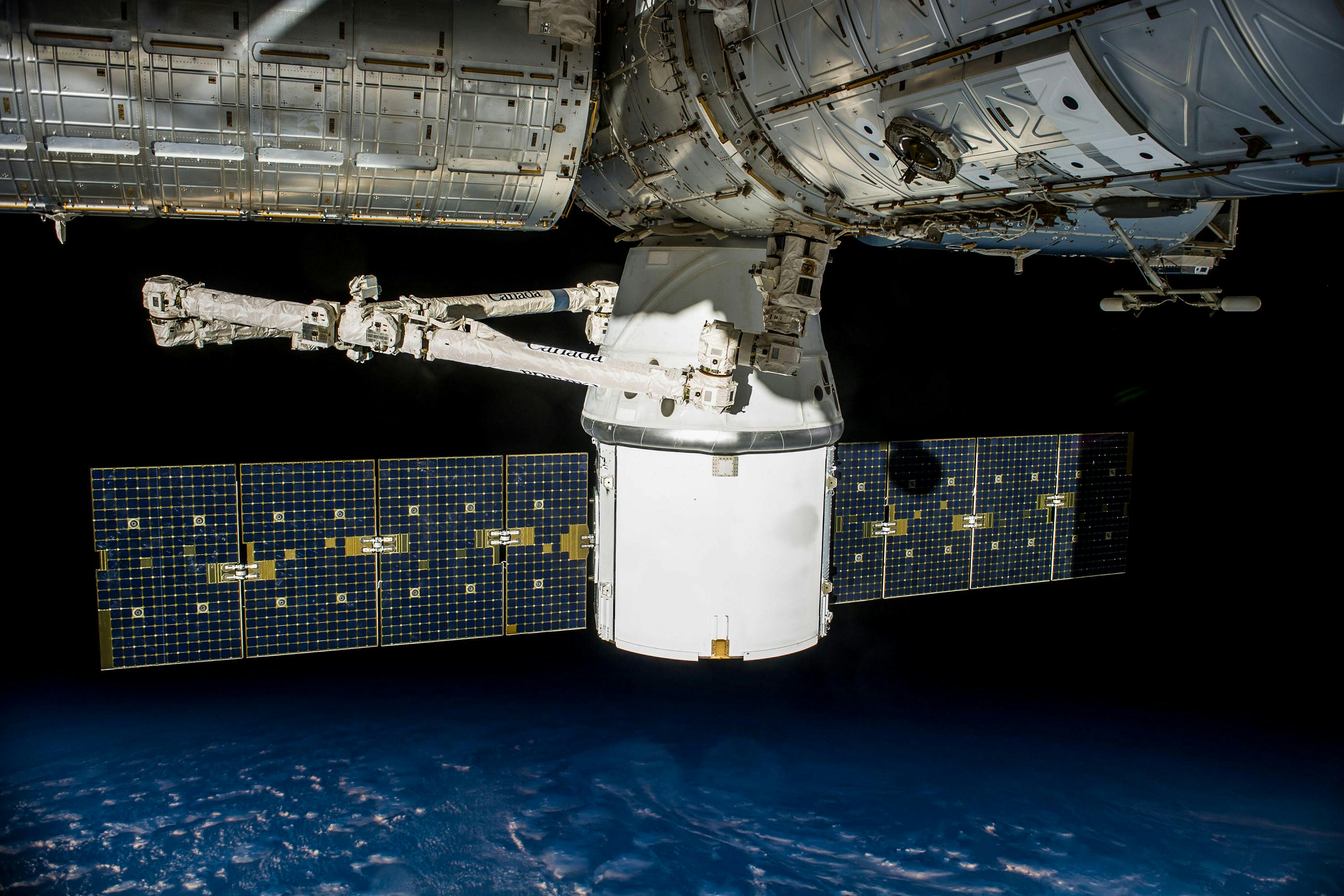
Today's report highlights a catastrophic failure during Starship preparations, significant advancements in Starlink services in Ukraine and India, and the successful launch of 28 Starlink satellites.
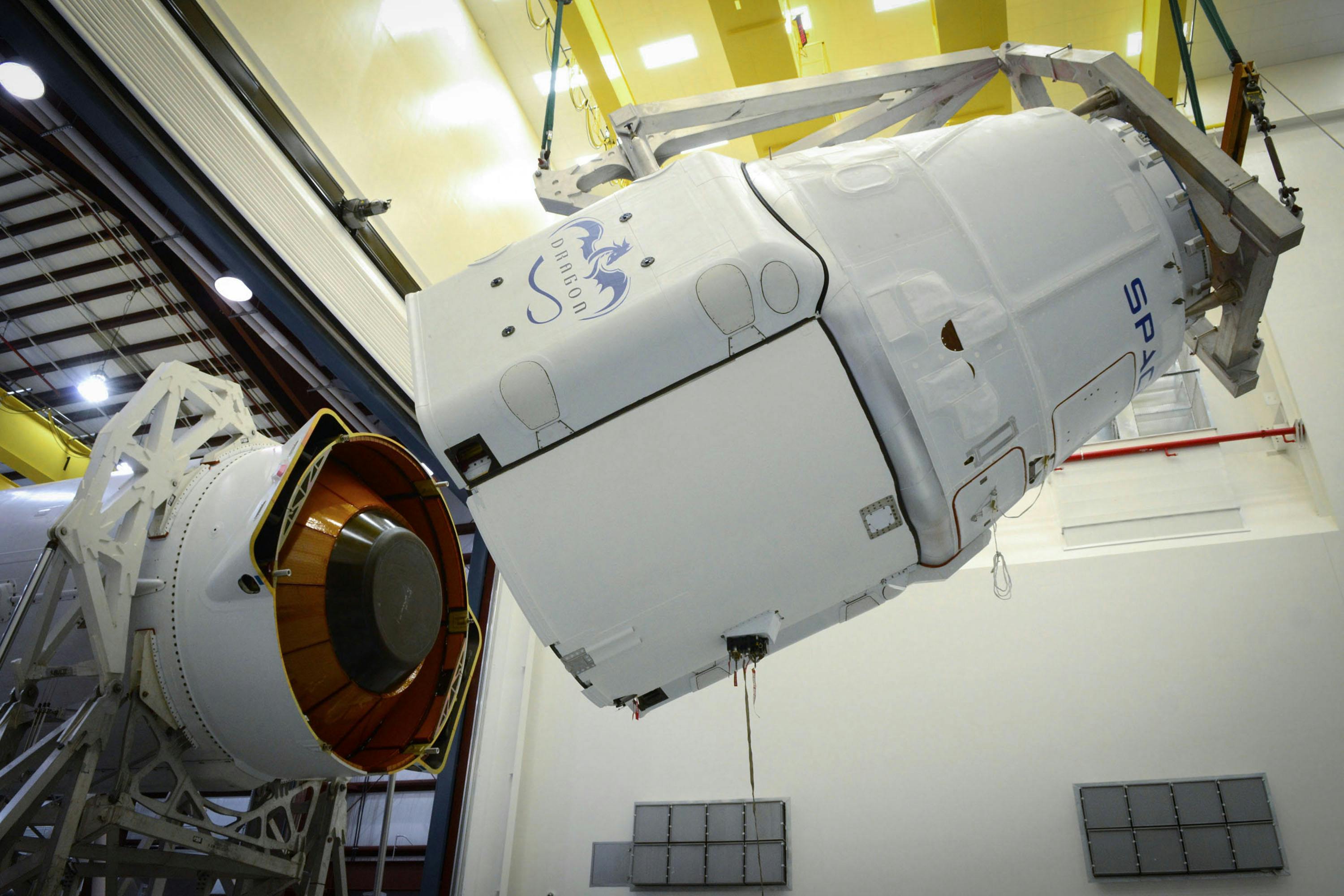
Today marks a significant day for SpaceX as the company prepares for the 9th test flight of its Starship-Super Heavy rocket, alongside a successful launch of 24 Starlink satellites to polar orbit.
ULA's Vulcan rocket grounded, imperiling Space Force WGS-11 communications satellite and Next-Gen OPIR missile warning payload. Both missions lack backup launch options.