


New Glenn Explodes at LC-36, Grounded Over 1 Year | KeepTrack Space Brief
Blue Origin's New Glenn rocket exploded at Cape Canaveral's LC-36, causing visible pad damage and a year-plus grounding. NASA lunar plans affected.



NORAD ID
55280
International Designator
2023-010M
Epoch
Sun, 19 Jul 2026 21:14:56 GMT
Apogee
Calculating...
Perigee
Calculating...
Inclination
70.00°
Right Ascension
71.29°
Eccentricity
Calculating...
Argument of Perigee
269.14°
Period
96.11 min
Mean Motion
14.98 rev/day
Latitude
Calculating...
Longitude
Calculating...
Altitude
Calculating...
Velocity
Calculating...
Name
STARLINK-5331
Alternative Name
Starlink 5331
Type
Status
Owner
SPXS
Country
United States
Constellation
N/A
Related Satellites
Major Events
N/A
1 55280U 23010M 26200.88538140 .00000375 00000+0 39201-4 0 9996
2 55280 69.9994 71.2918 0002895 269.1449 90.9379 14.98331320192570
Source: Celestrak
Length
0.2
Diameter
2.8
Span
9
Dry Mass
290
Launch Mass
305
Shape
Box + pan
Radar Cross Section
Unknown
Visual Magnitude
Unknown
Color
Unknown
Material Composition
Unknown
Payload
Starlink Group 2-4-12
Purpose
Communication
Mission
Communication
Manufacturer
SPXS
Life Expectancy
Unknown
Bus
Starlink
Configuration
Unknown
Motor
Krypton ion thrusters
Equipment
Ku/Ka-band payload, optical inter-satellite link
Power System
Solar arrays, batteries
ADCS
Unknown
Transmitter Frequency
Unknown
Learn more about satellites and other related topics.
Blue Origin's New Glenn rocket exploded at Cape Canaveral's LC-36, causing visible pad damage and a year-plus grounding. NASA lunar plans affected.

SpaceX gears up for two major Starlink launches, while regulatory challenges slow progress in India.

Record-breaking Chinese launches, SDA funding issues, and a new Starlink milestone highlight today's space news.
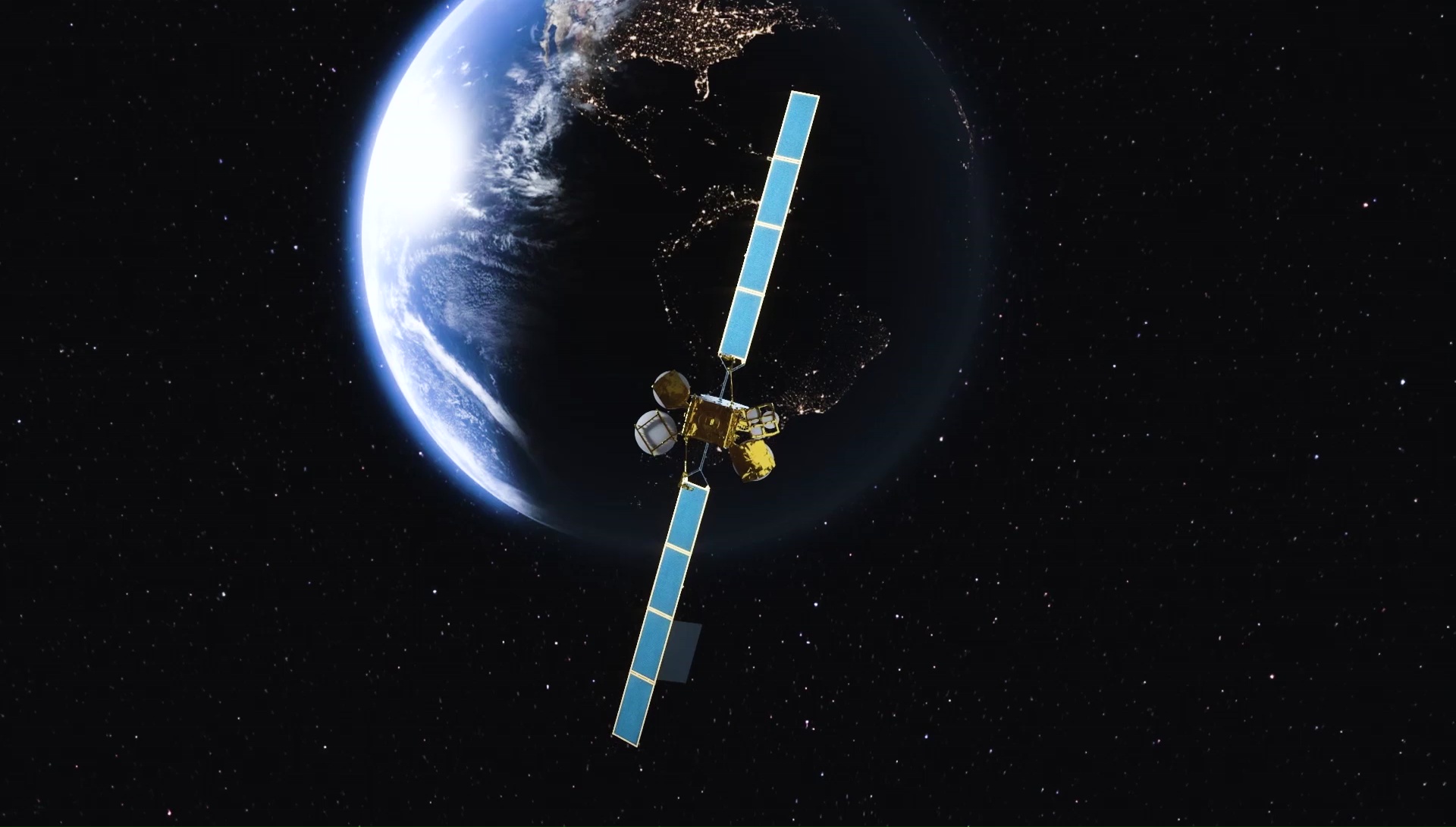
Europe's first high-power all-electric telecom satellite doesn't just sit above the Pacific - it got there on robotic arms and plasma thrusters, broke records doing it, and now keeps your airplane Wi-Fi running between LA and Tokyo.
FCC clears Reflect Orbital's first satellite to bounce sunlight into nighttime zones, despite pushback from astronomers concerned about orbital streaking and wildlife impacts.
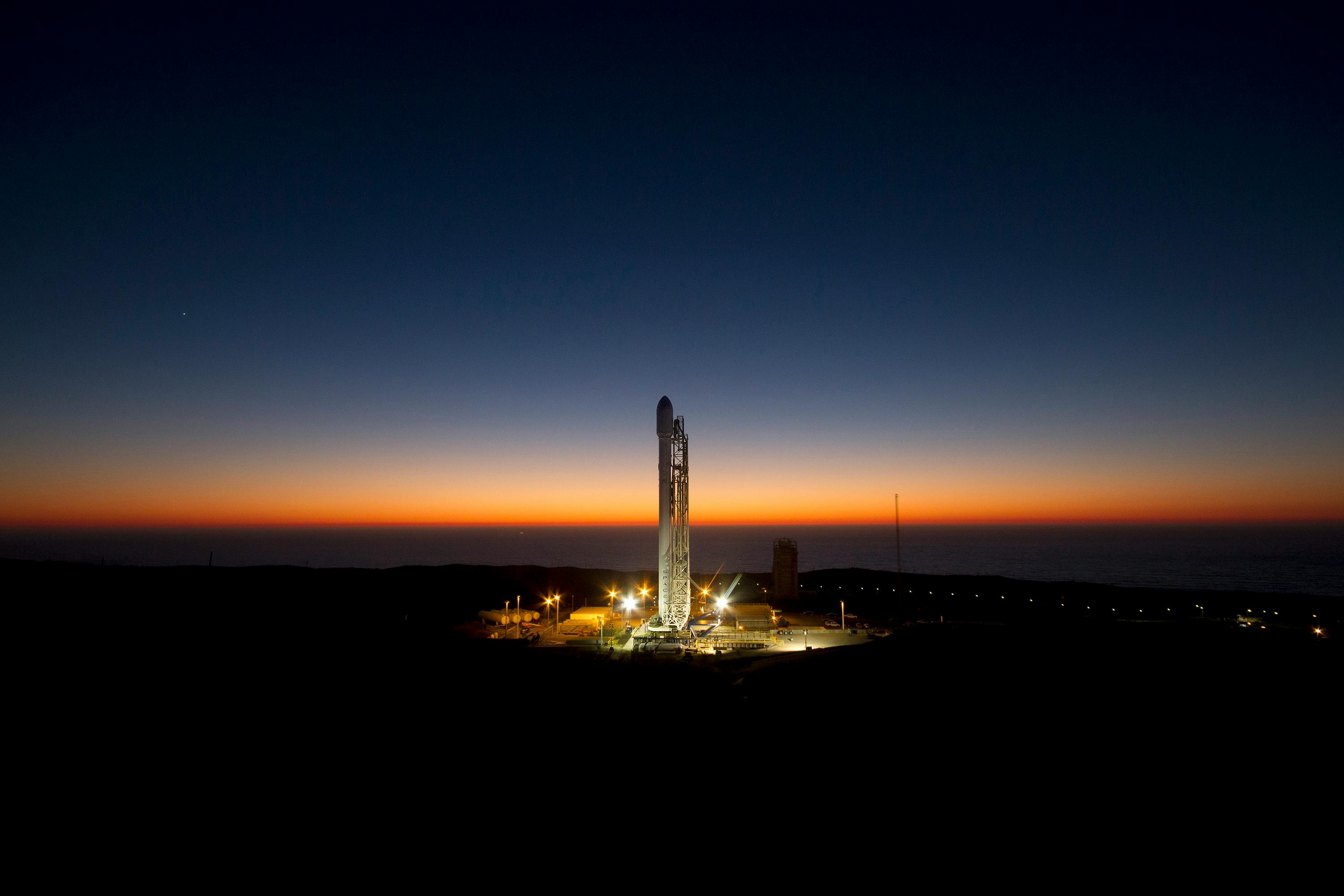
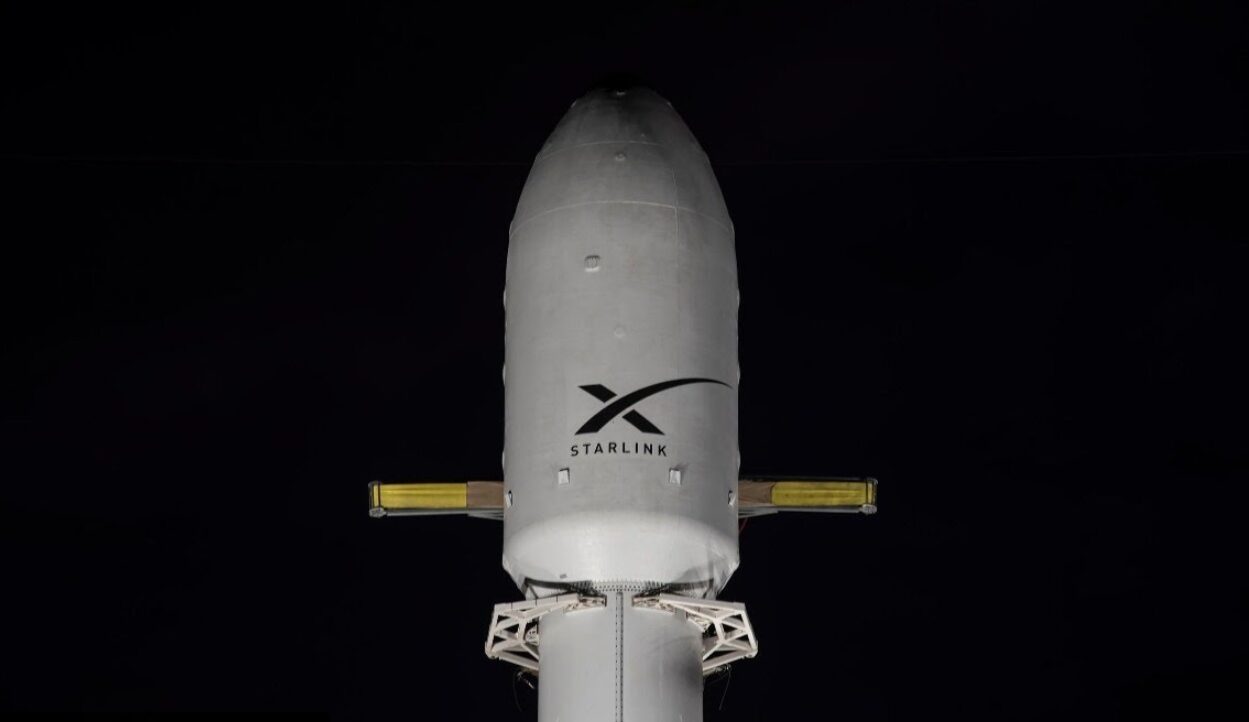
SpaceX has been active, with successful launches of Starlink satellites and major developments at Cape Canaveral, signaling a competitive edge in satellite communication and launch capabilities.

Today's Space Brief covers a crucial weather data decision by the U.S. Defense Department, an innovative power supply for aerospace systems, advancements in satellite link technology, and Norway's maritime surveillance. AI/ML tools for airspace management and concerns about defense testing capabilities are also highlighted.
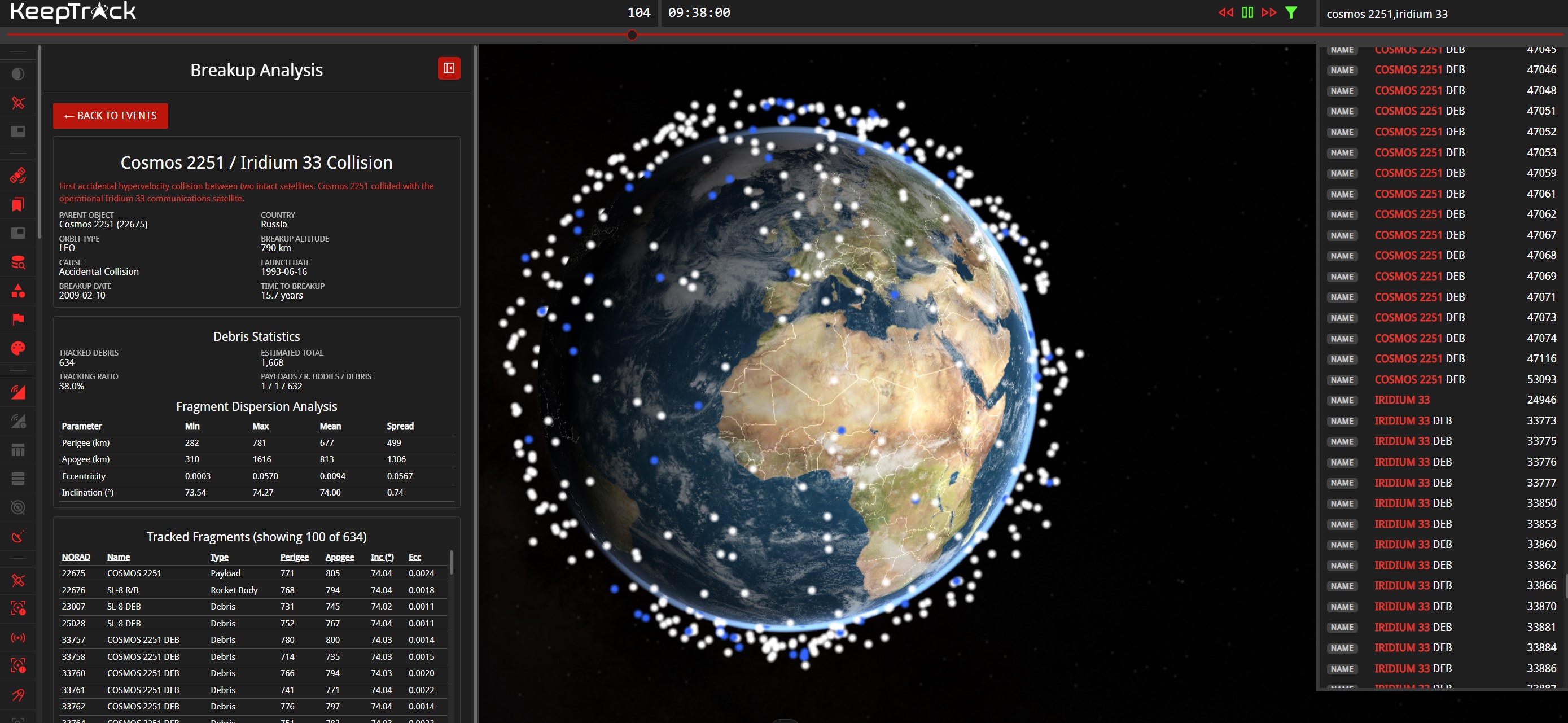
On February 10, 2009, an active Iridium communications satellite and a derelict Soviet military spacecraft slammed into each other 789 kilometers above Siberia. The collision produced more than 2,300 pieces of trackable debris that are still up there. Seventeen years later, the Iridium-Cosmos collision remains the event that made space debris a policy problem the world could no longer ignore.