STARLINK-5289 (55278)

COSPAR: 2023-010K | Alt Name: Starlink 5289

Image
STARLINK-5289 Satellite Image
Additional Sources
Launch Details

Launch Date

January 19, 2023

Launch Site

AFWTR

Launch Pad

SLC4E

Launch Vehicle

Falcon 9

Orbital Elements

NORAD ID

55278

International Designator

2023-010K

Epoch

Sun, 19 Jul 2026 18:44:43 GMT

Apogee

Calculating...

Perigee

Calculating...

Inclination

70.00°

Right Ascension

71.34°

Eccentricity

Calculating...

Argument of Perigee

271.50°

Period

96.11 min

Mean Motion

14.98 rev/day

Latitude

Calculating...

Longitude

Calculating...

Altitude

Calculating...

Velocity

Calculating...

Polar Plot
3D Visualization
Basic Satellite Info

Name

STARLINK-5289

Alternative Name

Starlink 5289

Type

Payload

Status

Operational

Owner

SPXS

Country

United States

Constellation

N/A

Related Satellites

Major Events

N/A

Latest TLEs
1 55278U 23010K   26200.78105440  .00000360  00000+0  37979-4 0  9999
2 55278  69.9994  71.3379 0002752 271.5020  88.5824 14.98330012192567

Source: Celestrak

Summary
STARLINK-5289, also known as Starlink 5289, is a communication satellite launched by SpaceX on January 19, 2023, from Vandenberg Space Force Base using a Falcon 9 launch vehicle. The spacecraft has dimensions of approximately 0.2 meters in length and 2.8 meters in diameter with a span of 9 meters. It was part of the Starlink Group 2-4-10 payload, which includes a Ku/Ka-band payload and an optical inter-satellite link for communication purposes. The satellite has a dry mass of 290 kilograms and was launched with a total mass of 305 kilograms. Its power is supplied by solar arrays and batteries, while its propulsion system uses Krypton ion thrusters. The spacecraft's design includes a box and pan shape, and it operates under the ownership of SpaceX for communication missions in Earth orbit.

Starlink is a satellite constellation developed by SpaceX with the aim of providing global broadband internet coverage. Thousands of small satellites are deployed in low Earth orbit (LEO), enabling high-speed internet access even in remote areas. However, the rapid increase in satellites raises concerns about space debris and the potential for collisions, which can lead to further debris creation and endanger other spacecraft. Additionally, the sheer number of Starlink satellites can affect astronomical observations by increasing light pollution. Proper deorbiting plans and international coordination are essential to mitigate these challenges and ensure long-term sustainability in space.
Physical Characteristics

Length

0.2

Diameter

2.8

Span

9

Dry Mass

290

Launch Mass

305

Shape

Box + pan

Radar Cross Section

Unknown

Visual Magnitude

Unknown

Color

Unknown

Material Composition

Unknown

Technical Details

Payload

Starlink Group 2-4-10

Purpose

Communication

Mission

Communication

Manufacturer

SPXS

Life Expectancy

Unknown

Bus

Starlink

Configuration

Unknown

Motor

Krypton ion thrusters

Equipment

Ku/Ka-band payload, optical inter-satellite link

Power System

Solar arrays, batteries

ADCS

Unknown

Transmitter Frequency

Unknown

Map
This tool will help you track the satellite's position and predict its upcoming passes over your location. Simply input the coordinates or click the geolocation button to get started.
Next Pass
Azimuth Elevation Time (Local)
Start Azimuth
Max Elevation
Stop Azimuth
Time Until
Pass Duration

Satellite Articles

View All Posts »

Learn more about satellites and other related topics.

X Report 18 Mar 2025

X Report 18 Mar 2025

Major breakthroughs as SpaceX prepares to bring astronauts home and multiple launches unfold this week.

Space Brief 30 May 2025

Space Brief 30 May 2025

Today's brief highlights significant advancements in satellite launches, new defense contracts, and technological integrations between major firms in the space sector.
X Report 8 May 2025

X Report 8 May 2025

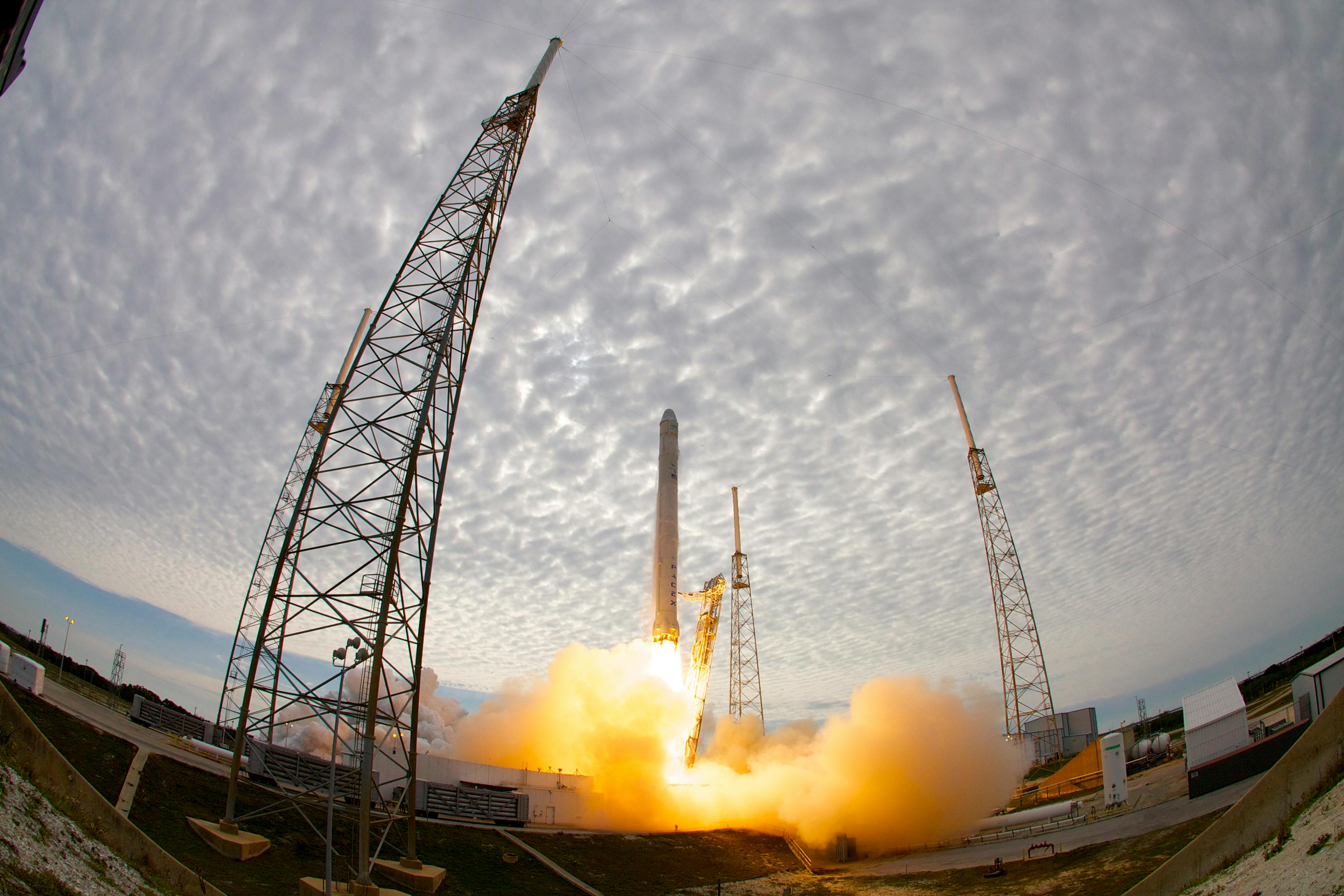
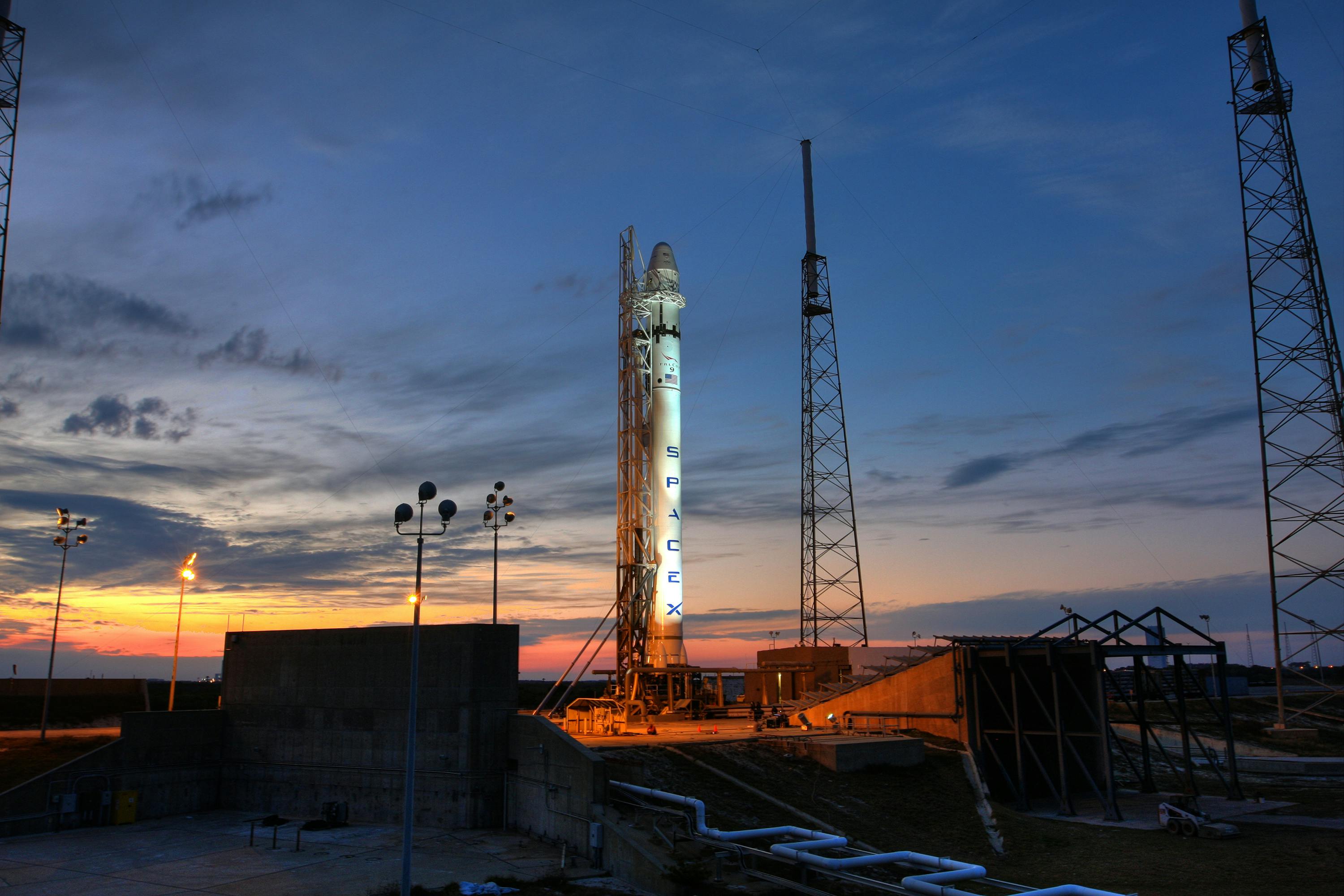
SpaceX launches 28 more Starlink satellites while addressing conflicts of interest and expanding home connectivity with a new router.
The Satellite That Found 22 Photons and Changed Astronomy

The Satellite That Found 22 Photons and Changed Astronomy

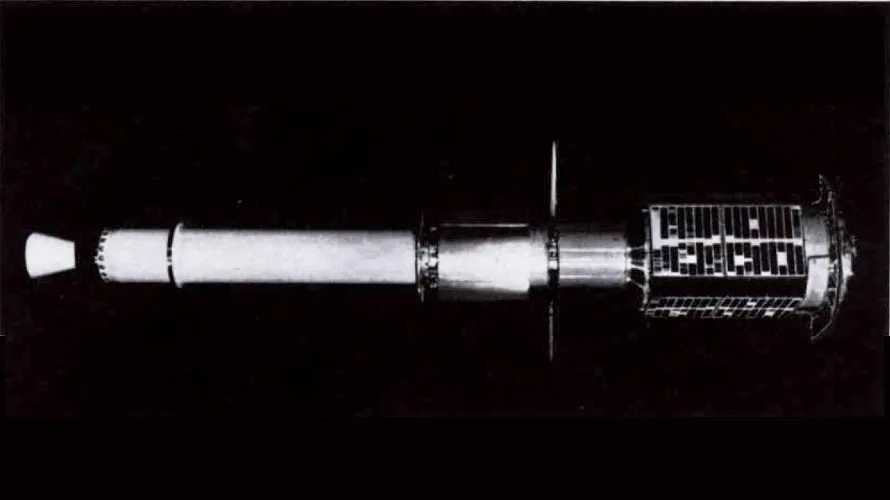
On April 27, 1961, a Scout rocket lifted a 37-kilogram NASA satellite into orbit from Wallops Island carrying the first serious instrument for detecting cosmic gamma rays. Explorer 11 operated for seven months before its tape recorder failed. In that time it registered 22 gamma-ray photons - a pitiful number by modern standards, but enough to launch an entire branch of astronomy.
FAA Grounds Starship V3 for Mishap Probe, X Report 29 May 2026

FAA Grounds Starship V3 for Mishap Probe, X Report 29 May 2026

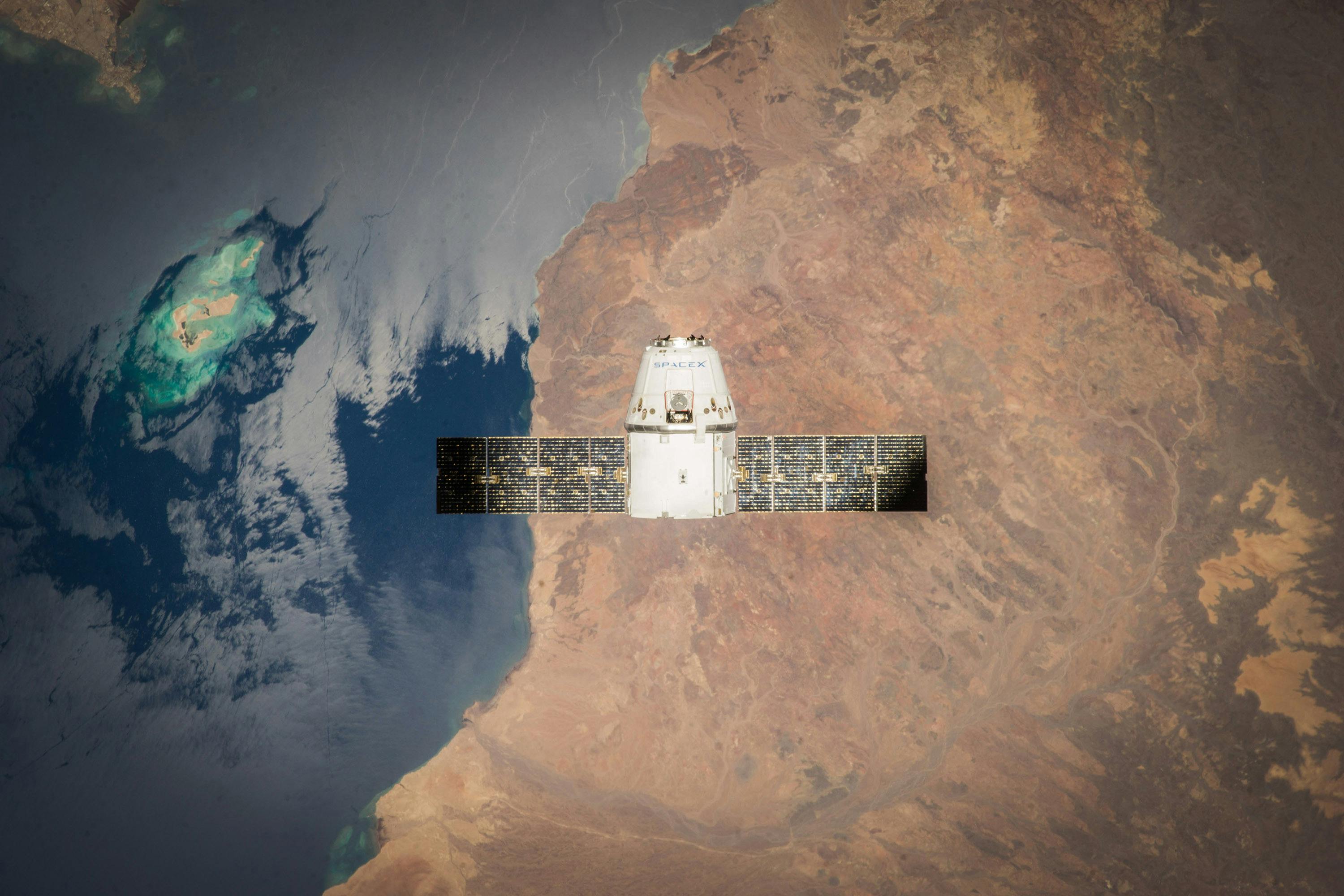
FAA grounds Starship pending a mishap investigation into the V3 debut flight; return to flight hinges on FAA sign-off. Starlink 10-53 added 29 sats.

Space Brief 9 Oct 2025

Space Brief 9 Oct 2025

Today's briefing covers key developments in defense budgets reshaping the space sector, significant Space Force contracts, and the latest news from the Chinese space station.

X Report 30 Jan 2025

X Report 30 Jan 2025

SpaceX's Falcon 9 launches SpainSat NG-1 satellite as Starlink compatibility causes market ripples.
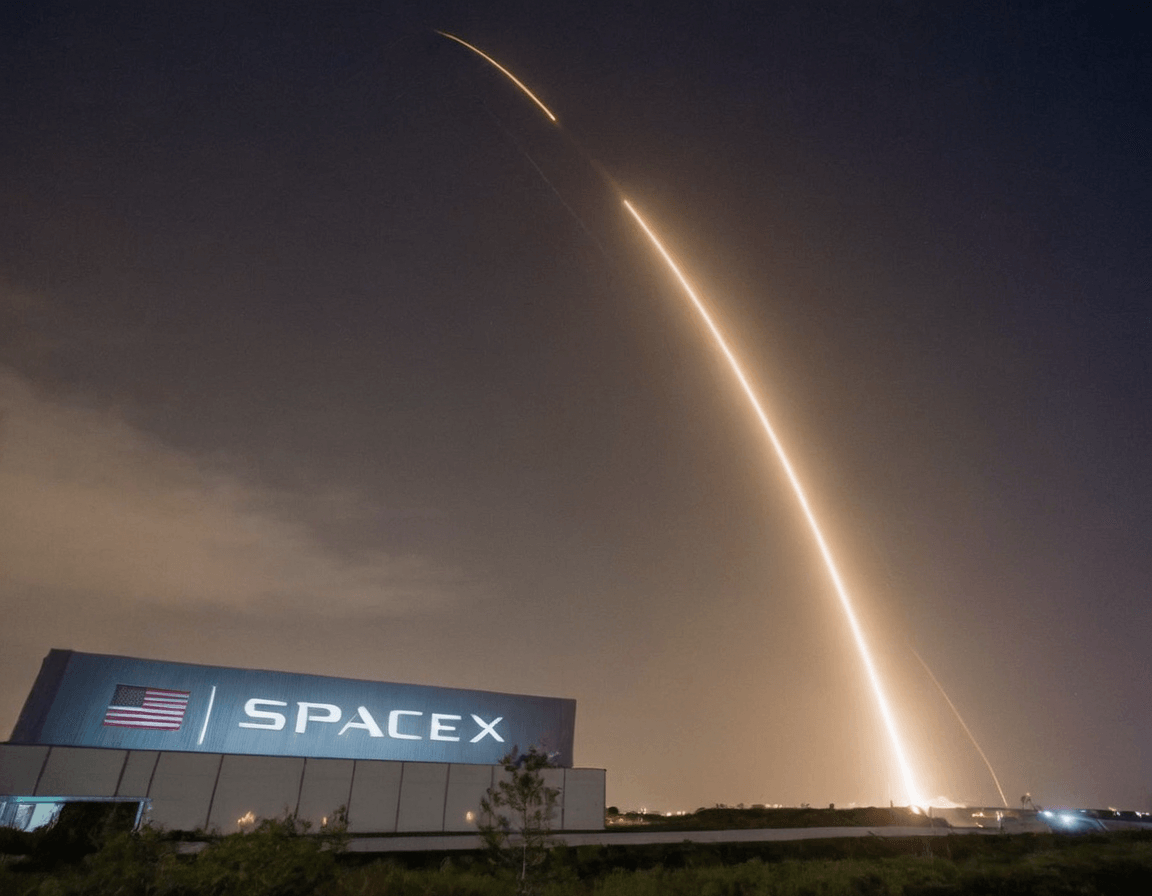
SpaceX Resumes Falcon 9 Launches After Investigating Upper Stage Anomaly

SpaceX Resumes Falcon 9 Launches After Investigating Upper Stage Anomaly

SpaceX successfully returns to flight with a Starlink mission, detailing the cause of the July 11 anomaly and implementing fixes to prevent future incidents.