

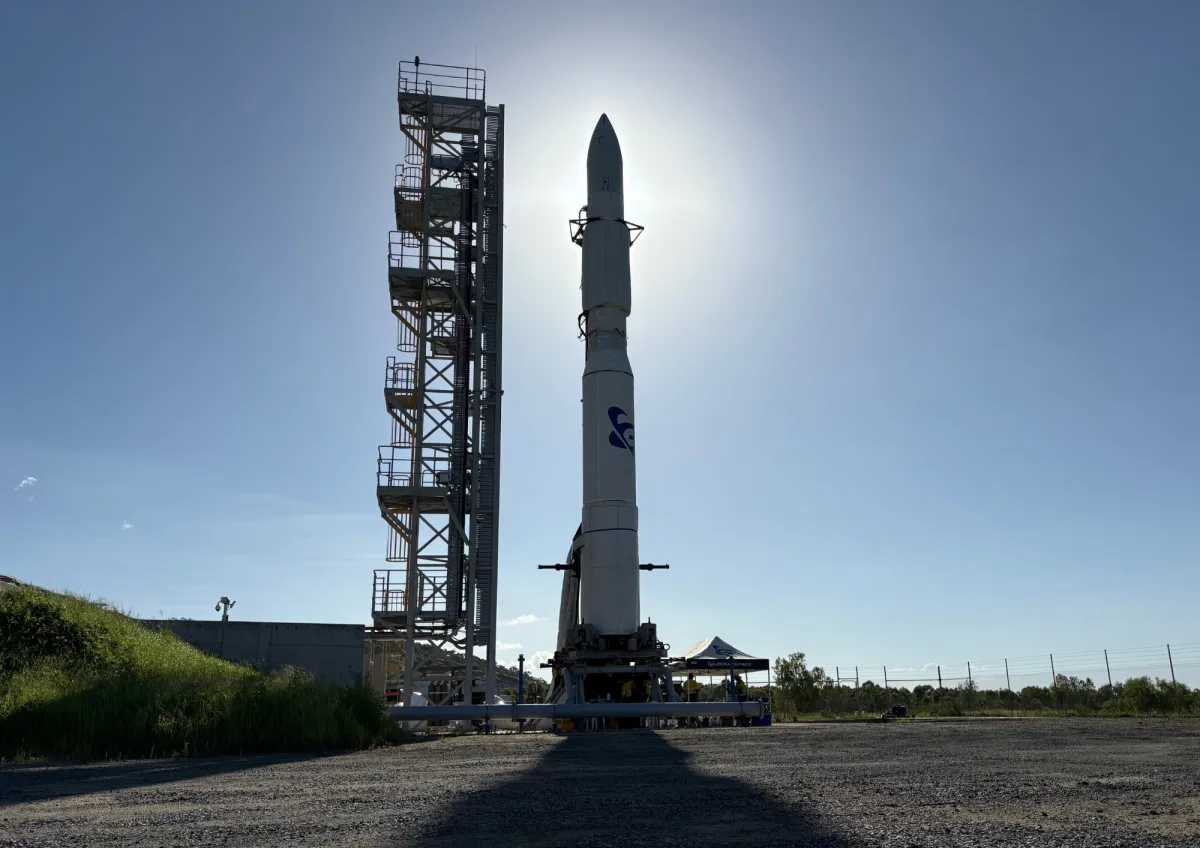
Space Brief 6 Mar 2025
Today's brief covers secret Space Force payloads monitoring China's satellites, collaborations reducing satellite tracking delays, and new AI projects for military operations.


Launch Date
October 23, 1970
Launch Site
Launch Pad
LC90/20
Launch Vehicle
Tsiklon-2
NORAD ID
05525
International Designator
1970-089CH
Decay Date
12/14/1990
Name
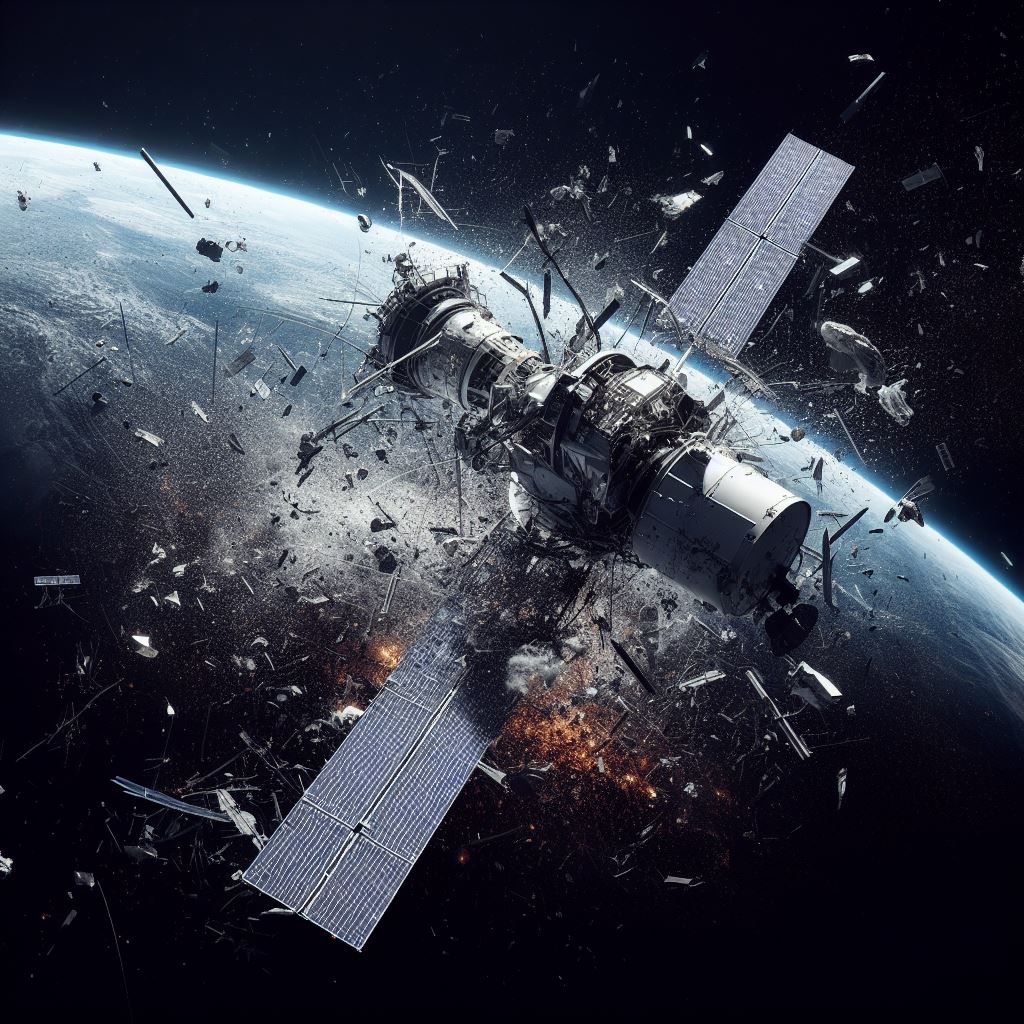
COSMOS 374 DEB
Alternative Name
Unknown deb
Type
Status
Owner
PKO
Country
USSR
Constellation
N/A
Related Satellites
Major Events
N/A
Length
0
Diameter
0
Span
0
Dry Mass
0
Launch Mass
0
Shape
N/A
Radar Cross Section
0.0152
Visual Magnitude
Unknown
Color
Unknown
Material Composition
Unknown
Payload
Unknown
Purpose
Unknown
Mission
Unknown
Manufacturer
Unknown
Life Expectancy
Unknown
Bus
Unknown
Configuration
Unknown
Motor
Unknown
Equipment
Unknown
Power System
Unknown
ADCS
Unknown
Transmitter Frequency
Unknown
Learn more about satellites and other related topics.
Today's brief covers secret Space Force payloads monitoring China's satellites, collaborations reducing satellite tracking delays, and new AI projects for military operations.

Musk confirms Starmind, an AI satellite constellation targeting 1 million orbital compute nodes. Starfall's debut and Dragon's ISS departure follow.
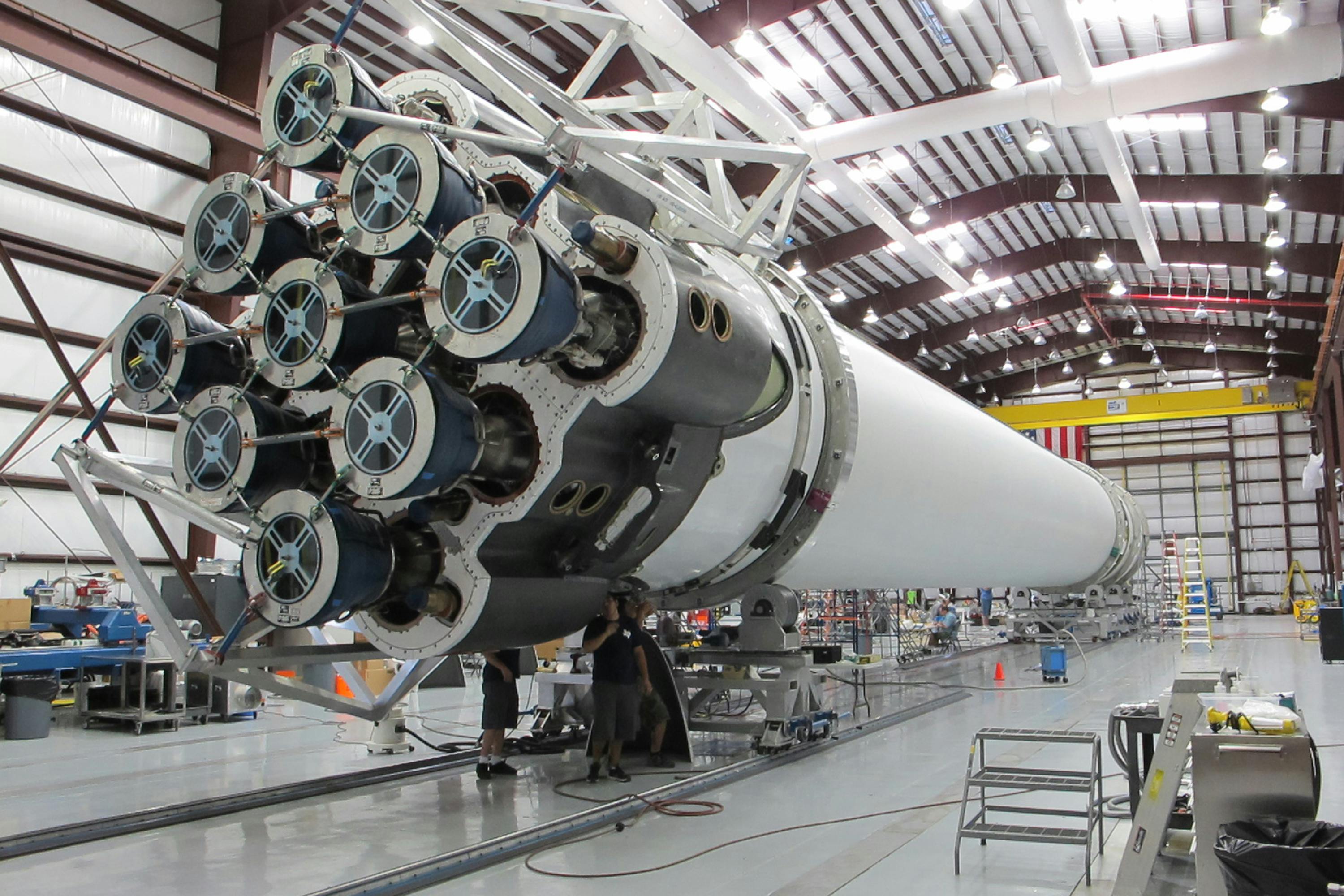
SpaceX Starlink updates for 2026 open with Starlink 6-88: 29 satellites from Cape Canaveral on Jan 4, after a record 165-launch 2025.
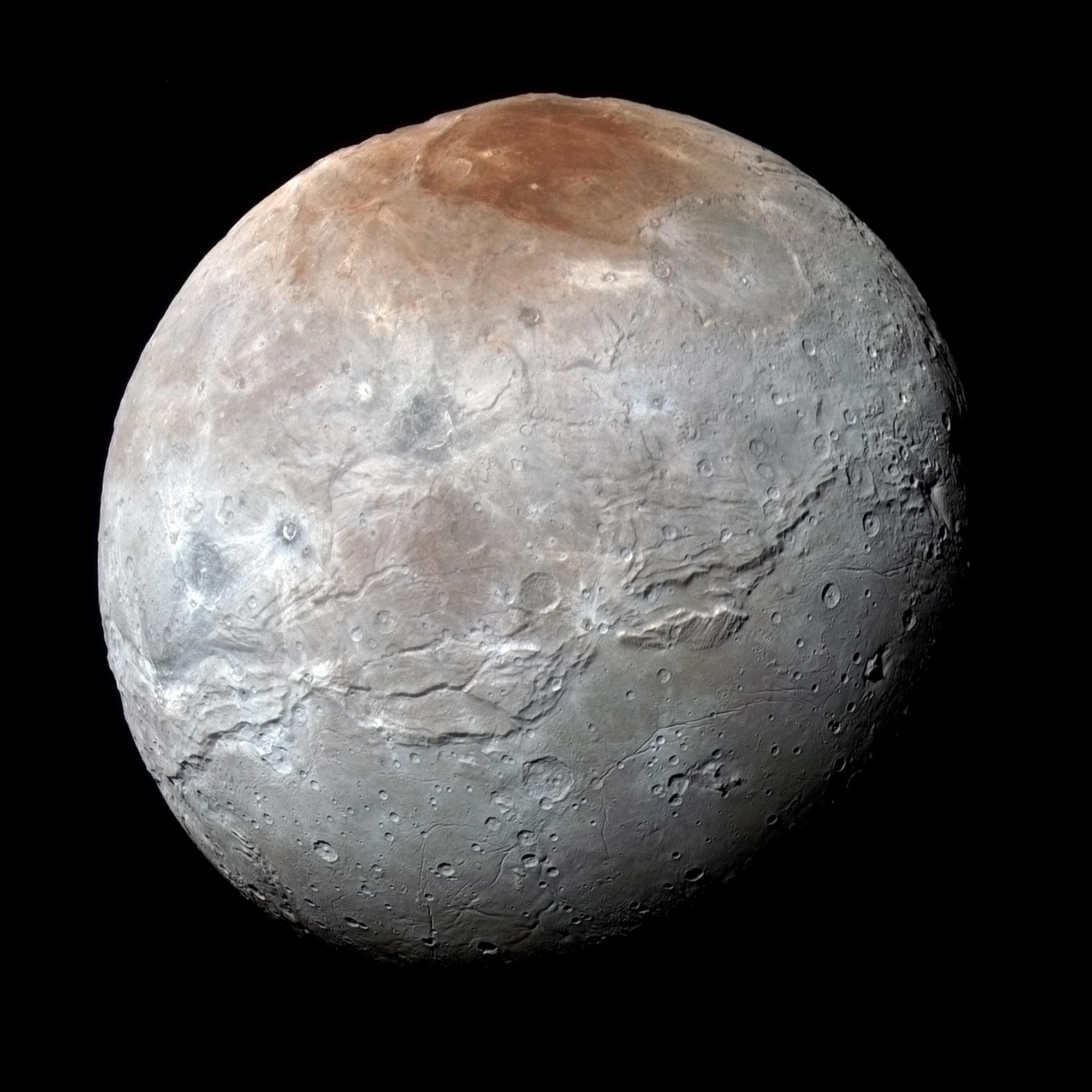
On 22 June 1978, an astronomer at the U.S. Naval Observatory looked at photographic plates that had been stamped 'image defective' and noticed a small bump on the side of Pluto. The bump was a moon, and finding it finally let astronomers weigh a planet that had fooled them for half a century.
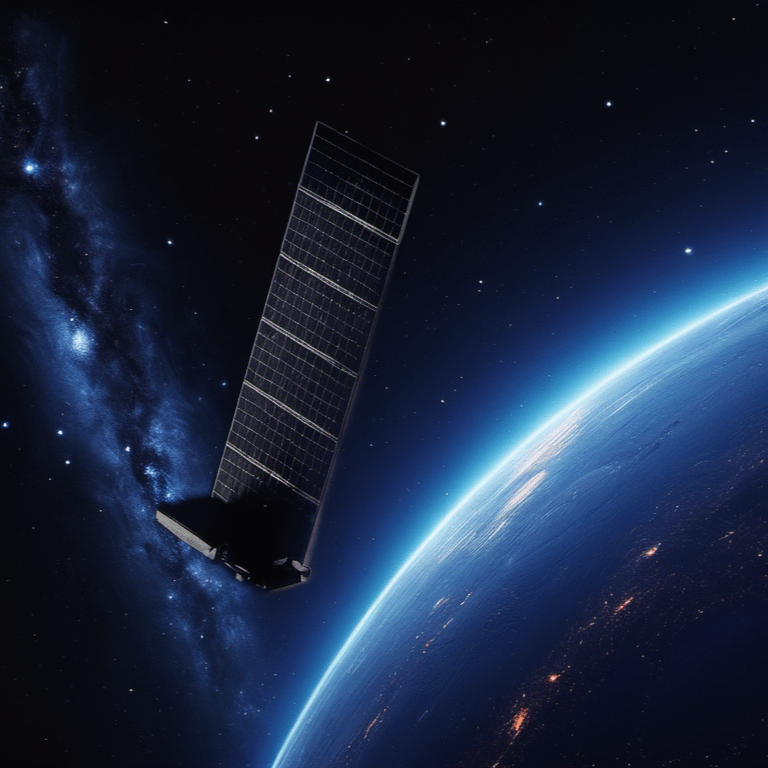
This article delves into SpaceX's incredible journey from its inception to becoming a space industry leader, and its Starlink project's mission to provide global internet access.

Explore the latest developments in international defense collaborations, aerospace advancements, and emerging military trends shaping our orbital environments.

SpaceX receives FAA clearance for Starship Flight 10 and celebrates its 100th Falcon 9 launch of the year, successfully deploying 24 Starlink satellites.
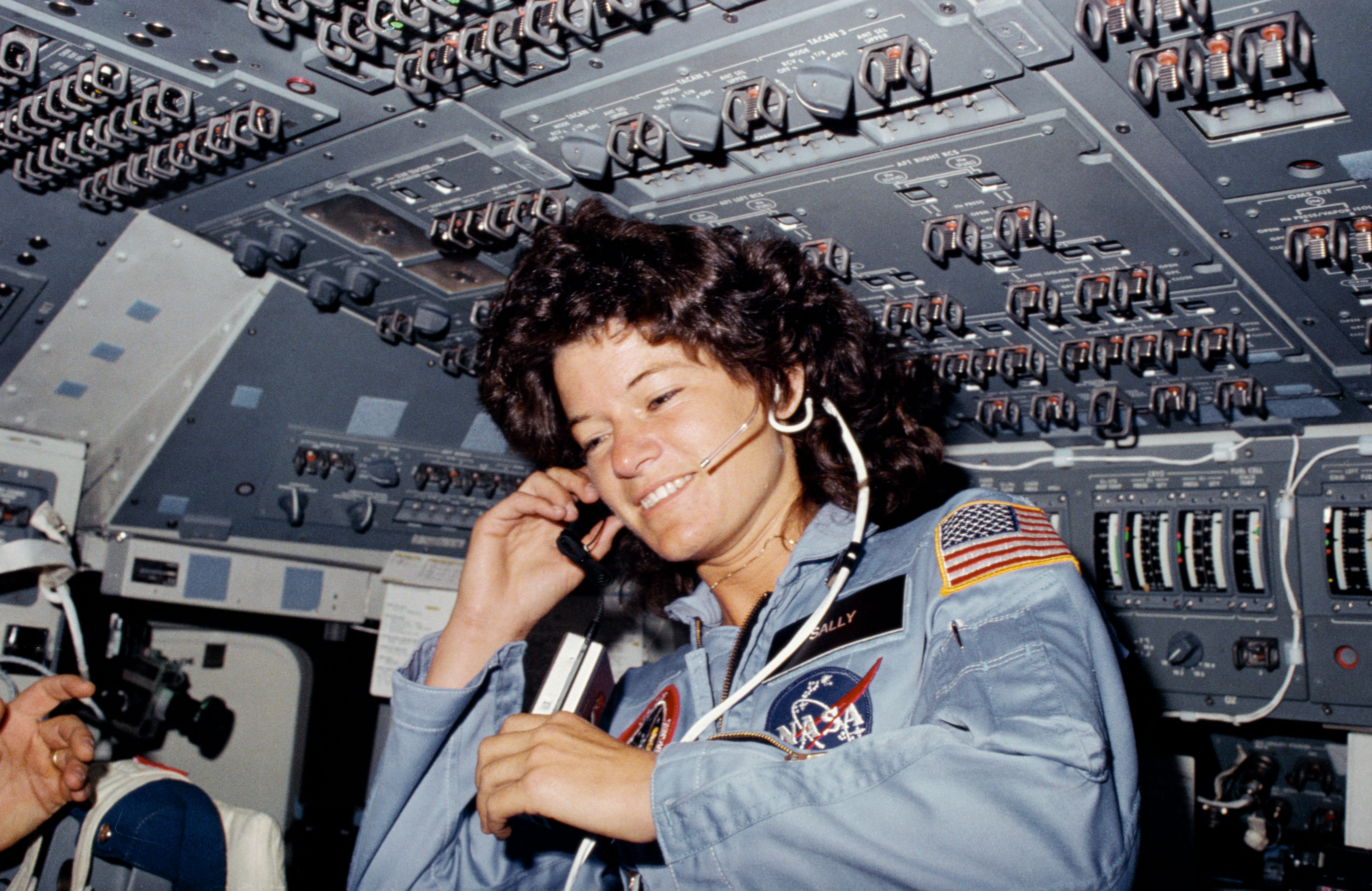
At 7:33 on the morning of 18 June 1983, a 32-year-old astrophysicist named Sally Ride rode Challenger off Pad 39A and became the first American woman in space. She got there two decades after the Soviets, and only after months of being asked whether spaceflight would damage her reproductive organs and whether she planned to cry.