


$4.16B Space Force Contract Goes to SpaceX, X Report 30 May 2026
SpaceX wins a $4.16B US Space Force contract for an airborne threat tracking satellite network. Starlink holds 10,413 satellites in orbit, 10,397 working.


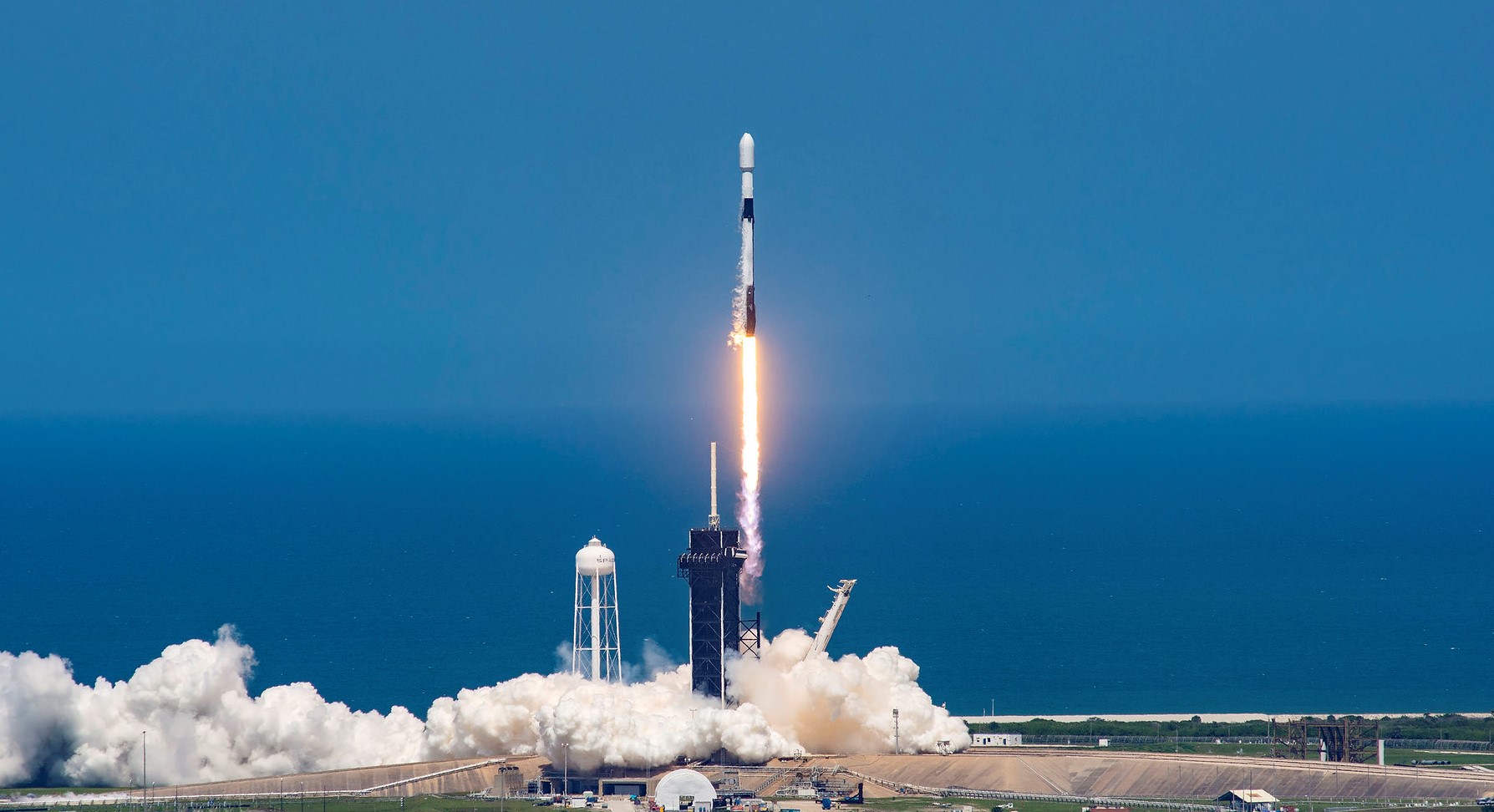
Launch Date
January 3, 2023
Launch Site
Launch Pad
LC40
Launch Vehicle
NORAD ID
55104
International Designator
2023-001CZ
Epoch
Sun, 19 Jul 2026 20:24:42 GMT
Apogee
Calculating...
Perigee
Calculating...
Inclination
97.31°
Right Ascension
270.09°
Eccentricity
Calculating...
Argument of Perigee
4.18°
Period
92.89 min
Mean Motion
15.50 rev/day
Latitude
Calculating...
Longitude
Calculating...
Altitude
Calculating...
Velocity
Calculating...
Name
SHARJAHSAT-1
Alternative Name
Sharjah-Sat-1
Type
Status
Owner
SHARJ
Country
United Arab Emirates
Constellation
N/A
Related Satellites
Major Events
N/A
1 55104U 23001CZ 26200.85049117 .00011810 00000+0 21065-3 0 9993
2 55104 97.3139 270.0944 0004291 4.1836 355.9450 15.50226569197552
Source: Celestrak
Length
0.3
Diameter
0.1
Span
0.3
Dry Mass
4
Launch Mass
4
Shape
Box
Radar Cross Section
Unknown
Visual Magnitude
Unknown
Color
Unknown
Material Composition
Unknown
Payload
Sharjah-Sat-1
Purpose
Technology
Mission
Technology
Manufacturer
SHARJ
Life Expectancy
Unknown
Bus
Cubesat 3U
Configuration
CubeSat (3U)
Motor
None
Equipment
Unknown
Power System
Solar cells, batteries
ADCS
Unknown
Transmitter Frequency
Unknown
Learn more about satellites and other related topics.
SpaceX wins a $4.16B US Space Force contract for an airborne threat tracking satellite network. Starlink holds 10,413 satellites in orbit, 10,397 working.
Today's highlights include a Minotaur IV launch of U.S. spy satellites, Rocket Lab's new defense contracts, and the unveiling of Space Force's warfighting framework. Plus, the Satellite Spotlight dives into METEOR 3-1.

AI tools outperform human planners in Air Force battle management experiment. DARPA pursues quantum computing interoperability. Canada's Atlantic Spaceport Complex gets environmental approval.

U.S. Space Force executes first tactical orbital intercept under Victus Haze mission using commercial spacecraft. Rendezvous and proximity operations now operationally demonstrated.
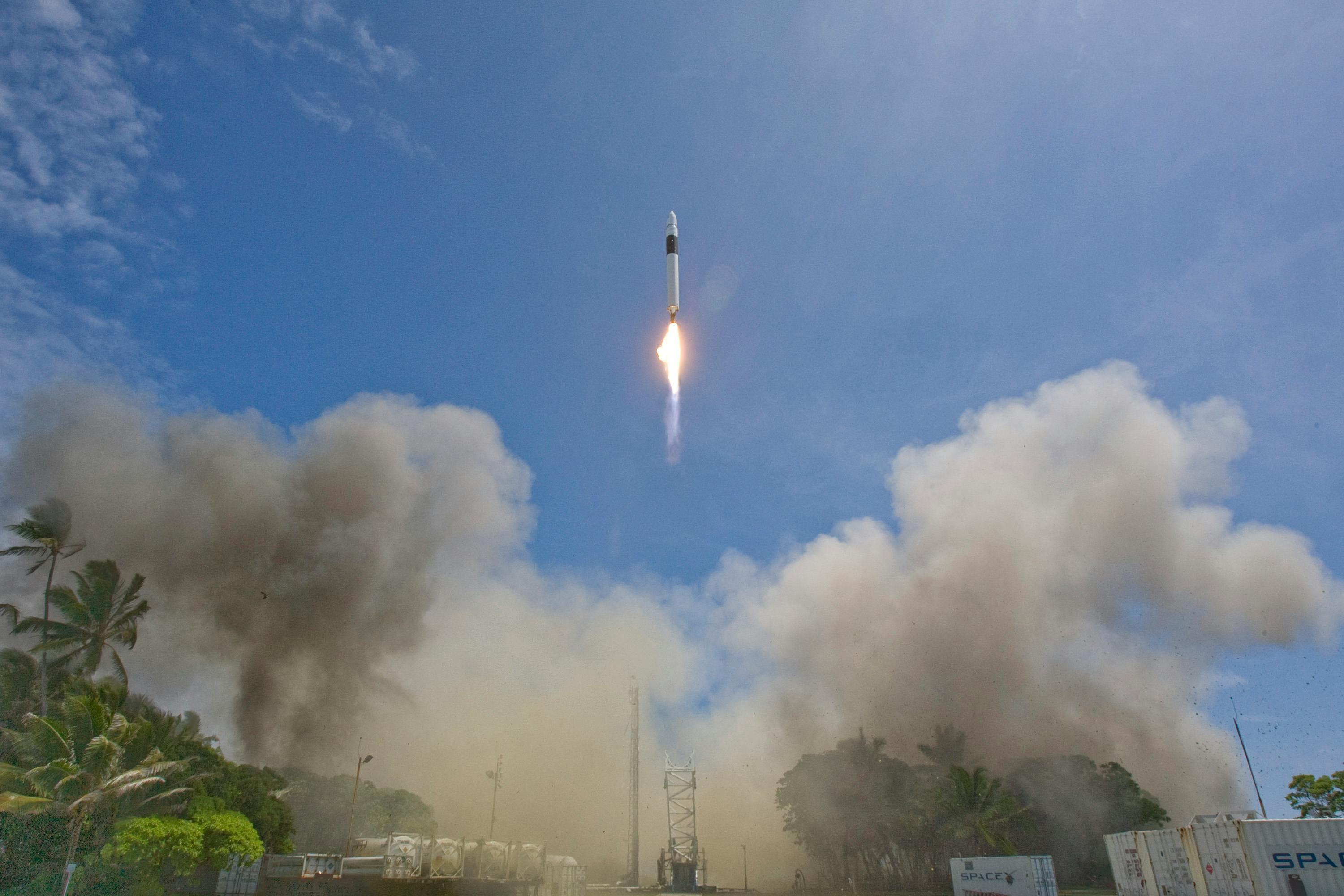
SpaceX's Starlink V2 promises 100x data density for 5G direct-to-phone service. Deutsche Telekom targets 10 European countries by 2028.
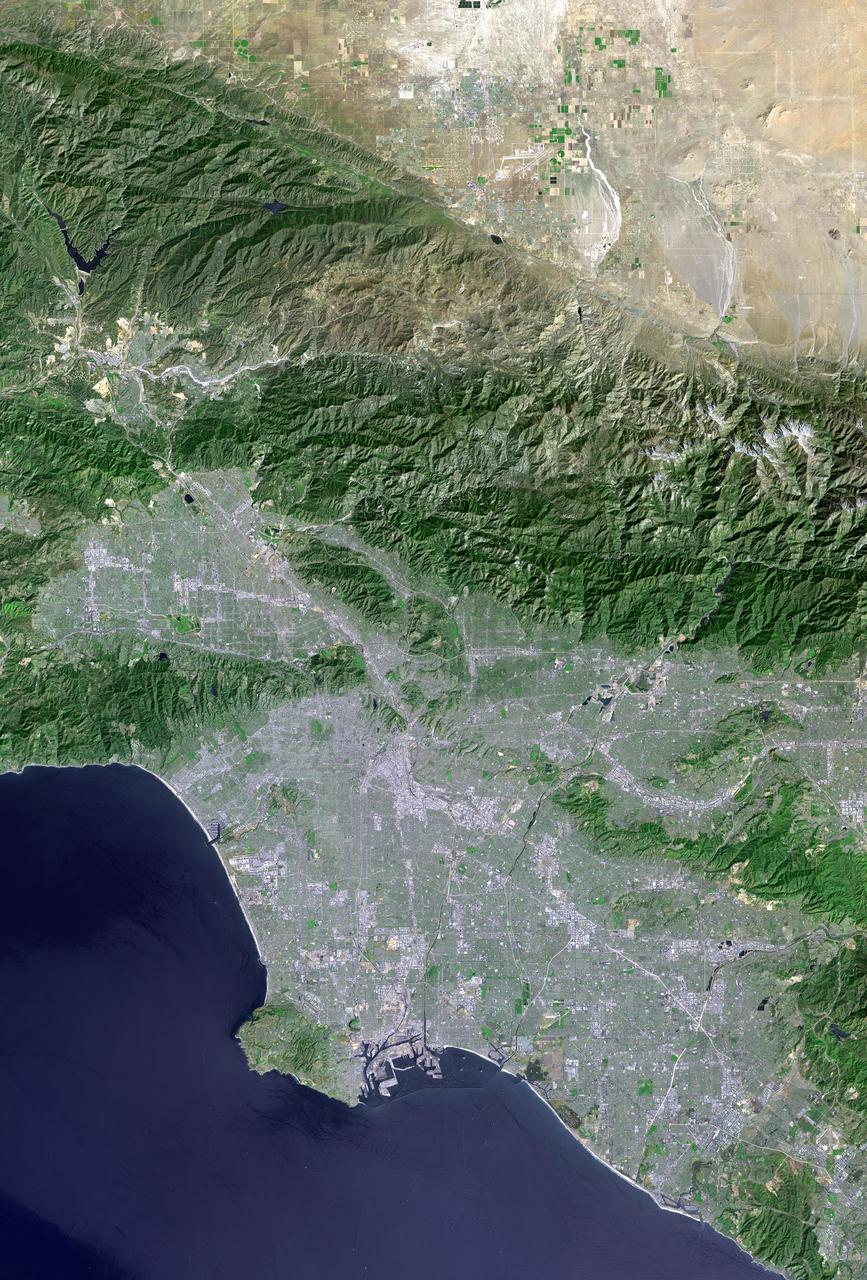
Landsat 7 launched on April 15, 1999, designed to last five years. It operated for twenty-five, survived a failure that destroyed a fifth of every image it took, and became part of the longest continuous record of Earth's surface ever assembled. Then they made the data free.
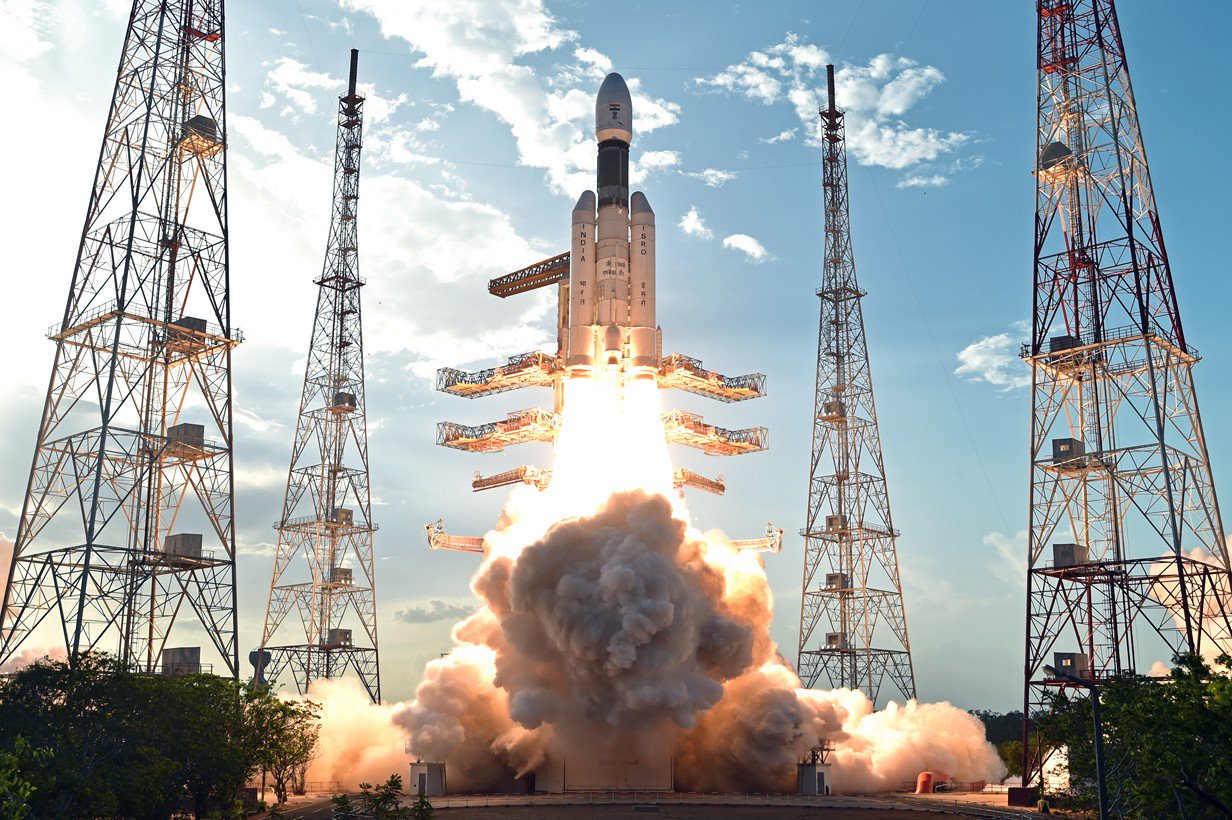
Today's stories cover Rocket Lab's innovative DiskSat launch, Digantara's expansion to missile defense, and DARPA's satellite surveillance network expansion, among other updates in military and satellite technology.
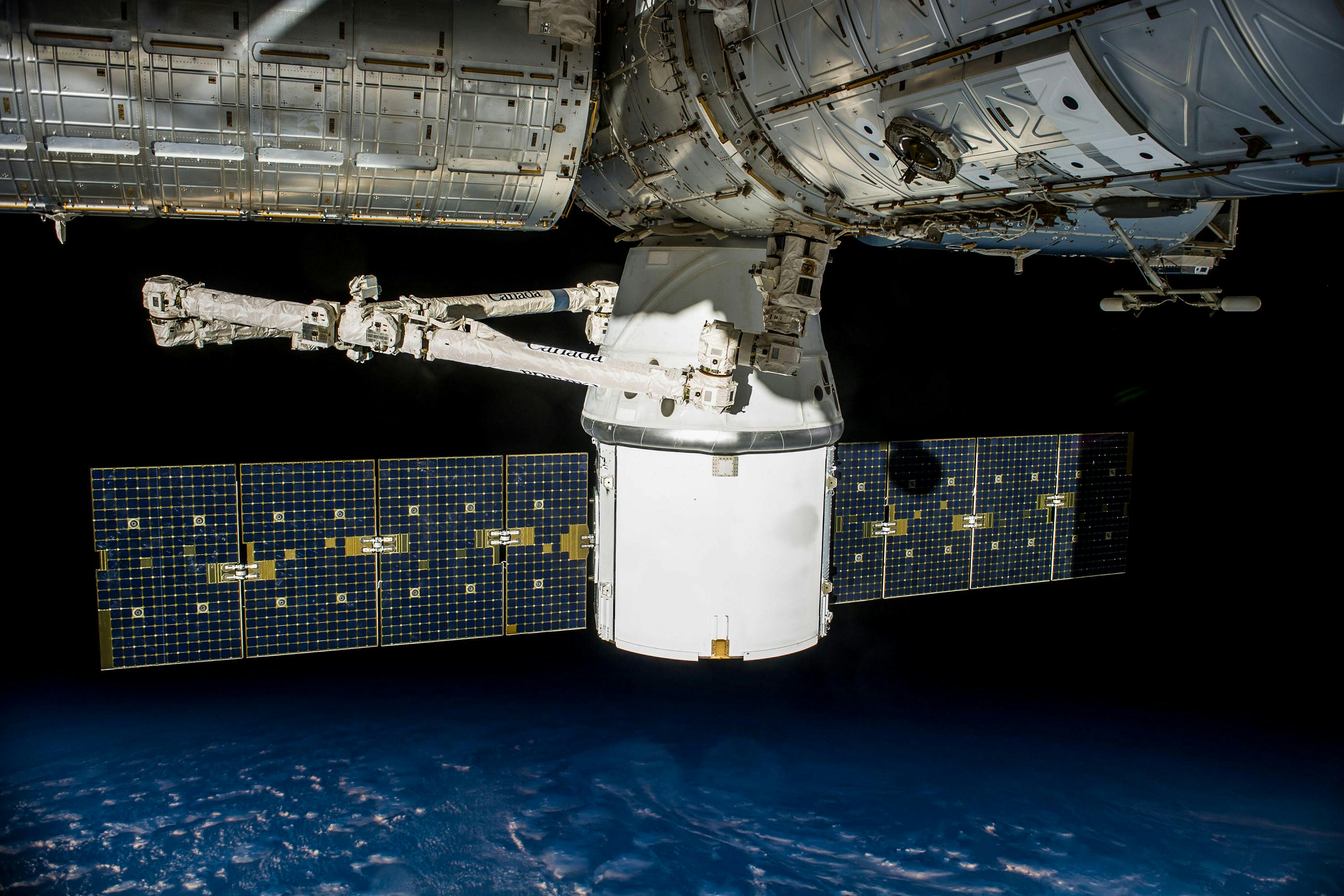
SpaceX makes significant strides with Starship Flight Test 10 approved and updates on the new Starbase pad design.