

SpaceX Files $18.7B IPO as Starship V3 Debuts | KeepTrack X Report
SpaceX's S-1 reveals $18.7B in revenue as Starship Flight 12 debuts Block 3 hardware from Pad 2 on May 21, 2026.


Launch Date
January 3, 2023
Launch Site
Launch Pad
LC40
Launch Vehicle
NORAD ID
55064
International Designator
2023-001BH
Decay Date
1/29/2026
Name
NUSAT-32 (ALBANIA-1)
Alternative Name
Albania-1
Type
Status
Owner
URUGUS
Country
Uruguay
Constellation
N/A
Related Satellites
Major Events
N/A
Length
0.813
Diameter
0.508
Span
0.813
Dry Mass
38.5
Launch Mass
41.5
Shape
Box
Radar Cross Section
Unknown
Visual Magnitude
Unknown
Color
Unknown
Material Composition
Unknown
Payload
NuSat-32
Purpose
Earth observation
Mission
Earth observation
Manufacturer
URUGUS
Life Expectancy
3-4 years
Bus
Newsat V
Configuration
Unknown
Motor
None
Equipment
Imaging payload (all), LUSEX U/V linear transponder payload (#1)
Power System
Solar cells, batteries
ADCS
Unknown
Transmitter Frequency
Unknown
Learn more about satellites and other related topics.
SpaceX's S-1 reveals $18.7B in revenue as Starship Flight 12 debuts Block 3 hardware from Pad 2 on May 21, 2026.

SpaceX advances with new Starship engine tests and celebrates a festive launch at Vandenberg. Jared Isaacman's NASA nomination brings excitement and scrutiny.

SpaceX launches Starlink while debuting on Nasdaq at $1.77 trillion valuation. Meanwhile, Senate FY2027 NDAA would dissolve SDA into Space Force, affecting Tranche constellation tracking.
Sixty-eight years ago, America's first satellite exploded on the launchpad in front of the entire world. But from the ashes of Vanguard TV-3 came the determination that would eventually win the Space Race.
Today focuses on Blue Origin's preparation for New Glenn's debut, SpaceX Crew-9's ISS maneuver, the importance of U.S.-China cooperation in space, and breathtaking ISS photography.

Today's briefing focuses on key developments in military space activities, technological advancements, and strategic challenges faced by the U.S. in space dominance. Notably, the Space Force is expanding its missile warning capabilities, and significant funding discussions are underway.
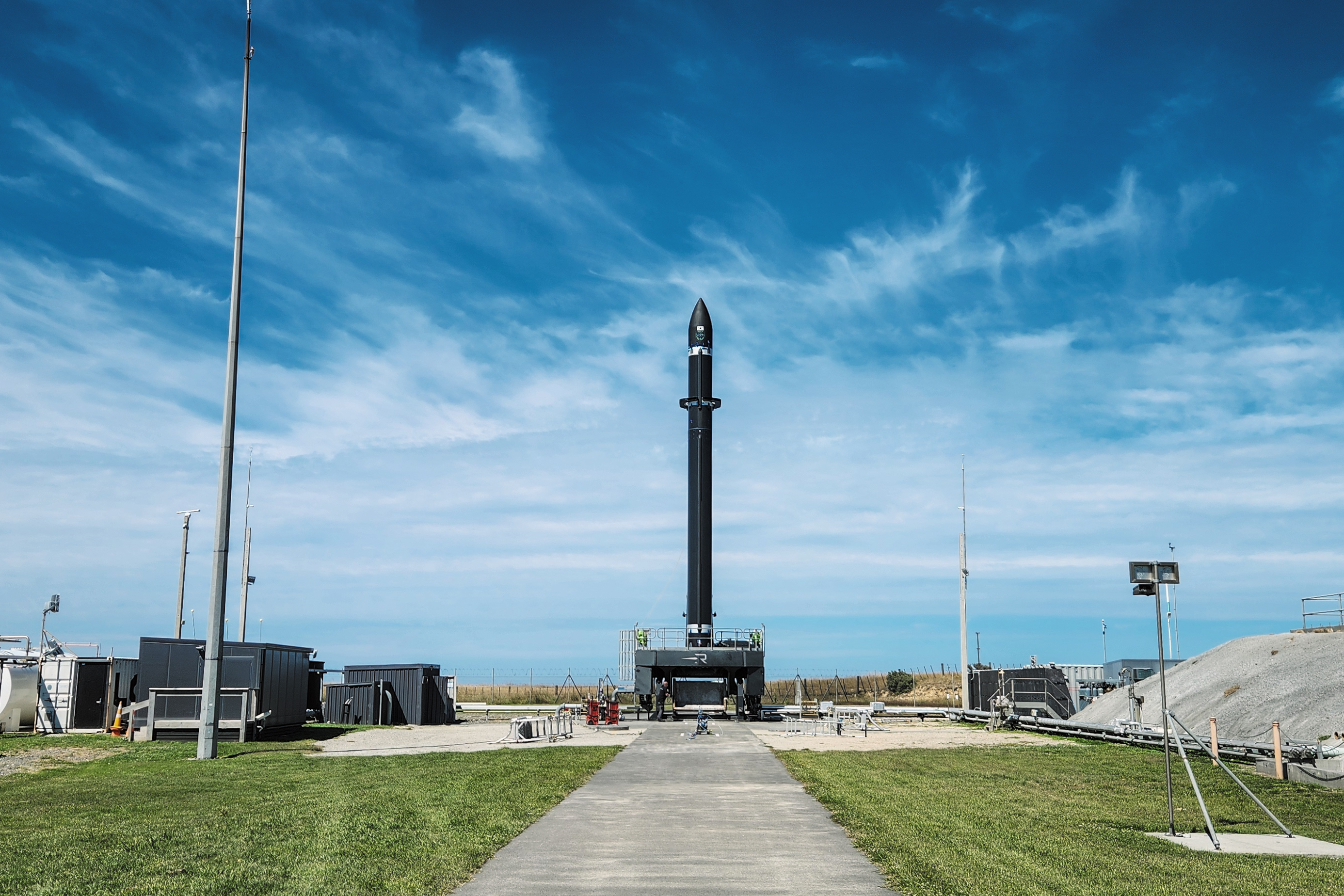
Space Force terminates Resilient GPS satellite program. China successfully tests Long March 12B reusable first stage at Jiuquan. GE and Lockheed validate detonation ramjet for hypersonic missiles.
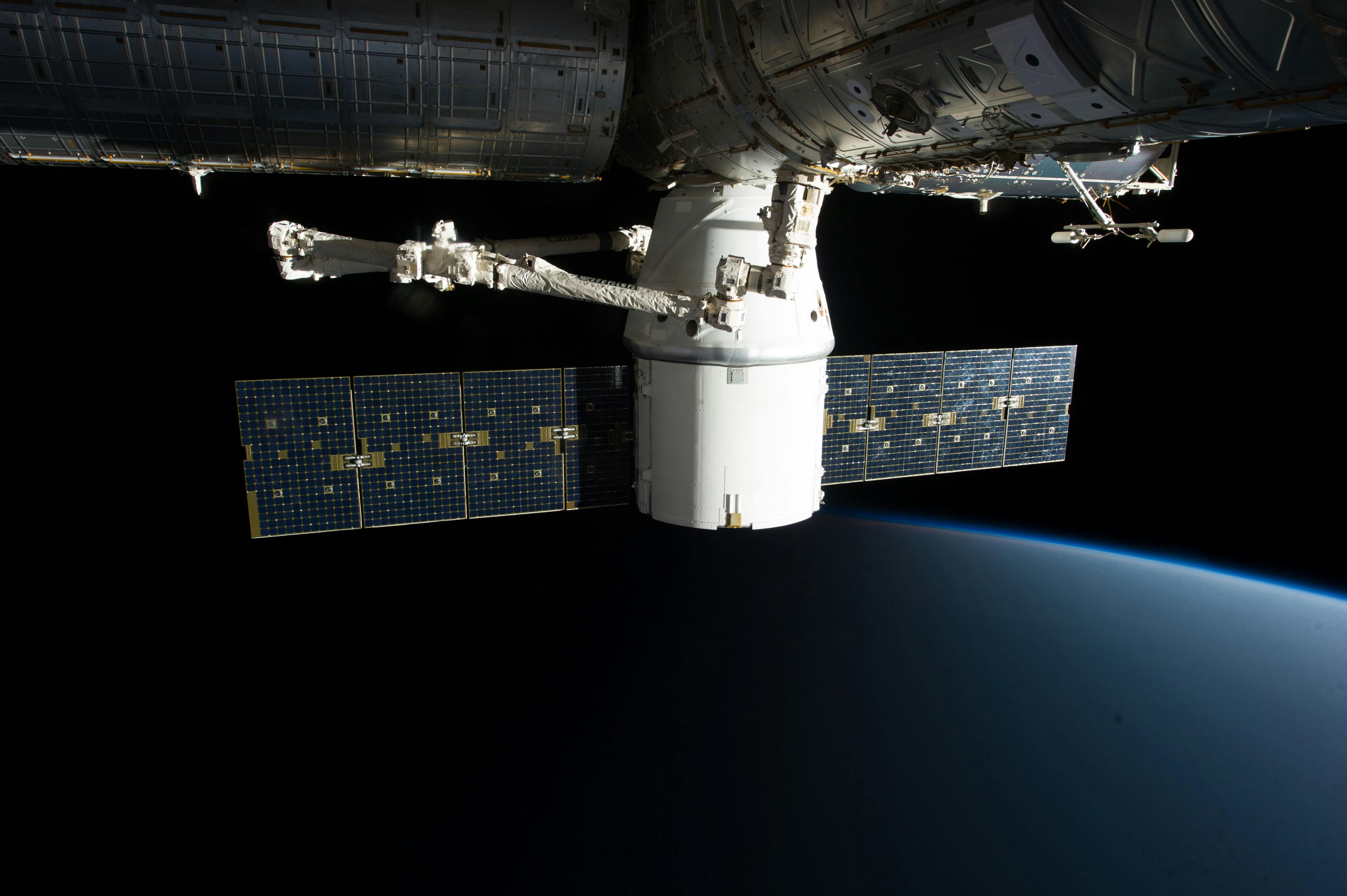
SpaceX gears up for another busy week with a Falcon 9 launch to the ISS while Vast Space expands its Haven-1 payload roster.