


Space Brief 8 Mar 2025
Today's Space Brief covers the landing of the X-37B spaceplane after a 434-day mission, the postponement of SDA's satellite launch, and the fiery debris from SpaceX's Starship over The Bahamas.



Launch Date
April 8, 1970
Launch Site
AFWTR
Launch Pad
SLC2E
Launch Vehicle
Thorad SLV-2G Agena D
NORAD ID
05504
International Designator
1970-025LH
Decay Date
6/23/1991
Name
THORAD AGENA D DEB
Alternative Name
deb Agena D
Type
Status
Owner
GSFC
Country
United States
Constellation
N/A
Related Satellites
Major Events
N/A
Length
0
Diameter
0
Span
0
Dry Mass
0
Launch Mass
0
Shape
N/A
Radar Cross Section
0.0321
Visual Magnitude
Unknown
Color
Unknown
Material Composition
Unknown
Payload
Unknown
Purpose
Unknown
Mission
Unknown
Manufacturer
Unknown
Life Expectancy
Unknown
Bus
Unknown
Configuration
Unknown
Motor
Unknown
Equipment
Unknown
Power System
Unknown
ADCS
Unknown
Transmitter Frequency
Unknown
Learn more about satellites and other related topics.
Today's Space Brief covers the landing of the X-37B spaceplane after a 434-day mission, the postponement of SDA's satellite launch, and the fiery debris from SpaceX's Starship over The Bahamas.

SpaceX awarded $739M for nine national security missions. FCC approves 7,500 additional Starlink satellites. NASA announces early Crew-11 return from ISS due to medical issue.

Space Force scraps SDA transport layer, requests $1.6 billion for proliferated LEO SATCOM constellation. Roger Mason nominated to lead NRO.
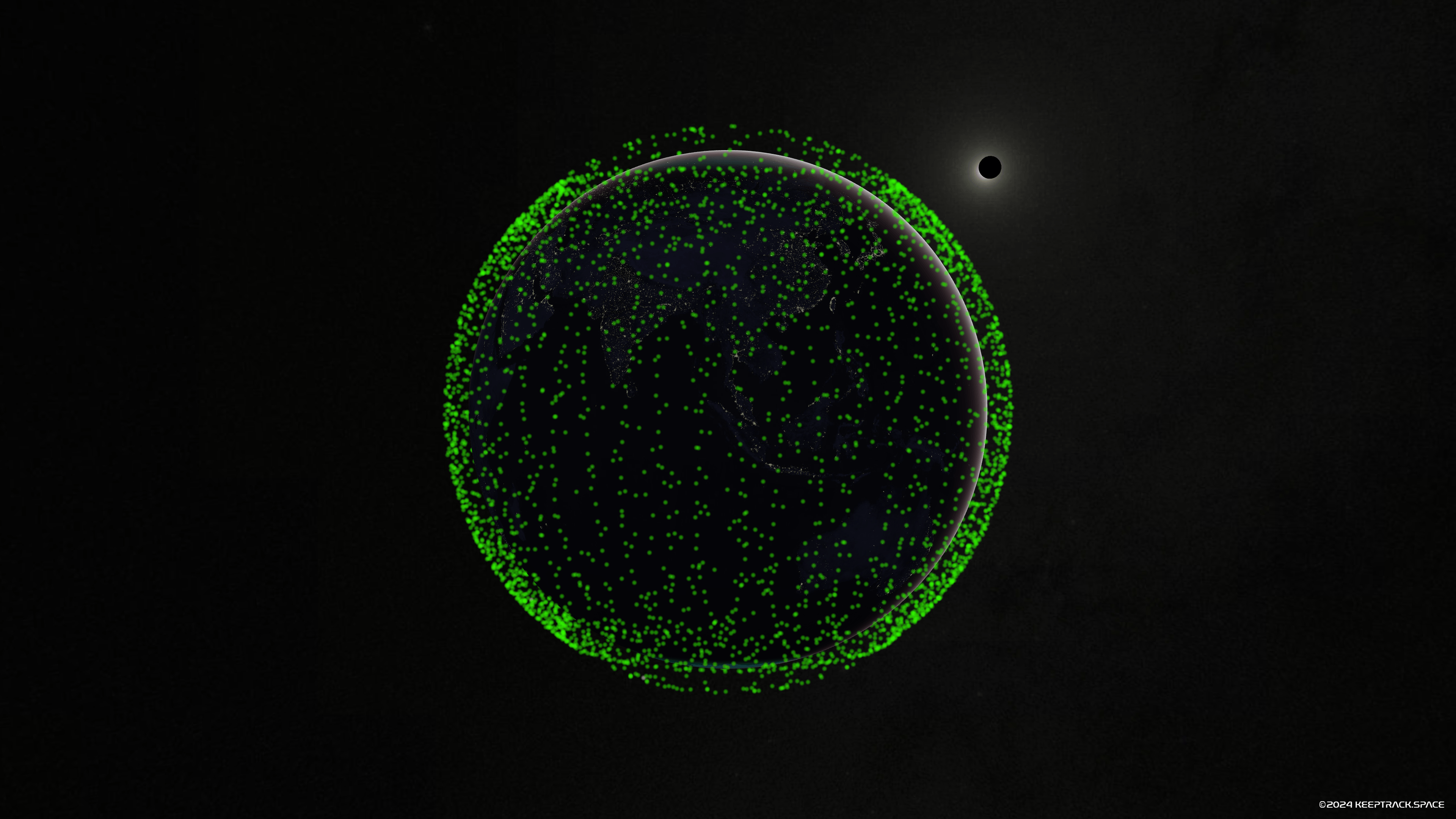
SpaceX's Starlink constellation has grown at an astonishing rate, now accounting for over 20% of all trackable objects in orbit. With plans for tens of thousands more, Starlink is on the cusp of forever changing the landscape of Earth's near-space environment.
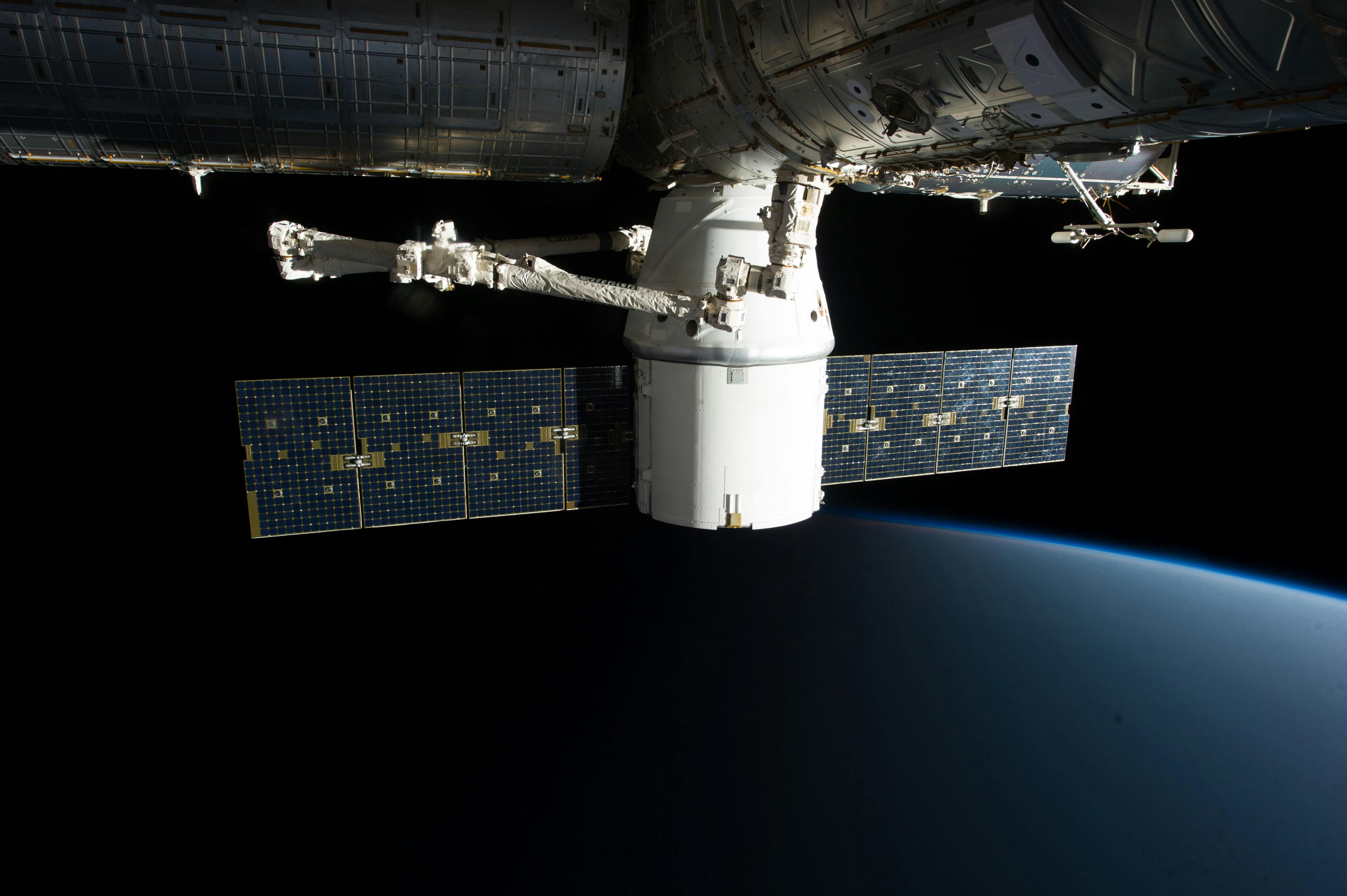
SpaceX gears up for another busy week with a Falcon 9 launch to the ISS while Vast Space expands its Haven-1 payload roster.

The Kessler Syndrome threatens humanity's future in space as cascading satellite collisions create exponential debris growth. With 36,000+ tracked objects and recent incidents accelerating risks, we face a critical juncture: implement solutions now or potentially lose access to low Earth orbit forever.

Today's highlights include Pulsar Fusion's groundbreaking nuclear rocket plans, partnerships for the Haven-1 space station, and a spotlight on military collaboration in quantum technology.
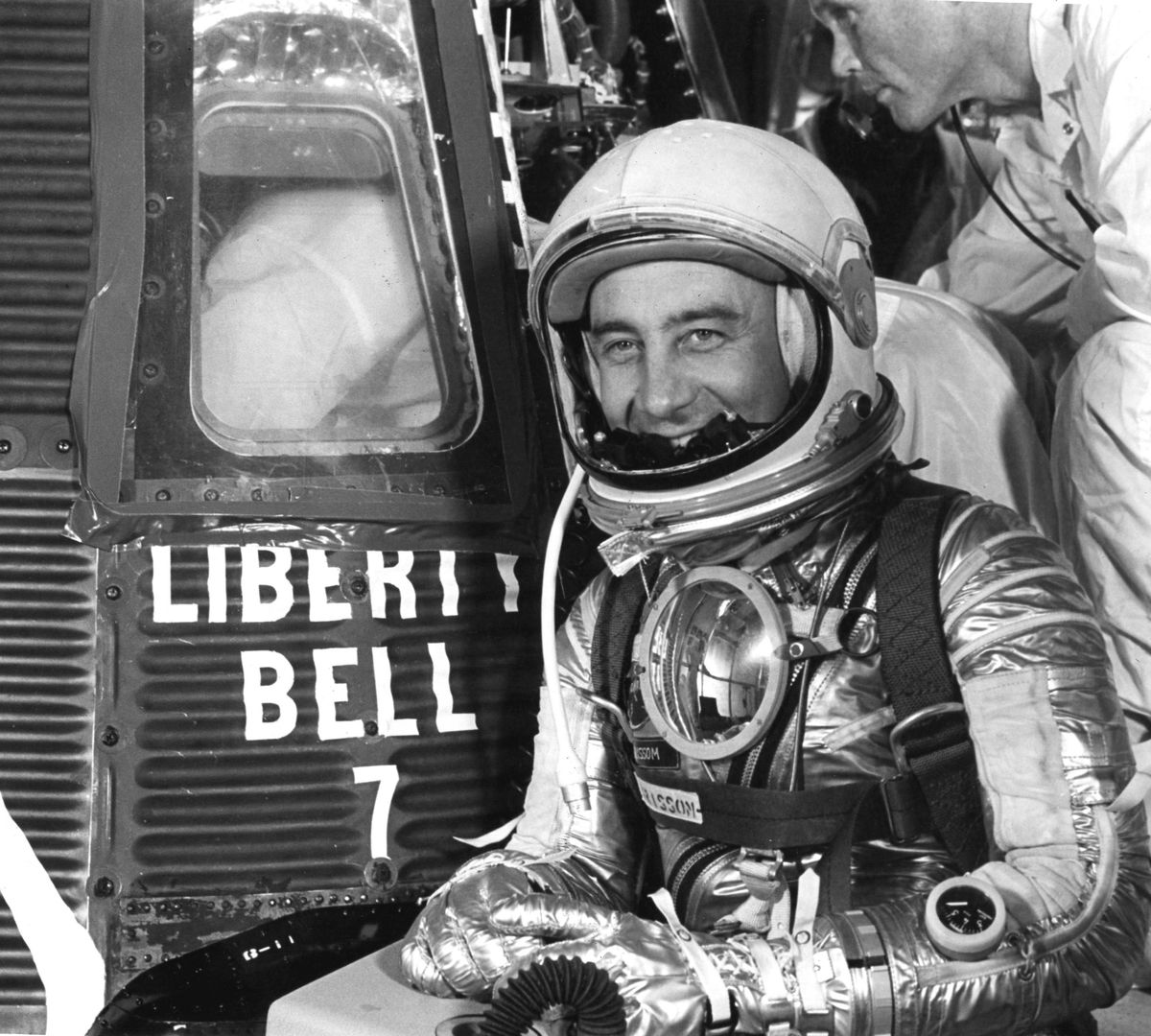
Sixty-four years ago, NASA made a decision that would shape the future of human spaceflight by selecting three astronauts to compete for America's first journey into space