


X Report 11 Nov 2024
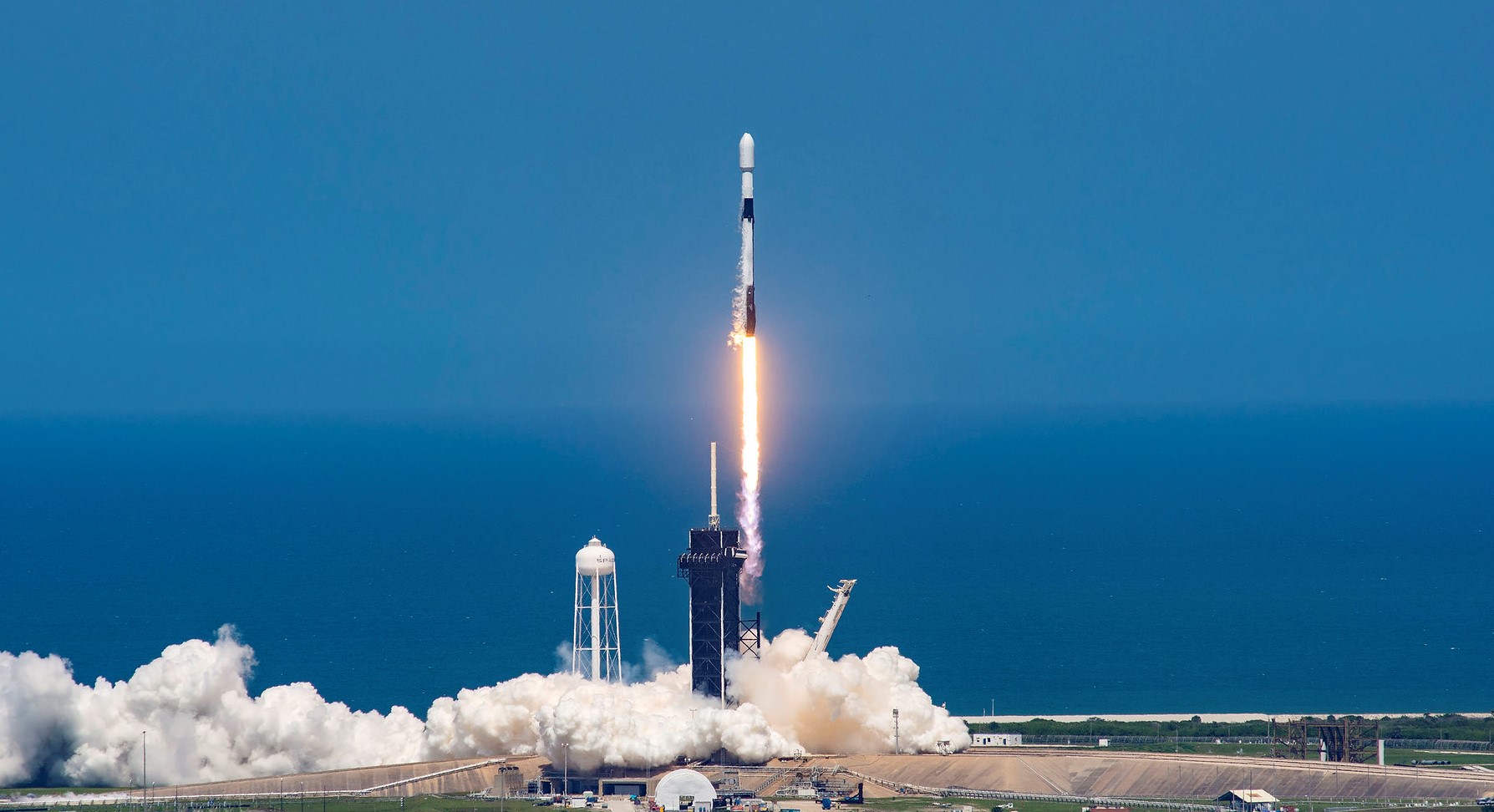
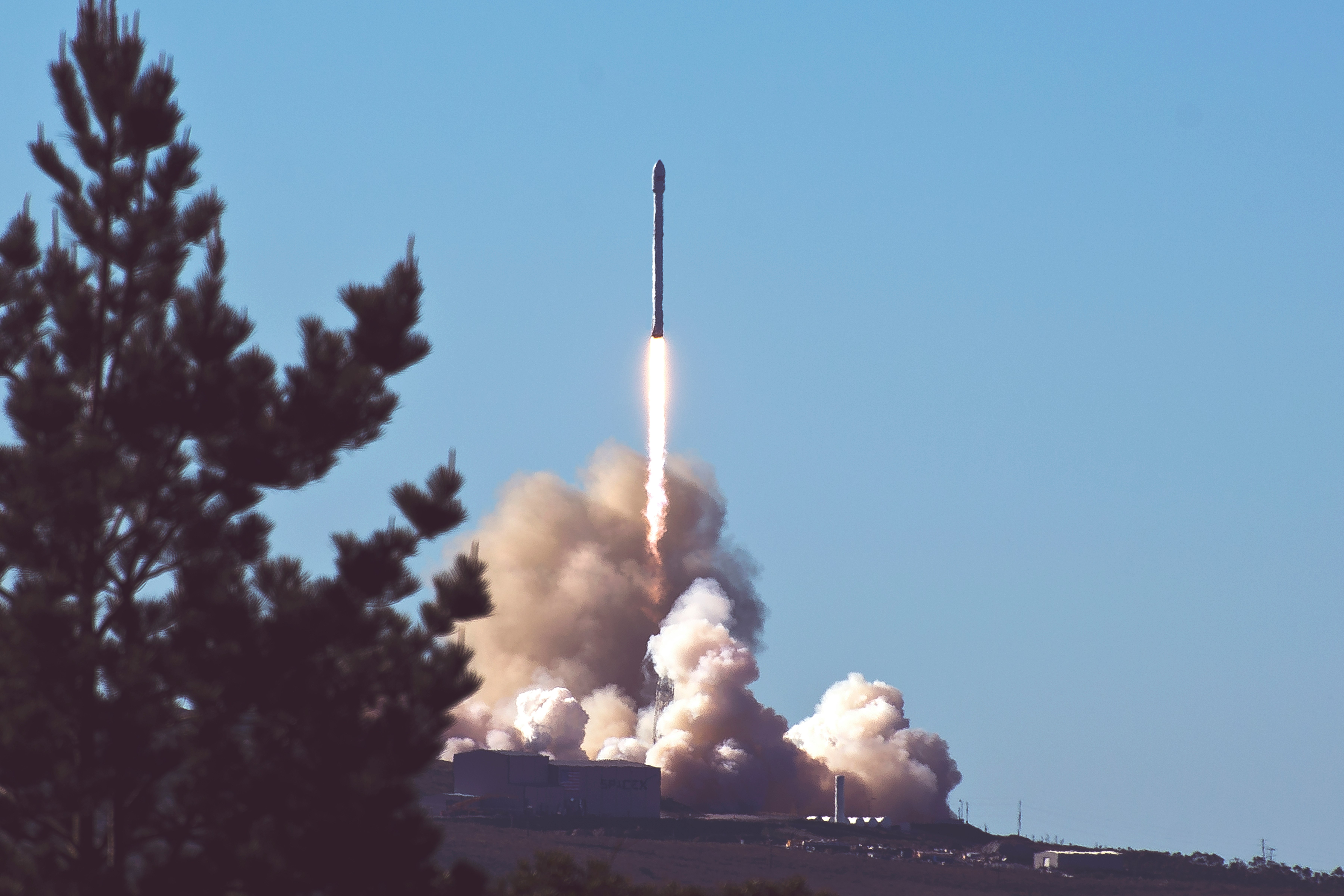
SpaceX to launch Koreasat-6A on a record-tying Falcon 9 flight, and 24 Starlink satellites later today.


Launch Date
January 3, 2023
Launch Site
Launch Pad
LC40
Launch Vehicle
NORAD ID
55012
International Designator
2023-001D
Epoch
Sun, 19 Jul 2026 17:32:46 GMT
Apogee
Calculating...
Perigee
Calculating...
Inclination
97.32°
Right Ascension
272.05°
Eccentricity
Calculating...
Argument of Perigee
342.18°
Period
92.72 min
Mean Motion
15.53 rev/day
Latitude
Calculating...
Longitude
Calculating...
Altitude
Calculating...
Velocity
Calculating...
Name
CONNECTA T1.2
Alternative Name
Connecta T1.2
Type
Status
Owner
PLNSST
Country
Turkey
Constellation
N/A
Related Satellites
Major Events
N/A
1 55012U 23001D 26200.73109115 .00025772 00000+0 41234-3 0 9995
2 55012 97.3234 272.0517 0003443 342.1781 17.9350 15.53117040197590
Source: Celestrak
Length
0.3
Diameter
0.1
Span
0.3
Dry Mass
4
Launch Mass
4
Shape
Box
Radar Cross Section
Unknown
Visual Magnitude
Unknown
Color
Unknown
Material Composition
Unknown
Payload
Connecta T1.2
Purpose
Technology, communication
Mission
Technology, communication
Manufacturer
PLNSST
Life Expectancy
Unknown
Bus
Cubesat 3U
Configuration
CubeSat (3U)
Motor
None
Equipment
Unknown
Power System
Solar cells, batteries
ADCS
Unknown
Transmitter Frequency
Unknown
Learn more about satellites and other related topics.
SpaceX to launch Koreasat-6A on a record-tying Falcon 9 flight, and 24 Starlink satellites later today.

CSIS analysis identifies 75 unusual orbital maneuvers by Chinese GEO satellites over 10 years, consistent with military reconnaissance. Track GEO objects via KeepTrack.

SpaceX makes headlines with record-breaking launch operations, while plans for an IPO signal major changes in the company's trajectory and could inspire industry-wide movements.
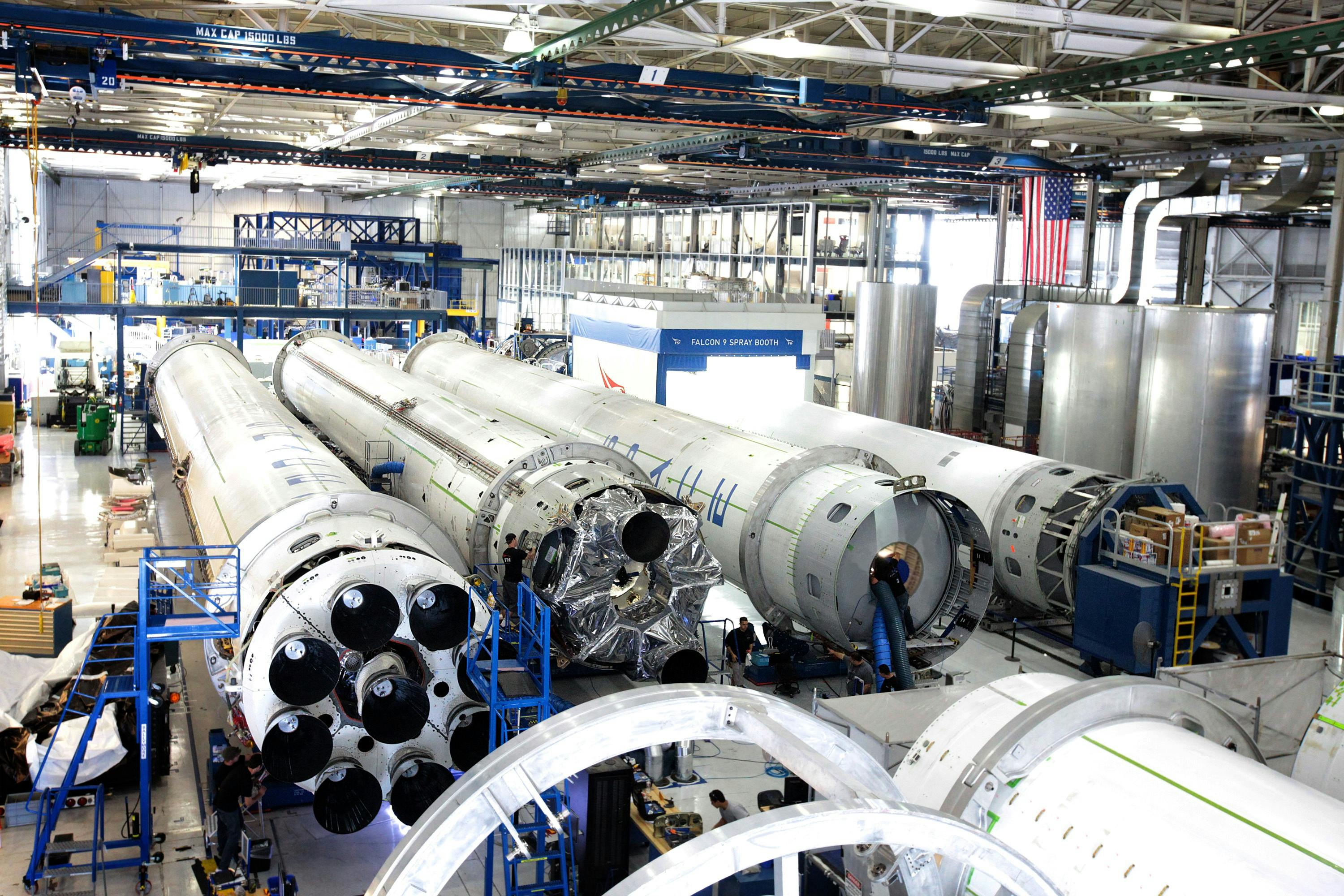
SpaceX unveils new space traffic management system for orbital coordination. Bahamas grants permission for rocket landings after Starship debris pause. Musk proposes lunar satellite catapult.
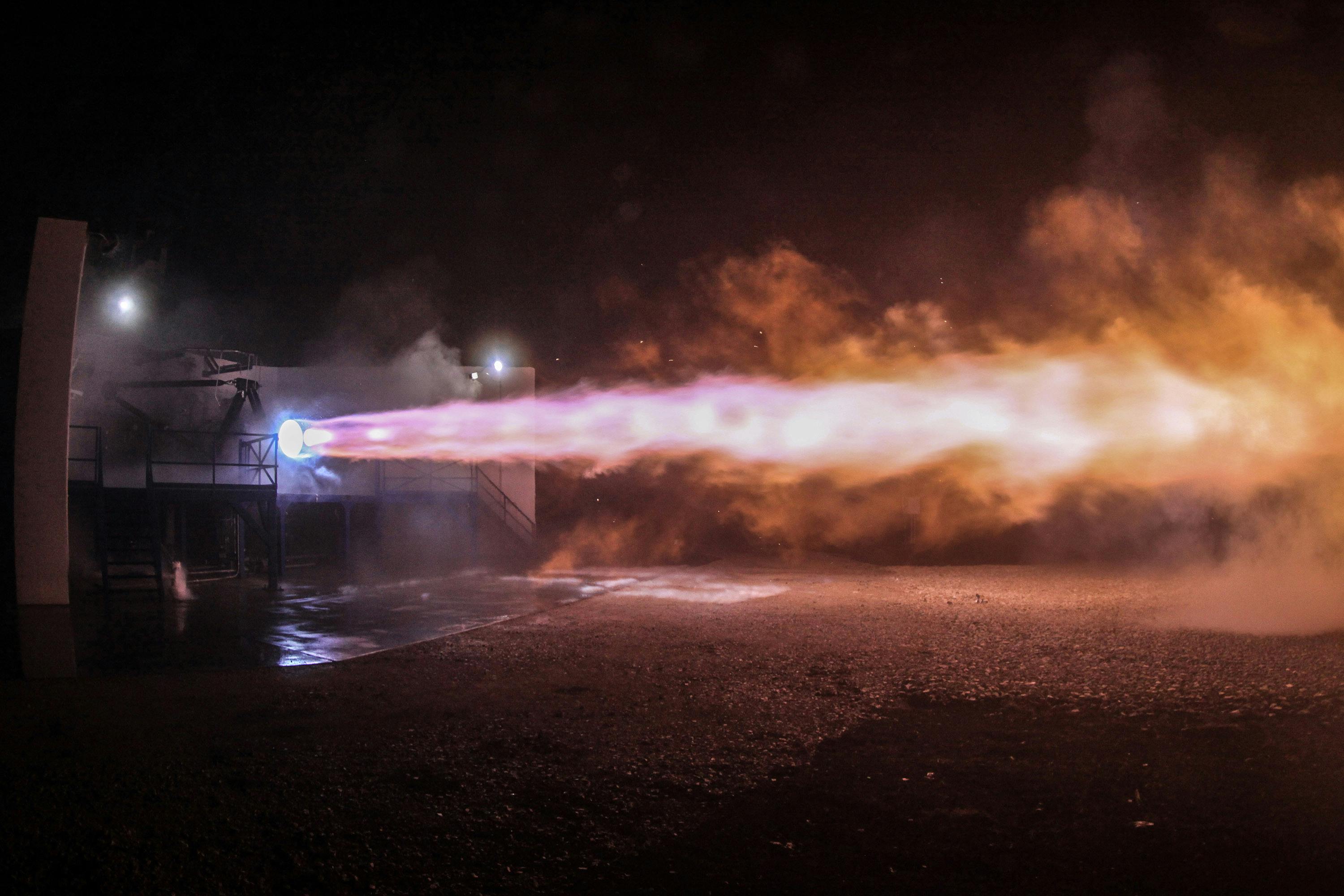
SpaceX has seen a flurry of activity with successful launches, static-fire tests for Starship, and ongoing preparations for future objectives, marking an exciting time for the aerospace company.

Today's briefing covers China's announcement of the Beidou system upgrade, launch updates for Vega C, challenges to global GPS reliability, and delays in the VERITAS Venus mission.

On April 22, 2026, the FAA published a final rule implementing per-launch user fees for commercial space transportation — the first time the U.S. government has charged payload-based fees for rocket launches. Starting at 25 cents per pound with a $30,000 cap, the fees are modest today. By 2033, they won't be.
SpaceX secures NASA contract for NEO Surveyor launch and prepares for upcoming Starship test flight.