


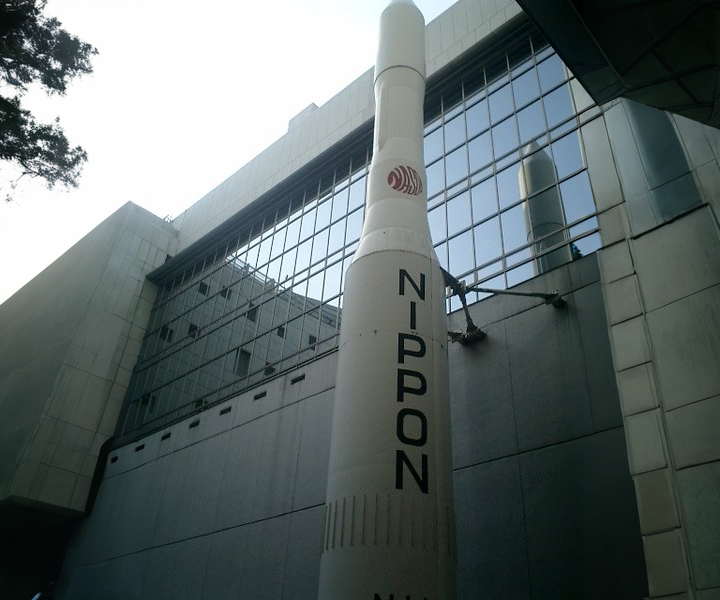
The Day Japan Joined the Geostationary Club
Forty-eight years ago, a pioneering satellite named Kiku 2 propelled Japan into the exclusive group of nations capable of operating satellites in geostationary orbit



Launch Date
November 11, 2022
Launch Site
TAISC
Launch Pad
LC9A
Launch Vehicle
Chang Zheng 6A
NORAD ID
54885
International Designator
2022-151PW
Epoch
Sun, 19 Jul 2026 10:47:50 GMT
Apogee
Calculating...
Perigee
Calculating...
Inclination
98.82°
Right Ascension
201.63°
Eccentricity
Calculating...
Argument of Perigee
245.55°
Period
101.71 min
Mean Motion
14.16 rev/day
Latitude
Calculating...
Longitude
Calculating...
Altitude
Calculating...
Velocity
Calculating...
Name
CZ-6A DEB
Alternative Name
deb CZ-6A Y2
Type
Status
Owner
CNSA
Country
China
Constellation
N/A
Related Satellites
Major Events
N/A
1 54885U 22151PW 26200.44988706 .00000849 00000+0 45017-3 0 9997
2 54885 98.8213 201.6346 0046693 245.5496 114.0803 14.15757836187020
Source: Celestrak
Length
0
Diameter
0
Span
0
Dry Mass
0
Launch Mass
0
Shape
N/A
Radar Cross Section
Unknown
Visual Magnitude
Unknown
Color
Unknown
Material Composition
Unknown
Payload
Unknown
Purpose
Unknown
Mission
Unknown
Manufacturer
SAST
Life Expectancy
Unknown
Bus
Unknown
Configuration
Unknown
Motor
Unknown
Equipment
Unknown
Power System
Unknown
ADCS
Unknown
Transmitter Frequency
Unknown
Learn more about satellites and other related topics.
Forty-eight years ago, a pioneering satellite named Kiku 2 propelled Japan into the exclusive group of nations capable of operating satellites in geostationary orbit

Today's briefing covers SpaceX's latest Starlink launch, Rocket Lab's upcoming Neutron rocket launch, NASA's lunar nuclear reactor project, and more.

Pentagon's $50B Iran supplemental request signals major investment in missile defense and ISR satellites. Amazon reshuffles LEO government leadership amid Kuiper competition.
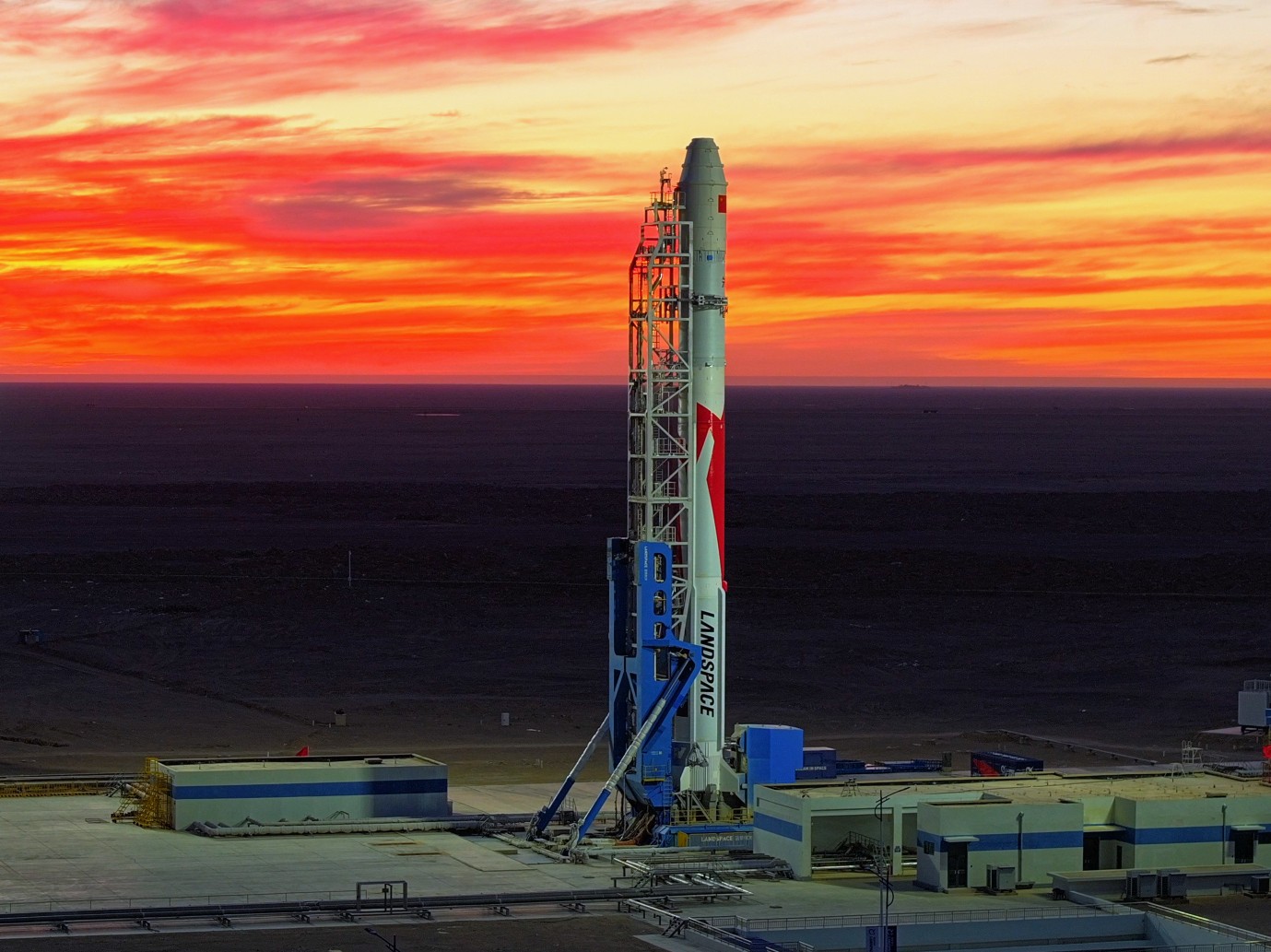
Today's brief covers Rocket Lab's Neutron being selected for military tests, Space Force's strategic updates, Germany's SAR satellite plans, and a significant NASA nomination.
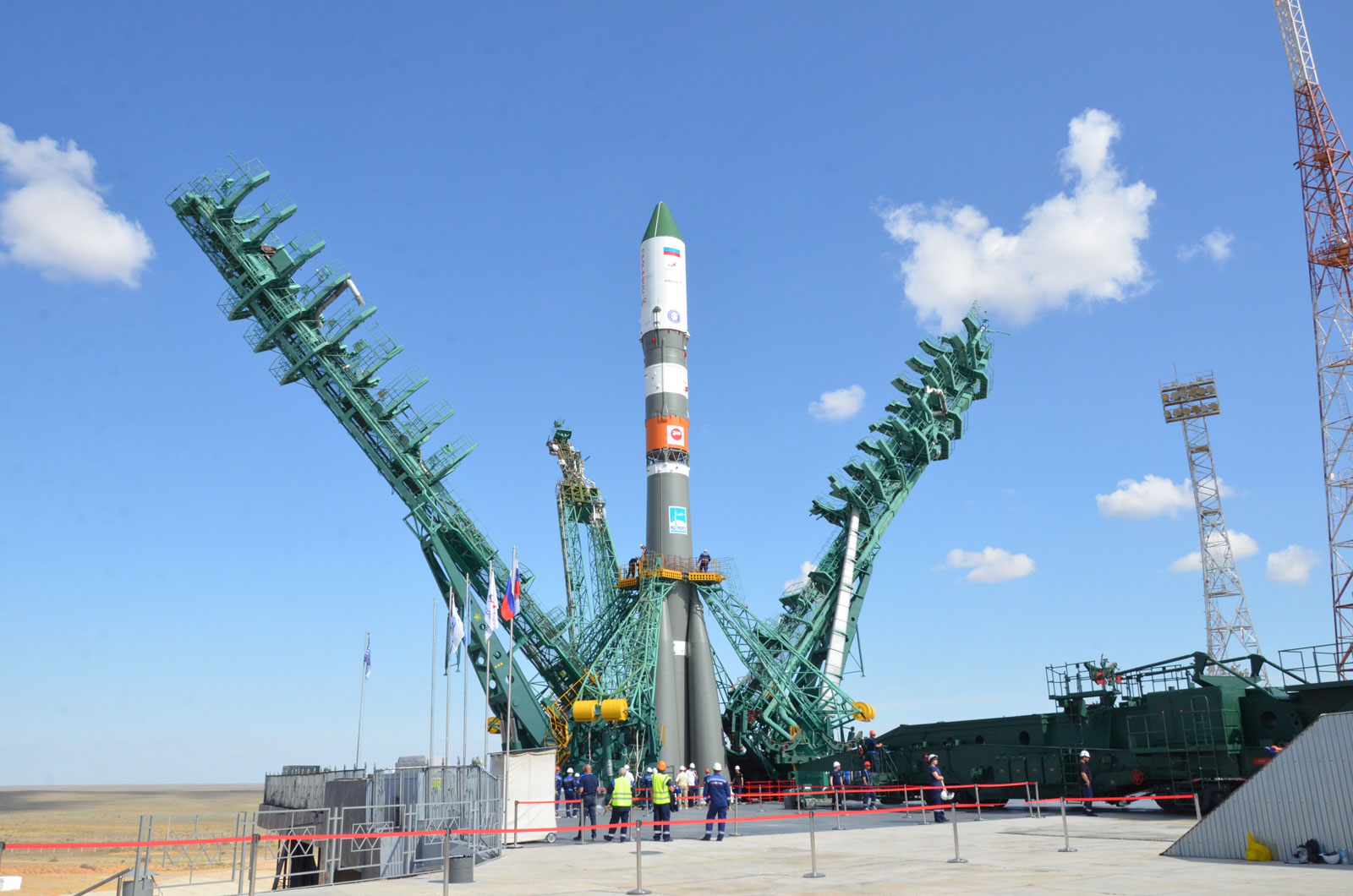
Today's brief highlights significant shifts in military space spending due to the Golden Dome program, the U.S. Space Force's advancements in tactical satellite communications, and NASA's race to nuclear power in space.
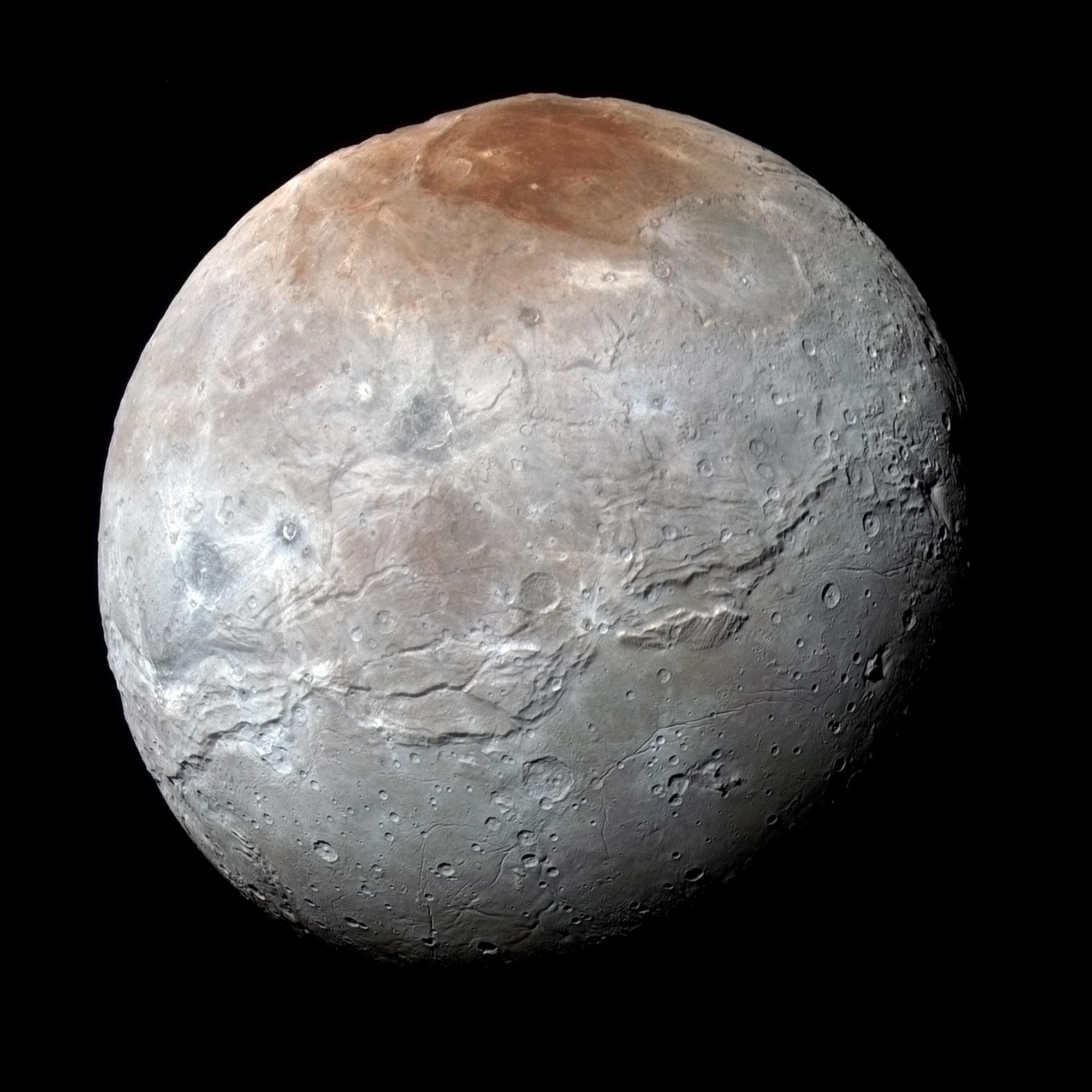
On 22 June 1978, an astronomer at the U.S. Naval Observatory looked at photographic plates that had been stamped 'image defective' and noticed a small bump on the side of Pluto. The bump was a moon, and finding it finally let astronomers weigh a planet that had fooled them for half a century.

On May 4, 1989, Space Shuttle Atlantis lifted off from LC-39B carrying Magellan, NASA's first interplanetary mission since 1978. The eleven-year drought ended in a payload bay, and the radar that emerged would map ninety-eight percent of Venus through clouds that no camera could ever see through.
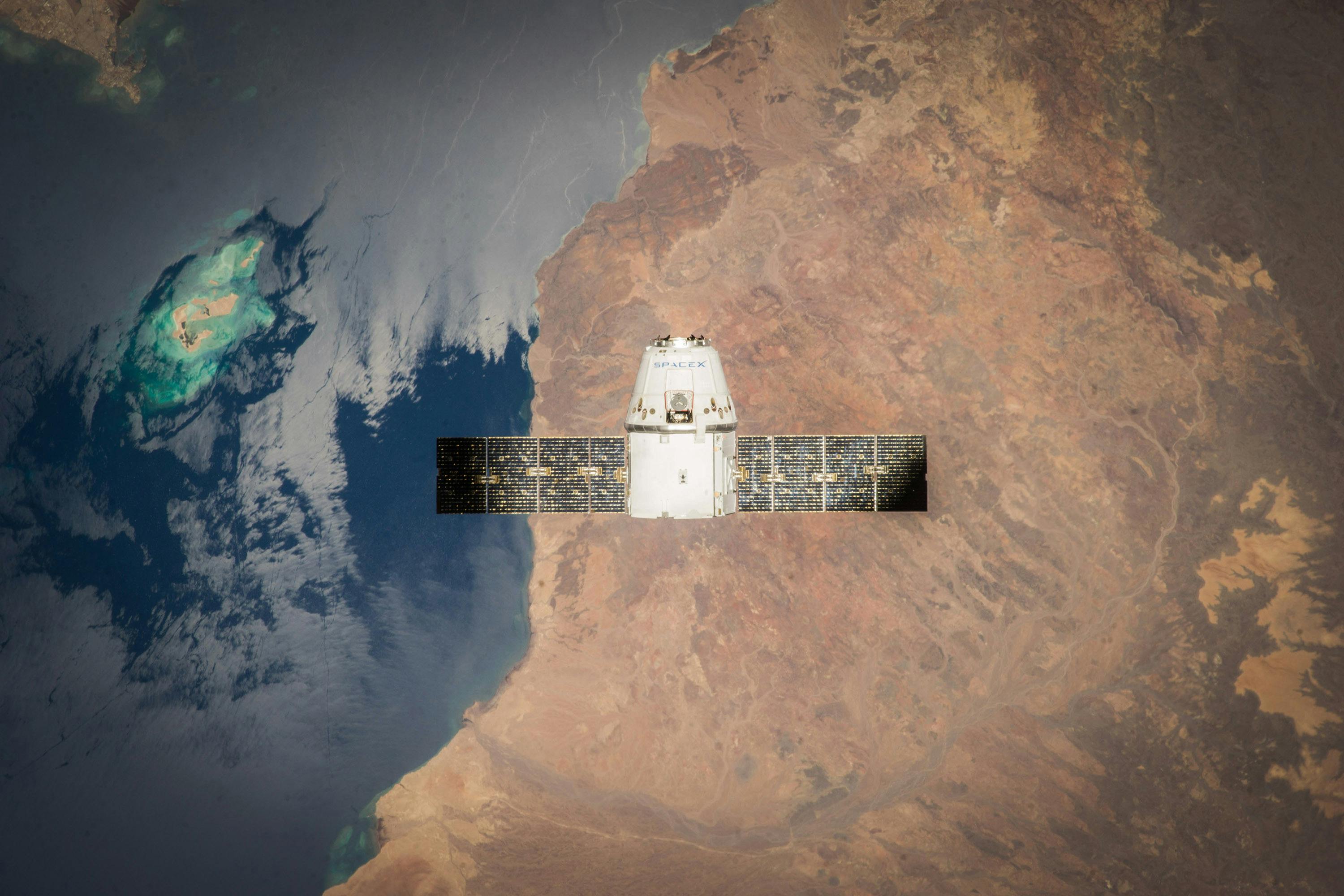
SpaceX advances Starship infrastructure, President Trump considers closing the National Space Council, and 23 new Starlink satellites boost global connectivity.