


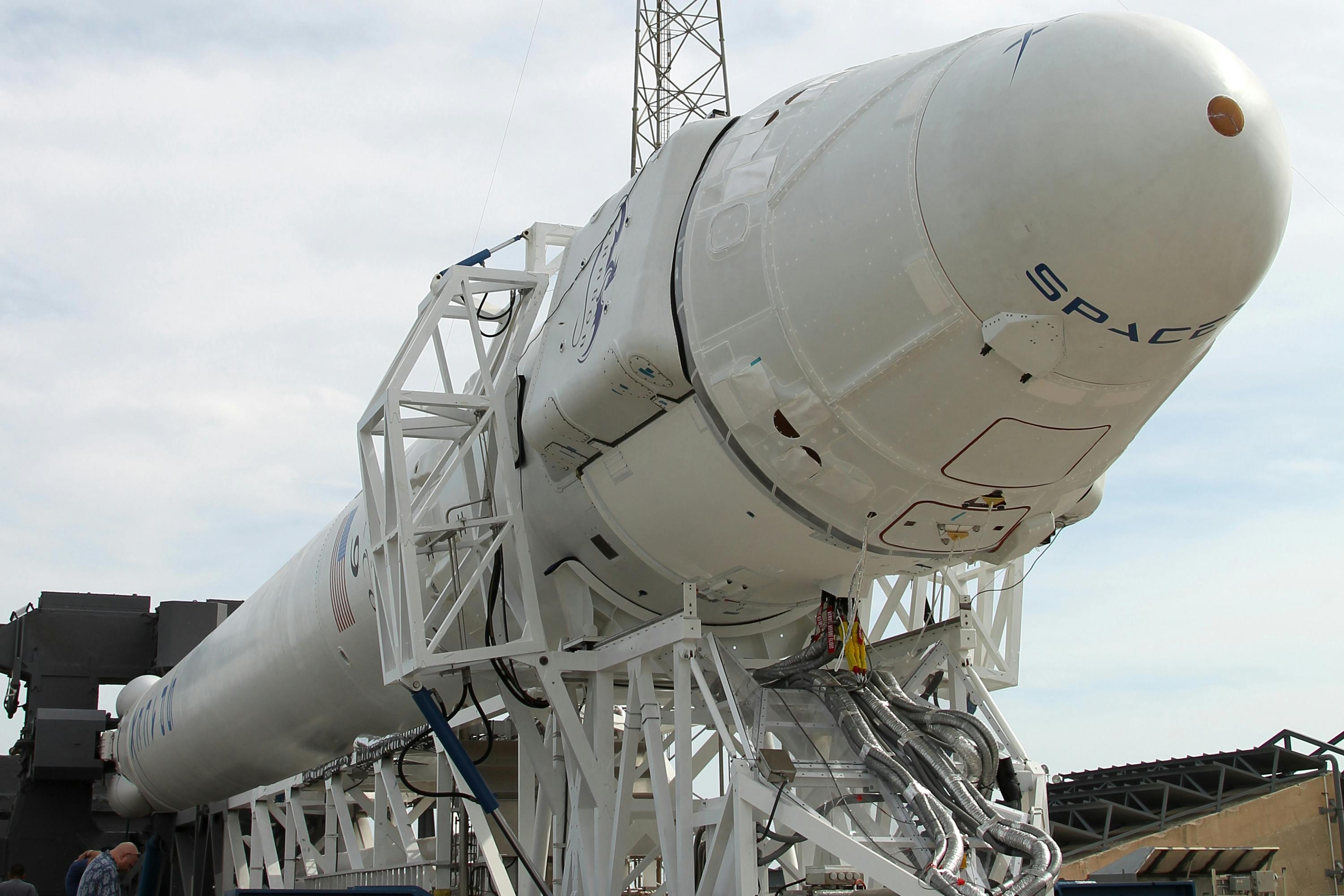
NROL-72 Spy Satellites Launched; Starlink PNT Blocked | KeepTrack X Report
SpaceX's 13th NRO proliferated-arch mission lifted off May 11 as Starlink shuts its GPS-rival feature ahead of a looming IPO.



Launch Date
December 28, 2022
Launch Site
Launch Pad
LC40
Launch Vehicle
NORAD ID
54862
International Designator
2022-177AU
Epoch
Sun, 19 Jul 2026 01:36:56 GMT
Apogee
Calculating...
Perigee
Calculating...
Inclination
43.00°
Right Ascension
99.60°
Eccentricity
Calculating...
Argument of Perigee
242.54°
Period
94.27 min
Mean Motion
15.28 rev/day
Latitude
Calculating...
Longitude
Calculating...
Altitude
Calculating...
Velocity
Calculating...
Name
STARLINK-5403
Alternative Name
Starlink 5403
Type
Status
Owner
SPXS
Country
United States
Constellation
N/A
Related Satellites
Major Events
N/A
1 54862U 22177AU 26200.06732494 .00000230 00000+0 17883-4 0 9994
2 54862 43.0035 99.6049 0000900 242.5444 117.5316 15.27576677197186
Source: Celestrak
Length
0.2
Diameter
2.8
Span
9
Dry Mass
290
Launch Mass
305
Shape
Box + pan
Radar Cross Section
Unknown
Visual Magnitude
Unknown
Color
Unknown
Material Composition
Unknown
Payload
Starlink Group 5-1-43
Purpose
Communication
Mission
Communication
Manufacturer
SPXS
Life Expectancy
Unknown
Bus
Starlink
Configuration
Unknown
Motor
Krypton ion thrusters
Equipment
Ku/Ka-band payload, optical inter-satellite link
Power System
Solar arrays, batteries
ADCS
Unknown
Transmitter Frequency
Unknown
Learn more about satellites and other related topics.
SpaceX's 13th NRO proliferated-arch mission lifted off May 11 as Starlink shuts its GPS-rival feature ahead of a looming IPO.
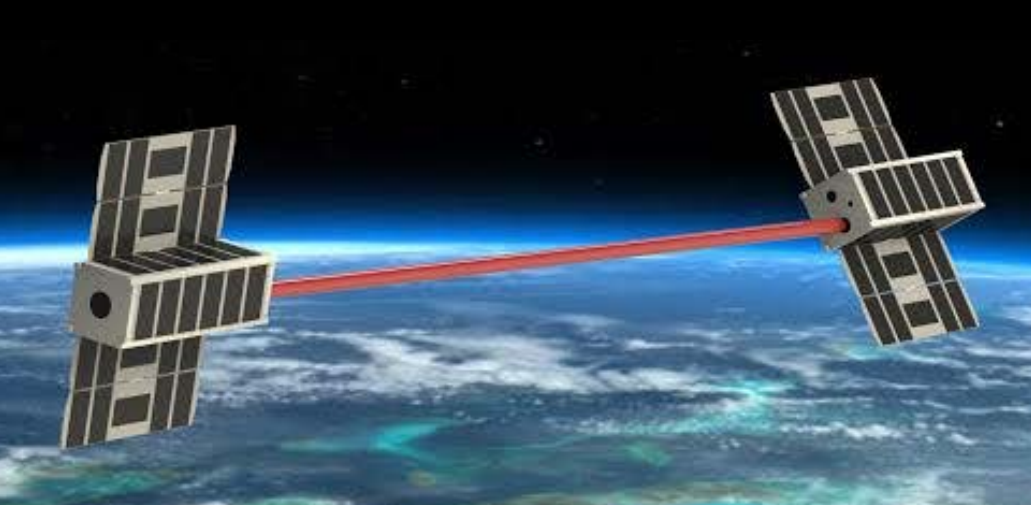
The satellite industry's biggest operators are betting on multi-orbit architectures that combine LEO, MEO, and GEO into unified networks. A San Francisco startup called Contrivian thinks they've overcomplicated the problem, and the physics might be on its side.
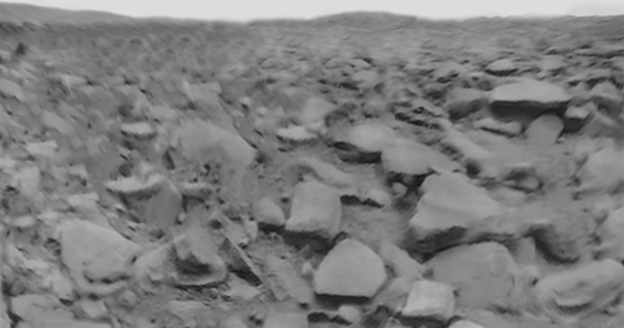
On December 15, 1970, a battered Soviet probe accomplished something no spacecraft had done before - it survived landing on another world and lived to tell about it.
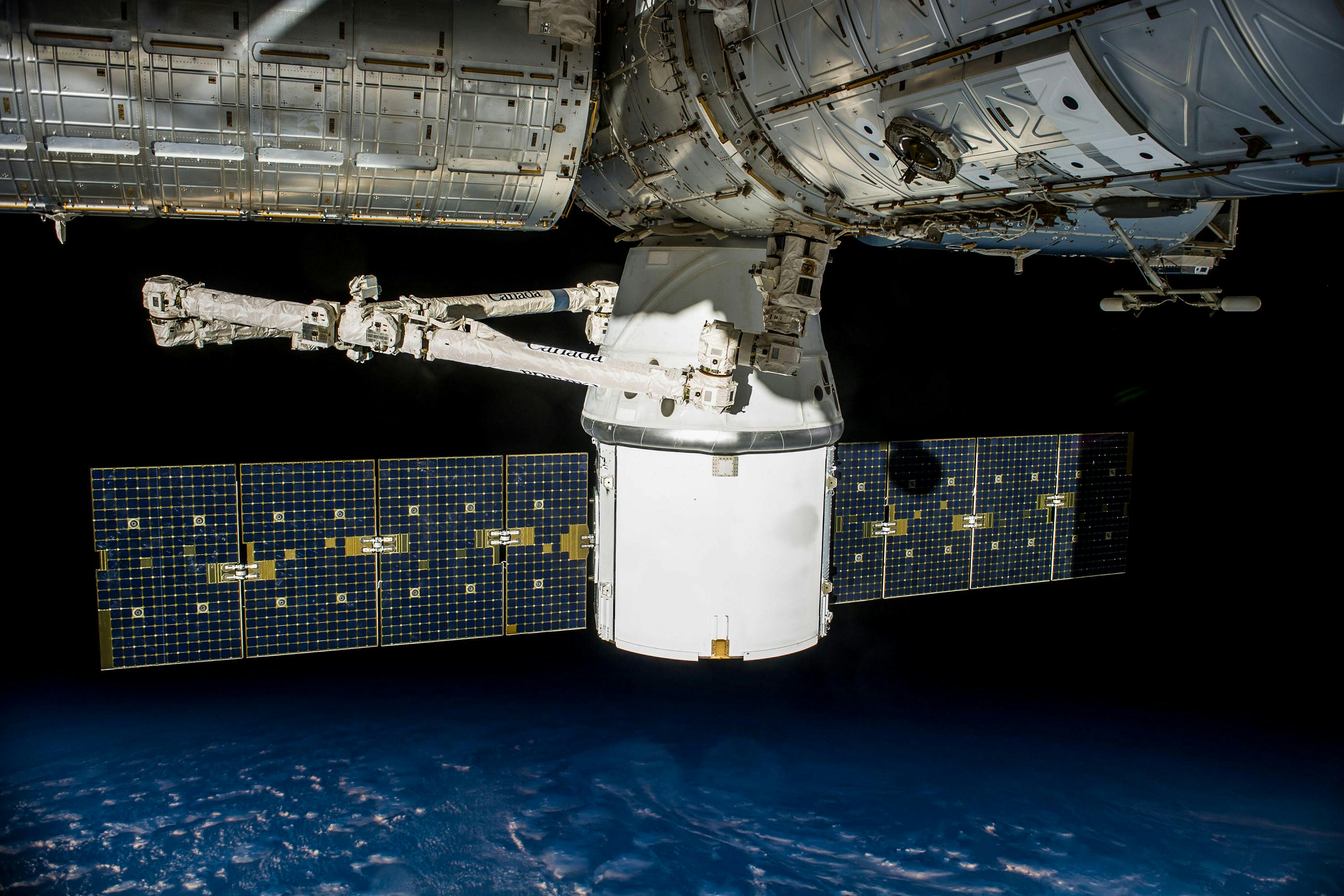
NASA considers opening the Artemis 3 lander to new bids as delays surface, while SpaceX gears up for multiple Falcon 9 launches this week and secures a redevelopment nod for SLC-6.
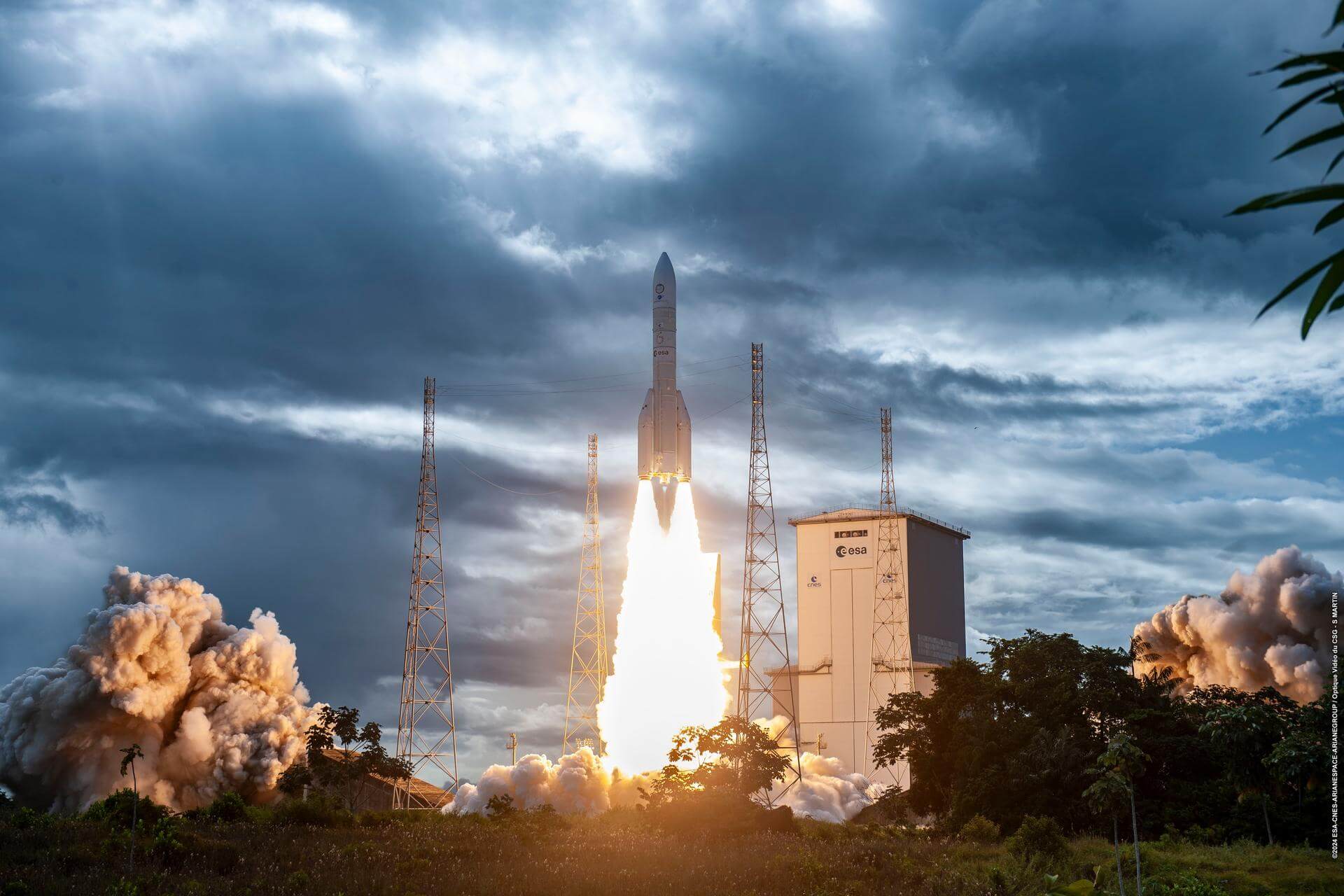
Today's space highlights include the US Space Force's advanced tracking contract, a milestone in SpaceX's Starlink program, and a new initiative to remove space debris.
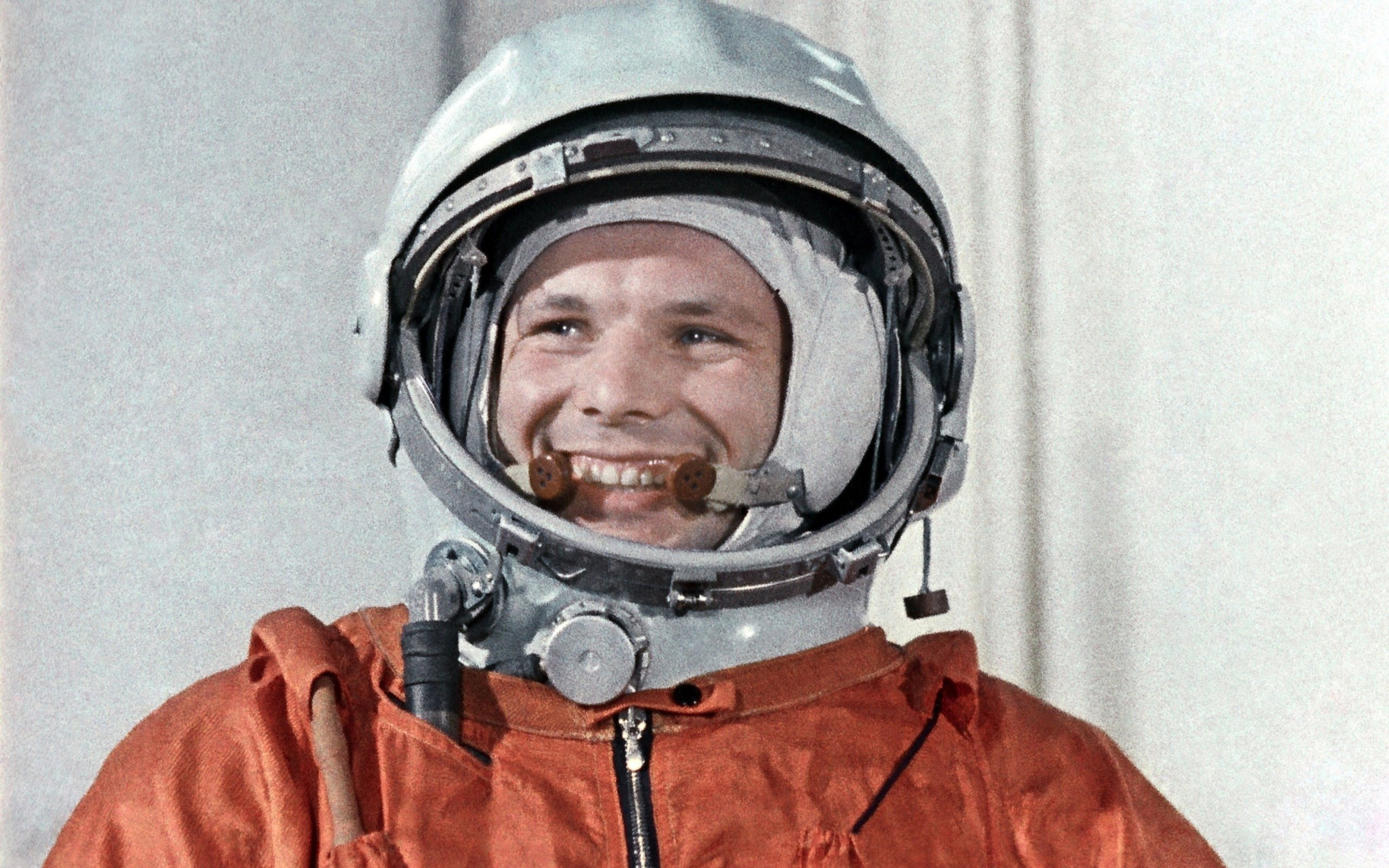
On April 12, 1961, a 27-year-old Soviet pilot rode a modified ICBM into orbit and came back alive after 108 minutes. Exactly twenty years later, two Americans climbed aboard an untested spacecraft covered in 31,000 ceramic tiles and bet their lives that the math was right.
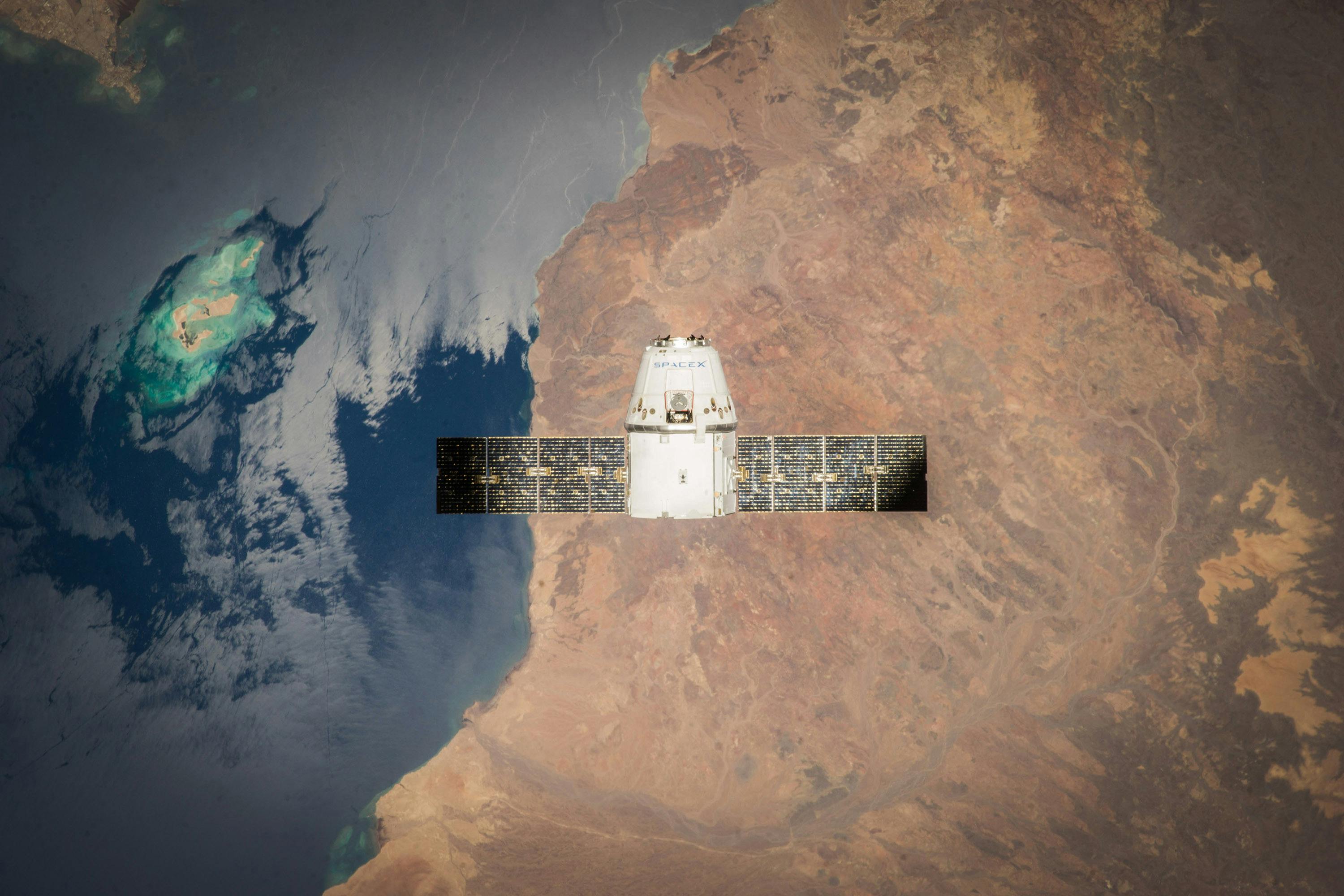
SpaceX made strides in both Starship and Starlink missions this week, launching another round of satellites while concurrently testing their Starship capabilities amidst challenges.
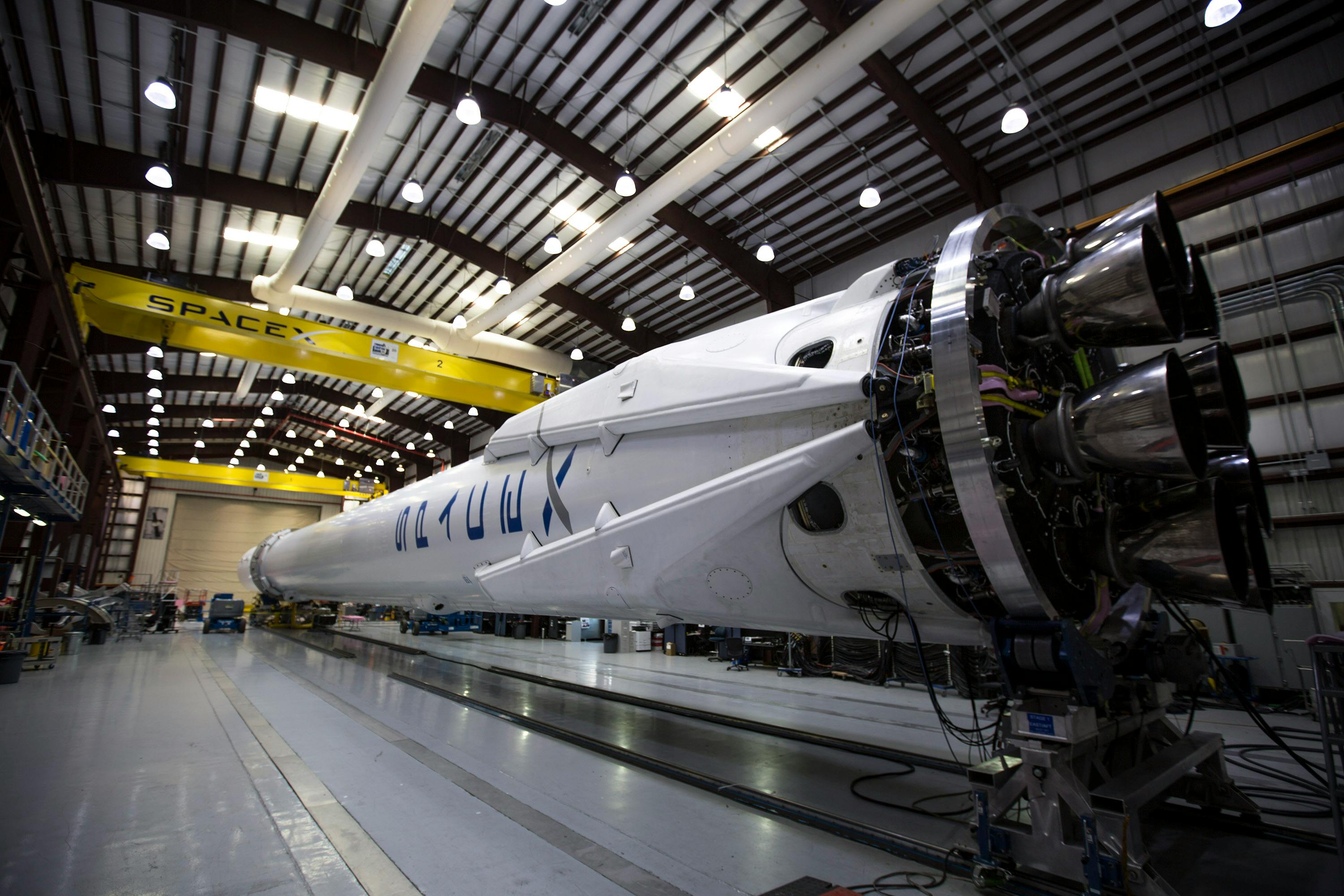
SpaceX continues to innovate as it nears peak Falcon 9 launch rates while refining technologies pivotal for future Mars missions.