


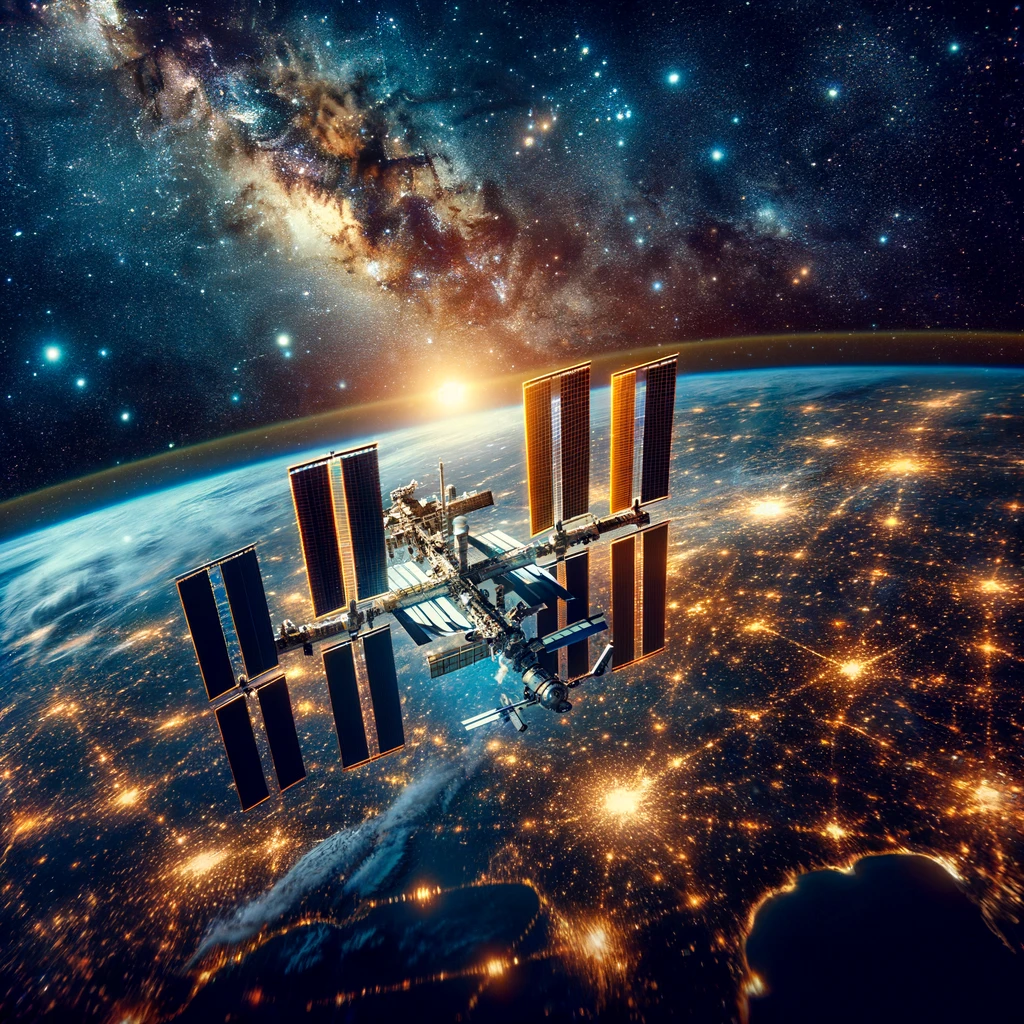
Track the International Space Station
A look at how tracking the space station offers a unique view of space exploration.



Launch Date
December 17, 2022
Launch Site
Launch Pad
LC39A
Launch Vehicle
NORAD ID
54811
International Designator
2022-175BF
Epoch
Mon, 20 Jul 2026 06:00:04 GMT
Apogee
Calculating...
Perigee
Calculating...
Inclination
53.16°
Right Ascension
148.25°
Eccentricity
Calculating...
Argument of Perigee
80.59°
Period
94.49 min
Mean Motion
15.24 rev/day
Latitude
Calculating...
Longitude
Calculating...
Altitude
Calculating...
Velocity
Calculating...
Name
STARLINK-5424
Alternative Name
Starlink 5424
Type
Status
Owner
SPXS
Country
United States
Constellation
N/A
Related Satellites
Major Events
N/A
1 54811U 22175BF 26201.25004630 .00070623 00000+0 28738-2 0 9994
2 54811 53.1596 148.2532 0002344 80.5923 92.4723 15.23890304 5743
Source: Celestrak
Length
0.2
Diameter
2.8
Span
9
Dry Mass
290
Launch Mass
305
Shape
Box + pan
Radar Cross Section
Unknown
Visual Magnitude
Unknown
Color
Unknown
Material Composition
Unknown
Payload
Starlink Group 4-37-54
Purpose
Communication
Mission
Communication
Manufacturer
SPXS
Life Expectancy
Unknown
Bus
Starlink
Configuration
Unknown
Motor
Krypton ion thrusters
Equipment
Ku/Ka-band payload, optical inter-satellite link
Power System
Solar arrays, batteries
ADCS
Unknown
Transmitter Frequency
Unknown
Learn more about satellites and other related topics.
A look at how tracking the space station offers a unique view of space exploration.

SpaceX's proposed 1-million-satellite AI data center constellation alarms astronomers as Falcon 9 logs its 25th Starlink launch of 2026.

Today's Space Brief highlights major developments in satellite launches, regulatory milestones for spectrum sales, and the evolving landscape of space-related cyber conflicts.

SpaceX's Starship gains military attention, a feather-light achievement, and a busy week for Falcon 9.
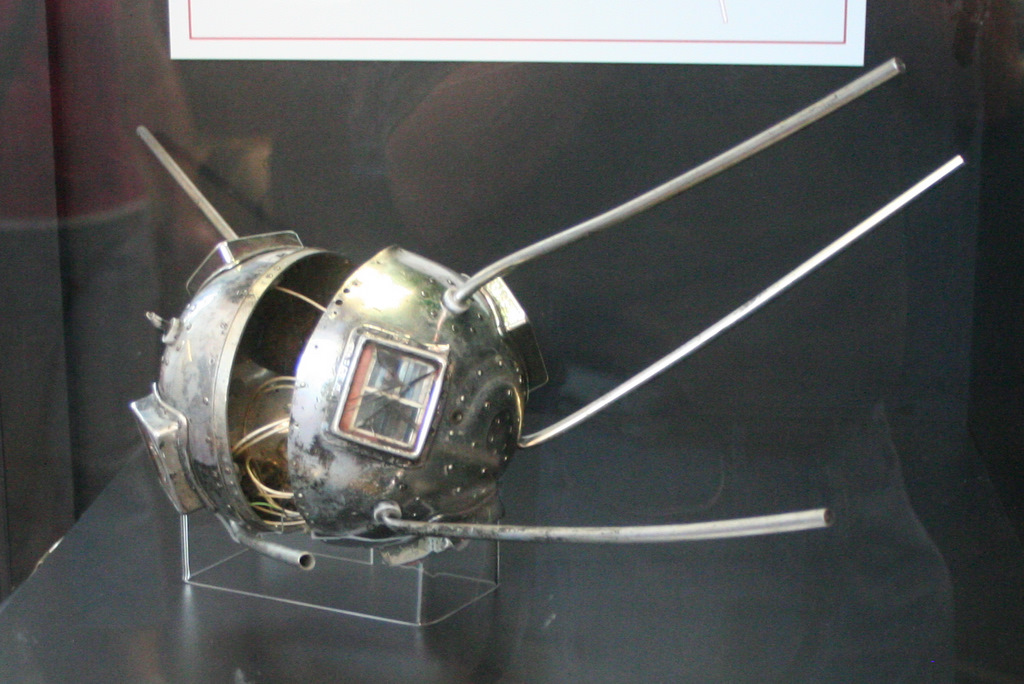
Sixty-eight years ago, America's first satellite exploded on the launchpad in front of the entire world. But from the ashes of Vanguard TV-3 came the determination that would eventually win the Space Race.
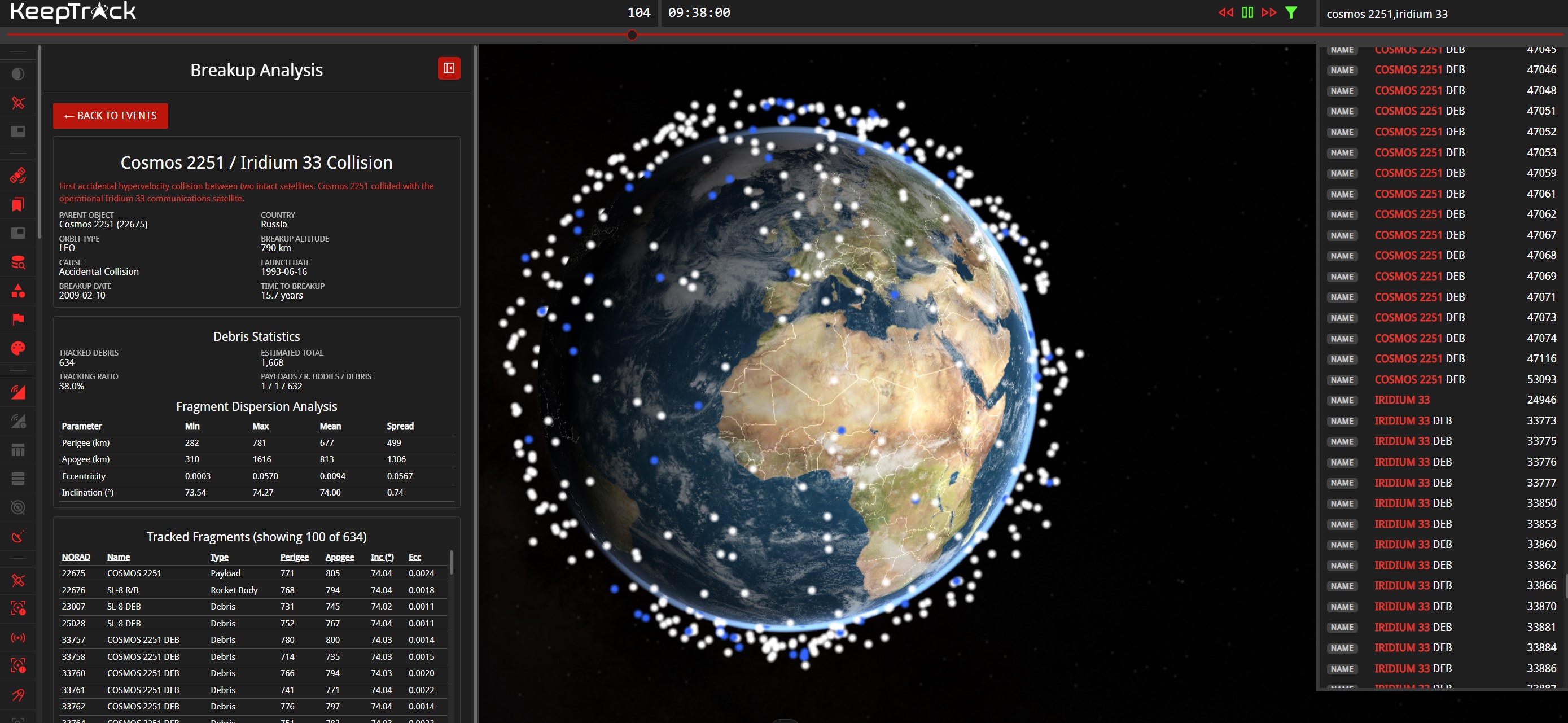
On February 10, 2009, an active Iridium communications satellite and a derelict Soviet military spacecraft slammed into each other 789 kilometers above Siberia. The collision produced more than 2,300 pieces of trackable debris that are still up there. Seventeen years later, the Iridium-Cosmos collision remains the event that made space debris a policy problem the world could no longer ignore.

SpaceX publicly confirmed 2 Starshield government satellites launched from Vandenberg on June 6, a rare disclosure for the classified Starlink variant.
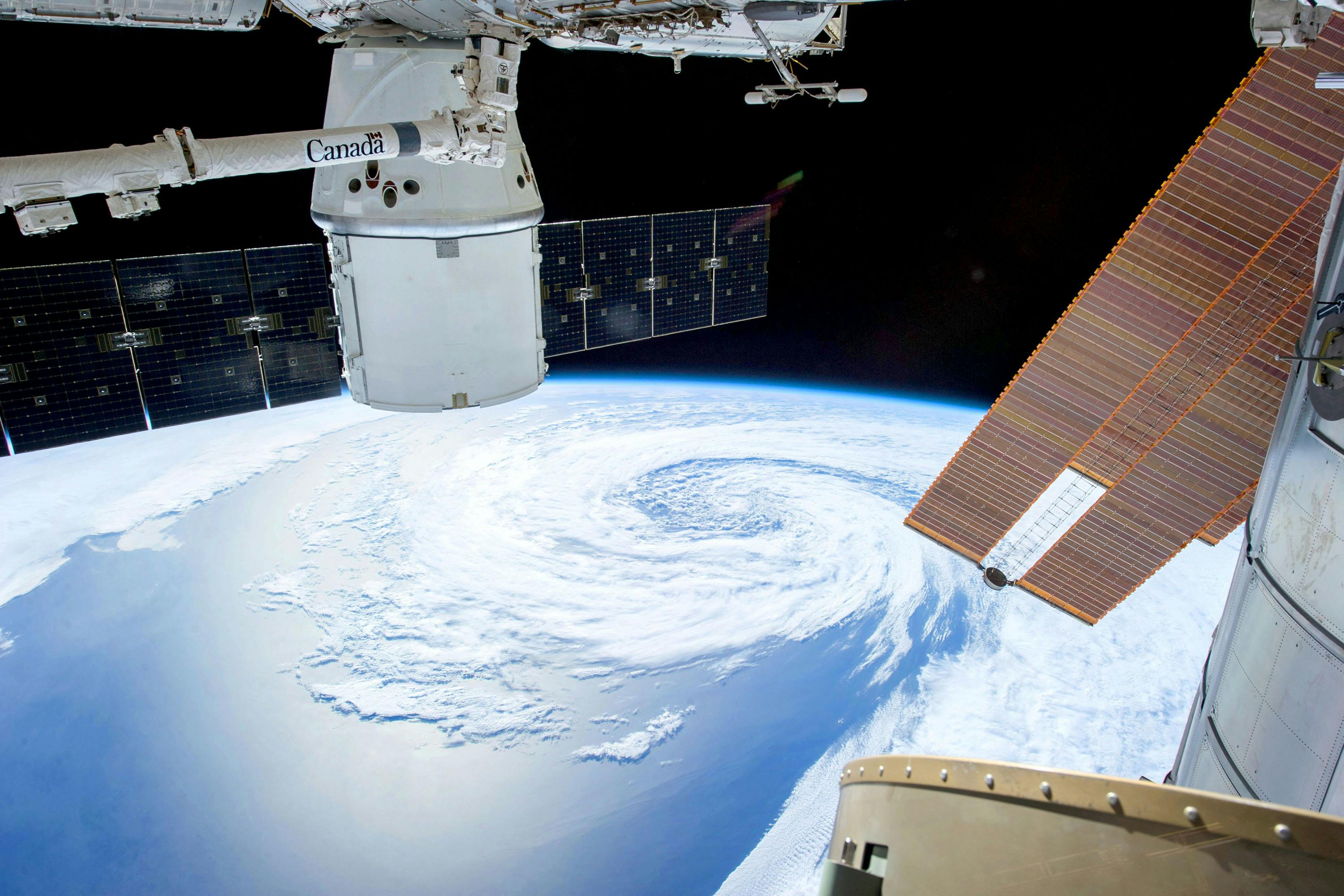
SpaceX continues its robust launch cadence with new Starlink deployments and faces challenges in Starship development following the recent damage to its prototype booster.