


Space Brief 9 Mar 2025
Today's highlights include delayed satellite launches, SpaceX's Florida Starship expansion, a historic mission by Europe's Ariane 6, and NASA's twin missions to explore the ends of the Earth and the universe.



Launch Date
December 17, 2022
Launch Site
Launch Pad
LC39A
Launch Vehicle
NORAD ID
54771
International Designator
2022-175P
Epoch
Mon, 20 Jul 2026 03:36:54 GMT
Apogee
Calculating...
Perigee
Calculating...
Inclination
53.16°
Right Ascension
162.28°
Eccentricity
Calculating...
Argument of Perigee
82.27°
Period
94.33 min
Mean Motion
15.27 rev/day
Latitude
Calculating...
Longitude
Calculating...
Altitude
Calculating...
Velocity
Calculating...
Name
STARLINK-5451
Alternative Name
Starlink 5451
Type
Status
Owner
SPXS
Country
United States
Constellation
N/A
Related Satellites
Major Events
N/A
1 54771U 22175P 26201.15062888 .00000456 00000+0 30267-4 0 9996
2 54771 53.1619 162.2835 0001422 82.2661 277.8500 15.26514196200014
Source: Celestrak
Length
0.2
Diameter
2.8
Span
9
Dry Mass
290
Launch Mass
305
Shape
Box + pan
Radar Cross Section
Unknown
Visual Magnitude
Unknown
Color
Unknown
Material Composition
Unknown
Payload
Starlink Group 4-37-14
Purpose
Communication
Mission
Communication
Manufacturer
SPXS
Life Expectancy
Unknown
Bus
Starlink
Configuration
Unknown
Motor
Krypton ion thrusters
Equipment
Ku/Ka-band payload, optical inter-satellite link
Power System
Solar arrays, batteries
ADCS
Unknown
Transmitter Frequency
Unknown
Learn more about satellites and other related topics.
Today's highlights include delayed satellite launches, SpaceX's Florida Starship expansion, a historic mission by Europe's Ariane 6, and NASA's twin missions to explore the ends of the Earth and the universe.

Space Force initiates cybersecurity network upgrades across 14 bases. SDA expands $3.5B Tracking Layer with 72 new satellites. SpaceX and China drive record orbital launches in 2025.

SpaceX scrubs a launch due to ground system issues while continuing its ambitious deployment of Starlink satellites.
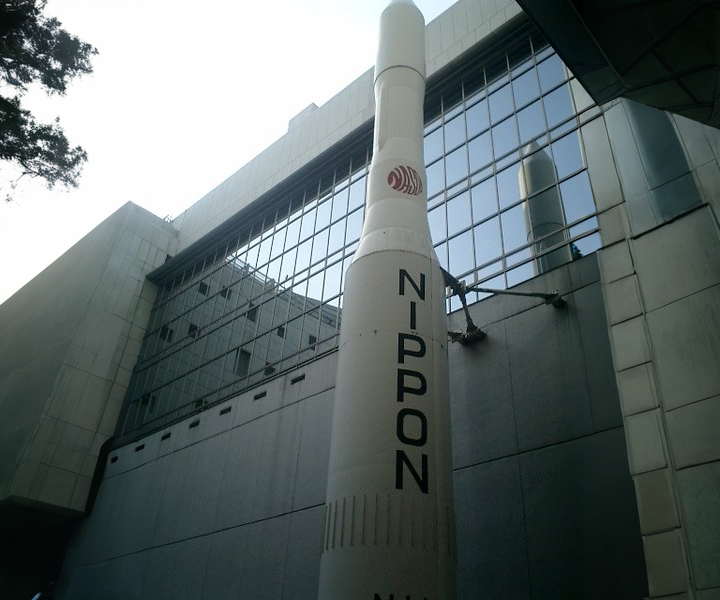
Forty-eight years ago, a pioneering satellite named Kiku 2 propelled Japan into the exclusive group of nations capable of operating satellites in geostationary orbit

Today's brief covers the latest in satellite launches, military implications in space funding, and notable reentry delays.
Today's edition covers significant military space developments, including DIU tech consolidation discussions, NDAA budget expansions, and new military commands.
Today's highlights include Russia's record-setting satellite launch, insights from NASA's AWE during Hurricane Helene, and confirmation of astronaut Suni Williams' good health aboard the ISS.

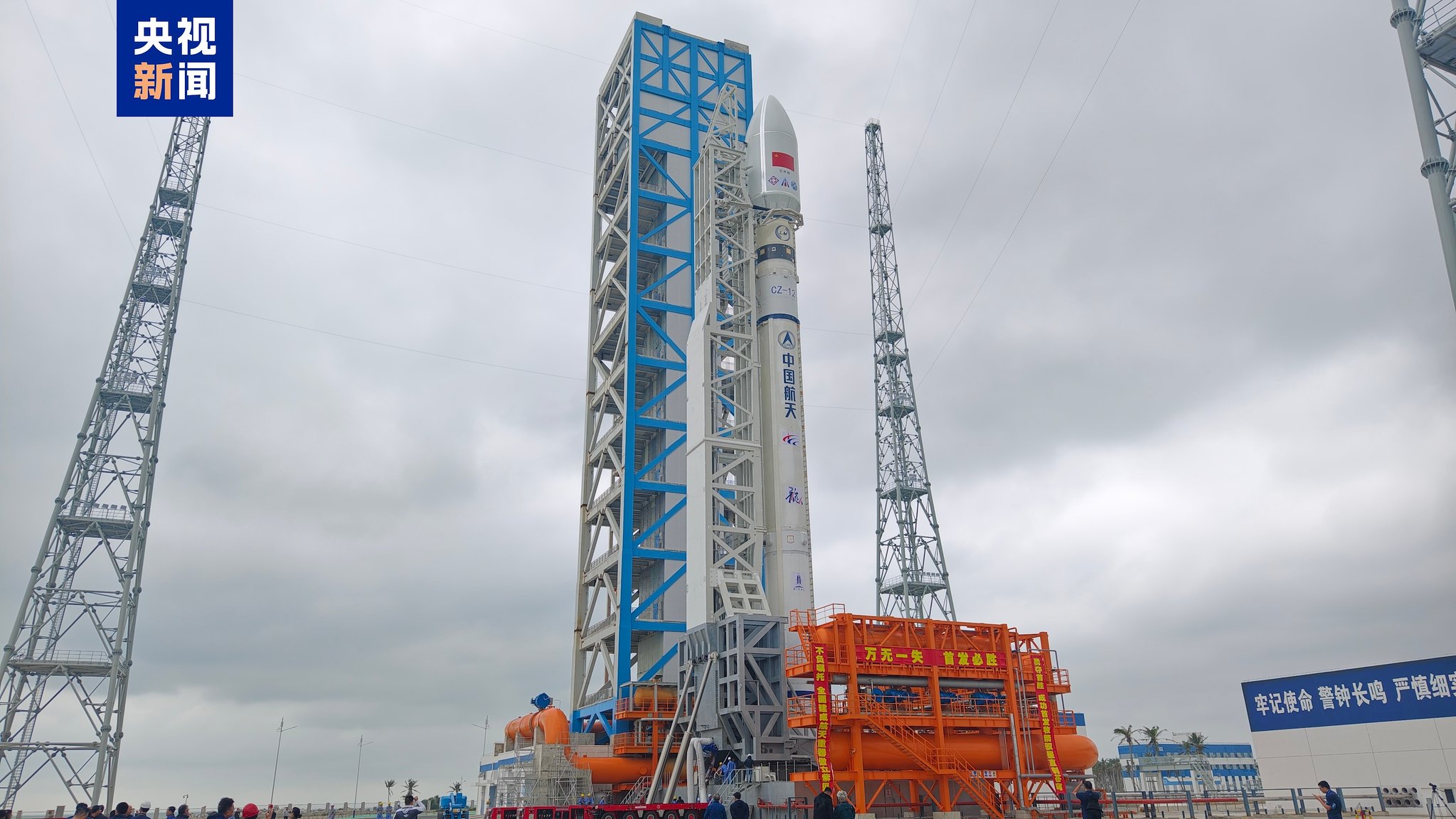
Keck Foundation team proposes first-ever graviton detector concept. Space Force shelves Resilient GPS program. China advances Long March 12B reusable rocket with static fire test at Jiuquan.