


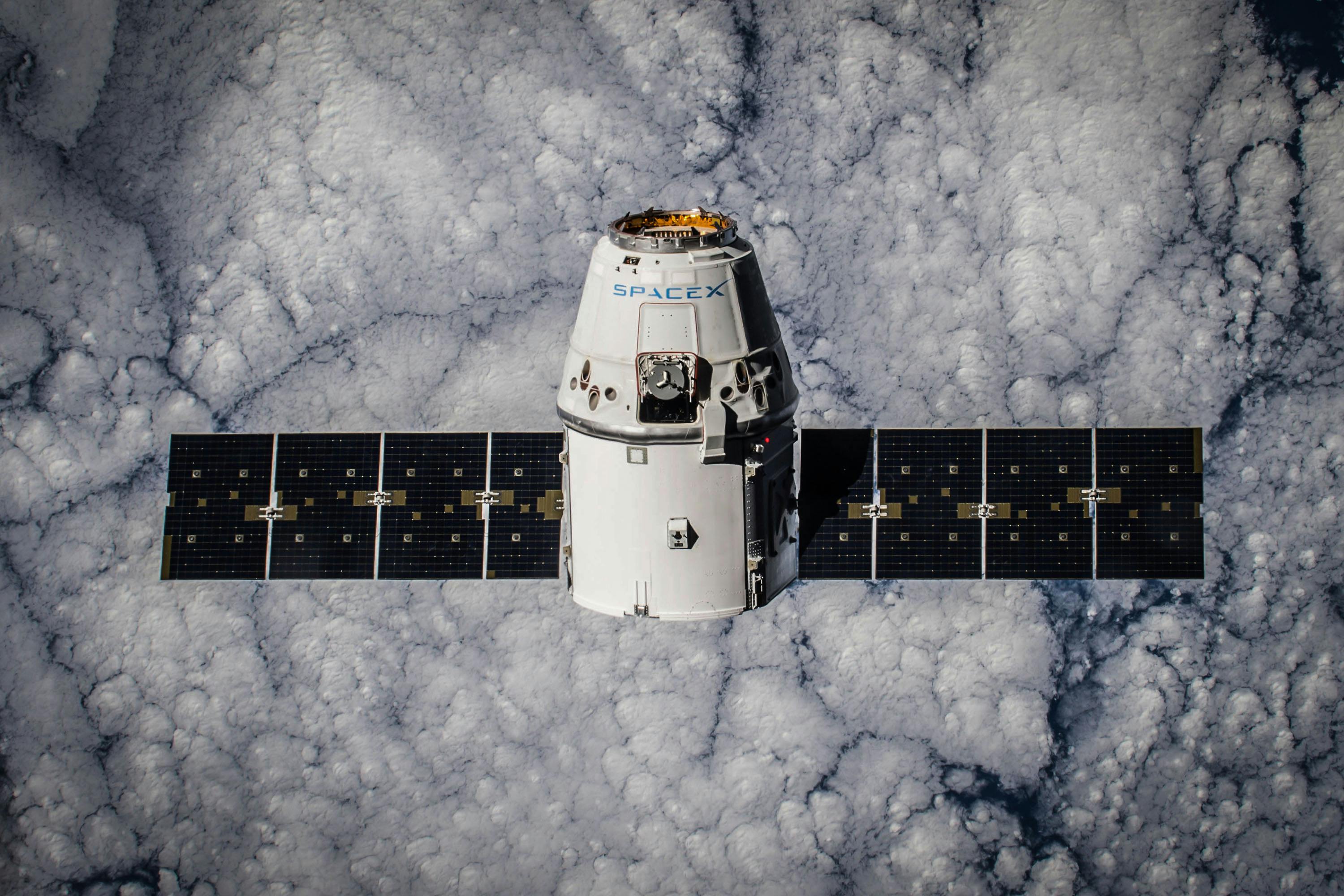
X Report 13 Dec 2025
SpaceX continues making strides in satellite deployments and Starship preparations while managing challenges in space traffic.



Launch Date
November 11, 2022
Launch Site
TAISC
Launch Pad
LC9A
Launch Vehicle
Chang Zheng 6A
NORAD ID
54511
International Designator
2022-151JP
Epoch
Sun, 19 Jul 2026 20:24:32 GMT
Apogee
Calculating...
Perigee
Calculating...
Inclination
98.91°
Right Ascension
169.44°
Eccentricity
Calculating...
Argument of Perigee
3.64°
Period
103.23 min
Mean Motion
13.95 rev/day
Latitude
Calculating...
Longitude
Calculating...
Altitude
Calculating...
Velocity
Calculating...
Name
CZ-6A DEB
Alternative Name
deb CZ-6A Y2
Type
Status
Owner
CNSA
Country
China
Constellation
N/A
Related Satellites
Major Events
N/A
1 54511U 22151JP 26200.85037541 .00000179 00000+0 15340-3 0 9992
2 54511 98.9092 169.4387 0130722 3.6435 356.5649 13.94911810187268
Source: Celestrak
Length
0
Diameter
0
Span
0
Dry Mass
0
Launch Mass
0
Shape
N/A
Radar Cross Section
Unknown
Visual Magnitude
Unknown
Color
Unknown
Material Composition
Unknown
Payload
Unknown
Purpose
Unknown
Mission
Unknown
Manufacturer
SAST
Life Expectancy
Unknown
Bus
Unknown
Configuration
Unknown
Motor
Unknown
Equipment
Unknown
Power System
Unknown
ADCS
Unknown
Transmitter Frequency
Unknown
Learn more about satellites and other related topics.
SpaceX continues making strides in satellite deployments and Starship preparations while managing challenges in space traffic.
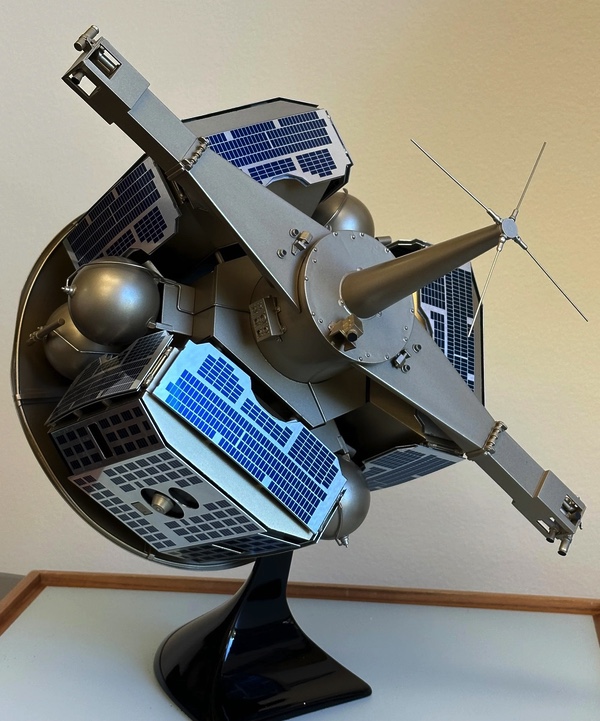
Forty-two years ago, an Atlas H rocket climbed into the California sky carrying four objects that would help the U.S. Navy track every Soviet warship on the planet - a mission so secret that even the satellites' true name wasn't declassified until 2023

Today's Space Brief highlights major developments in satellite launches, regulatory milestones for spectrum sales, and the evolving landscape of space-related cyber conflicts.
China hits record 92 orbital launches in 2025. Vandenberg opens new launch site for providers. Former ULA CEO Tory Bruno joins Blue Origin for national security projects.
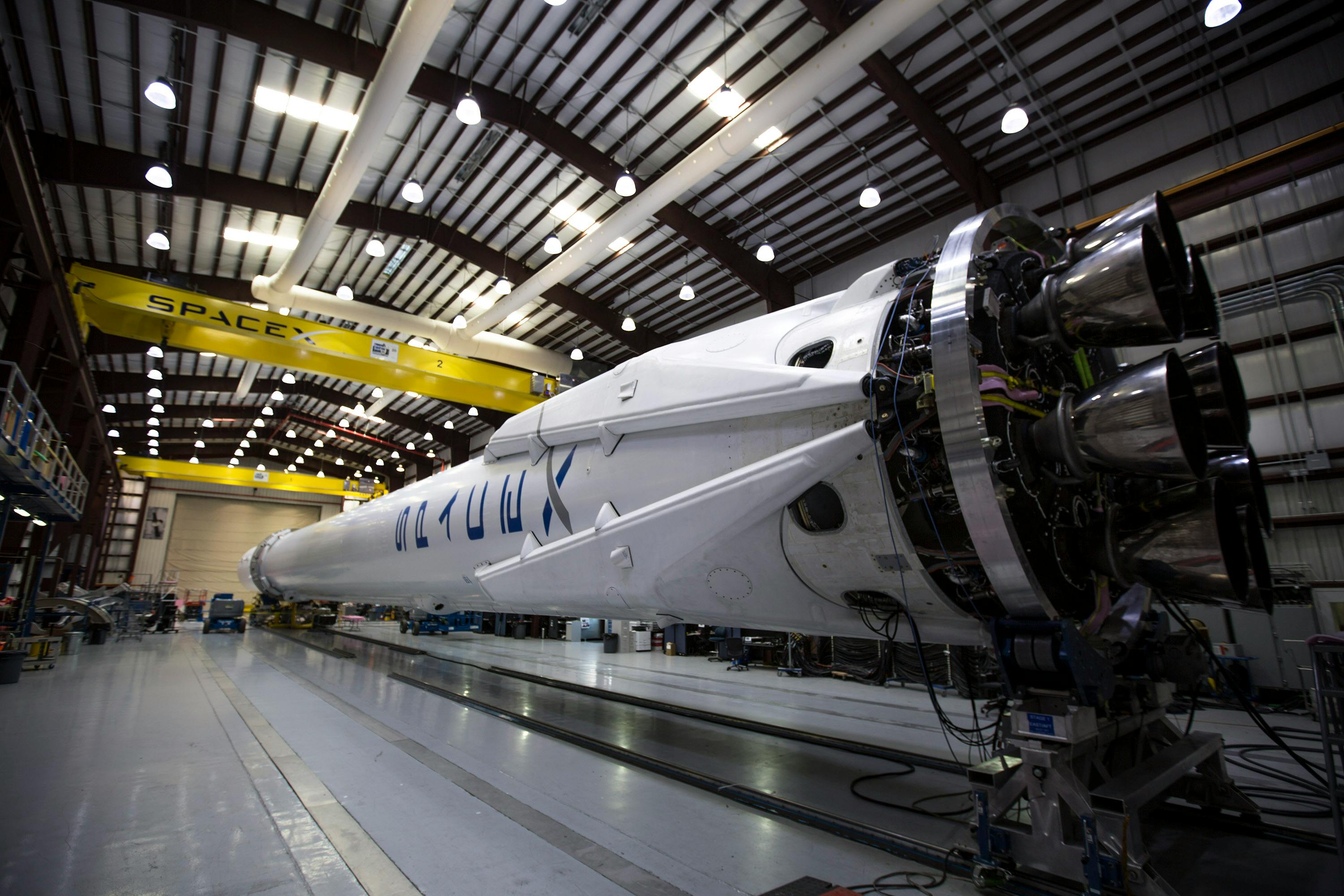
SpaceX advances with Starship readiness, scrubs mysterious RRT-1 launch, and successfully deploys more Starlink satellites.

Starship testing progresses at the Cape; Lynk Global secures funding amidst rising satellite competition.
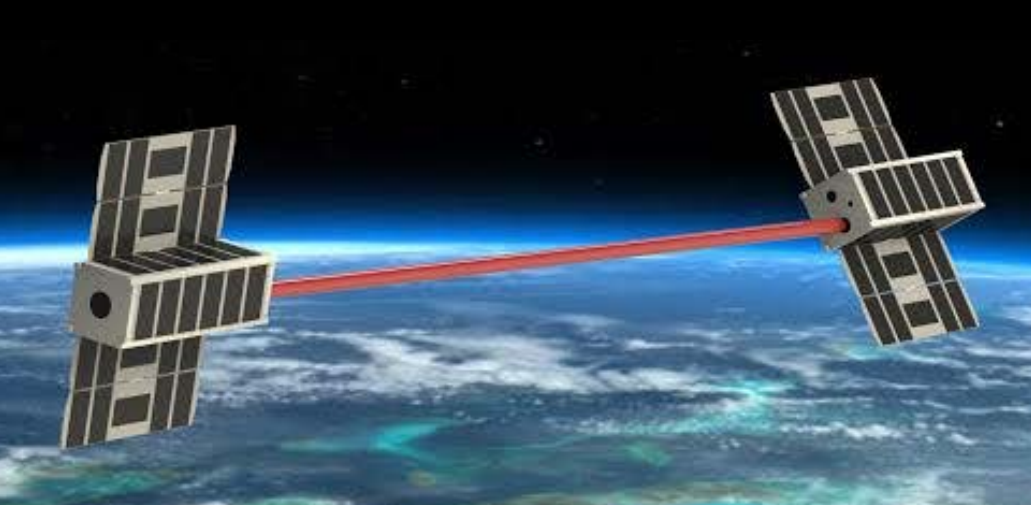
The satellite industry's biggest operators are betting on multi-orbit architectures that combine LEO, MEO, and GEO into unified networks. A San Francisco startup called Contrivian thinks they've overcomplicated the problem, and the physics might be on its side.
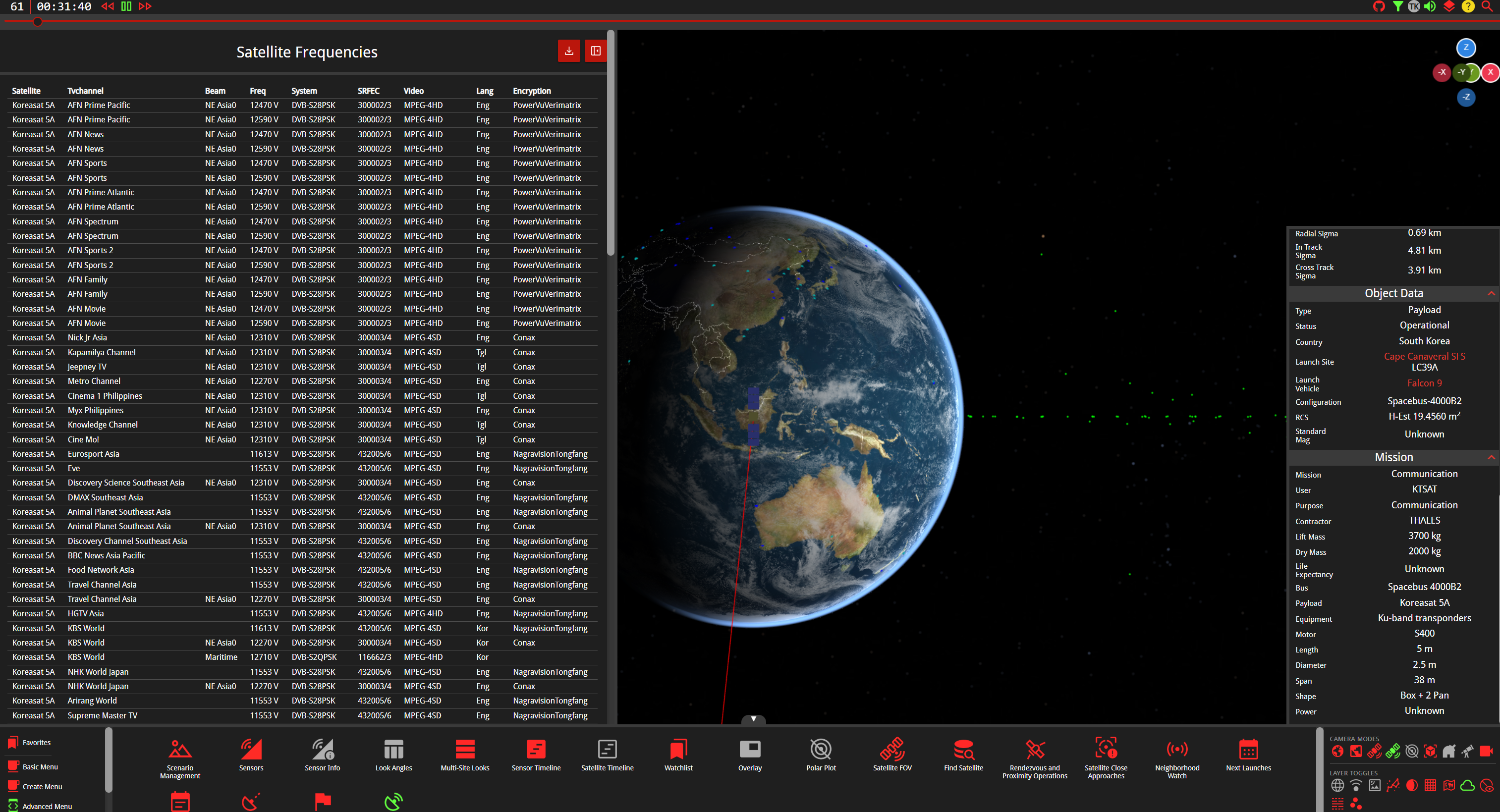
The frequency band that brought satellite TV to small dishes on rooftops and revolutionized direct-to-home broadcasting