


Falcon 9 Booster B1067 Flies Record 35th Time | KeepTrack X Report
Booster B1067 set a Falcon 9 reuse record on its 35th flight, lofting 29 Starlink satellites as SpaceX eyes three more launches this week.



Launch Date
November 1, 1968
Launch Site
Launch Pad
LC90/20
Launch Vehicle
Tsiklon-2A
NORAD ID
05418
International Designator
1968-097CM
Decay Date
11/19/1982
Name
COSMOS 252 DEB
Alternative Name
deb Kosmos-252
Type
Status
Owner
PKO
Country
USSR
Constellation
N/A
Related Satellites
Major Events
N/A
Length
0
Diameter
0
Span
0
Dry Mass
0
Launch Mass
0
Shape
N/A
Radar Cross Section
0.0061
Visual Magnitude
Unknown
Color
Unknown
Material Composition
Unknown
Payload
Unknown
Purpose
Unknown
Mission
Unknown
Manufacturer
Unknown
Life Expectancy
Unknown
Bus
Unknown
Configuration
Unknown
Motor
Unknown
Equipment
Unknown
Power System
Unknown
ADCS
Unknown
Transmitter Frequency
Unknown
Learn more about satellites and other related topics.
Booster B1067 set a Falcon 9 reuse record on its 35th flight, lofting 29 Starlink satellites as SpaceX eyes three more launches this week.

Today's brief covers a groundbreaking national security mission for ULA's Vulcan, NASA's collaboration with LeoLabs for enhanced collision avoidance, and SEOPS' new satellite tracking services, among other key developments.
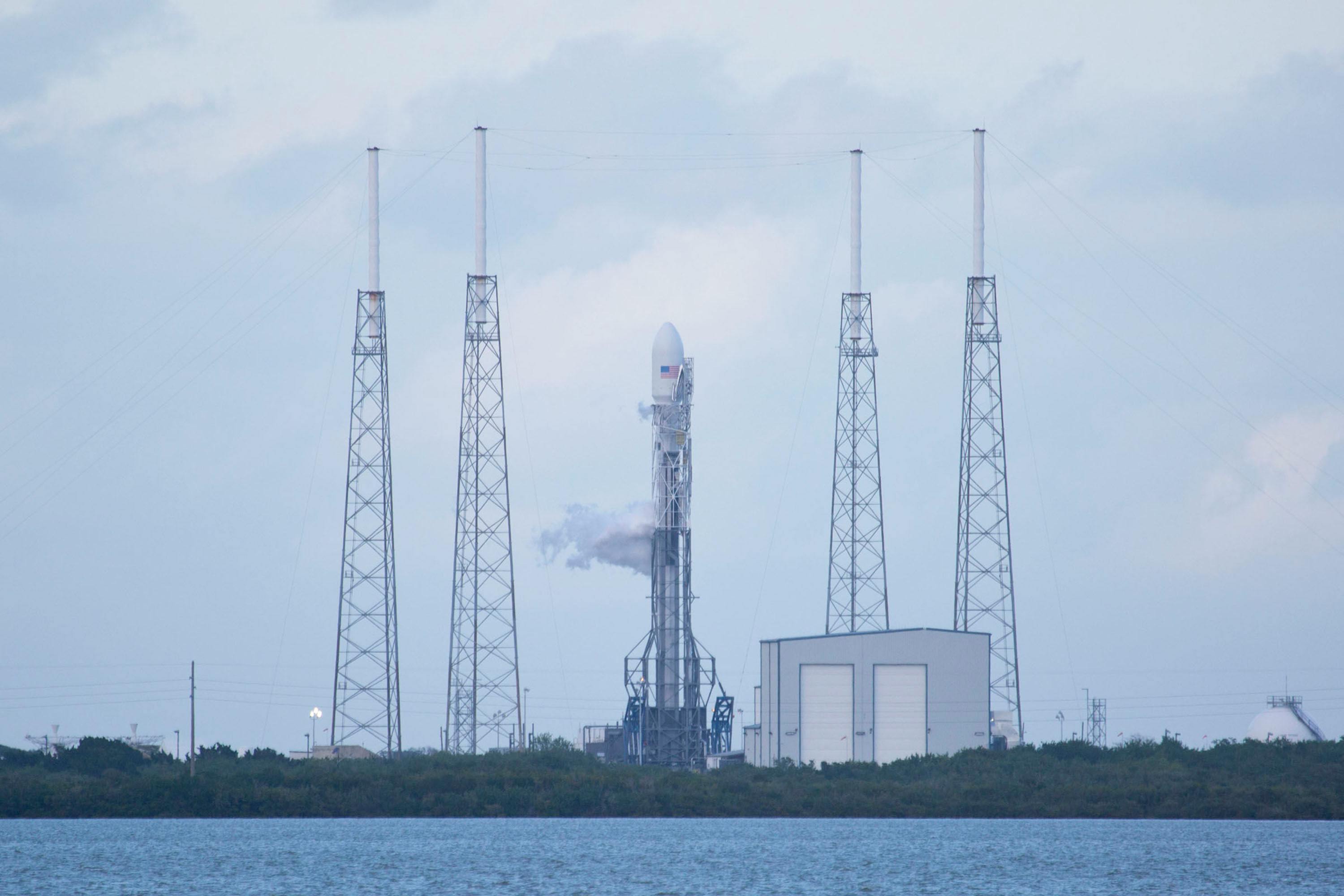
SpaceX achieves its 450th Falcon 9 launch, setting a new turnaround record, while its competitor ULA remains grounded, awaiting clearance from the Space Force.

SpaceX receives FAA clearance for Starship Flight 10 and celebrates its 100th Falcon 9 launch of the year, successfully deploying 24 Starlink satellites.
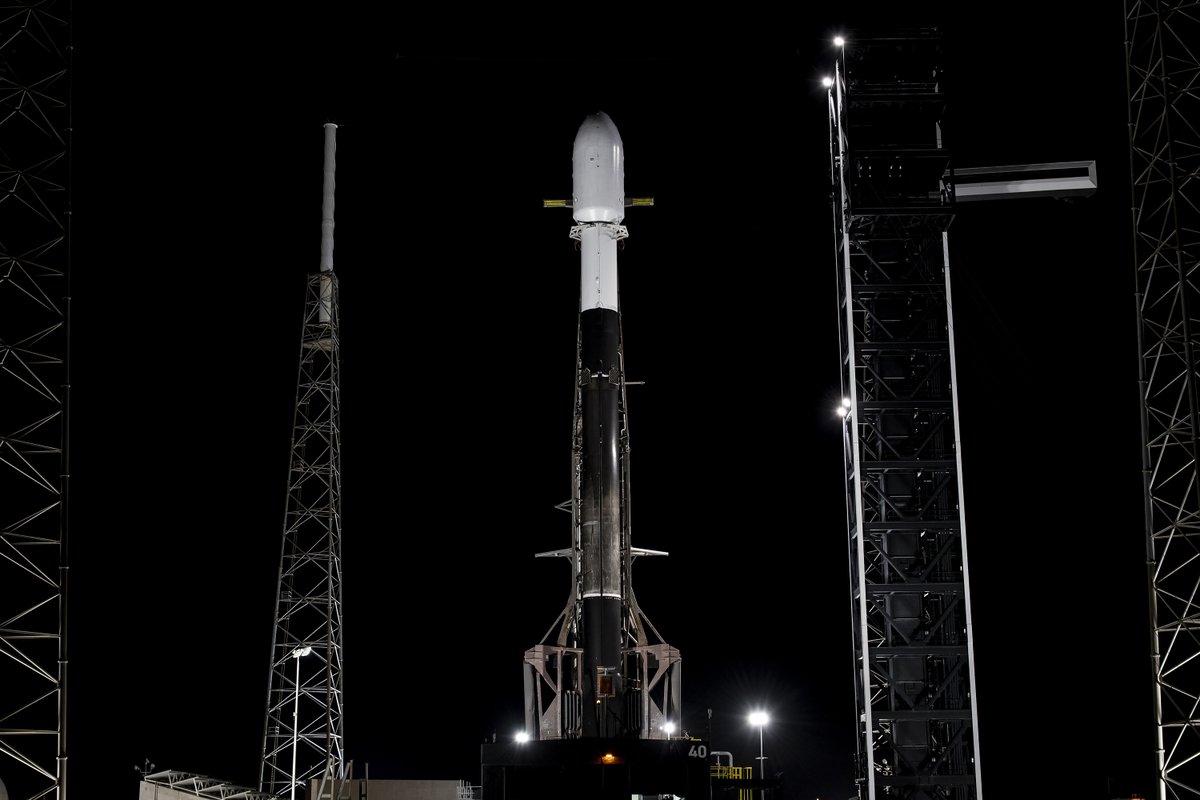
SpaceX launches its 1,500th Starlink satellite of 2026 as shares jump 19% on Nasdaq debut day. Musk targets $1 trillion in annual revenue by 2030.
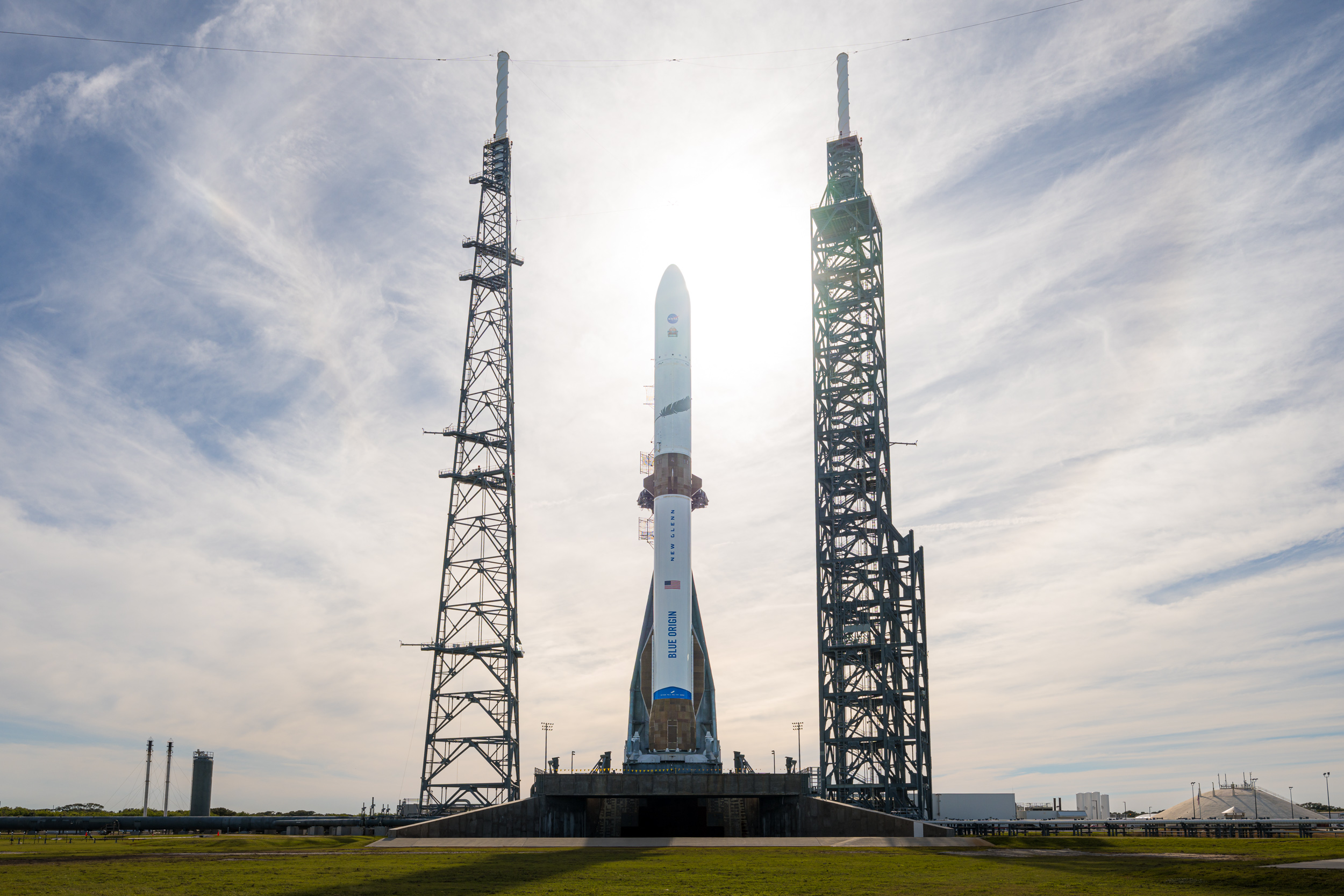
Artemis 2 astronauts completed first crewed lunar flyby since Apollo 17, traveling 690,000 miles aboard Orion. Four crew validated deep-space systems.
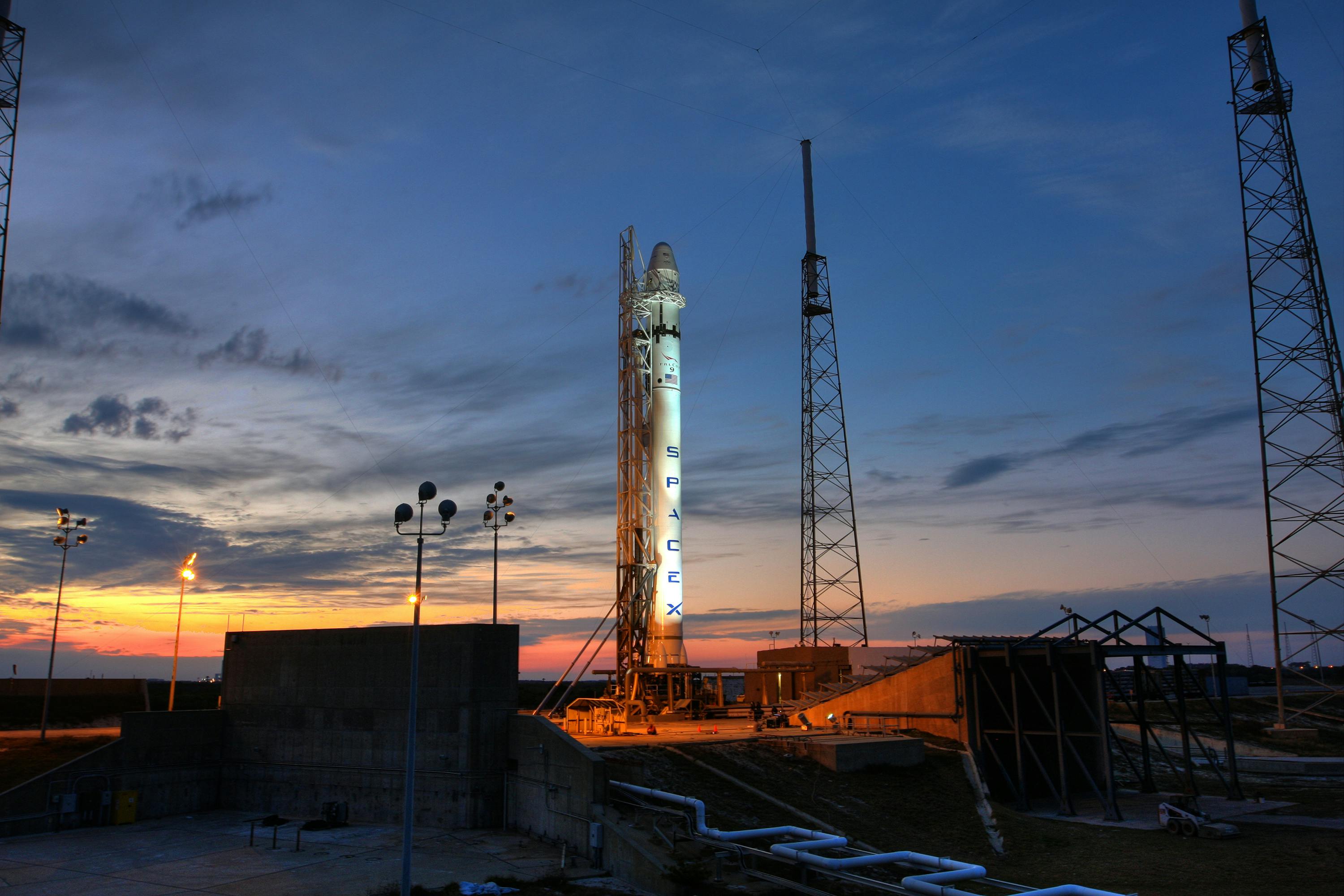
SpaceX launches 28 more Starlink satellites while addressing conflicts of interest and expanding home connectivity with a new router.
Today's brief highlights significant shifts in military space spending due to the Golden Dome program, the U.S. Space Force's advancements in tactical satellite communications, and NASA's race to nuclear power in space.