STARLINK-5242 (54173)

COSPAR: 2022-141S | Alt Name: Starlink 5242

Image
STARLINK-5242 Satellite Image
Additional Sources
Launch Details

Launch Date

October 28, 2022

Launch Site

AFWTR

Launch Pad

SLC4E

Launch Vehicle

Falcon 9

Orbital Elements

NORAD ID

54173

International Designator

2022-141S

Epoch

Sun, 19 Jul 2026 04:47:22 GMT

Apogee

Calculating...

Perigee

Calculating...

Inclination

53.16°

Right Ascension

129.78°

Eccentricity

Calculating...

Argument of Perigee

74.13°

Period

93.85 min

Mean Motion

15.34 rev/day

Latitude

Calculating...

Longitude

Calculating...

Altitude

Calculating...

Velocity

Calculating...

Polar Plot
3D Visualization
Basic Satellite Info

Name

STARLINK-5242

Alternative Name

Starlink 5242

Type

Payload

Status

Operational

Owner

SPXS

Country

United States

Constellation

N/A

Related Satellites

Major Events

N/A

Latest TLEs
1 54173U 22141S   26200.19956315  .00004743  00000+0  15158-3 0  9999
2 54173  53.1618 129.7850 0001232  74.1269 285.9870 15.34367881205760

Source: Celestrak

Summary
The STARLINK-5242 satellite, also known as Starlink 5242 and part of the Starlink Group 4-31-17 mission, was launched on October 28, 2022, from AFWTR SLC4E using a Falcon 9 launch vehicle. It has dimensions of 0.2 meters in length, 2.8 meters in diameter, and a span of 9 meters. The satellite weighs 305 kg at launch with a dry mass of 290 kg and is powered by solar arrays and batteries. Equipped with Ku/Ka-band payload and optical inter-satellite link equipment, STARLINK-5242 uses Krypton ion thrusters for propulsion. It was manufactured by SPXS (SpaceX) in the US and is owned by SpaceX. Its primary purpose is communication within its constellation, featuring a box + pan shape design.

Starlink is a satellite constellation developed by SpaceX with the aim of providing global broadband internet coverage. Thousands of small satellites are deployed in low Earth orbit (LEO), enabling high-speed internet access even in remote areas. However, the rapid increase in satellites raises concerns about space debris and the potential for collisions, which can lead to further debris creation and endanger other spacecraft. Additionally, the sheer number of Starlink satellites can affect astronomical observations by increasing light pollution. Proper deorbiting plans and international coordination are essential to mitigate these challenges and ensure long-term sustainability in space.
Physical Characteristics

Length

0.2

Diameter

2.8

Span

9

Dry Mass

290

Launch Mass

305

Shape

Box + pan

Radar Cross Section

Unknown

Visual Magnitude

Unknown

Color

Unknown

Material Composition

Unknown

Technical Details

Payload

Starlink Group 4-31-17

Purpose

Communication

Mission

Communication

Manufacturer

SPXS

Life Expectancy

Unknown

Bus

Starlink

Configuration

Unknown

Motor

Krypton ion thrusters

Equipment

Ku/Ka-band payload, optical inter-satellite link

Power System

Solar arrays, batteries

ADCS

Unknown

Transmitter Frequency

Unknown

Map
This tool will help you track the satellite's position and predict its upcoming passes over your location. Simply input the coordinates or click the geolocation button to get started.
Next Pass
Azimuth Elevation Time (Local)
Start Azimuth
Max Elevation
Stop Azimuth
Time Until
Pass Duration

Satellite Articles

View All Posts »

Learn more about satellites and other related topics.

Space Brief 21 Feb 2025

Space Brief 21 Feb 2025

Explore the latest developments in international defense collaborations, aerospace advancements, and emerging military trends shaping our orbital environments.

First Graviton Detector Concept Proposed, Space Force Shelves R-GPS Program | KeepTrack Space Brief

First Graviton Detector Concept Proposed, Space Force Shelves R-GPS Program | KeepTrack Space Brief

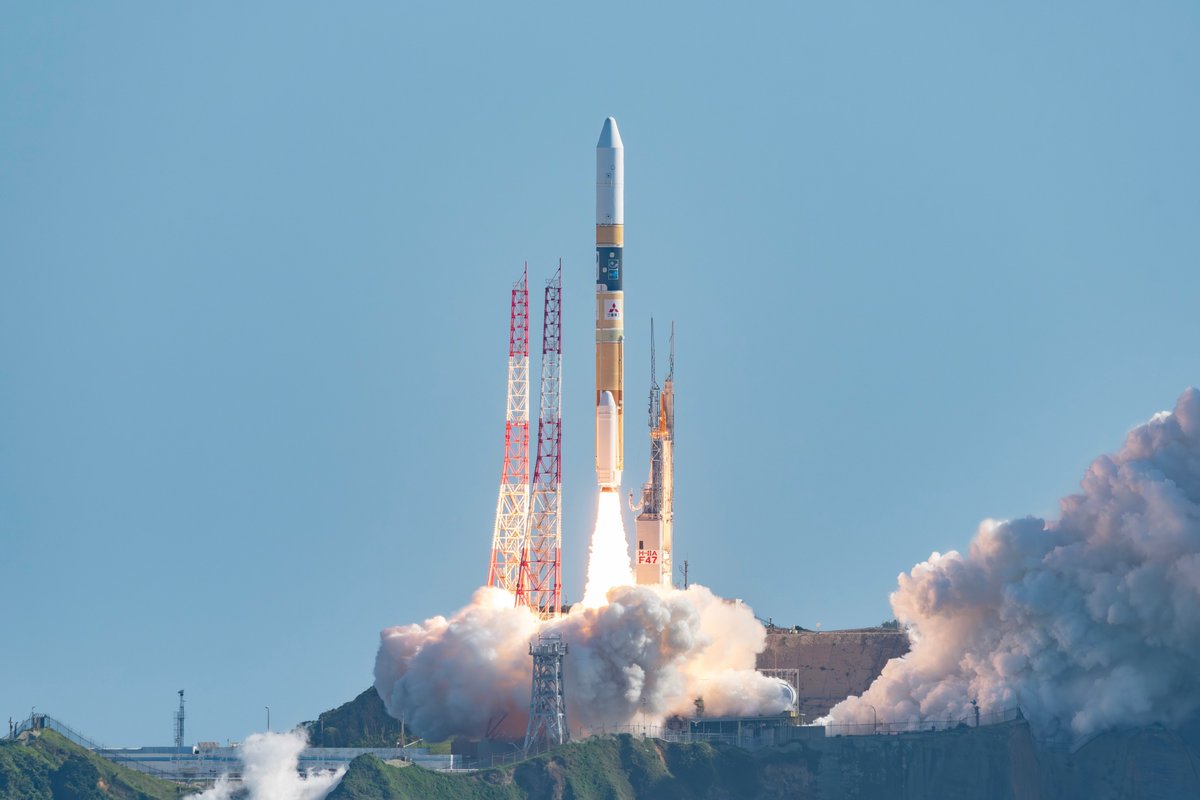
Keck Foundation team proposes first-ever graviton detector concept. Space Force shelves Resilient GPS program. China advances Long March 12B reusable rocket with static fire test at Jiuquan.
Space Brief 18 Jun 2025

Space Brief 18 Jun 2025

Today's updates cover crucial developments in satellite licensing reforms, defense cybersecurity, and AI integration within government sectors.
Artemis 2 Crew Reaches Moon, NASA Cuts Budget 25% | KeepTrack Space Brief

Artemis 2 Crew Reaches Moon, NASA Cuts Budget 25% | KeepTrack Space Brief

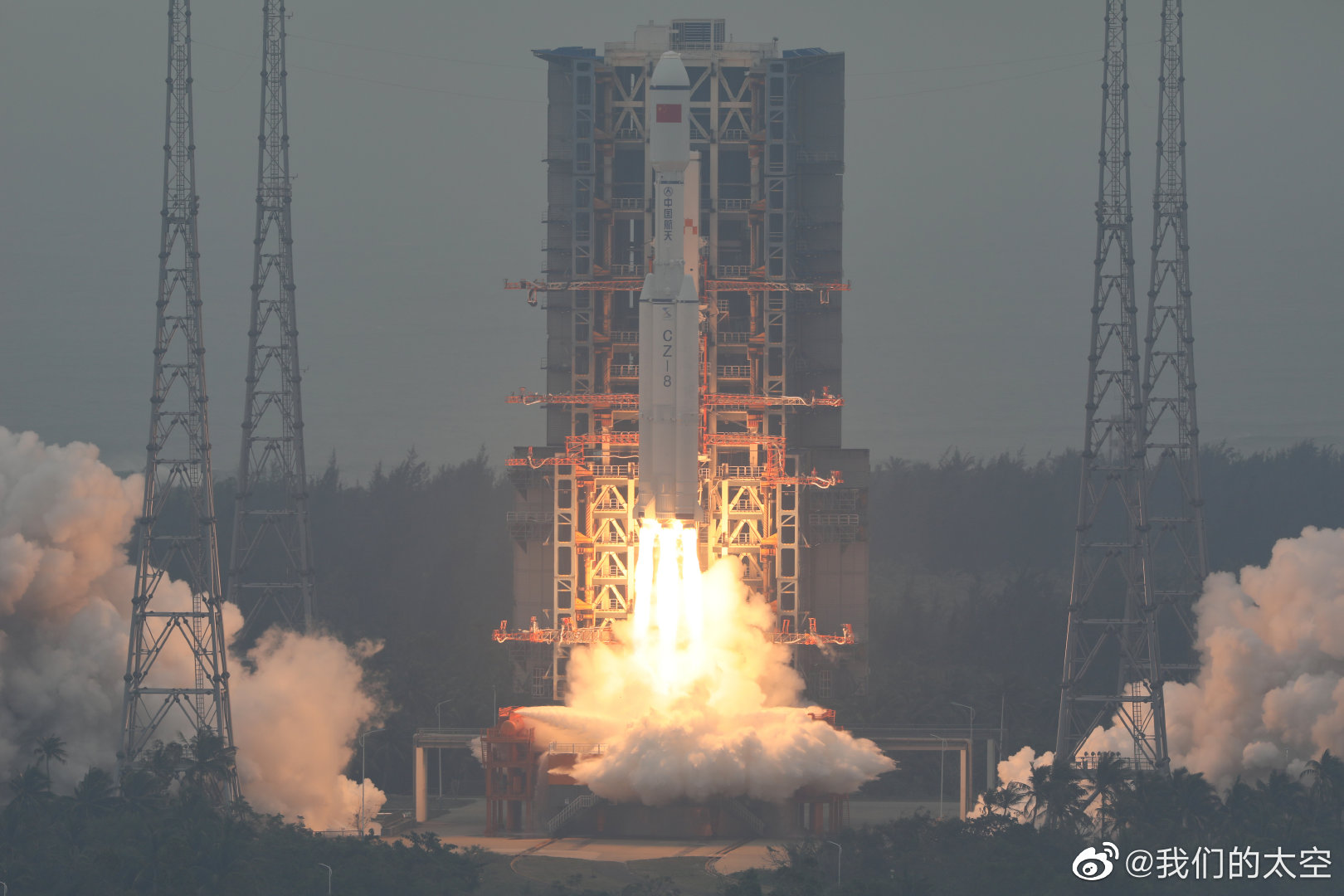
Artemis 2's four astronauts entered lunar sphere of influence April 6, first crewed arrival since Apollo 17. NASA simultaneously proposed 25% budget cut for FY2027.

Space Brief 2 Jun 2025

Space Brief 2 Jun 2025

Today's edition covers SpaceX's Starlink launch delay, a breakthrough in ceramic manufacturing for space, and Momentus's orbital tech demo, among other headlines.
The Morning a Supply Ship Tore Open Mir

The Morning a Supply Ship Tore Open Mir

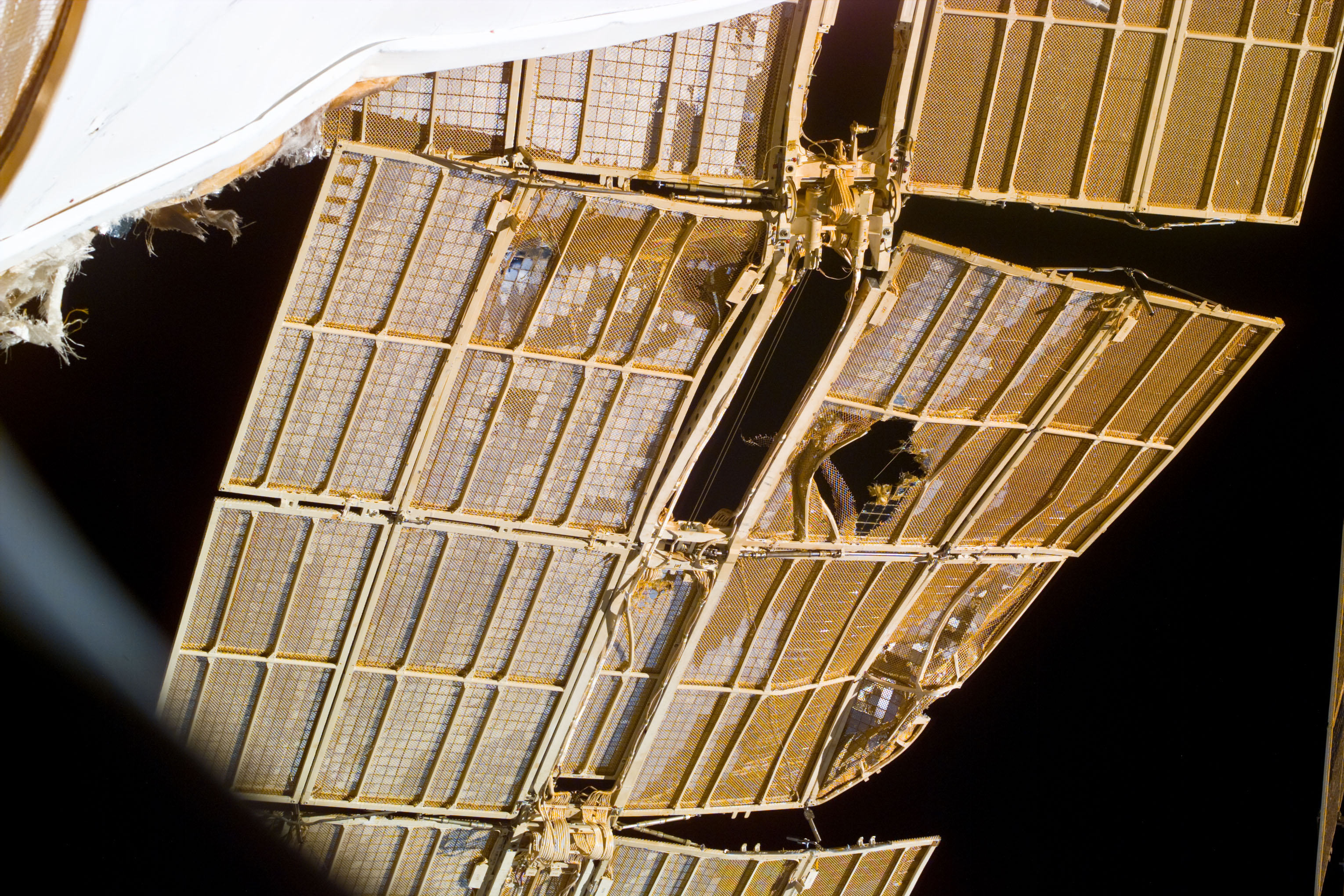
On 25 June 1997, a seven-ton cargo ship under hand control drifted into Mir's Spektr module, breached the hull, and left three crew members listening to their air hiss into space. It remains the worst collision in the history of human spaceflight.
X Report 1 Jul 2025

X Report 1 Jul 2025

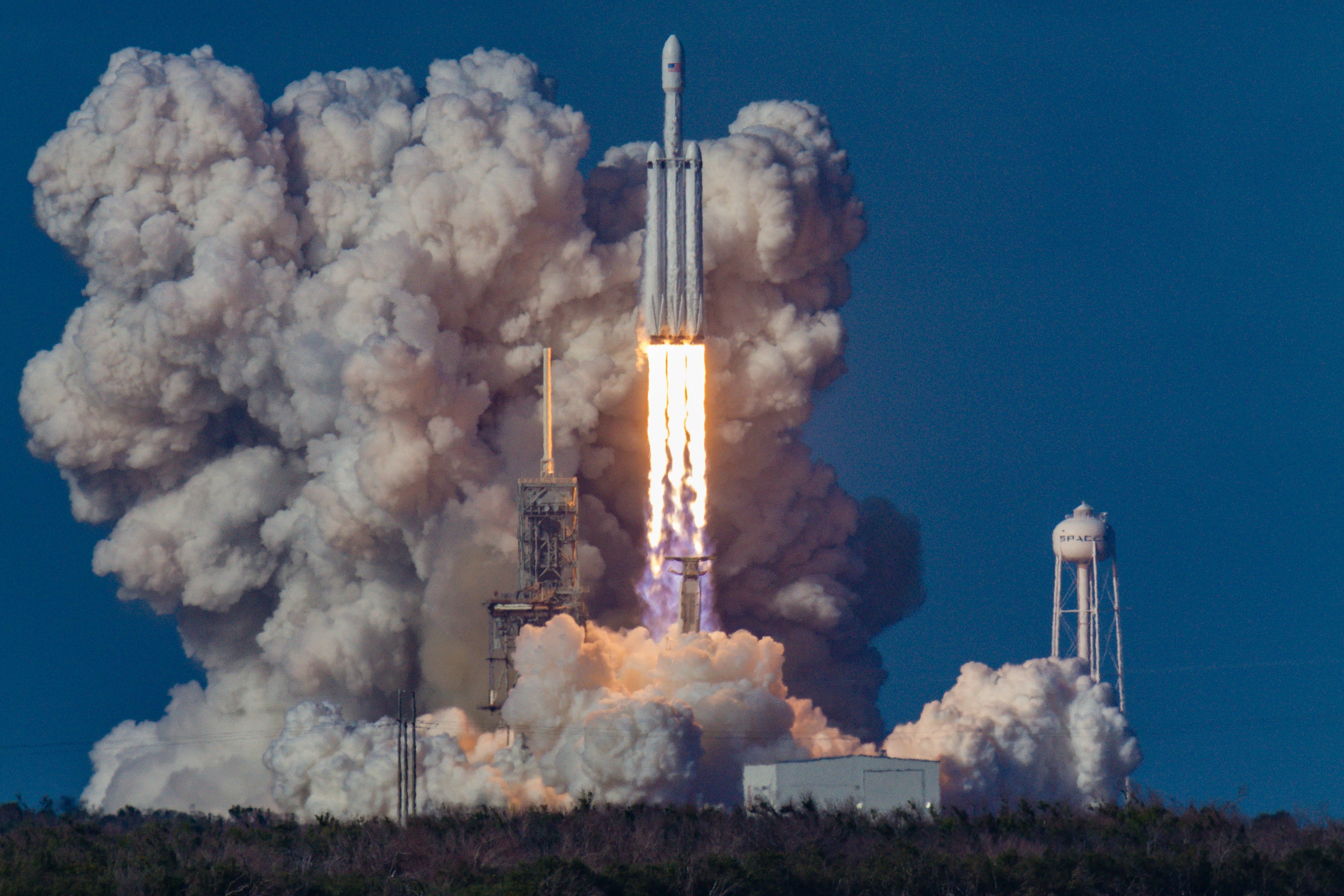
SpaceX gears up for an exciting July with a doubleheader launch planned for the east coast and ongoing advancements in Starlink technology.

Space Force Halts All Vulcan Missions Over Solid Booster Issue | KeepTrack Space Brief

Space Force Halts All Vulcan Missions Over Solid Booster Issue | KeepTrack Space Brief

Space Force suspends all Vulcan launches pending solid rocket booster investigation. Rocket Lab scrubs HASTE hypersonic vehicle launch. Military space funding hits record highs.