


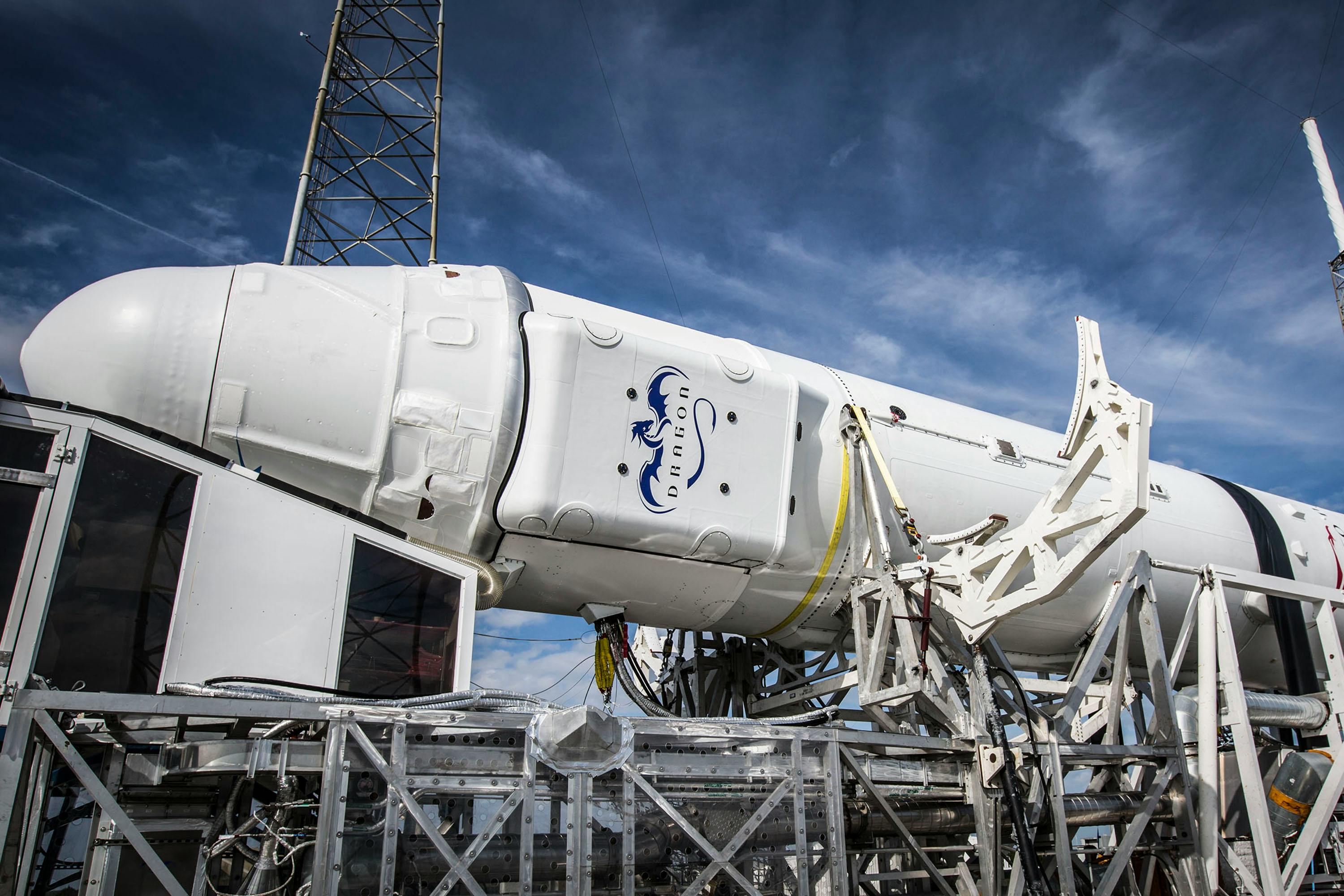
SpaceX Starfall Reentry Vehicle Plans Revealed by FAA | KeepTrack X Report
FAA documents expose SpaceX's Starfall reentry vehicle program, targeting in-space manufacturing support as the Starlink constellation holds 10,397 working satellites.



Launch Date
October 20, 2022
Launch Site
Launch Pad
LC40
Launch Vehicle
NORAD ID
54098
International Designator
2022-136AZ
Epoch
Sun, 19 Jul 2026 17:40:14 GMT
Apogee
Calculating...
Perigee
Calculating...
Inclination
53.16°
Right Ascension
101.39°
Eccentricity
Calculating...
Argument of Perigee
112.73°
Period
95.44 min
Mean Motion
15.09 rev/day
Latitude
Calculating...
Longitude
Calculating...
Altitude
Calculating...
Velocity
Calculating...
Name
STARLINK-5217
Alternative Name
Starlink 5217
Type
Status
Owner
SPXS
Country
United States
Constellation
N/A
Related Satellites
Major Events
N/A
1 54098U 22136AZ 26200.73628251 -.00000109 00000+0 11218-4 0 9991
2 54098 53.1618 101.3869 0001261 112.7316 247.3809 15.08834536206915
Source: Celestrak
Length
0.2
Diameter
2.8
Span
9
Dry Mass
290
Launch Mass
305
Shape
Box + pan
Radar Cross Section
Unknown
Visual Magnitude
Unknown
Color
Unknown
Material Composition
Unknown
Payload
Starlink Group 4-36-48
Purpose
Communication
Mission
Communication
Manufacturer
SPXS
Life Expectancy
Unknown
Bus
Starlink
Configuration
Unknown
Motor
Krypton ion thrusters
Equipment
Ku/Ka-band payload, optical inter-satellite link
Power System
Solar arrays, batteries
ADCS
Unknown
Transmitter Frequency
Unknown
Learn more about satellites and other related topics.
FAA documents expose SpaceX's Starfall reentry vehicle program, targeting in-space manufacturing support as the Starlink constellation holds 10,397 working satellites.
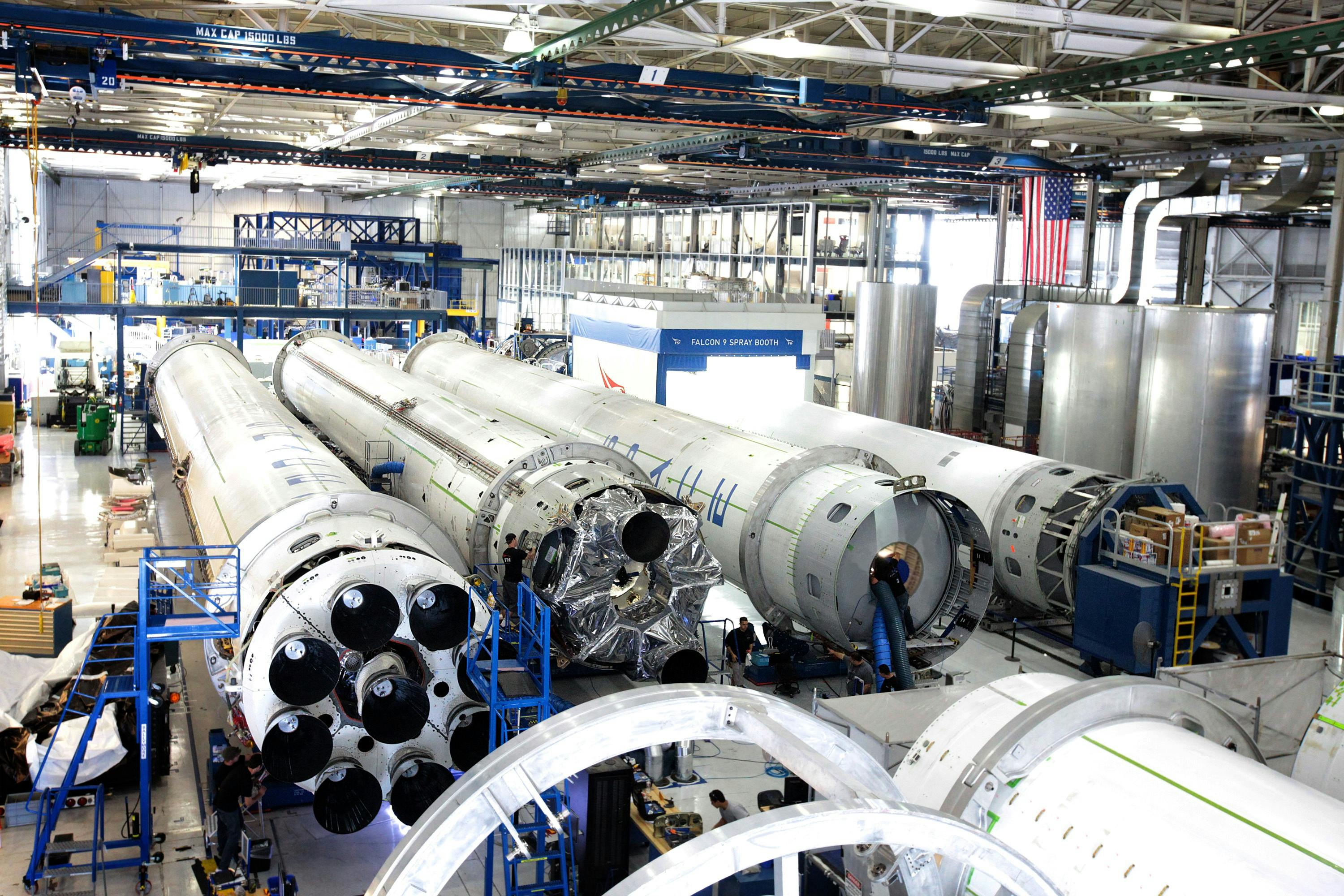
SpaceX unveils new space traffic management system for orbital coordination. Bahamas grants permission for rocket landings after Starship debris pause. Musk proposes lunar satellite catapult.
FCC clears Reflect Orbital's first satellite to bounce sunlight into nighttime zones, despite pushback from astronomers concerned about orbital streaking and wildlife impacts.

Today's highlights include a new 5G demonstration launch on Firefly, potential supply chain interruptions in the defense sector, and updates on Artemis and ULA launches.

Today's coverage includes the cancellation of DARPA's DRACO nuclear propulsion project, global shifts in Earth observation strategy, and new developments in satellite technology and military collaborations.
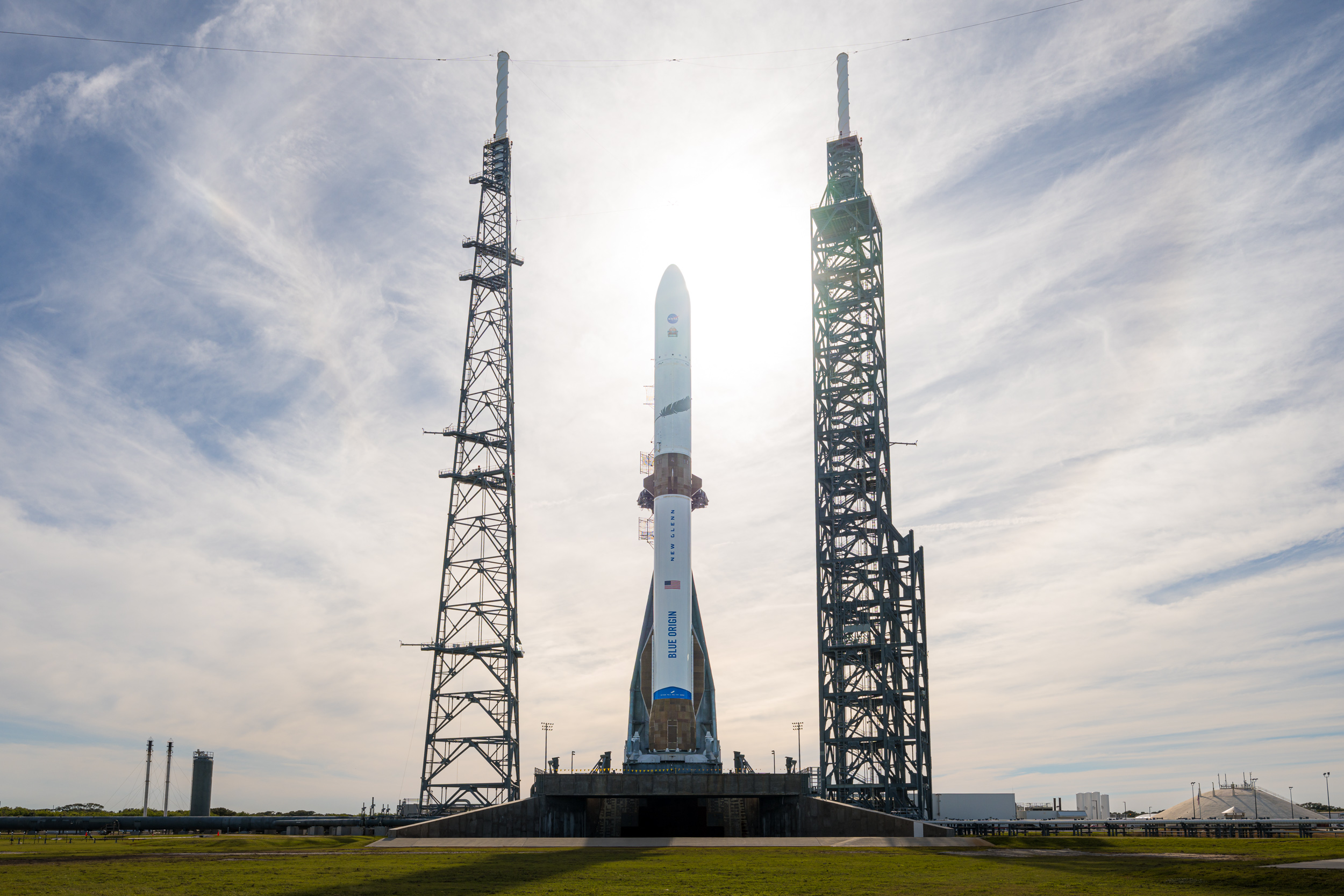
Artemis 2 astronauts completed first crewed lunar flyby since Apollo 17, traveling 690,000 miles aboard Orion. Four crew validated deep-space systems.
SpaceX makes strides with United States national security satellites, securing substantial spectrum for Starlink's direct-to-cell services, and preparing for future Starship developments.
Today's SpaceX Brief highlights the imminent launch of the Ax-4 mission, notable milestones in Falcon rocket history, and the impact of political tensions on SpaceX operations.