


X Report 6 Oct 2025
SpaceX gears up for its 11th Starship test flight, while Starlink expands connectivity through partnerships with T-Mobile, enhancing app functionality beyond cellular coverage.



Launch Date
October 20, 2022
Launch Site
Launch Pad
LC40
Launch Vehicle
NORAD ID
54073
International Designator
2022-136Y
Epoch
Sun, 19 Jul 2026 17:40:44 GMT
Apogee
Calculating...
Perigee
Calculating...
Inclination
53.16°
Right Ascension
105.71°
Eccentricity
Calculating...
Argument of Perigee
90.48°
Period
95.44 min
Mean Motion
15.09 rev/day
Latitude
Calculating...
Longitude
Calculating...
Altitude
Calculating...
Velocity
Calculating...
Name
STARLINK-5146
Alternative Name
Starlink 5146
Type
Status
Owner
SPXS
Country
United States
Constellation
N/A
Related Satellites
Major Events
N/A
1 54073U 22136Y 26200.73662828 -.00001711 00000+0 -89408-4 0 9999
2 54073 53.1605 105.7094 0001238 90.4810 269.6324 15.08844644206850
Source: Celestrak
Length
0.2
Diameter
2.8
Span
9
Dry Mass
290
Launch Mass
305
Shape
Box + pan
Radar Cross Section
Unknown
Visual Magnitude
Unknown
Color
Unknown
Material Composition
Unknown
Payload
Starlink Group 4-36-23
Purpose
Communication
Mission
Communication
Manufacturer
SPXS
Life Expectancy
Unknown
Bus
Starlink
Configuration
Unknown
Motor
Krypton ion thrusters
Equipment
Ku/Ka-band payload, optical inter-satellite link
Power System
Solar arrays, batteries
ADCS
Unknown
Transmitter Frequency
Unknown
Learn more about satellites and other related topics.
SpaceX gears up for its 11th Starship test flight, while Starlink expands connectivity through partnerships with T-Mobile, enhancing app functionality beyond cellular coverage.
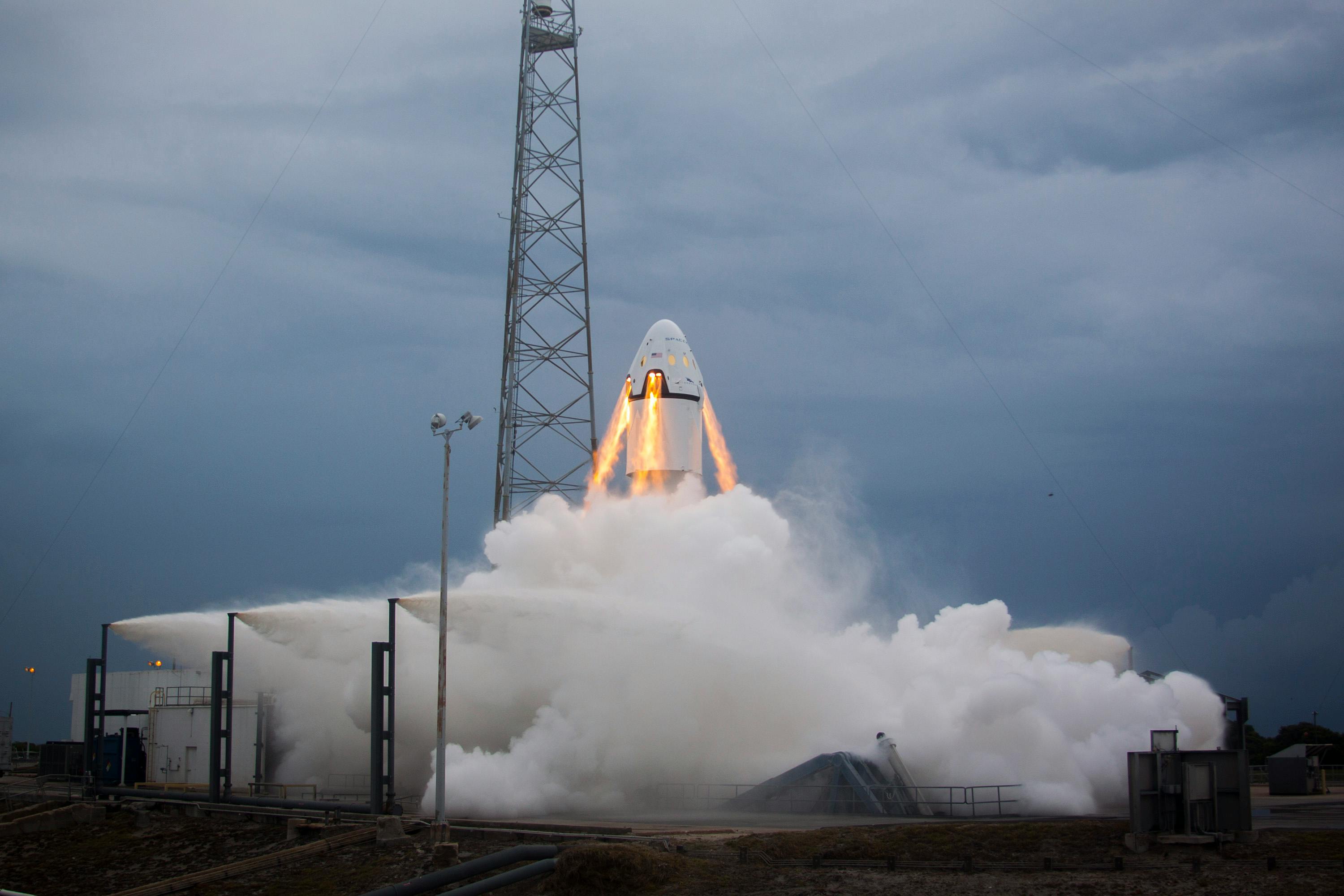
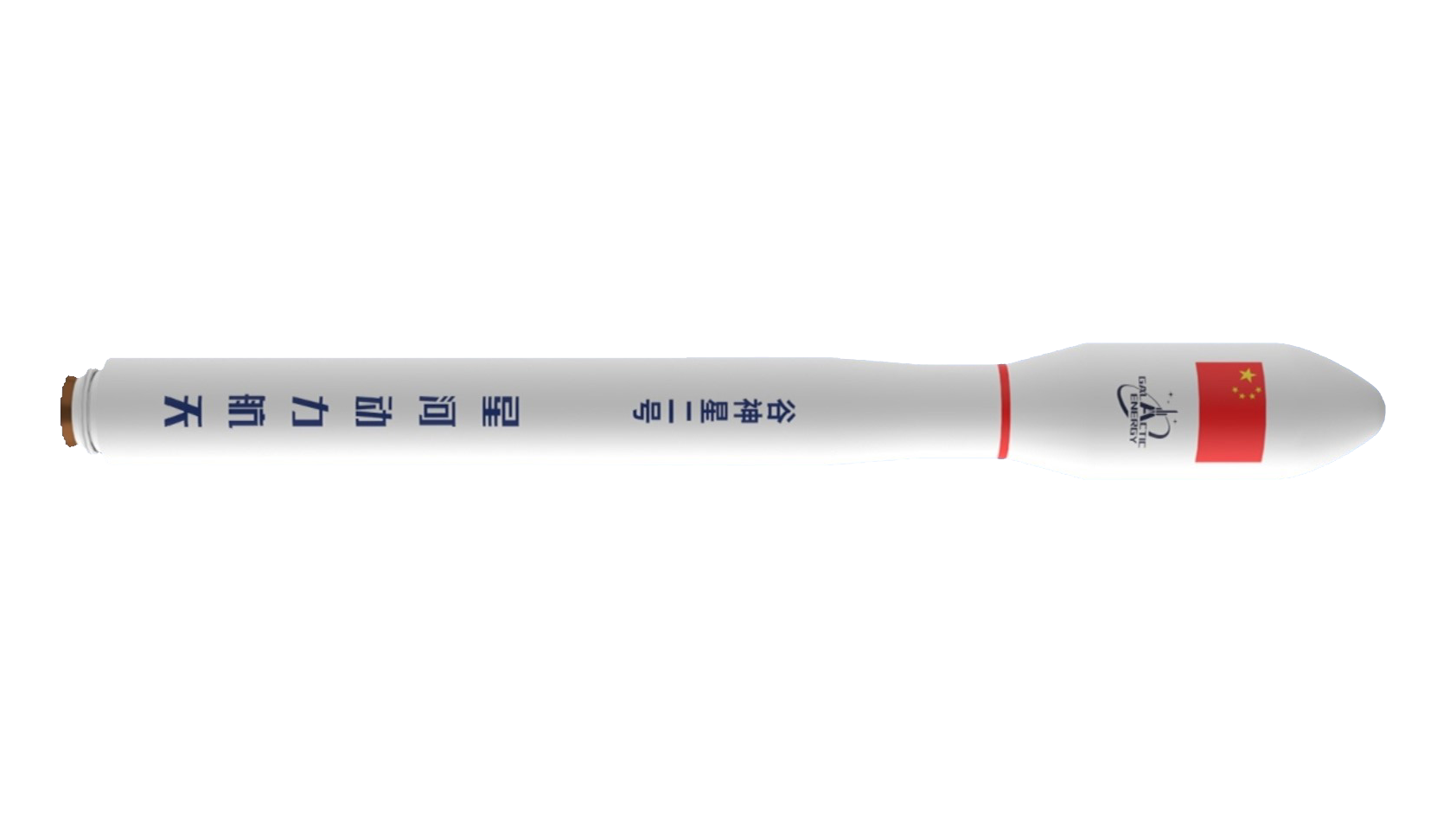
Today’s highlights focus on the launch preparations for the Dragoon Mission, China’s seismo-electromagnetic satellite launch, NASA budget cut impacts, and a major expansion by American Pacific Corporation.
Pentagon chief Pete Hegseth tours Rocket Lab for Arsenal of Freedom strategy. Space Force accelerates 2026 acquisitions including GPS and tactical comms. Rhea Space wins $1.9M optical nav contract.
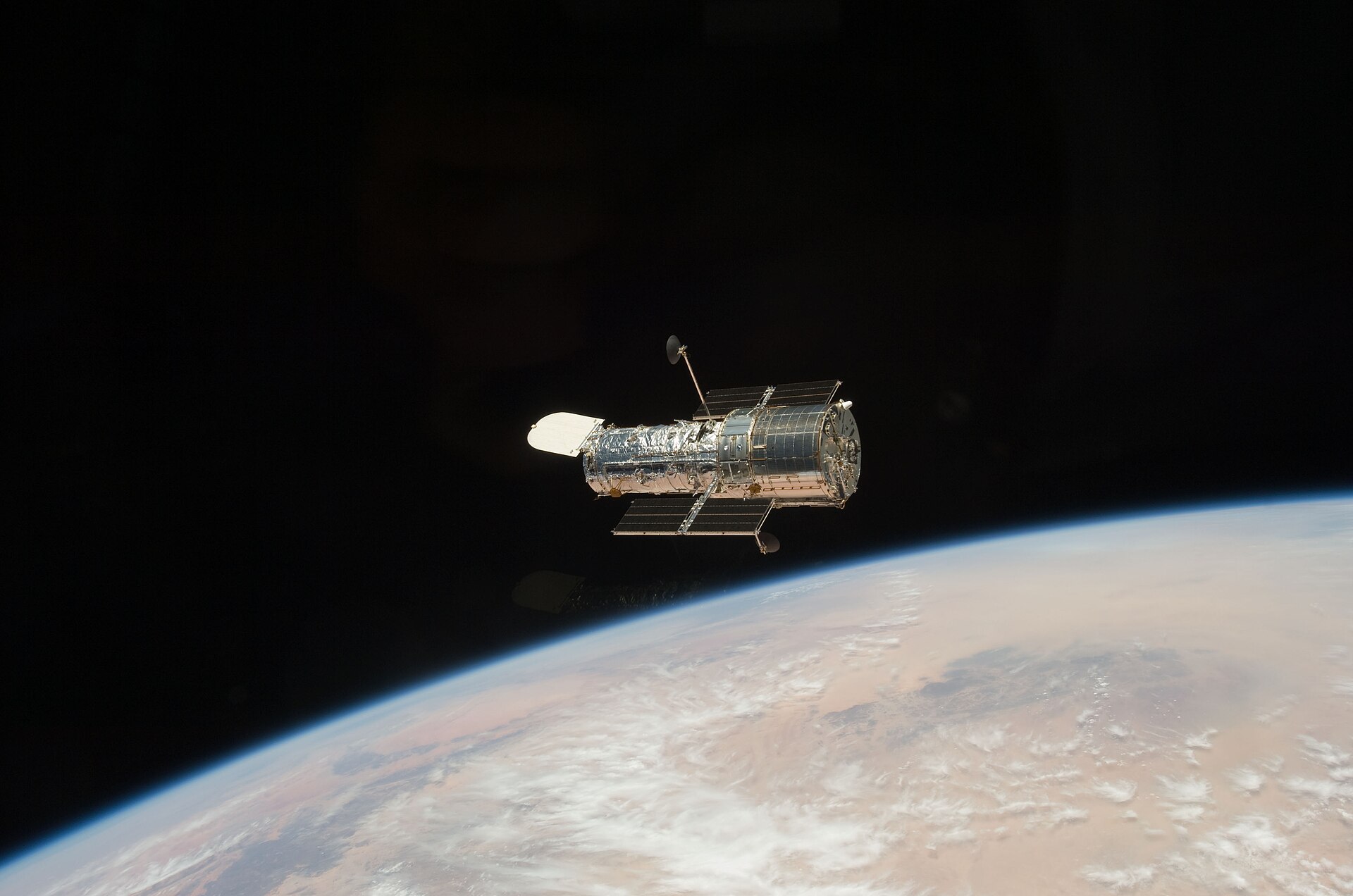
On April 25, 1990, the Space Shuttle Discovery's robotic arm lifted a 11,110-kilogram barrel of mirrors and instruments out of the payload bay and released it into orbit. Six weeks later, the first images came back badly out of focus. The Hubble Space Telescope had been ground to the wrong prescription, and America had just spent $2.5 billion on what the press was calling a 'technoturkey.'
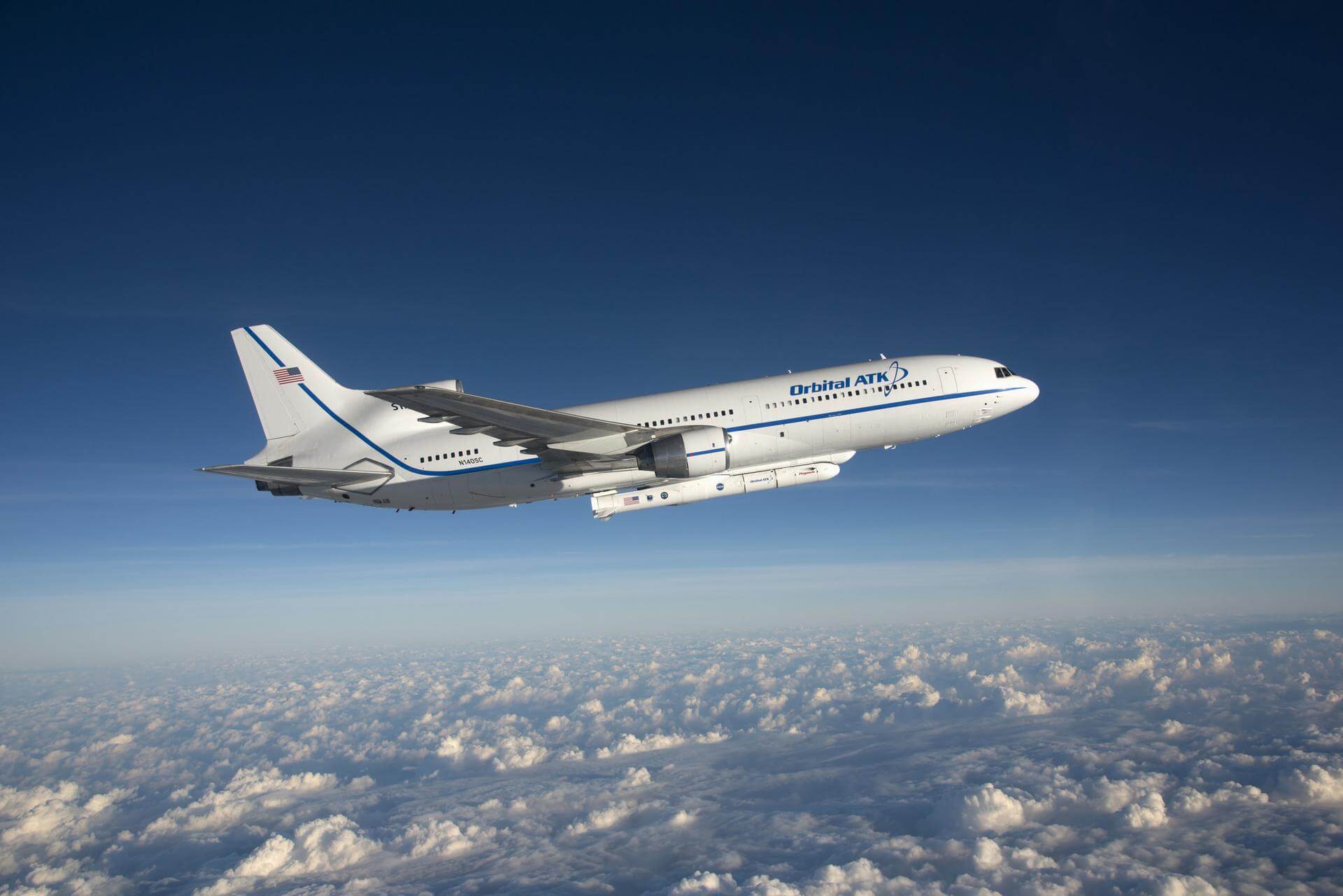
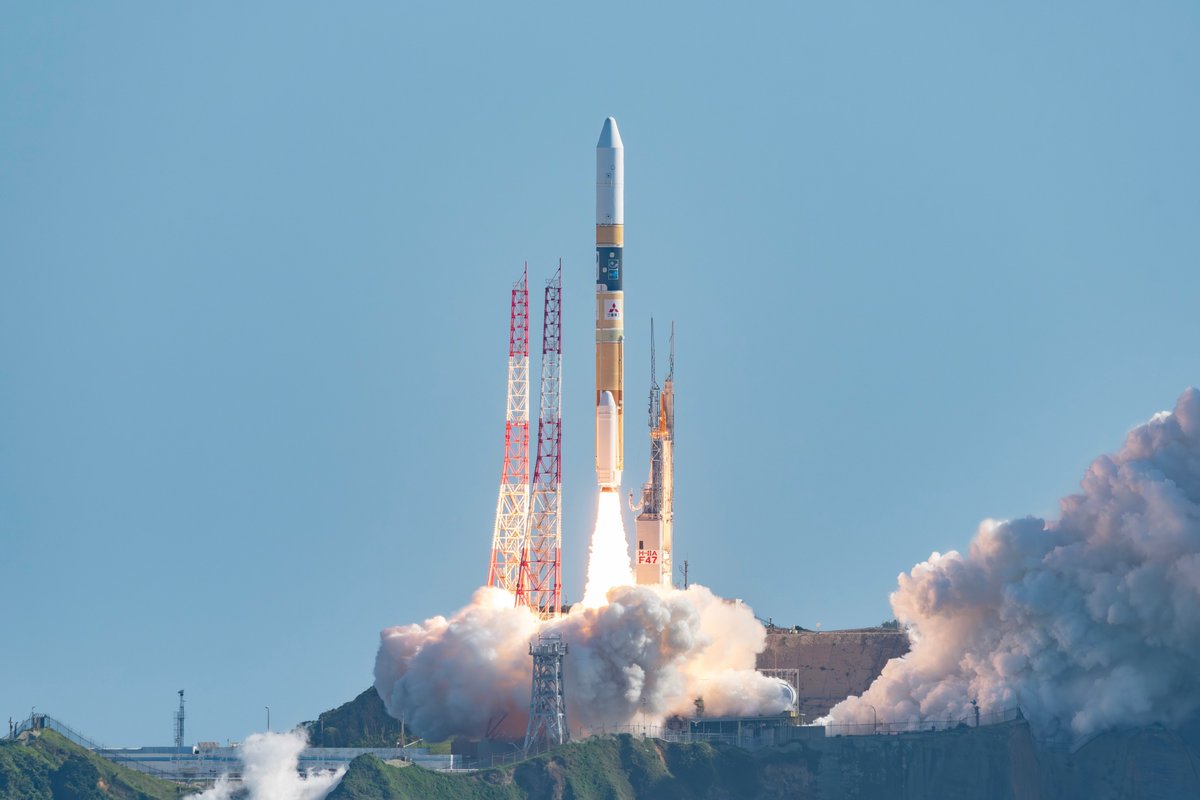
ULA launched Atlas 5 551 configuration for final time on July 1, deploying Amazon Kuiper broadband satellites. New Glenn pad rebuild underway at LC-36 after May explosion.
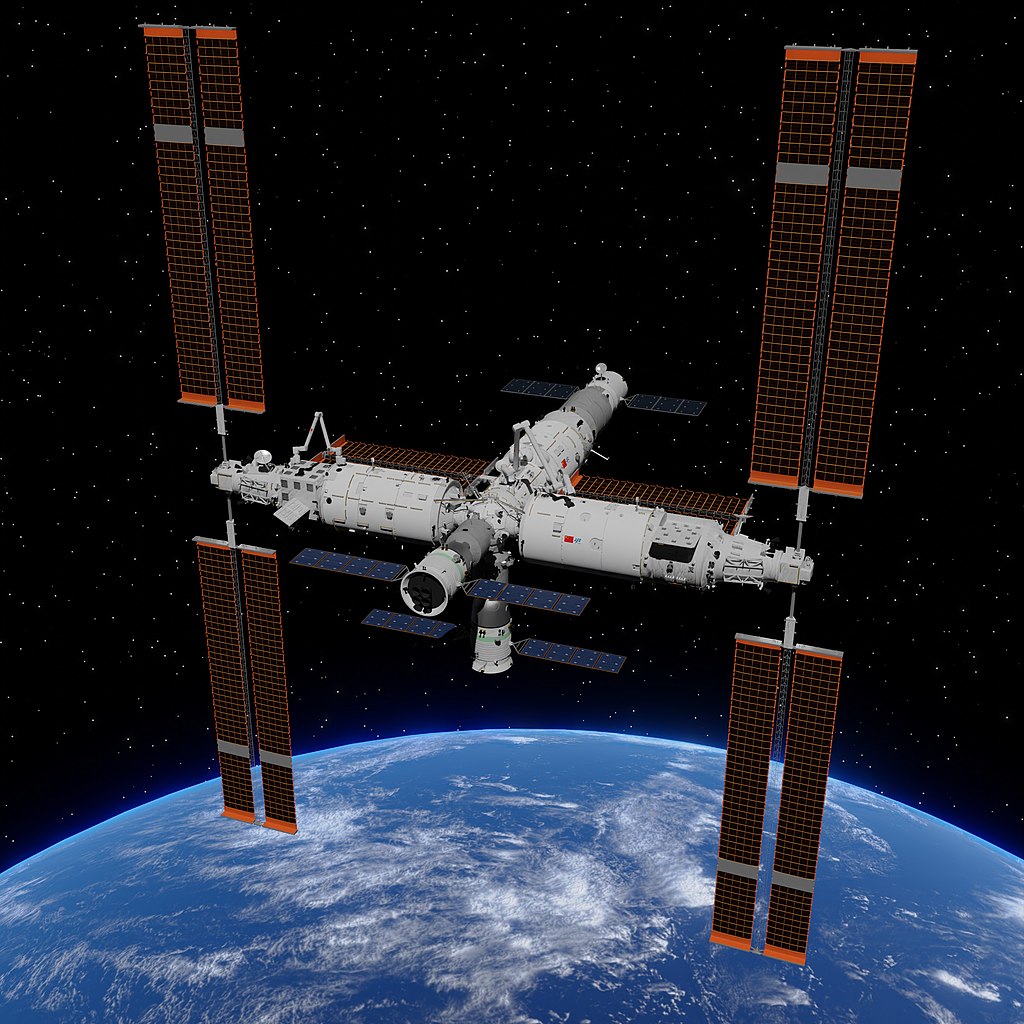
Today's briefing covers China's successful Shenzhou 19 launch to the Tiangong space station, NASA's upcoming spacewalks plan after a spacesuit issue, and innovative propulsion research for space journeys.

SpaceX has adapted Pad 1 for Ship Static Fire tests while addressing the recent downtime at Massey’s, showcasing its commitment to maintaining launch schedules despite setbacks.
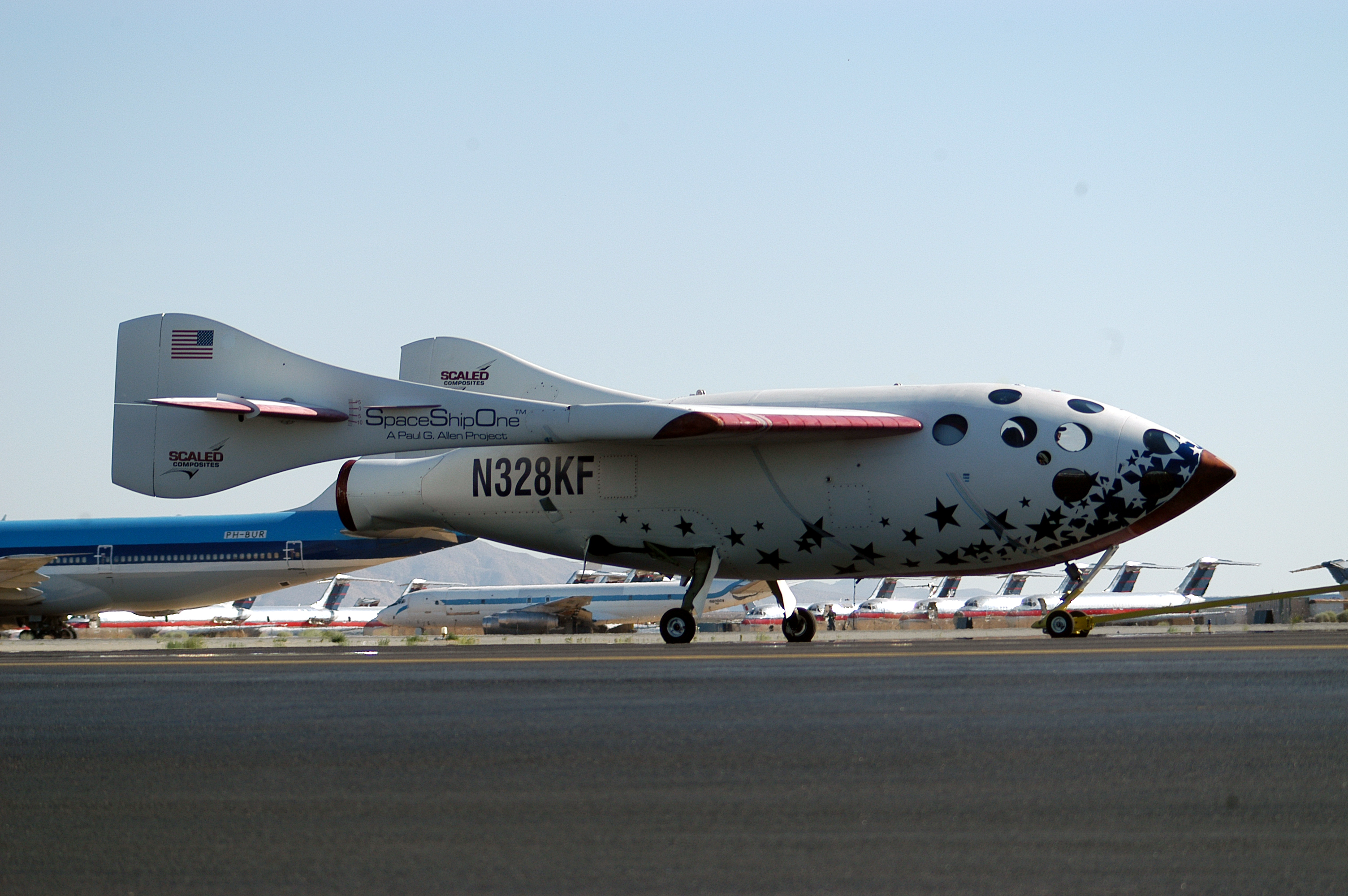
On 21 June 2004, a 63-year-old test pilot rode a homebuilt rocket plane to 100,124 meters above the Mojave Desert, clearing the edge of space by about the length of a city block. He came down the first private astronaut in history, holding a sign that read 'SpaceShipOne, GovernmentZero.'