


Space Brief 4 Feb 2025
Today's brief covers the expansion of the U.S. missile defense shield, a new contract for Viasat from the U.S. Space Force, and the Missile Defense Agency's call for innovative Iron Dome concepts.


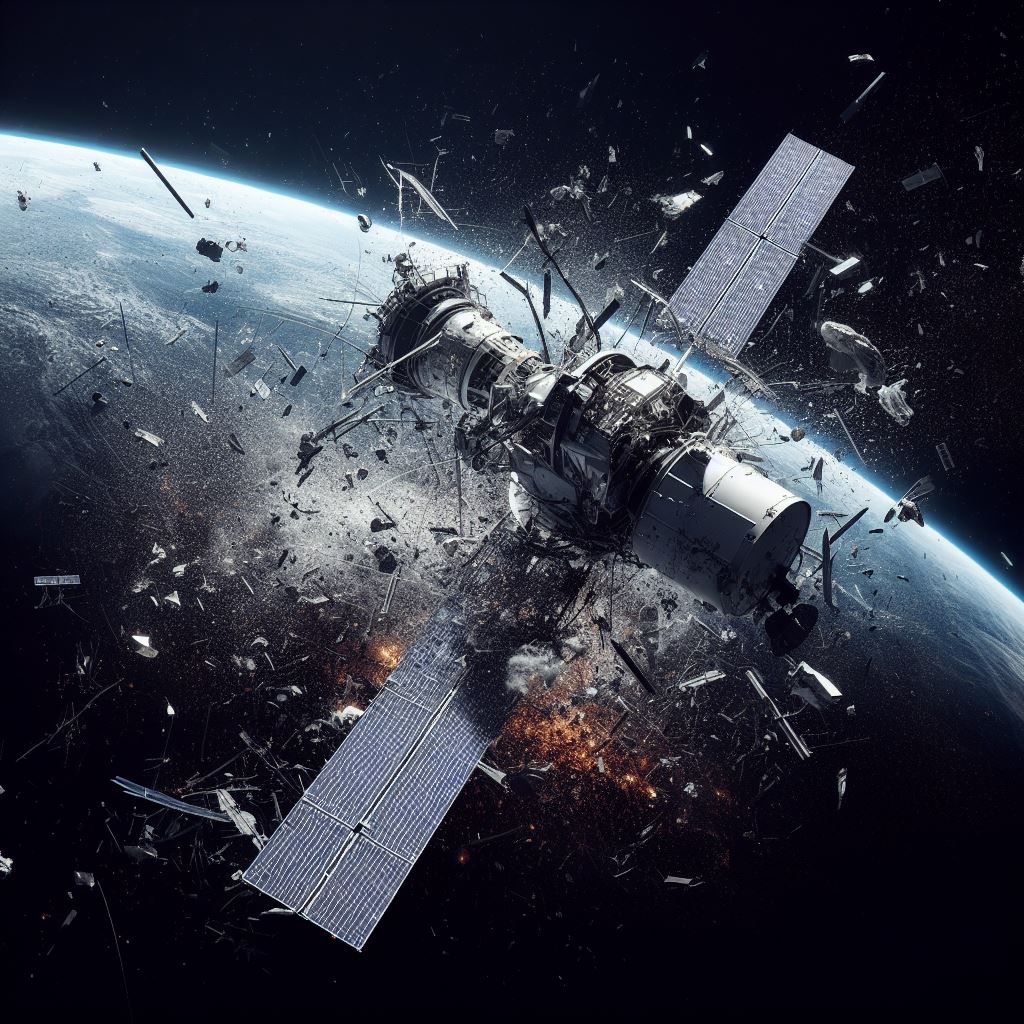
Launch Date
October 12, 2022
Launch Site
TAISC
Launch Pad
LC9
Launch Vehicle
Chang Zheng 2C
NORAD ID
54037
International Designator
2022-132C
Decay Date
4/18/2024
Name
CZ-2C DEB
Alternative Name
CZ-2C sep motor cover
Type
Status
Owner
CASC
Country
China
Constellation
N/A
Related Satellites
Major Events
N/A
Length
0
Diameter
0
Span
0
Dry Mass
0
Launch Mass
0
Shape
N/A
Radar Cross Section
Unknown
Visual Magnitude
Unknown
Color
Unknown
Material Composition
Unknown
Payload
Unknown
Purpose
Unknown
Mission
Unknown
Manufacturer
CALT
Life Expectancy
Unknown
Bus
Unknown
Configuration
Unknown
Motor
Unknown
Equipment
Unknown
Power System
Unknown
ADCS
Unknown
Transmitter Frequency
Unknown
Learn more about satellites and other related topics.
Today's brief covers the expansion of the U.S. missile defense shield, a new contract for Viasat from the U.S. Space Force, and the Missile Defense Agency's call for innovative Iron Dome concepts.
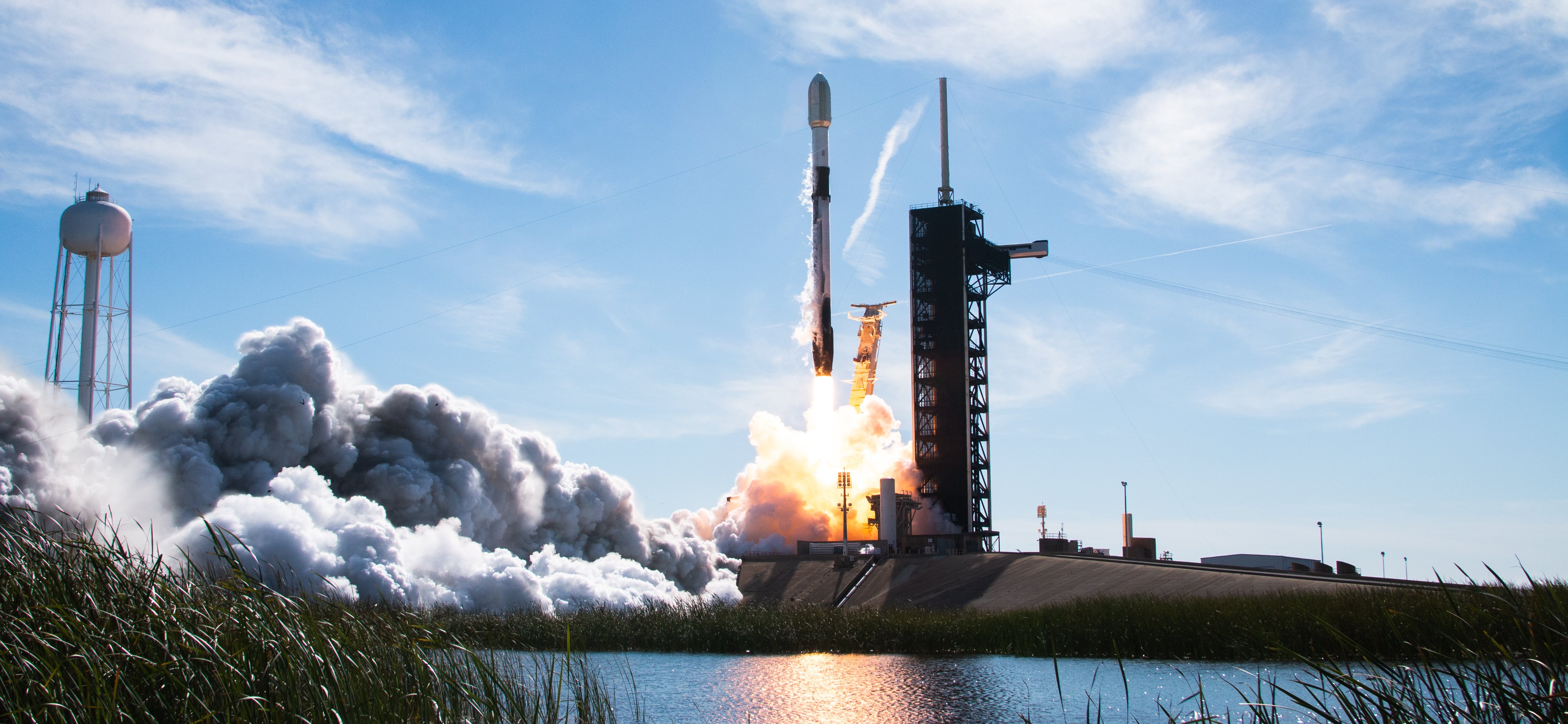
Today's highlights include China's lunar collaboration with Russia, new insights from Magellan's Venus mission, and stunning 8K images of the sun.
Today's brief covers the recent surge in SpaceX launches, Eutelsat's resolution of a OneWeb software issue, and various strategic previews for U.S. military branches in 2025.

MDA Space acquires Blue Canyon Technologies for $620 million, and NASA's 2028 Aeolus Mars orbiter goes to a California startup instead of SpaceX.
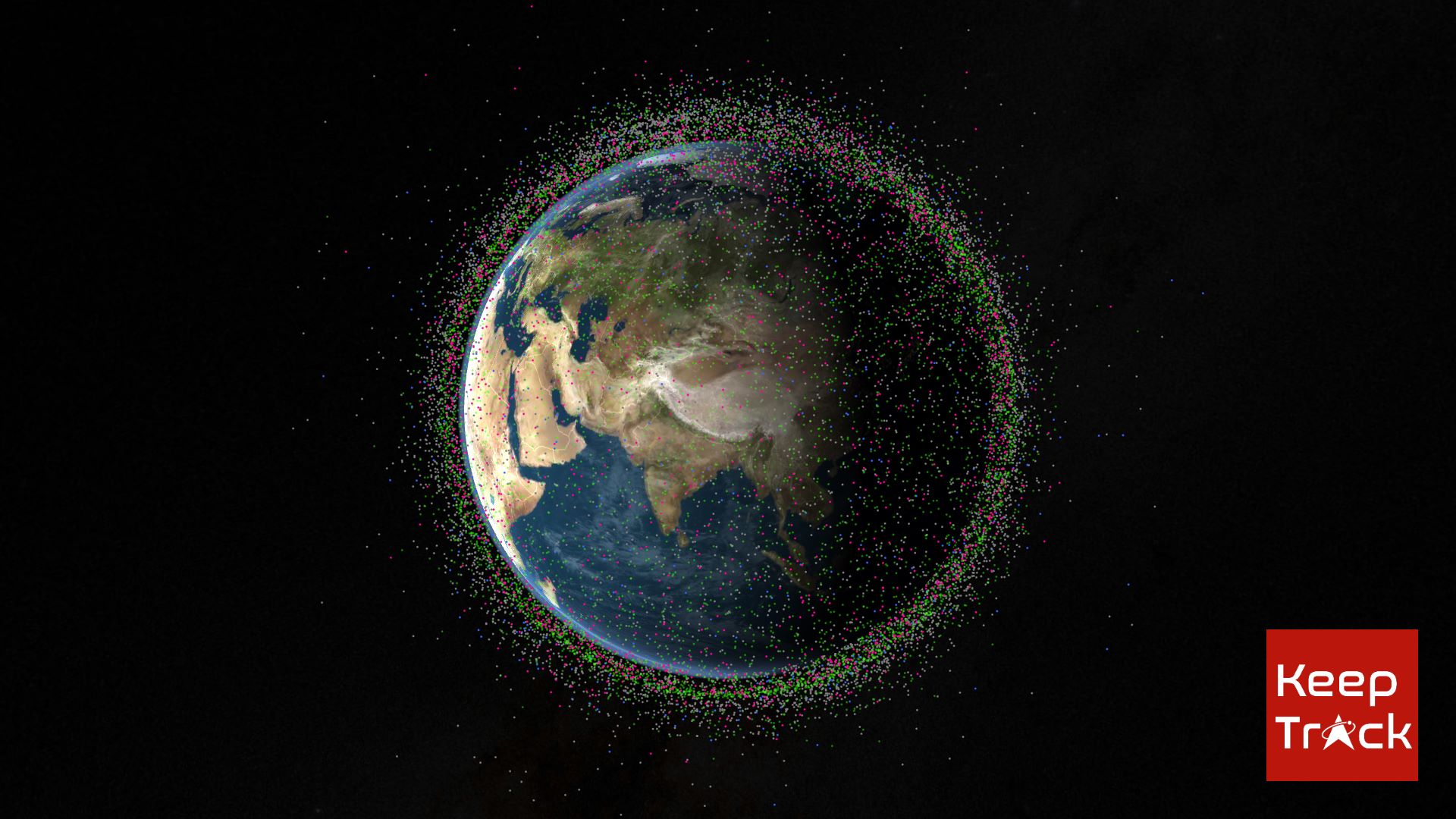
The bustling downtown of space: where most satellites operate, communication networks bloom, and the challenges of atmospheric drag and radiation shape our approach to space operations

SpaceX announces massive contract awards, advances Starship reusability, and continues to dominate with Starlink deployments.
Discover today's key space events: SpaceX's Starlink launch, rocket debris risks, and advancements in nuclear rocket technology.
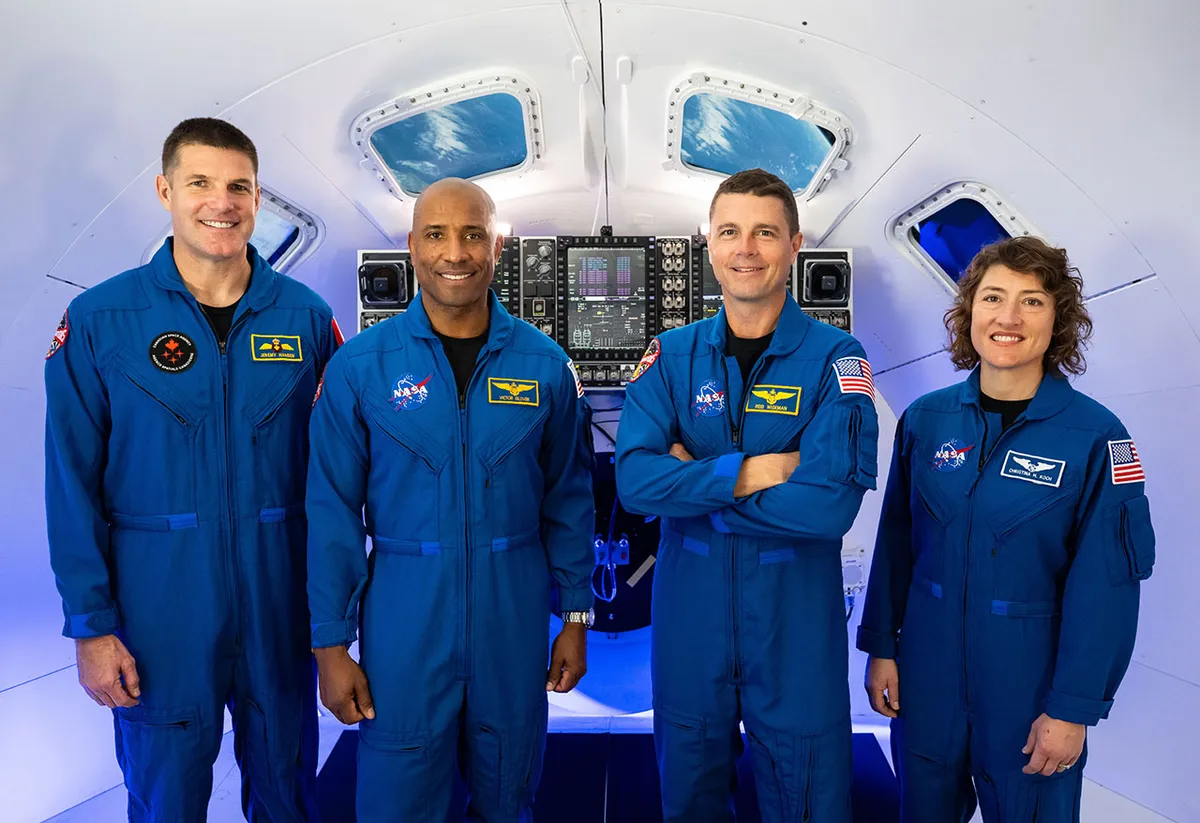
Four astronauts, a patched-together heat shield, and a $50 billion question: whether NASA can still send humans beyond low Earth orbit. Tomorrow, we find out.