


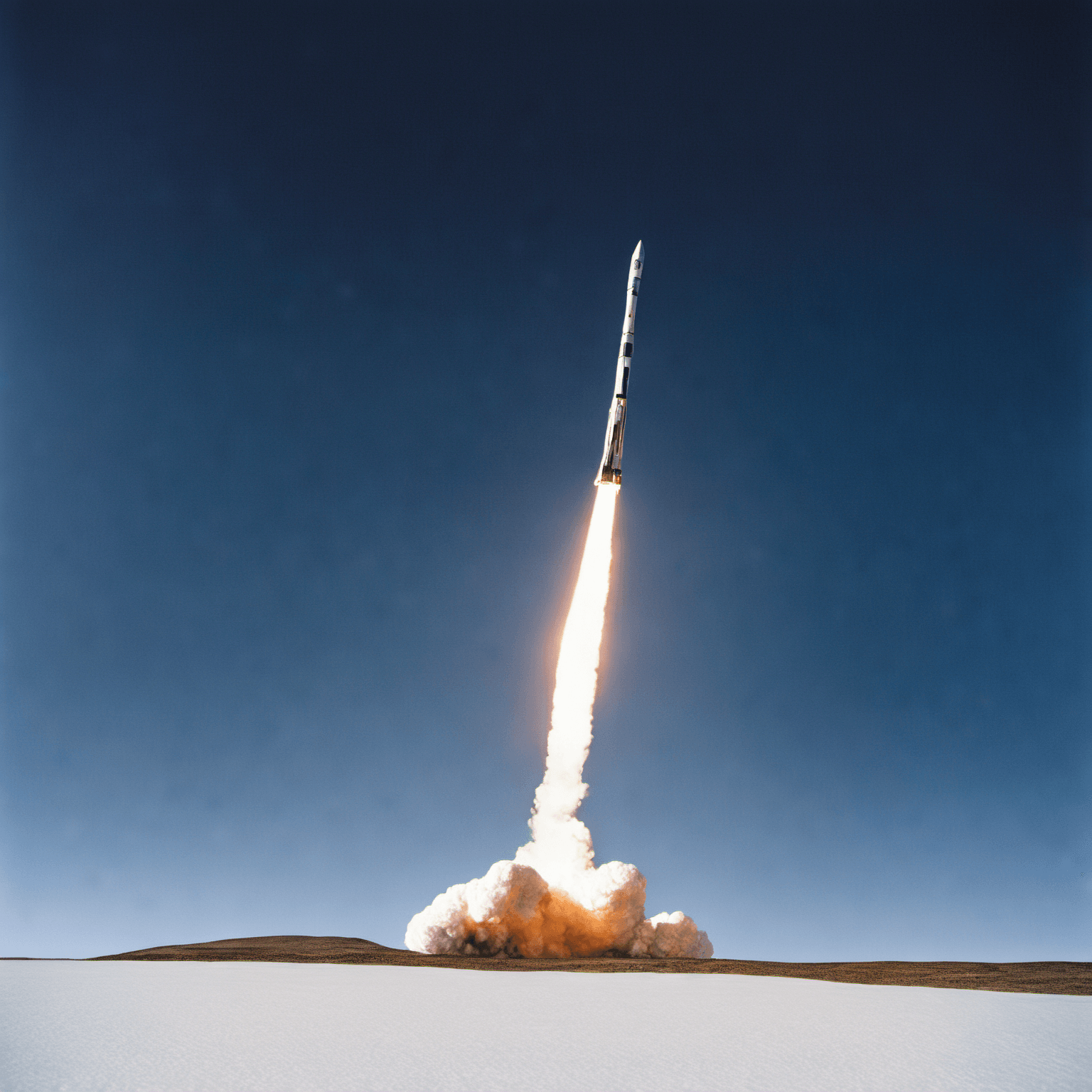
Space Brief 17 Dec 2023
Rocket Lab's successful Electron return to flight, China's third Shenlong mission, lessons from Virgin Orbit's failure in the UK, Hubble's 30-year post-repair anniversary, and a summary of recent global launches.


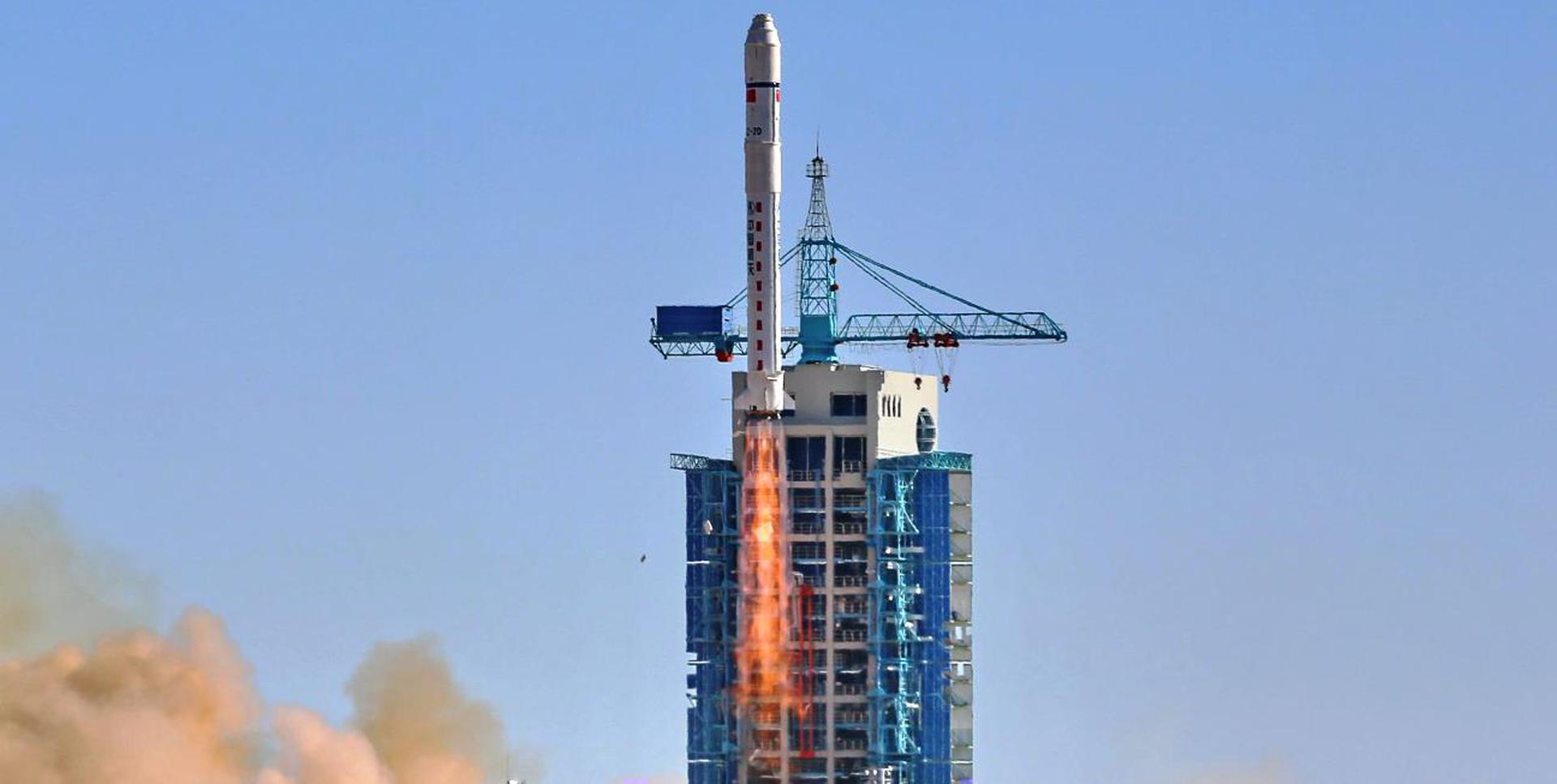
Launch Date
October 8, 2022
Launch Site
JSC
Launch Pad
LC43/94
Launch Vehicle
Chang Zheng 2D
NORAD ID
54029
International Designator
2022-129A
Epoch
Sun, 19 Jul 2026 20:19:52 GMT
Apogee
Calculating...
Perigee
Calculating...
Inclination
98.28°
Right Ascension
205.46°
Eccentricity
Calculating...
Argument of Perigee
358.24°
Period
99.17 min
Mean Motion
14.52 rev/day
Latitude
Calculating...
Longitude
Calculating...
Altitude
Calculating...
Velocity
Calculating...
Name
ASO-S
Alternative Name
Kuafu-1
Type
Status
Owner
CAS
Country
China
Constellation
N/A
Related Satellites
Major Events
N/A
1 54029U 22129A 26200.84713125 .00000084 00000+0 31678-4 0 9997
2 54029 98.2759 205.4616 0014216 358.2442 1.8701 14.52076130200163
Source: Celestrak
Length
2
Diameter
1.5
Span
3.5
Dry Mass
888
Launch Mass
888
Shape
Box + 2 pan
Radar Cross Section
Unknown
Visual Magnitude
Unknown
Color
Unknown
Material Composition
Unknown
Payload
ASO-S
Purpose
Astronomy, solar
Mission
Astronomy, solar
Manufacturer
CAST
Life Expectancy
4 years
Bus
ASO-S
Configuration
Unknown
Motor
Unknown
Equipment
Unknown
Power System
2 deployable solar arrays, batteries
ADCS
Unknown
Transmitter Frequency
Unknown
Learn more about satellites and other related topics.
Rocket Lab's successful Electron return to flight, China's third Shenlong mission, lessons from Virgin Orbit's failure in the UK, Hubble's 30-year post-repair anniversary, and a summary of recent global launches.
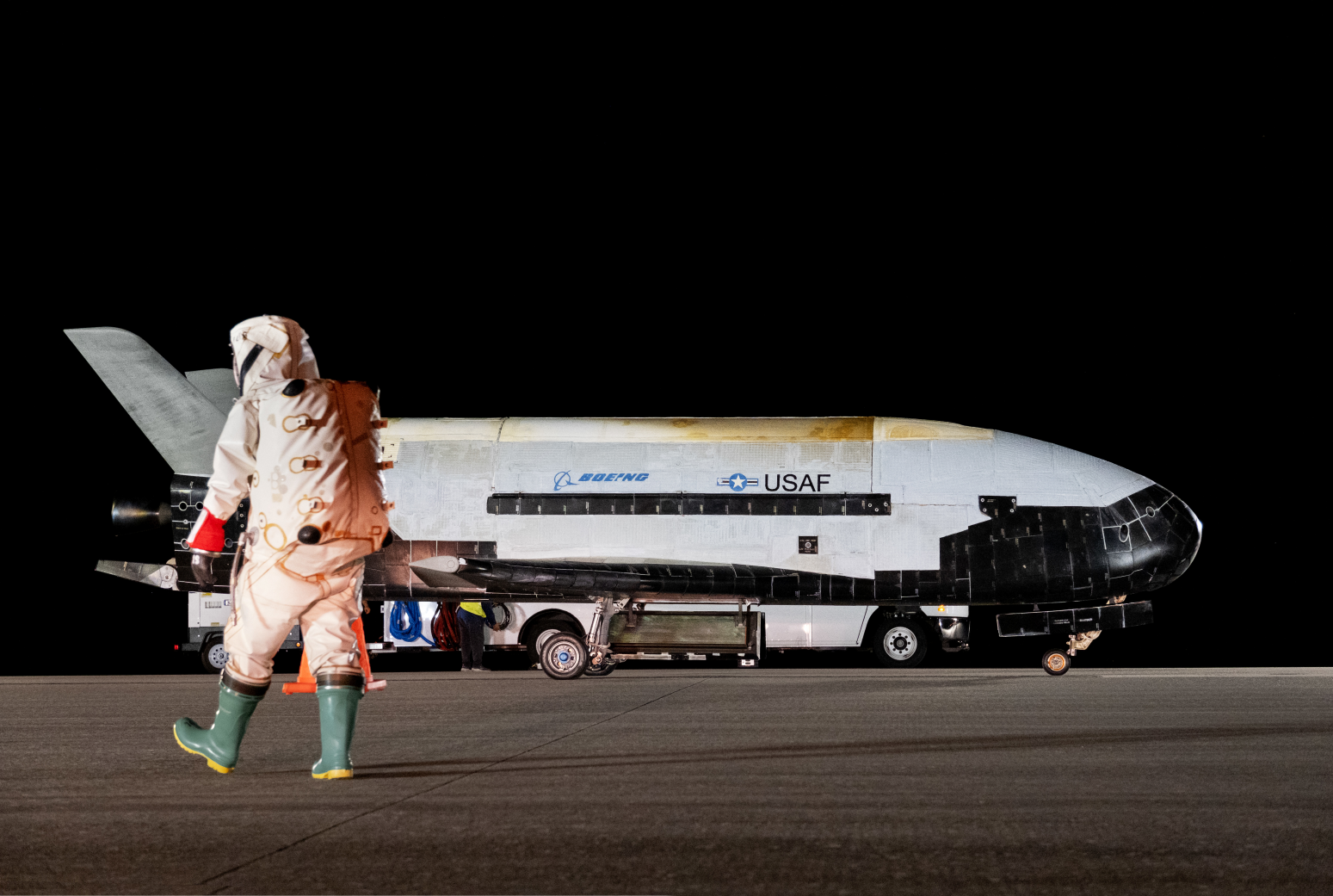
On April 22, 2010, an Atlas V lifted off from Cape Canaveral carrying a reusable robotic spaceplane so secret that the Air Force would not even confirm its mission duration. It came back 224 days later, lighter, quieter, and more operational than anyone outside Washington had expected. Fifteen years later, the X-37B is still flying, and the military still will not say what it does.

SpaceX successfully launched NASA's TRACERS mission while Starlink faced a brief global outage, affecting users worldwide.

SpaceX advances Starship development while planning future replacements for Falcon and Dragon.
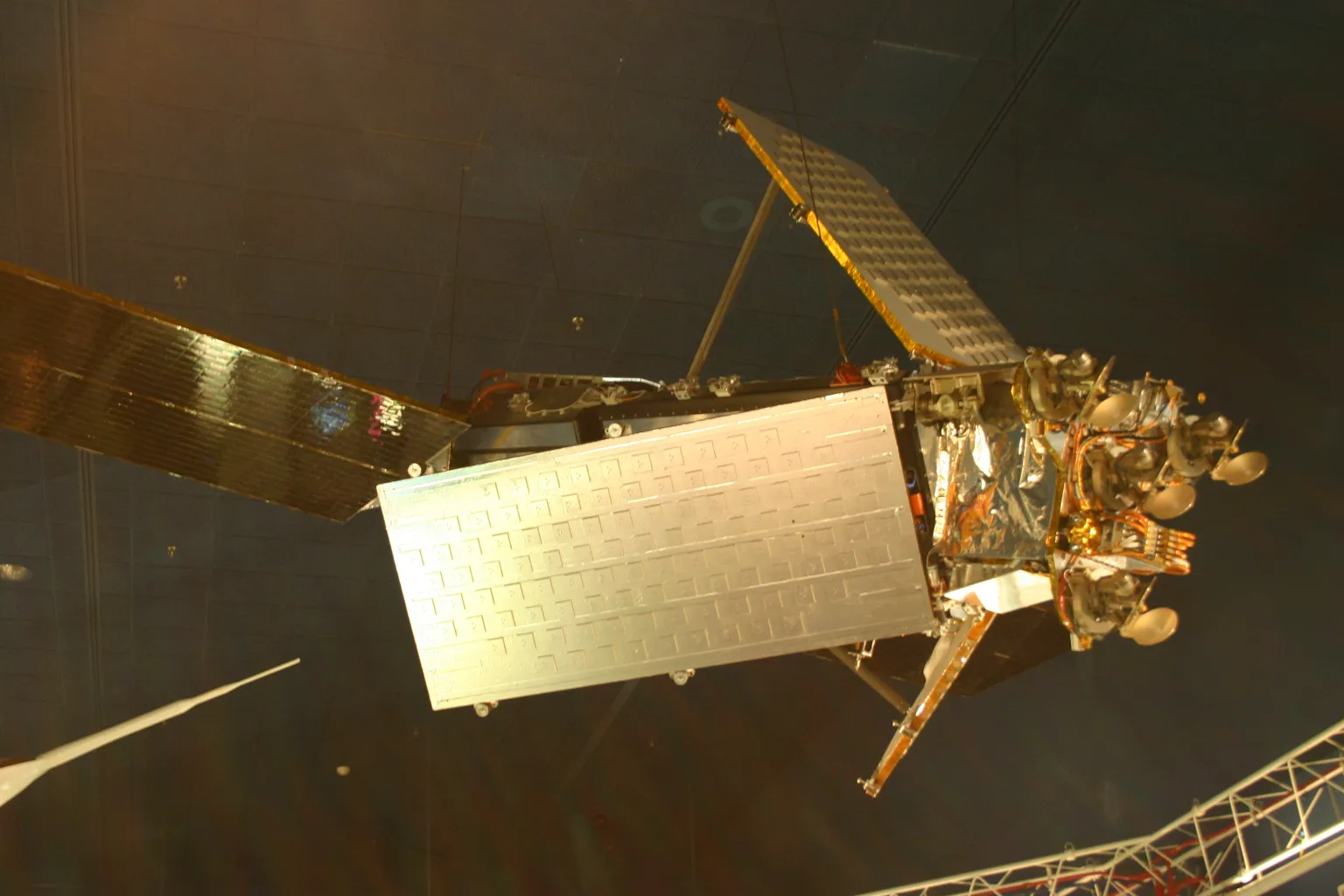
Seventeen years ago today, an operational American communications satellite and a dead Russian military relay crossed paths over Siberia. What happened next created more than 2,000 pieces of trackable debris - and fundamentally changed how the world thinks about space traffic.
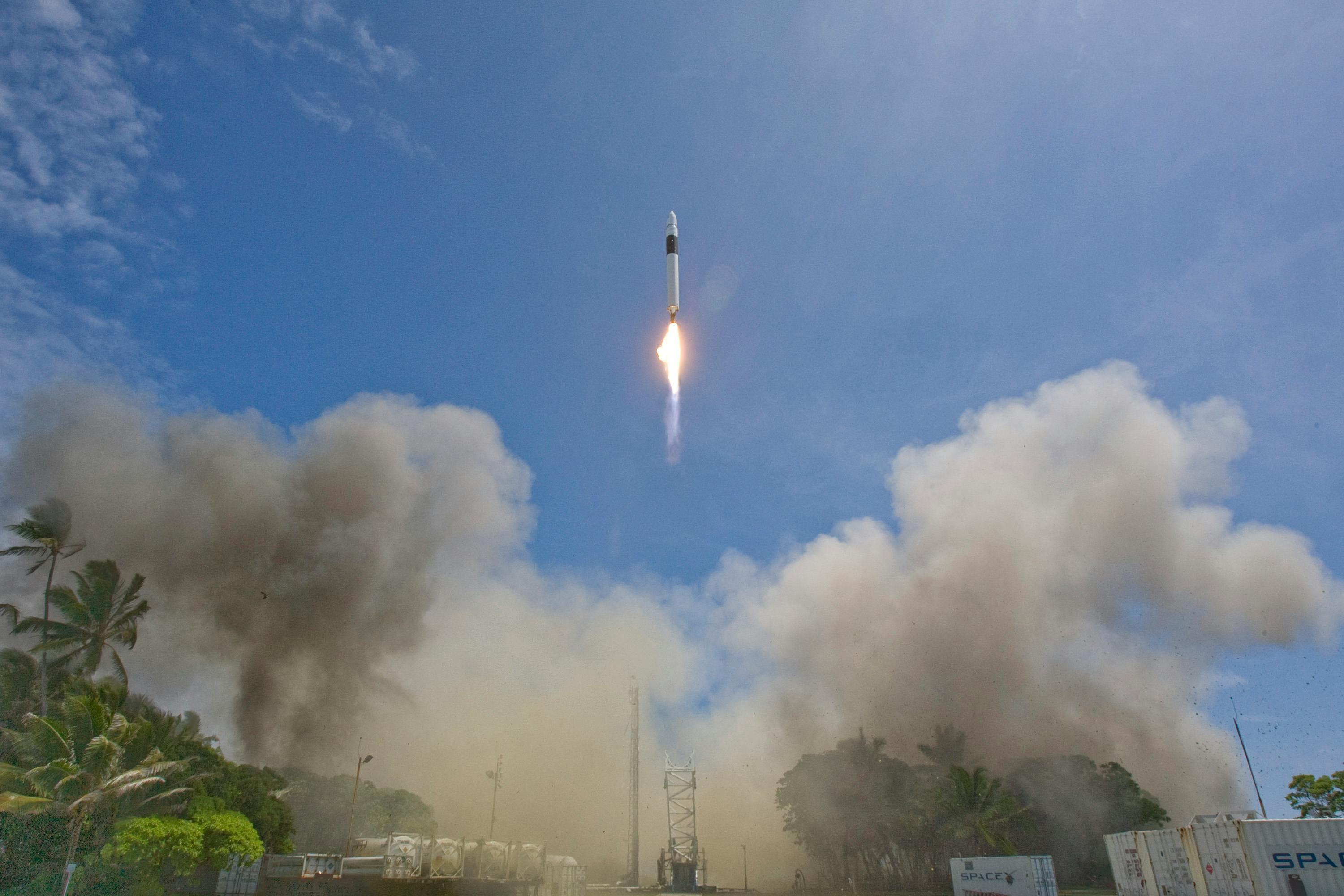
SpaceX celebrates significant milestones with its Starship preparations, approaches a landmark Falcon booster landing, and enhances the ISS orbit with Dragon technology.

NRO awards three commercial data contracts and explores vetting satellite firms for airborne target tracking via U.S. Space Force. Strategic expansion of GEOINT capabilities.
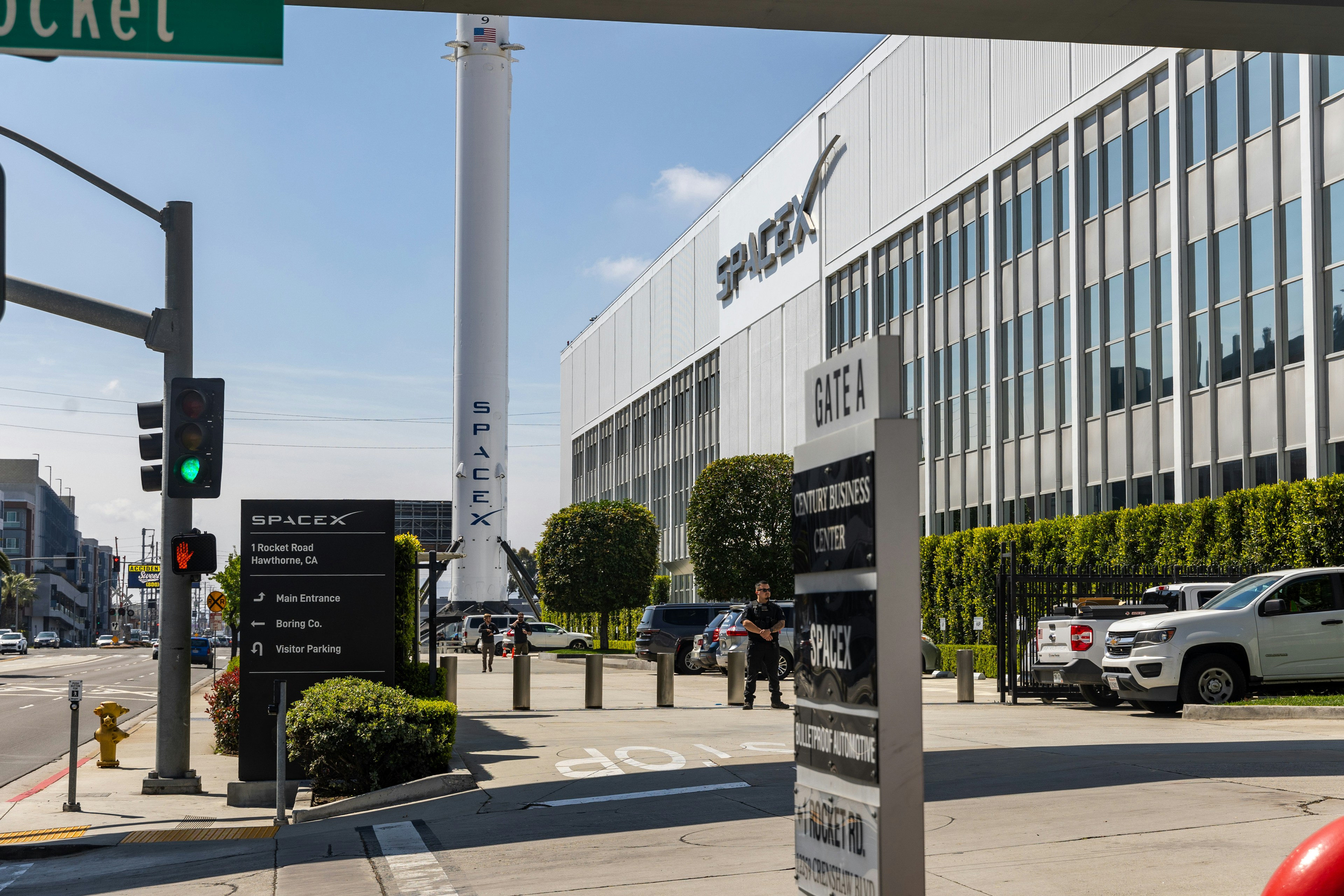
Starlink direct-to-device competition unites AT&T, Verizon, and T-Mobile for the first time as SpaceX's 10,354 working satellites reshape mobile coverage.