


Air Force One Gets Starlink, Astrobotic Acquired | KeepTrack Space Brief
Trump's interim Air Force One—a $400M Boeing 747-8—equipped with Starlink for presidential communications. First confirmed LEO constellation use for White House comms.



Launch Date
October 8, 2022
Launch Site
Launch Pad
LC40
Launch Vehicle
NORAD ID
54027
International Designator
2022-128B
Epoch
Sun, 19 Jul 2026 17:41:44 GMT
Apogee
Calculating...
Perigee
Calculating...
Inclination
0.02°
Right Ascension
49.50°
Eccentricity
Calculating...
Argument of Perigee
75.44°
Period
1436.06 min
Mean Motion
1.00 rev/day
Latitude
Calculating...
Longitude
Calculating...
Altitude
Calculating...
Velocity
Calculating...
Name
GALAXY 34 (G-34)
Alternative Name
Galaxy 34
Type
Status
Owner
INTELU
Country
United States
Constellation
N/A
Related Satellites
Major Events
N/A
1 54027U 22128B 26200.73732442 .00000000 00000+0 00000+0 0 9993
2 54027 0.0154 49.4968 0001791 75.4435 309.0282 01.00274659 14234
Source: Celestrak
Length
5
Diameter
2.5
Span
23
Dry Mass
2500
Launch Mass
3650
Shape
Box + 2 pan
Radar Cross Section
Unknown
Visual Magnitude
Unknown
Color
Unknown
Material Composition
Unknown
Payload
Galaxy 34
Purpose
Communication
Mission
Communication
Manufacturer
NGISD
Life Expectancy
15 years
Bus
Geostar-2.4E
Configuration
GEOStar-3 Bus
Motor
BT-4
Equipment
C-band transponders
Power System
2 deployable solar arrays, batteries
ADCS
Unknown
Transmitter Frequency
Unknown
Learn more about satellites and other related topics.
Trump's interim Air Force One—a $400M Boeing 747-8—equipped with Starlink for presidential communications. First confirmed LEO constellation use for White House comms.

Today's edition covers SpaceX scrubbing and successfully launching Starlink satellites, AI innovations in spacecraft propulsion, and the impact of SPHERE's debris disk survey in discovering hidden asteroid belts.

On May 4, 1989, Space Shuttle Atlantis lifted off from LC-39B carrying Magellan, NASA's first interplanetary mission since 1978. The eleven-year drought ended in a payload bay, and the radar that emerged would map ninety-eight percent of Venus through clouds that no camera could ever see through.
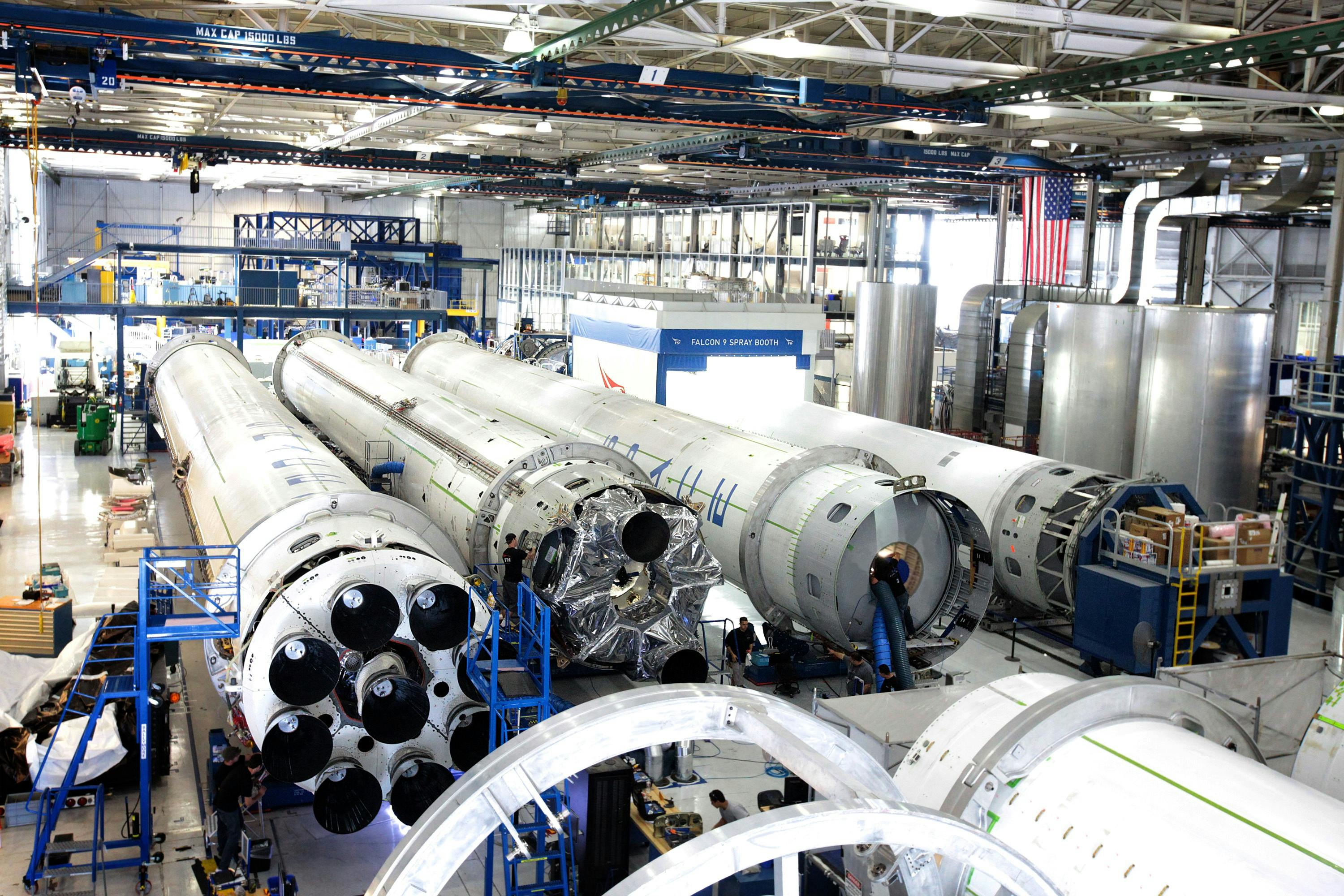
SpaceX unveils new space traffic management system for orbital coordination. Bahamas grants permission for rocket landings after Starship debris pause. Musk proposes lunar satellite catapult.

Today's brief covers the U.S. Space Force's orbital carrier initiative, ULA Vulcan's approval for military launches, Rocket Lab's new contract with the Space Force, integrated data layers for military command, and advances in tactical surveillance.
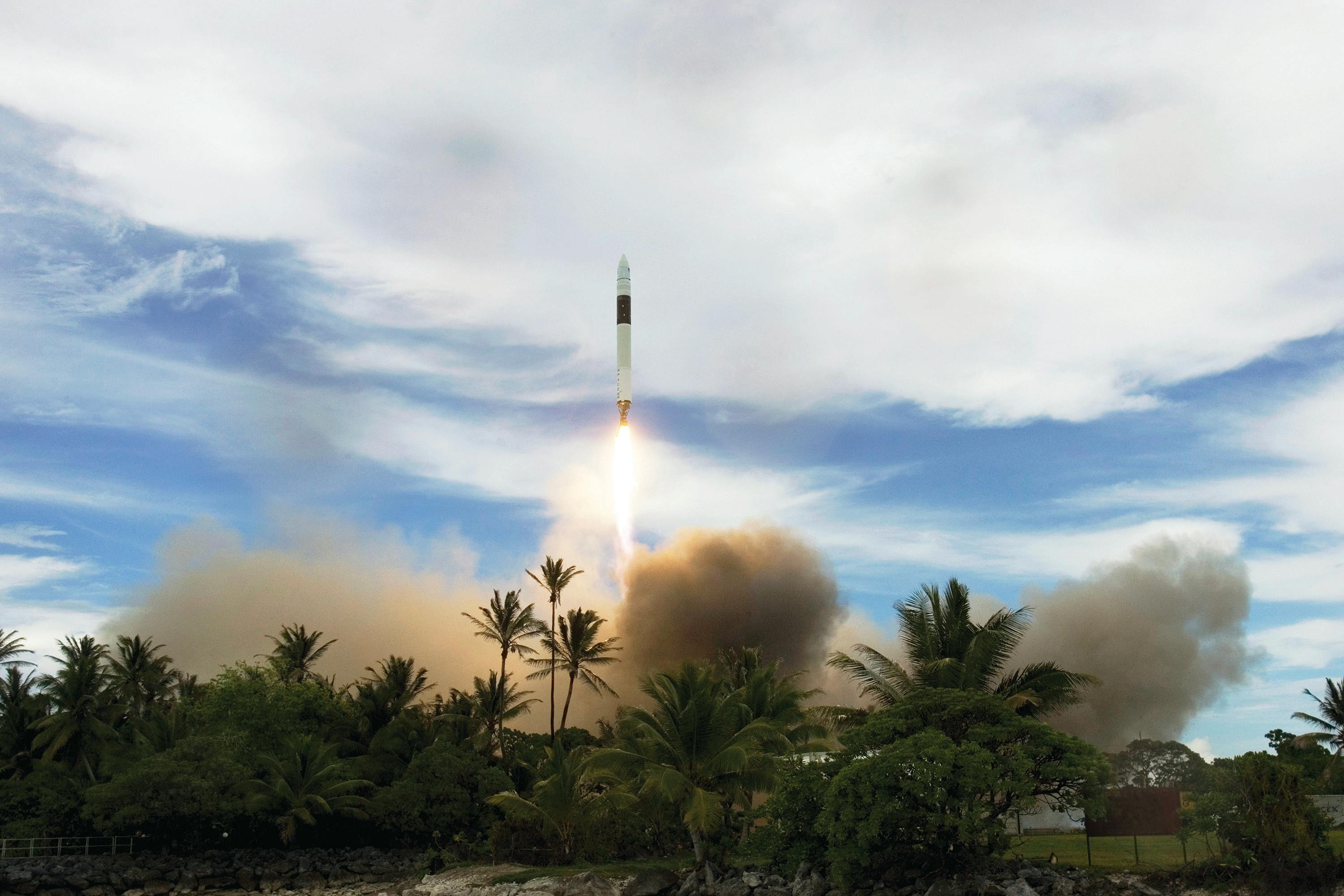
Starship transport barge identified for shipping components from Starbase to Kennedy Space Center. Starlink's 2025 report shows 4.6M new customers and expansion to 35 new regions.
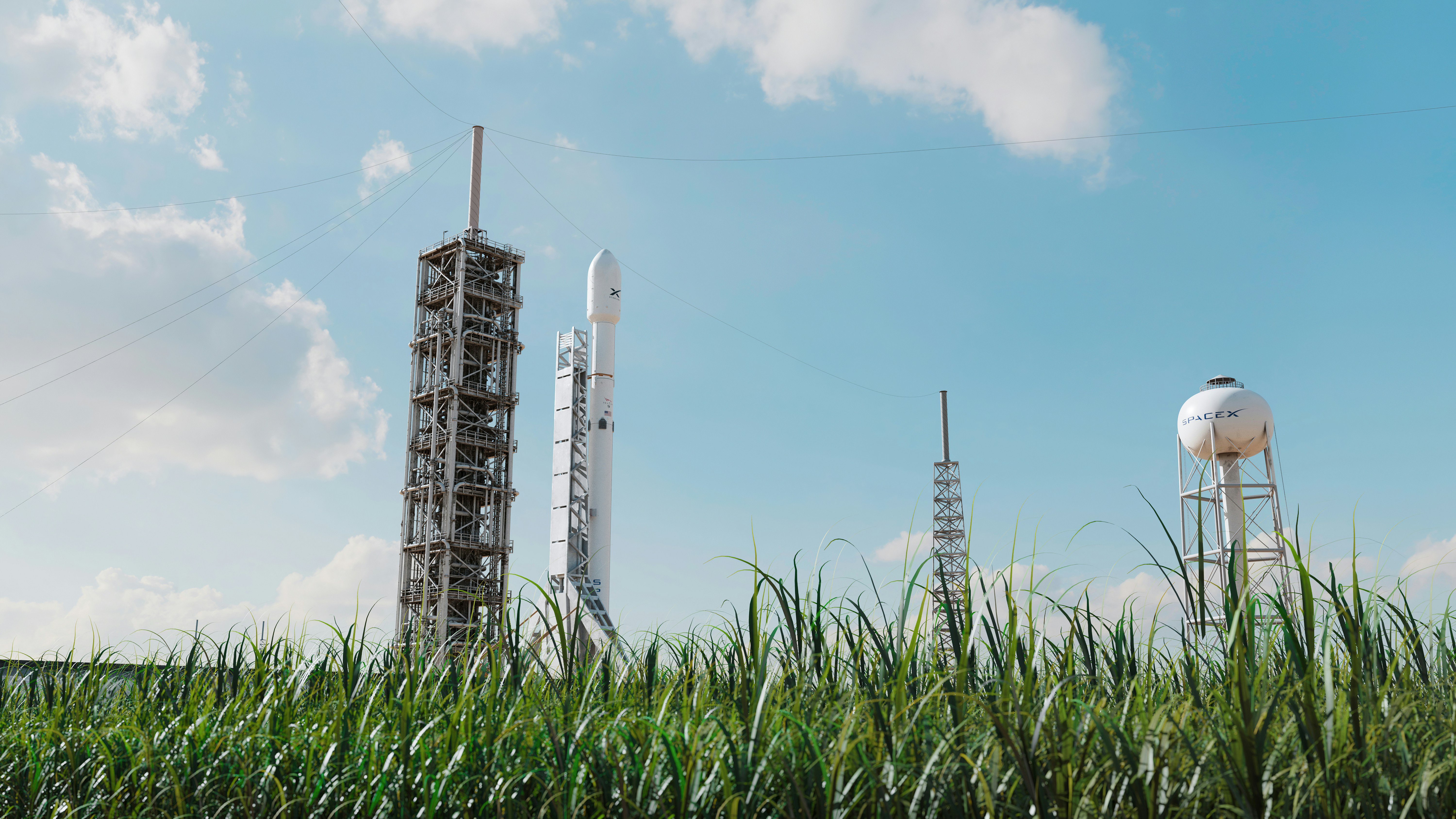
SpaceX launches 28 Starlink satellites and discusses upcoming business strategies, while T-Mobile slashes Starlink cellular prices.

Intel joins Terafab, Elon Musk's Austin AI chip complex, to supply SpaceX and Tesla as Falcon 9 prepares a Cygnus ISS run.