STARLINK-5133 (53980)

COSPAR: 2022-125S | Alt Name: Starlink 5133

Image
STARLINK-5133 Satellite Image
Additional Sources
Launch Details

Launch Date

October 5, 2022

Launch Site

AFWTR

Launch Pad

SLC4E

Launch Vehicle

Falcon 9

Orbital Elements

NORAD ID

53980

International Designator

2022-125S

Epoch

Sun, 19 Jul 2026 16:31:51 GMT

Apogee

Calculating...

Perigee

Calculating...

Inclination

53.16°

Right Ascension

345.99°

Eccentricity

Calculating...

Argument of Perigee

77.71°

Period

95.44 min

Mean Motion

15.09 rev/day

Latitude

Calculating...

Longitude

Calculating...

Altitude

Calculating...

Velocity

Calculating...

Polar Plot
3D Visualization
Basic Satellite Info

Name

STARLINK-5133

Alternative Name

Starlink 5133

Type

Payload

Status

Operational

Owner

SPXS

Country

United States

Constellation

N/A

Related Satellites

Major Events

N/A

Latest TLEs
1 53980U 22125S   26200.68879411 -.00000398  00000+0 -69148-5 0  9995
2 53980  53.1618 345.9894 0001245  77.7095 282.4036 15.08832568209327

Source: Celestrak

Summary
STARLINK-5133 is a communication satellite under the Starlink project, owned and operated by SpaceX (SPXS). Launched on October 5, 2022, from AFWTR SLC4E using a Falcon 9 launch vehicle, it has dimensions of 0.2 meters in length, 2.8 meters in diameter, and spans 9 meters. The satellite weighs 305 kilograms at launch with a dry mass of 290 kilograms. It is equipped with Ku/Ka-band payload and an optical inter-satellite link for communication purposes. Its propulsion system uses Krypton ion thrusters, and it relies on solar arrays and batteries for power. The spacecraft's shape is described as box + pan configuration.

Starlink is a satellite constellation developed by SpaceX with the aim of providing global broadband internet coverage. Thousands of small satellites are deployed in low Earth orbit (LEO), enabling high-speed internet access even in remote areas. However, the rapid increase in satellites raises concerns about space debris and the potential for collisions, which can lead to further debris creation and endanger other spacecraft. Additionally, the sheer number of Starlink satellites can affect astronomical observations by increasing light pollution. Proper deorbiting plans and international coordination are essential to mitigate these challenges and ensure long-term sustainability in space.
Physical Characteristics

Length

0.2

Diameter

2.8

Span

9

Dry Mass

290

Launch Mass

305

Shape

Box + pan

Radar Cross Section

Unknown

Visual Magnitude

Unknown

Color

Unknown

Material Composition

Unknown

Technical Details

Payload

Starlink Group 4-29-17

Purpose

Communication

Mission

Communication

Manufacturer

SPXS

Life Expectancy

Unknown

Bus

Starlink

Configuration

Unknown

Motor

Krypton ion thrusters

Equipment

Ku/Ka-band payload, optical inter-satellite link

Power System

Solar arrays, batteries

ADCS

Unknown

Transmitter Frequency

Unknown

Map
This tool will help you track the satellite's position and predict its upcoming passes over your location. Simply input the coordinates or click the geolocation button to get started.
Next Pass
Azimuth Elevation Time (Local)
Start Azimuth
Max Elevation
Stop Azimuth
Time Until
Pass Duration

Satellite Articles

View All Posts »

Learn more about satellites and other related topics.

X Report 1 Dec 2024

X Report 1 Dec 2024

SpaceX continues its collaboration with the NRO, while gearing up for lunar missions and a contract for NASA's Dragonfly mission to Titan.

Space Brief 18 May 2025

Space Brief 18 May 2025

Today's briefing highlights recent launches and failures, including an Indian radar satellite setback, successful Rocket Lab missions, and China's debut of upgraded rocket technology.

LeoLabs Launches Delta Military SSA Platform | KeepTrack Space Brief

LeoLabs Launches Delta Military SSA Platform | KeepTrack Space Brief

LeoLabs debuts Delta, a space monitoring tool designed for military operators to detect adversarial orbital activity beyond standard conjunction warnings.

Space Brief 7 Jun 2025

Space Brief 7 Jun 2025

Today's brief covers the latest in satellite launches, military implications in space funding, and notable reentry delays.

Rheinmetall Weighs Bid for Mynaric Amid Rocket Lab Acquisition | KeepTrack Space Brief

Rheinmetall Weighs Bid for Mynaric Amid Rocket Lab Acquisition | KeepTrack Space Brief

German defense giant Rheinmetall may bid for laser-comm firm Mynaric, challenging Rocket Lab's plans. SpaceX sets Falcon 9 reuse record. Juno reveals Europa ice sheet data.

FCC Approves 7,500 More Starlink Satellites, SpaceX Wins $739M Launch Contract | KeepTrack X Report

FCC Approves 7,500 More Starlink Satellites, SpaceX Wins $739M Launch Contract | KeepTrack X Report

FCC approves 7,500 additional Starlink Gen2 satellites. Space Force awards SpaceX $739M for nine national security launches. NASA plans Crew-11 medical evacuation from ISS on January 14.
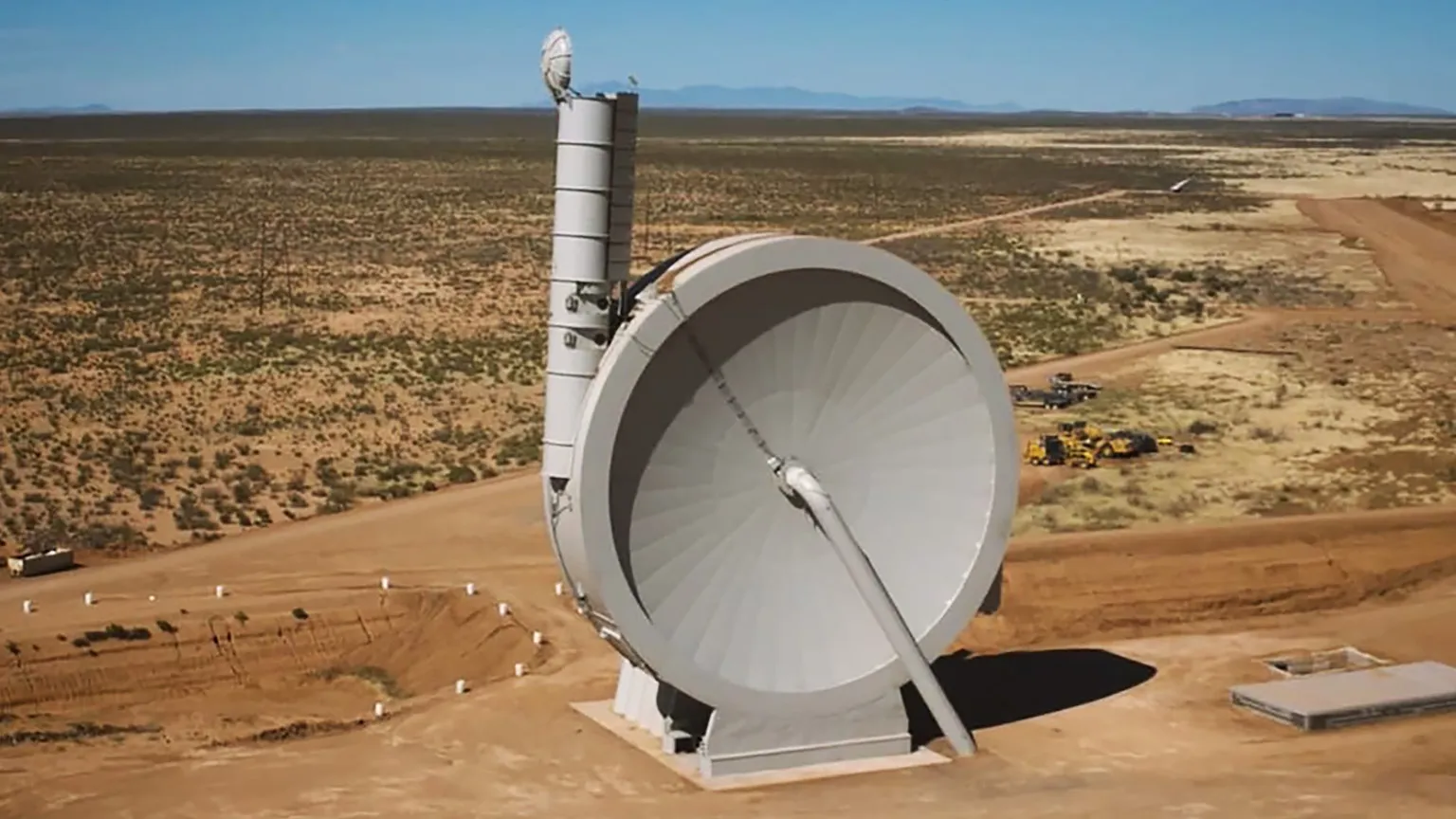
SpinLaunch's Kinetic Launch System

SpinLaunch's Kinetic Launch System

How a California startup's massive centrifuge could transform space access by eliminating rocket fuel, reducing costs by 70%, and enabling daily satellite launches - if it can overcome the physics of scaling from suborbital tests to orbital reality

Rocket Lab Wins $190M Pentagon Hypersonic Contract | KeepTrack Space Brief

Rocket Lab Wins $190M Pentagon Hypersonic Contract | KeepTrack Space Brief

Rocket Lab secures $190M Pentagon deal for 20 hypersonic test flights over 4 years using Electron. Five missions annually trackable via Space-Track.