


The Day America's Moon Rocket Began Its Journey
Fifty-nine years ago, a revolutionary new rocket thundered skyward from Cape Kennedy, testing the spacecraft that would eventually carry astronauts to the lunar surface



Launch Date
September 24, 2022
Launch Site
Launch Pad
LC40
Launch Vehicle
NORAD ID
53930
International Designator
2022-119AW
Epoch
Sun, 19 Jul 2026 20:00:01 GMT
Apogee
Calculating...
Perigee
Calculating...
Inclination
53.22°
Right Ascension
30.21°
Eccentricity
Calculating...
Argument of Perigee
73.25°
Period
91.85 min
Mean Motion
15.68 rev/day
Latitude
Calculating...
Longitude
Calculating...
Altitude
Calculating...
Velocity
Calculating...
Name
STARLINK-5010
Alternative Name
Starlink 5010
Type
Status
Owner
SPXS
Country
United States
Constellation
N/A
Related Satellites
Major Events
N/A
1 53930U 22119AW 26200.83335647 -.00445398 00000+0 -41871-2 0 9991
2 53930 53.2172 30.2114 0000980 73.2468 61.7438 15.67820542 6016
Source: Celestrak
Length
0.2
Diameter
2.8
Span
9
Dry Mass
290
Launch Mass
305
Shape
Box + pan
Radar Cross Section
Unknown
Visual Magnitude
Unknown
Color
Unknown
Material Composition
Unknown
Payload
Starlink Group 4-35-45
Purpose
Communication
Mission
Communication
Manufacturer
SPXS
Life Expectancy
Unknown
Bus
Starlink
Configuration
Unknown
Motor
Krypton ion thrusters
Equipment
Ku/Ka-band payload, optical inter-satellite link
Power System
Solar arrays, batteries
ADCS
Unknown
Transmitter Frequency
Unknown
Learn more about satellites and other related topics.
Fifty-nine years ago, a revolutionary new rocket thundered skyward from Cape Kennedy, testing the spacecraft that would eventually carry astronauts to the lunar surface

Today's Space Brief brings updates on the U.S. Space Force's upcoming missions, in-space technology strategies, the challenges faced by new launchers, and advancements in satellite communication.

SpaceX readies for Starship Flight 6, stacking the megarocket for its upcoming launch on Nov. 19. Get details on the timing and mission objectives.
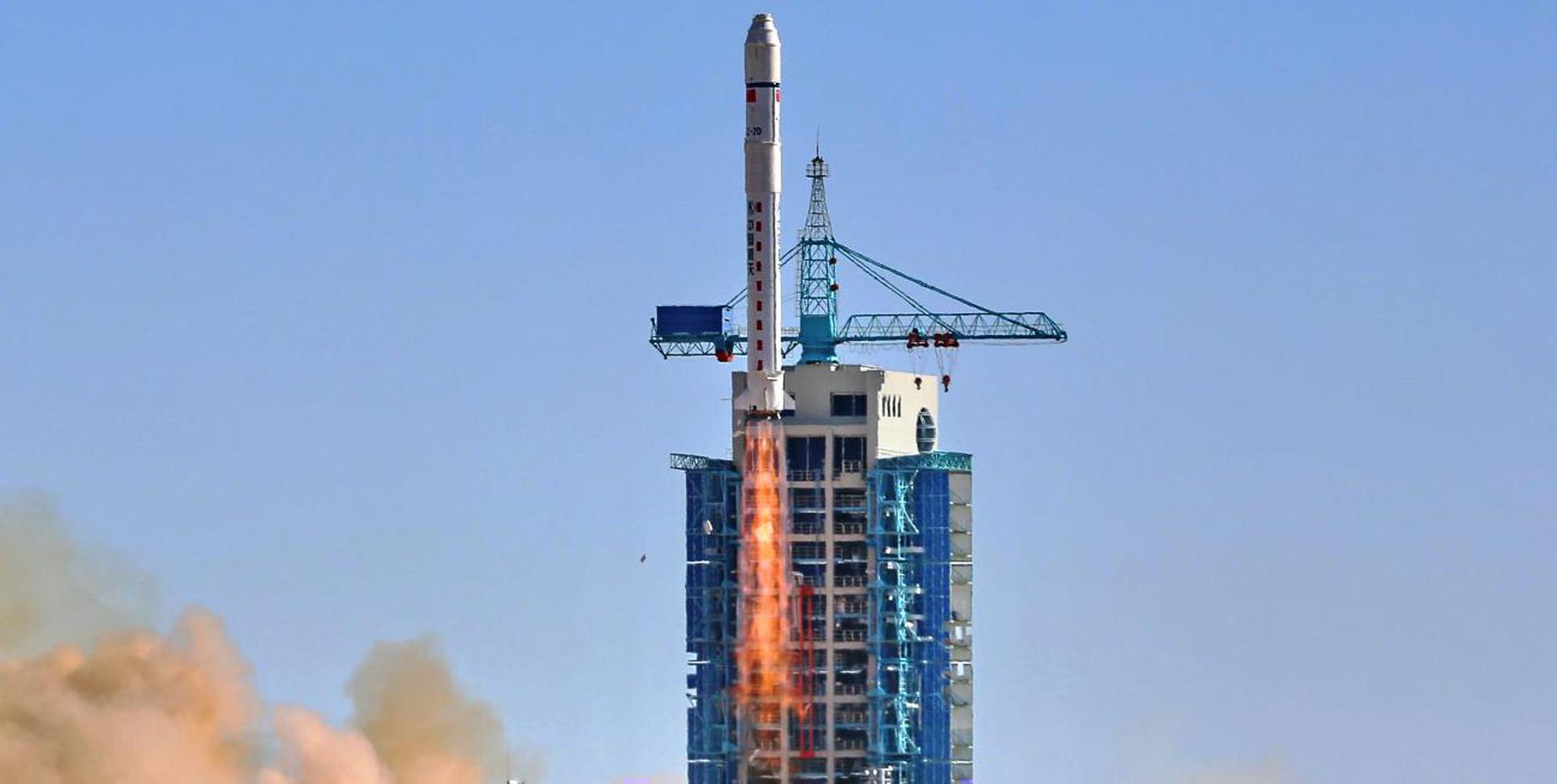
NASA's 590 kg Van Allen Probe A reentered March 10 after 14 years studying Earth's radiation belts. Meanwhile, Boeing Starliner classified as Type A mishap after leaving astronauts stranded on ISS.

Over 27,000 high-speed pieces of space junk now threaten vital satellites, requiring sophisticated tracking and urgent innovation of orbital debris removal methods like harpoons and nets.

In today's briefing: China accelerates its satellite megaconstellation. A comprehensive ESA-led optical data network is in the works, marking a key step in satellite communications. NASA's Artemis II crew visits Ohio in preparation for their lunar journey. SpaceX's record-breaking rocket launches continue. Plus, insights into nuclear rockets that could drastically shorten Mars missions.

Experts warn falling space debris risk to aircraft is increasing. North Korea tests advanced hypersonic missiles. Space Force seeks launch providers for Cape Canaveral and Vandenberg pads.
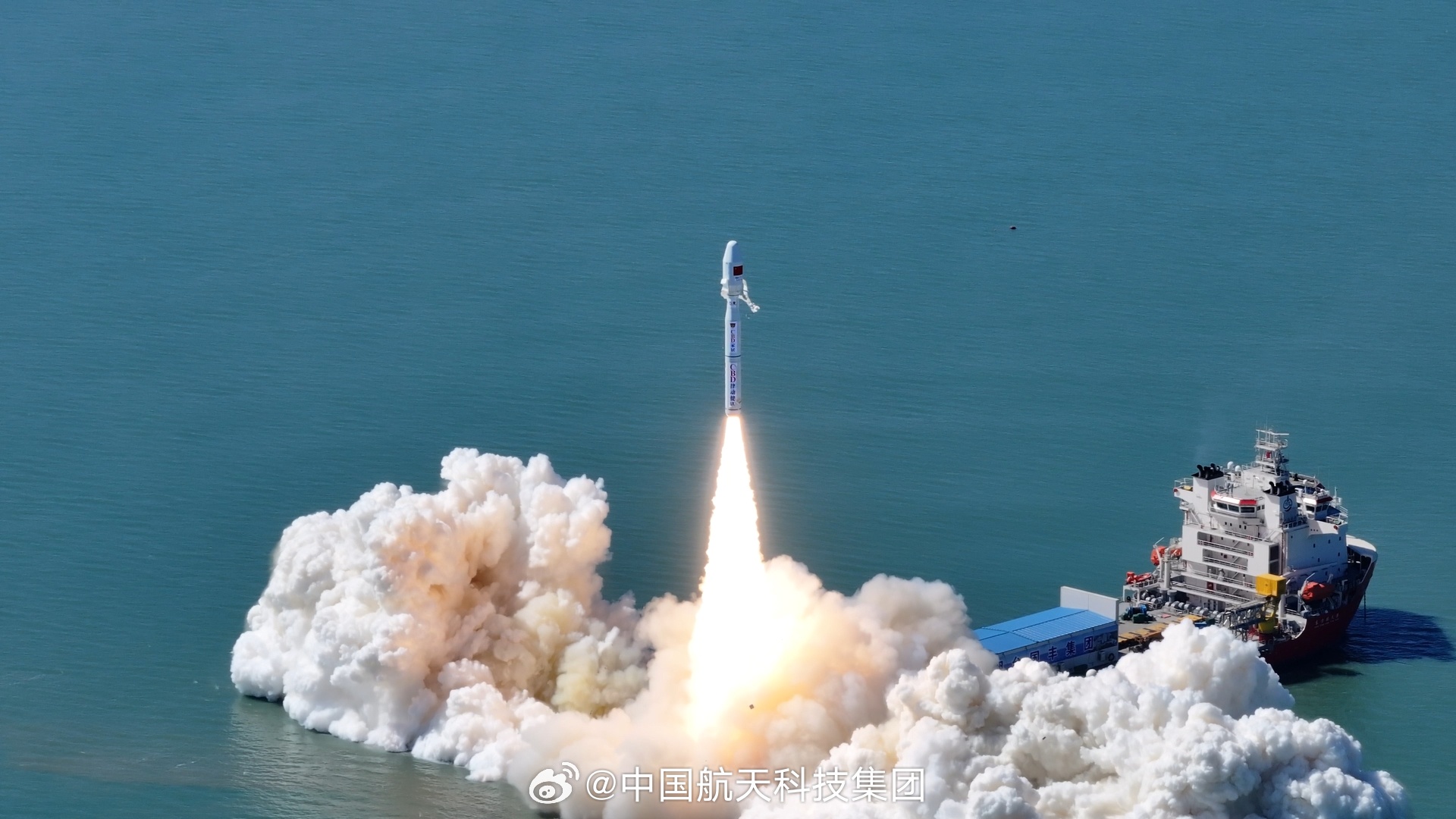
SpaceX launches NROL-105 spy satellite from Vandenberg in first national security mission of 2026. GE and Lockheed validate compact rotating detonation ramjet for hypersonic missiles.