


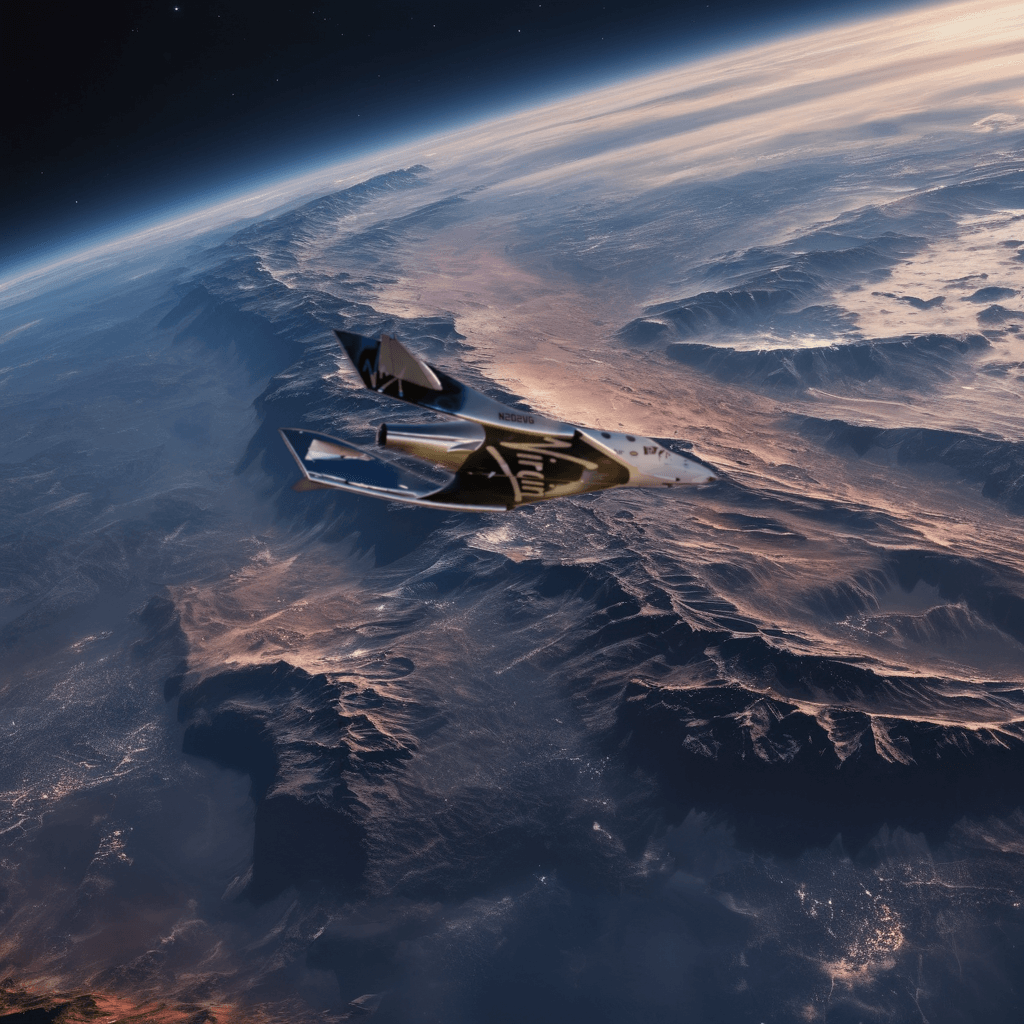
Virgin Galactic's Upcoming "Galactic 06" Spaceflight
On January 26, 2024, Virgin Galactic's "Galactic 06" mission will launch, marking its 11th spaceflight.



Launch Date
September 24, 2022
Launch Site
Launch Pad
LC40
Launch Vehicle
NORAD ID
53902
International Designator
2022-119S
Epoch
Mon, 20 Jul 2026 06:00:04 GMT
Apogee
Calculating...
Perigee
Calculating...
Inclination
53.16°
Right Ascension
37.46°
Eccentricity
Calculating...
Argument of Perigee
99.79°
Period
94.59 min
Mean Motion
15.22 rev/day
Latitude
Calculating...
Longitude
Calculating...
Altitude
Calculating...
Velocity
Calculating...
Name
STARLINK-5021
Alternative Name
Starlink 5021
Type
Status
Owner
SPXS
Country
United States
Constellation
N/A
Related Satellites
Major Events
N/A
1 53902U 22119S 26201.25004630 .00010246 00000+0 45157-3 0 9992
2 53902 53.1611 37.4621 0002068 99.7876 3.7258 15.22387542 5798
Source: Celestrak
Length
0.2
Diameter
2.8
Span
9
Dry Mass
290
Launch Mass
305
Shape
Box + pan
Radar Cross Section
Unknown
Visual Magnitude
Unknown
Color
Unknown
Material Composition
Unknown
Payload
Starlink Group 4-35-17
Purpose
Communication
Mission
Communication
Manufacturer
SPXS
Life Expectancy
Unknown
Bus
Starlink
Configuration
Unknown
Motor
Krypton ion thrusters
Equipment
Ku/Ka-band payload, optical inter-satellite link
Power System
Solar arrays, batteries
ADCS
Unknown
Transmitter Frequency
Unknown
Learn more about satellites and other related topics.
On January 26, 2024, Virgin Galactic's "Galactic 06" mission will launch, marking its 11th spaceflight.
Today's brief covers challenges in Space Force procurement, promising developments in tracking technologies, and significant budget cuts affecting military aerospace projects.

SpaceX's rapid advancements continued this weekend with two consecutive Starlink missions and preparations for the upcoming Crew-11 launch, showcasing its efficiency and commitment to expanding satellite broadband coverage.
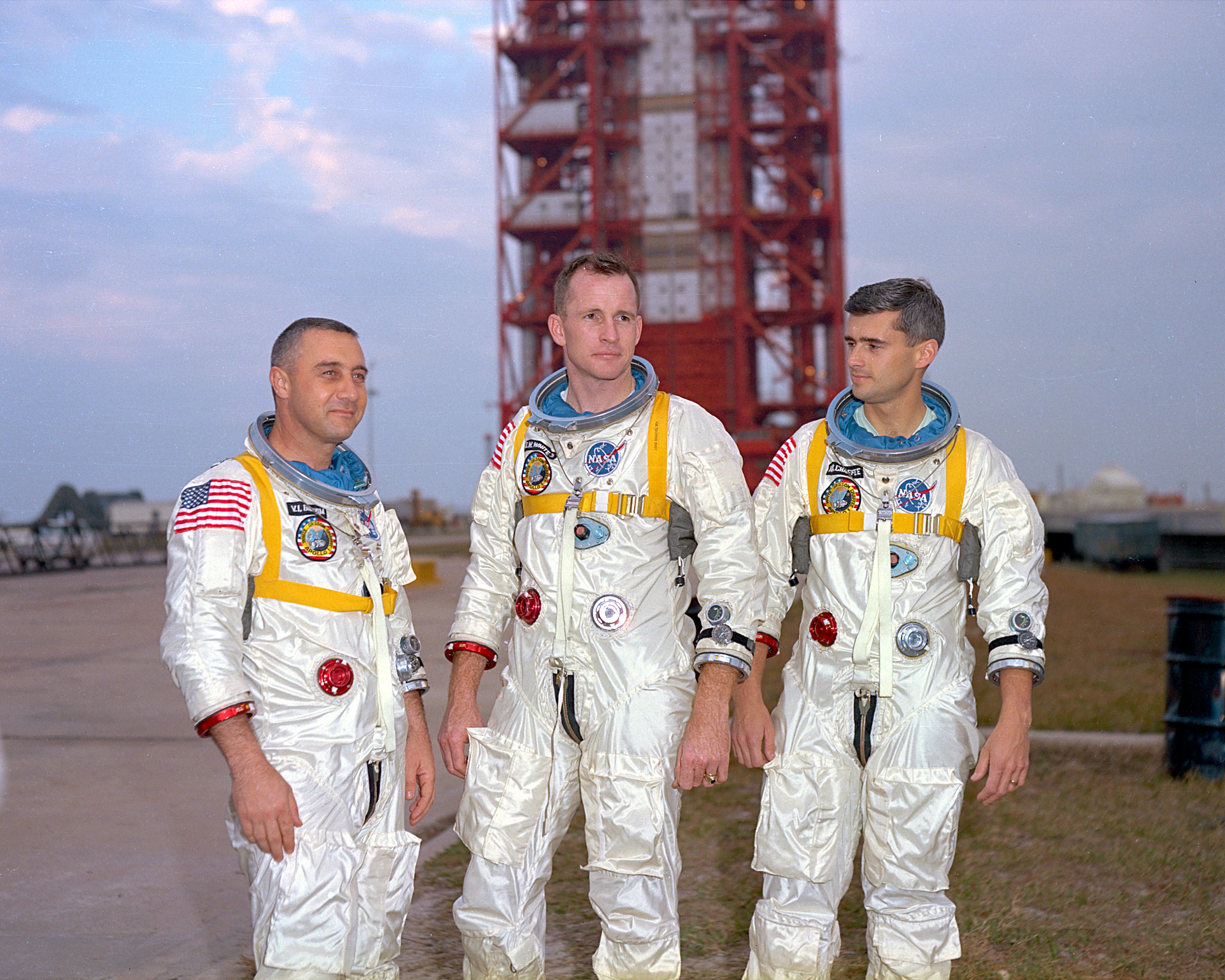
Fifty-eight years ago, a tragic fire during a routine test transformed spacecraft design and created the foundation of modern spaceflight safety culture

Today's Space Brief covers a major partnership in space tech distribution, China's orbital refueling preparations under U.S. scrutiny, recent U.S. defense budget reveals, and an exciting hyperspectral imagery release from Xplore.
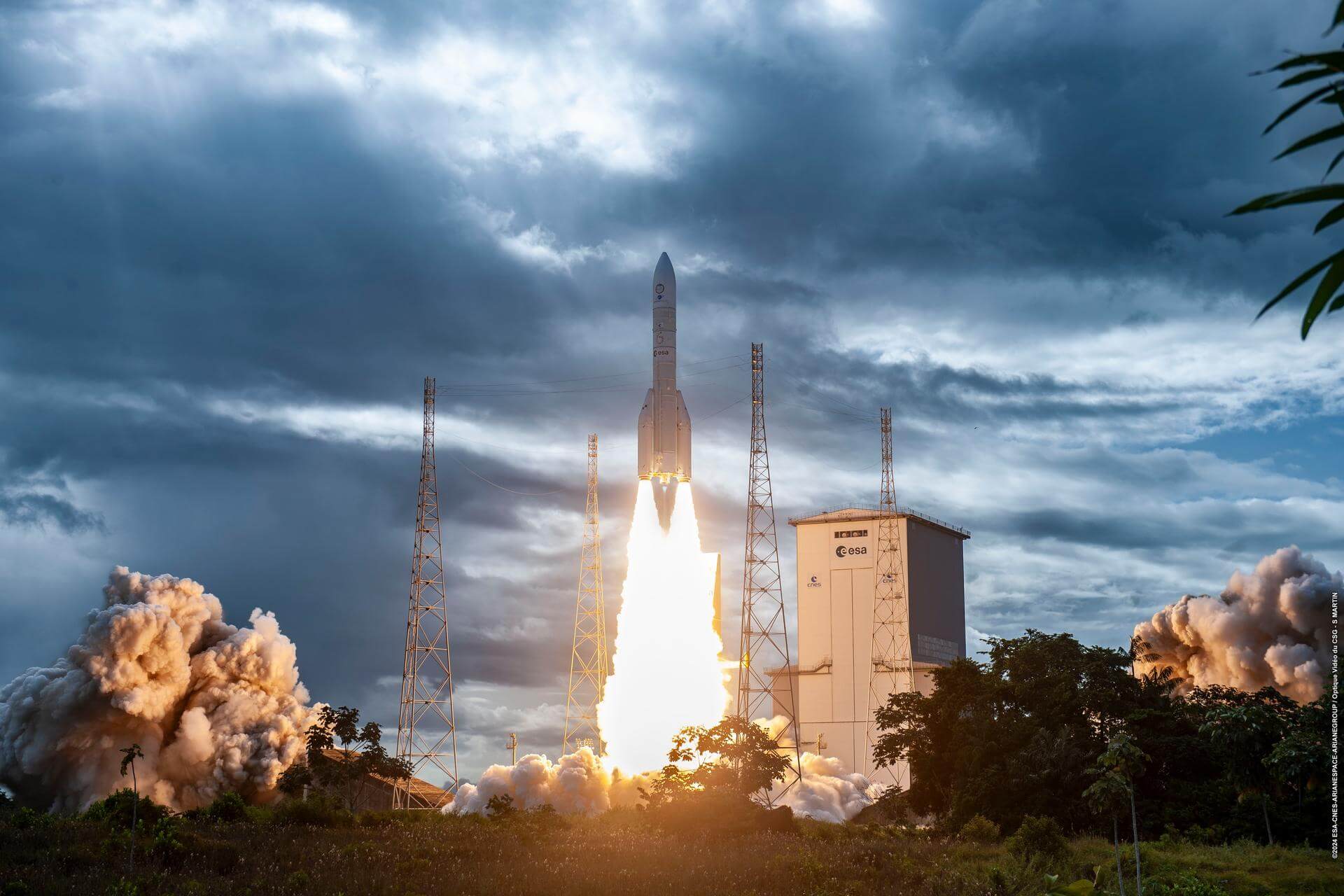
Today's Space Brief covers key developments including U.S. Space Force tech accelerator, SpaceX veterans' startup funding, ULA's expected dominance in national security missions, and new satellite activity.

Falcon 9 successfully deployed NROL-72 for National Reconnaissance Office's 13th proliferated architecture mission. Low-Earth orbit intelligence constellation expanding since 2021.

SpaceX sets a new reuse record with Falcon 9's 27th flight, continuing its Starlink deployment while facing challenges with Starship development.