


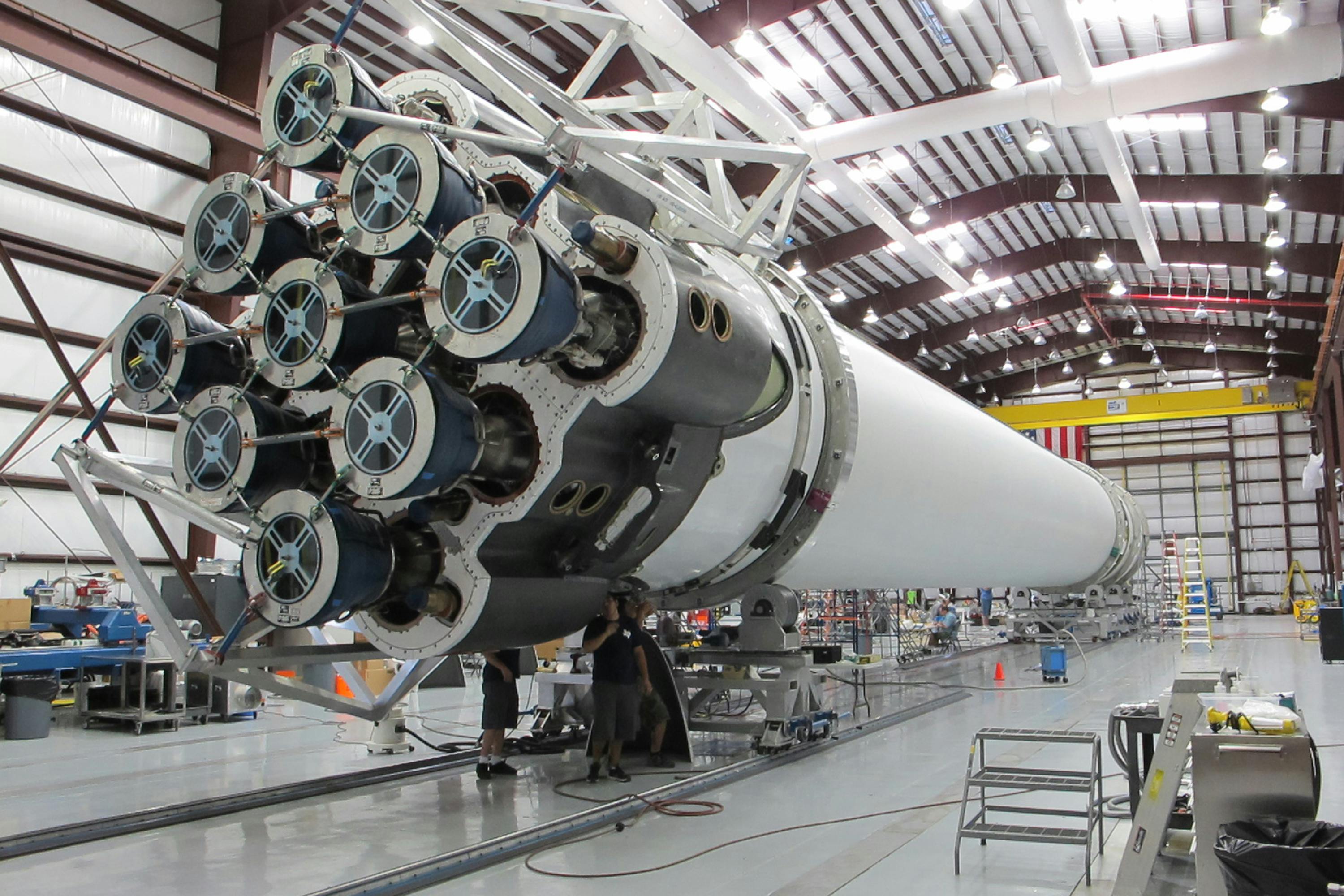
X Report 10 Sep 2025
SpaceX makes strides with United States national security satellites, securing substantial spectrum for Starlink's direct-to-cell services, and preparing for future Starship developments.



Launch Date
September 19, 2022
Launch Site
Launch Pad
LC40
Launch Vehicle
NORAD ID
53861
International Designator
2022-114AV
Epoch
Sun, 19 Jul 2026 20:00:01 GMT
Apogee
Calculating...
Perigee
Calculating...
Inclination
53.16°
Right Ascension
49.23°
Eccentricity
Calculating...
Argument of Perigee
76.53°
Period
94.40 min
Mean Motion
15.25 rev/day
Latitude
Calculating...
Longitude
Calculating...
Altitude
Calculating...
Velocity
Calculating...
Name
STARLINK-4781
Alternative Name
Starlink 4781
Type
Status
Owner
SPXS
Country
United States
Constellation
N/A
Related Satellites
Major Events
N/A
1 53861U 22114AV 26200.83335647 .00025380 00000+0 10016-2 0 9999
2 53861 53.1615 49.2301 0001157 76.5288 190.9576 15.25409579 5835
Source: Celestrak
Length
0.2
Diameter
2.8
Span
9
Dry Mass
290
Launch Mass
305
Shape
Box + pan
Radar Cross Section
Unknown
Visual Magnitude
Unknown
Color
Unknown
Material Composition
Unknown
Payload
Starlink Group 4-34-44
Purpose
Communication
Mission
Communication
Manufacturer
SPXS
Life Expectancy
Unknown
Bus
Starlink
Configuration
Unknown
Motor
Krypton ion thrusters
Equipment
Ku/Ka-band payload, optical inter-satellite link
Power System
Solar arrays, batteries
ADCS
Unknown
Transmitter Frequency
Unknown
Learn more about satellites and other related topics.
SpaceX makes strides with United States national security satellites, securing substantial spectrum for Starlink's direct-to-cell services, and preparing for future Starship developments.
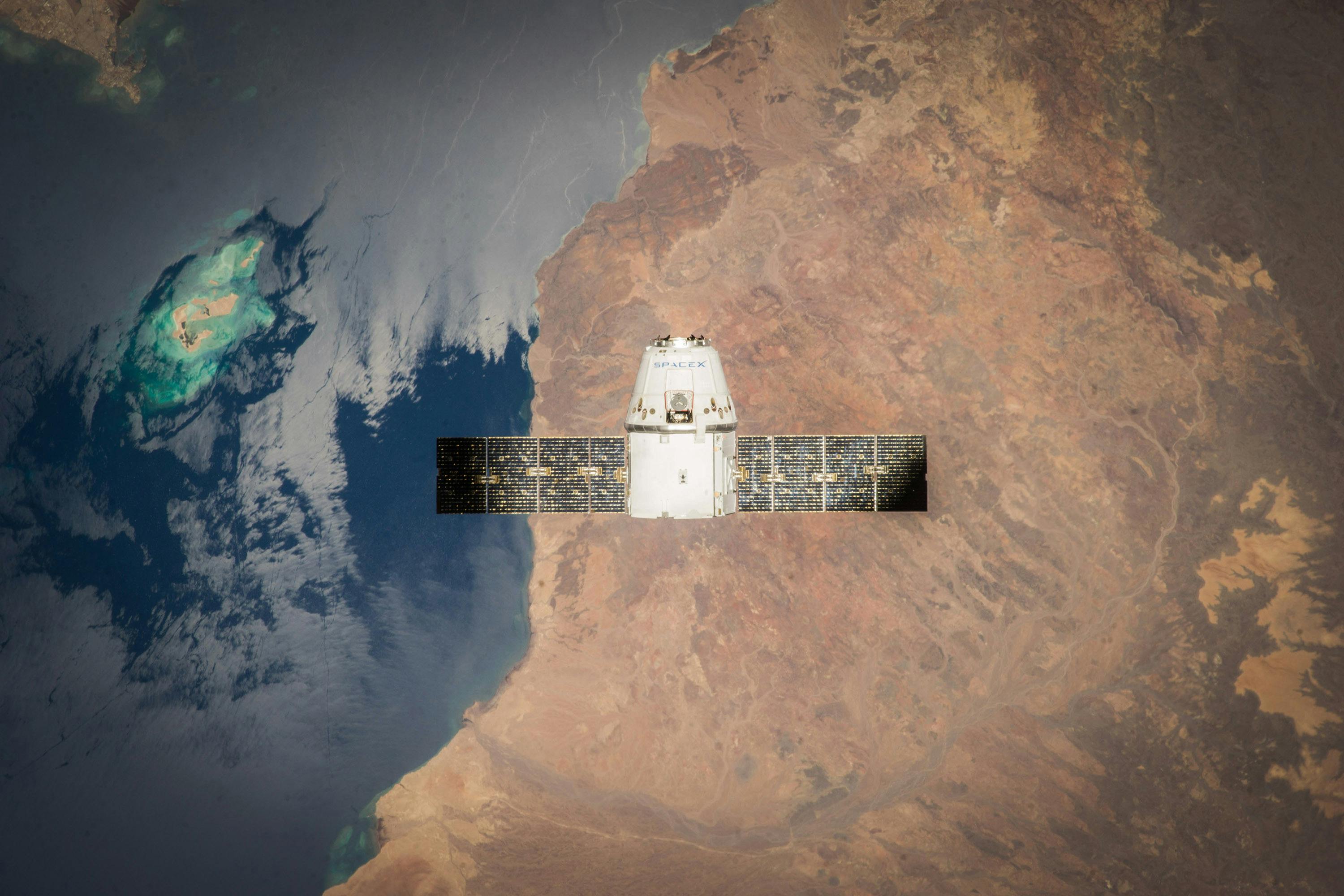
SpaceX readies Starlink 17-20 launch of 25 satellites to polar orbit from Vandenberg pad 4E — seventh Starlink mission of the year. 11,009 total Starlink satellites launched to date.
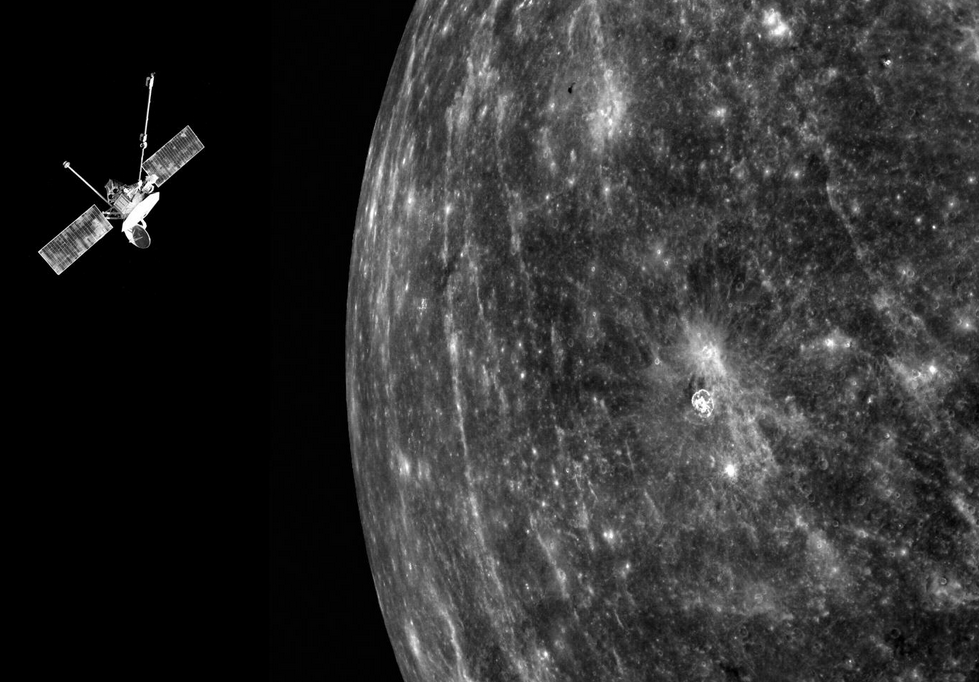
Fifty-one years ago, Mariner 10 revolutionized space exploration by executing the first-ever planetary gravity assist at Venus, pioneering a technique that would transform how we explore the solar system
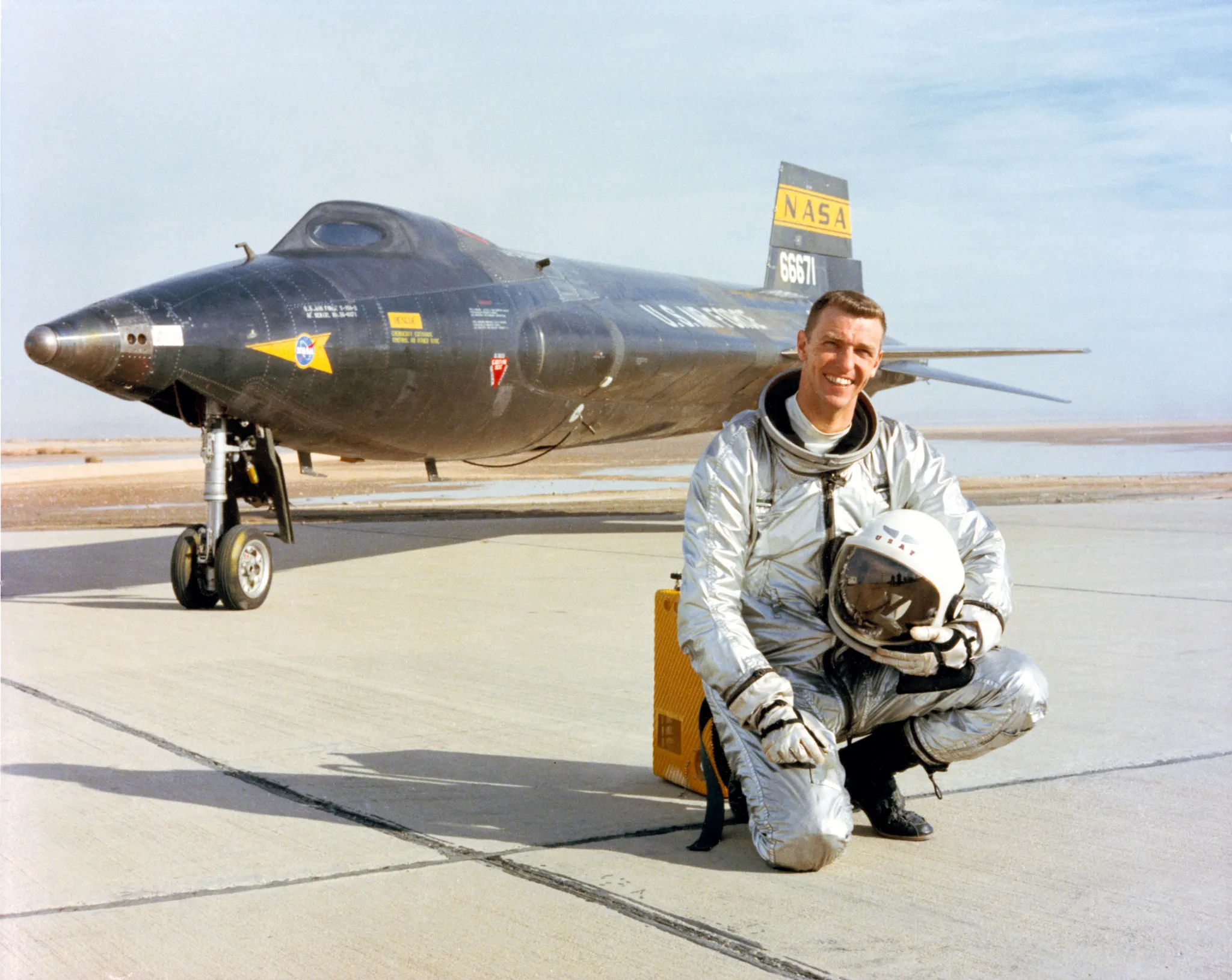
On 29 June 1965, a young Air Force test pilot rode a rocket-powered airplane to 280,600 feet above the California desert. He landed ten minutes later as the youngest person ever to earn astronaut wings.

SpaceX gears up for an exciting week with multiple launches, including a crewed mission and the rescheduled Starlink delivery. Meanwhile, ULA faces criticism from the Space Force over delays in its Vulcan rocket program.

SpaceX's X-37B spaceplane launch, featuring advanced tech, highlights today’s space events. The launch of the first reprogrammable navigation satellite by the US Space Force is another significant milestone.

SpaceX successfully launched 23 Starlink satellites on a brand-new Falcon 9 rocket, while preparations ramp up for Starship Flight 9 and a pioneering commercial docking mission approaches.

Today's highlights include Rocket Lab's record year, setbacks in Japanese space endeavors, secure communication advancements in orbit, and more updates on martian expeditions.