STARLINK-4728 (53793)

COSPAR: 2022-111W | Alt Name: Starlink 4728

Image
STARLINK-4728 Satellite Image
Additional Sources
Launch Details

Launch Date

September 11, 2022

Launch Pad

LC39A

Launch Vehicle

Falcon 9

Orbital Elements

NORAD ID

53793

International Designator

2022-111W

Epoch

Sun, 19 Jul 2026 19:38:50 GMT

Apogee

Calculating...

Perigee

Calculating...

Inclination

53.16°

Right Ascension

37.84°

Eccentricity

Calculating...

Argument of Perigee

97.67°

Period

94.01 min

Mean Motion

15.32 rev/day

Latitude

Calculating...

Longitude

Calculating...

Altitude

Calculating...

Velocity

Calculating...

Polar Plot
3D Visualization
Basic Satellite Info

Name

STARLINK-4728

Alternative Name

Starlink 4728

Type

Payload

Status

Operational

Owner

SPXS

Country

United States

Constellation

N/A

Related Satellites

Major Events

N/A

Latest TLEs
1 53793U 22111W   26200.81864220  .00001826  00000+0  70566-4 0  9999
2 53793  53.1611  37.8436 0000899  97.6691 262.4413 15.31705340213671

Source: Celestrak

Summary
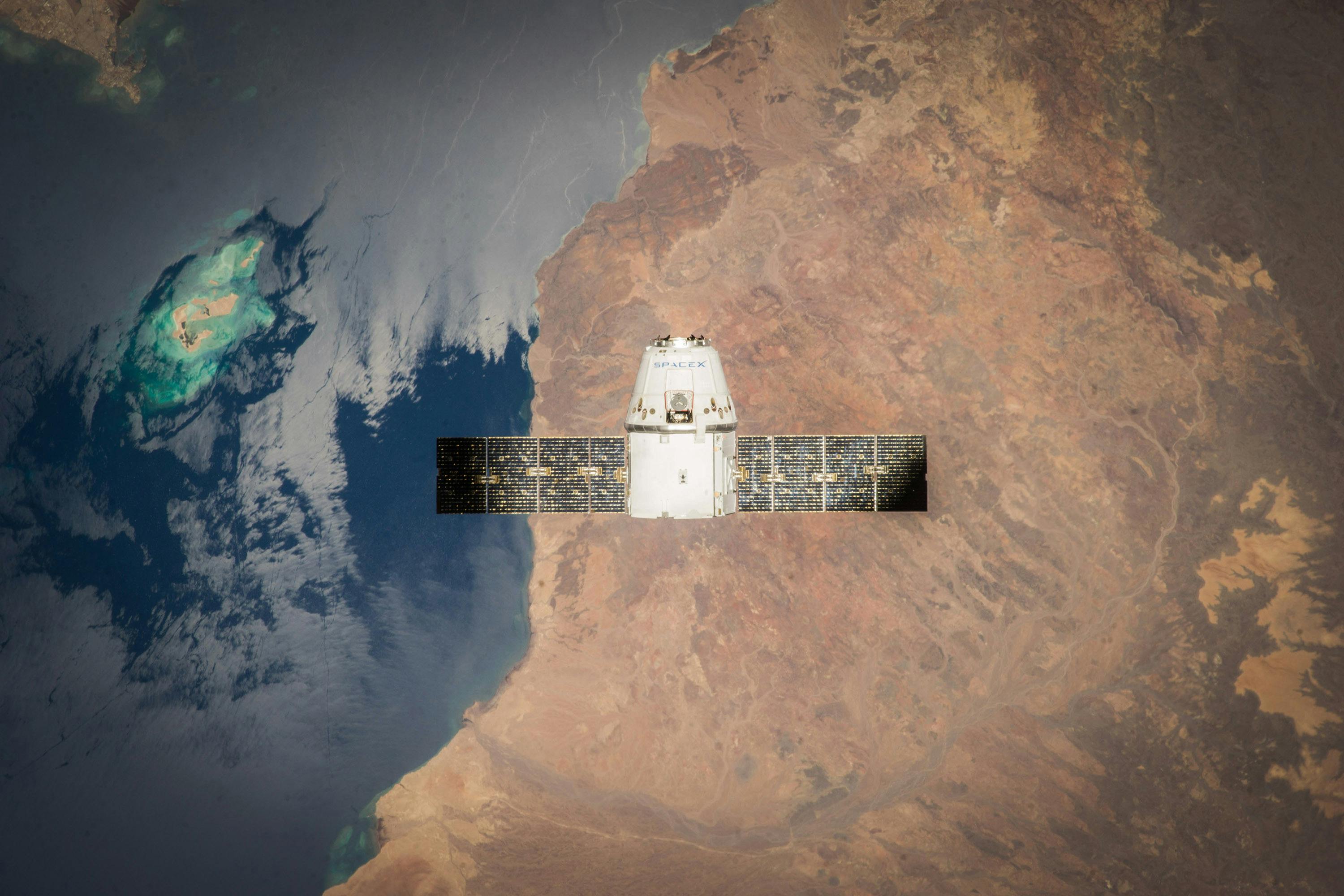
STARLINK-4728 is a Starlink satellite launched by SpaceX on September 11, 2022, from Kennedy Space Center using a Falcon 9 launch vehicle. The spacecraft measures 0.2 meters in length with a diameter of 2.8 meters and a span of 9 meters. It has a dry mass of 290 kilograms and launched with a total mass of 305 kilograms. Equipped with Ku/Ka-band payload and optical inter-satellite link, it is powered by solar arrays and batteries and uses Krypton ion thrusters for propulsion. The satellite's mission is communication and was manufactured by SpaceX.

Starlink is a satellite constellation developed by SpaceX with the aim of providing global broadband internet coverage. Thousands of small satellites are deployed in low Earth orbit (LEO), enabling high-speed internet access even in remote areas. However, the rapid increase in satellites raises concerns about space debris and the potential for collisions, which can lead to further debris creation and endanger other spacecraft. Additionally, the sheer number of Starlink satellites can affect astronomical observations by increasing light pollution. Proper deorbiting plans and international coordination are essential to mitigate these challenges and ensure long-term sustainability in space.
Physical Characteristics

Length

0.2

Diameter

2.8

Span

9

Dry Mass

290

Launch Mass

305

Shape

Box + pan

Radar Cross Section

Unknown

Visual Magnitude

Unknown

Color

Unknown

Material Composition

Unknown

Technical Details

Payload

Starlink Group 4-2-21

Purpose

Communication

Mission

Communication

Manufacturer

SPXS

Life Expectancy

Unknown

Bus

Starlink

Configuration

Unknown

Motor

Krypton ion thrusters

Equipment

Ku/Ka-band payload, optical inter-satellite link

Power System

Solar arrays, batteries

ADCS

Unknown

Transmitter Frequency

Unknown

Map
This tool will help you track the satellite's position and predict its upcoming passes over your location. Simply input the coordinates or click the geolocation button to get started.
Next Pass
Azimuth Elevation Time (Local)
Start Azimuth
Max Elevation
Stop Azimuth
Time Until
Pass Duration

Satellite Articles

View All Posts »

Learn more about satellites and other related topics.

Space Force Raises Andromeda Contract to $6.2B for SSA Satellites | KeepTrack Space Brief

Space Force Raises Andromeda Contract to $6.2B for SSA Satellites | KeepTrack Space Brief

U.S. Space Force increased Andromeda contract ceiling to $6.2 billion for next-generation space situational awareness satellites replacing GSSAP and SILENTBARKER programs.
SpaceX Starfall Secret Capsule Targets Space Manufacturing | KeepTrack X Report

SpaceX Starfall Secret Capsule Targets Space Manufacturing | KeepTrack X Report

SpaceX's disk-shaped Starfall reentry vehicle debuts as the constellation hits 10,671 working satellites across low Earth orbit.

Artemis 2 Crew Arrives for April 1 Lunar Flyby Launch | KeepTrack Space Brief

Artemis 2 Crew Arrives for April 1 Lunar Flyby Launch | KeepTrack Space Brief

Artemis 2 astronauts arrive at KSC for April 1 launch. Four-person crew will fly lunar free-return trajectory, first crewed lunar mission since Apollo 17 in 1972.

X Report 30 Nov 2024

X Report 30 Nov 2024

SpaceX executes dual Starlink launches and secures Dragonfly mission contract while managing NRO satellite deployment.

The Day Humanity's First Modular Space Station Reached Orbit

The Day Humanity's First Modular Space Station Reached Orbit

Thirty-nine years ago, a Proton rocket carried the core of the Mir space station into orbit, launching an unprecedented era of continuous human presence in space and international cooperation

CelesTrak.org

CelesTrak.org

An in-depth look at CelesTrak, the leading non-profit provider of orbital element sets and collision assessment tools, trusted by space professionals worldwide.

Japan's H3 Returns to Flight With 6 Satellites | KeepTrack Space Brief

Japan's H3 Returns to Flight With 6 Satellites | KeepTrack Space Brief

Japan's H3 rocket successfully launched June 11, deploying 6 smallsats to orbit after December failure. First return-to-flight for JAXA's flagship heavy-lift vehicle.

X Report 27 Mar 2025

X Report 27 Mar 2025

SpaceX successfully launches 27 Starlink satellites and gains approval for internet services in Vietnam.