STARLINK-4614 (53741)

COSPAR: 2022-107AT | Alt Name: Starlink 4614
DECAYED

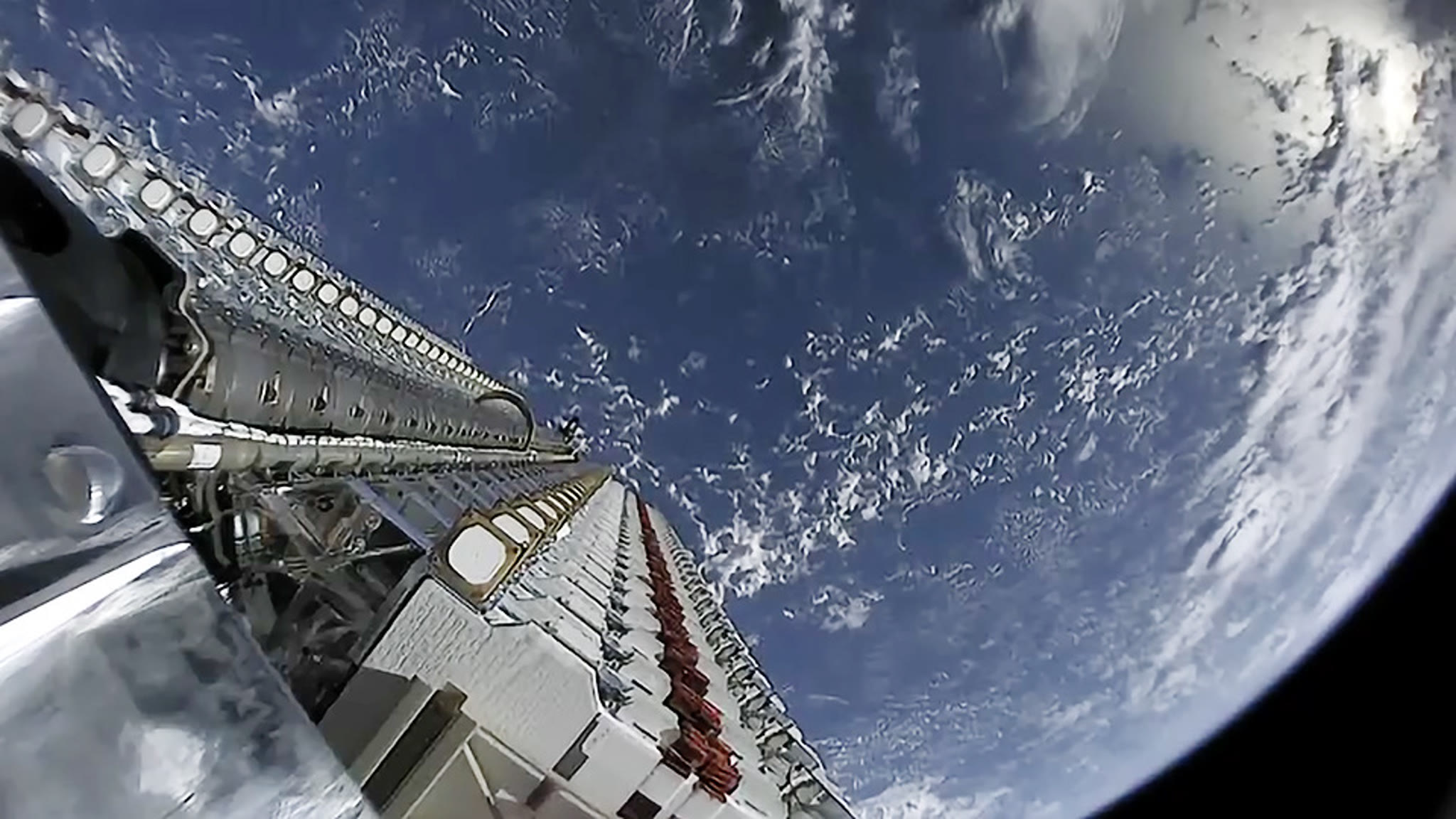
Image
STARLINK-4614 Satellite Image
Additional Sources
Launch Details

Launch Date

September 5, 2022

Launch Pad

LC40

Launch Vehicle

Falcon 9

Orbital Elements

NORAD ID

53741

International Designator

2022-107AT

Decay Date

8/3/2025

Basic Satellite Info

Name

STARLINK-4614

Alternative Name

Starlink 4614

Type

Payload

Status

Decayed

Owner

SPXS

Country

United States

Constellation

N/A

Related Satellites

Major Events

N/A

Summary
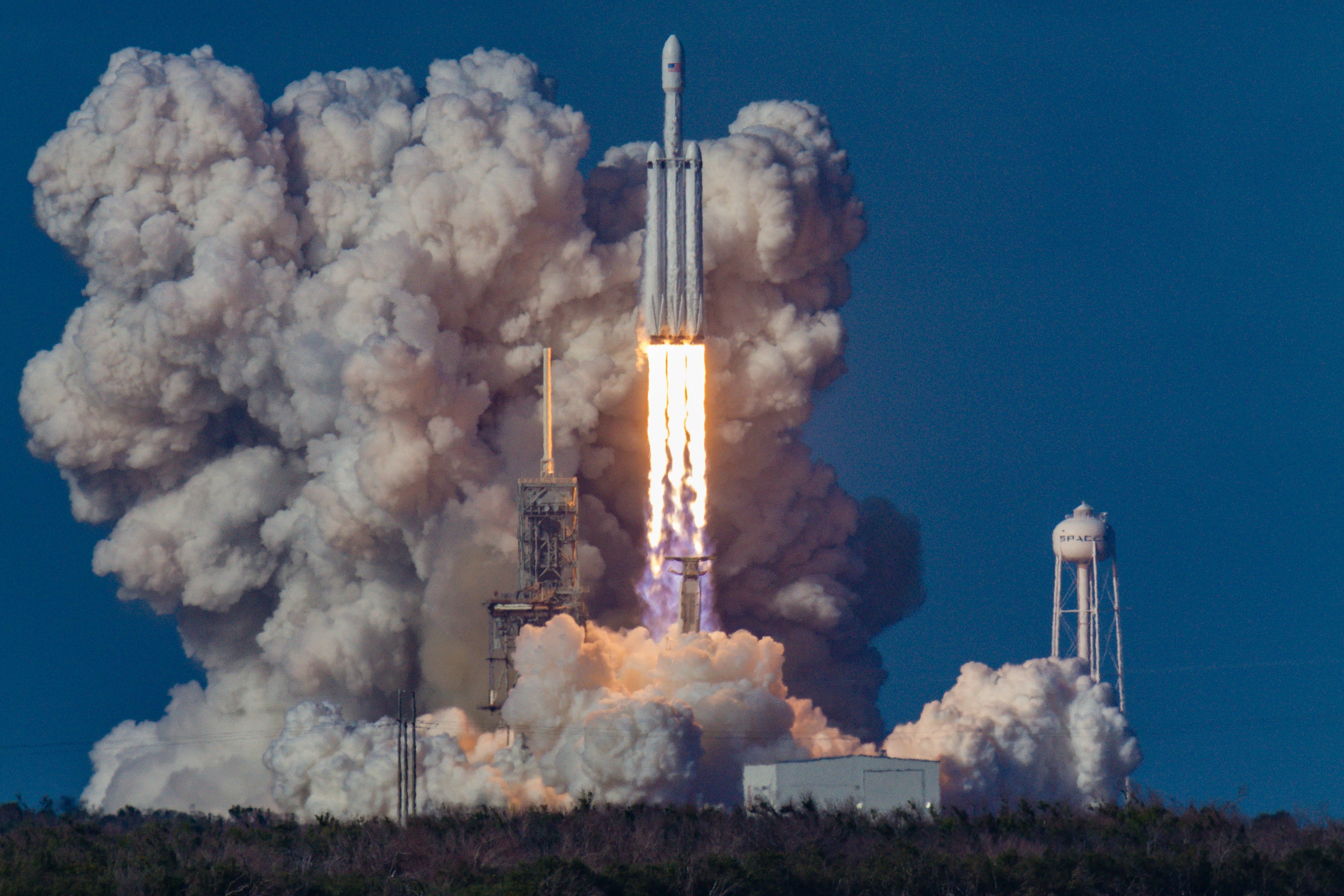
STARLINK-4614, also known as Starlink 4614, is a communication satellite operated by SPXS (SpaceX). Launched on September 5, 2022, from Cape Canaveral Air Force Station's LC40 pad aboard a Falcon 9 launch vehicle, the spacecraft has a dry mass of 290 kilograms and carries a total launch mass of 305 kilograms. The satellite measures approximately 0.2 meters in length, with a diameter of 2.8 meters and a span of 9 meters. Equipped with Ku/Ka-band payload and an optical inter-satellite link for communication purposes, STARLINK-4614 utilizes solar arrays and batteries for power supply and employs krypton ion thrusters as its motor system. The satellite's shape is described as a box with a pan configuration, and it is part of the Starlink Group 4-20-42 constellation, aimed at providing communication services.

Starlink is a satellite constellation developed by SpaceX with the aim of providing global broadband internet coverage. Thousands of small satellites are deployed in low Earth orbit (LEO), enabling high-speed internet access even in remote areas. However, the rapid increase in satellites raises concerns about space debris and the potential for collisions, which can lead to further debris creation and endanger other spacecraft. Additionally, the sheer number of Starlink satellites can affect astronomical observations by increasing light pollution. Proper deorbiting plans and international coordination are essential to mitigate these challenges and ensure long-term sustainability in space.
Physical Characteristics

Length

0.2

Diameter

2.8

Span

9

Dry Mass

290

Launch Mass

305

Shape

Box + pan

Radar Cross Section

Unknown

Visual Magnitude

Unknown

Color

Unknown

Material Composition

Unknown

Technical Details

Payload

Starlink Group 4-20-42

Purpose

Communication

Mission

Communication

Manufacturer

SPXS

Life Expectancy

Unknown

Bus

Starlink

Configuration

Unknown

Motor

Krypton ion thrusters

Equipment

Ku/Ka-band payload, optical inter-satellite link

Power System

Solar arrays, batteries

ADCS

Unknown

Transmitter Frequency

Unknown

Satellite Articles

View All Posts »

Learn more about satellites and other related topics.

SpaceX Launches 13th NRO Proliferated Architecture Mission | KeepTrack Space Brief

SpaceX Launches 13th NRO Proliferated Architecture Mission | KeepTrack Space Brief

Falcon 9 successfully deployed NROL-72 for National Reconnaissance Office's 13th proliferated architecture mission. Low-Earth orbit intelligence constellation expanding since 2021.

The 300,000 Swerves Keeping Low Earth Orbit From Crashing

The 300,000 Swerves Keeping Low Earth Orbit From Crashing

Starlink satellites fired their thrusters to dodge a collision roughly 300,000 times in 2025, about 822 times a day. Behind that number is a fragile, half-automated system of warnings, probabilities, and judgment calls that decides which close approaches are worth a maneuver and which are just noise.

NASA Ends MAVEN After 6-Month Contact Loss; Falcon 9 Sets 35th Reuse Record | KeepTrack Space Brief

NASA Ends MAVEN After 6-Month Contact Loss; Falcon 9 Sets 35th Reuse Record | KeepTrack Space Brief

NASA concludes MAVEN mission after six months attempting to restore contact with Mars probe. Meanwhile, Falcon 9 booster flies record 35th flight on Starlink 10-35 mission.

Starship V3 Targets May 19 Debut; FCC OKs $2.4B Spectrum Deal | KeepTrack X Report

Starship V3 Targets May 19 Debut; FCC OKs $2.4B Spectrum Deal | KeepTrack X Report

SpaceX targets May 19 for Starship V3's first flight from Pad 2 as the FCC approves a $2.4B EchoStar spectrum deal for Starlink D2D.

The Day the Navy's Eyes Reached Orbit

The Day the Navy's Eyes Reached Orbit

Forty-two years ago, an Atlas H rocket climbed into the California sky carrying four objects that would help the U.S. Navy track every Soviet warship on the planet - a mission so secret that even the satellites' true name wasn't declassified until 2023

X Report 1 Sep 2025

X Report 1 Sep 2025

SpaceX successfully launched 28 Starlink satellites from Florida, continuing its momentum in expanding global internet coverage.

X Report 27 Nov 2024

X Report 27 Nov 2024

SpaceX secures FCC nod for Starlink's direct-to-phone connectivity, lands NASA's Dragonfly mission, and sees new competition with the ZhuQue-2E launch.

The Day NASA Chose Its First Space Pioneers

The Day NASA Chose Its First Space Pioneers

Sixty-four years ago, NASA made a decision that would shape the future of human spaceflight by selecting three astronauts to compete for America's first journey into space