


Space Force Picks Boeing 702MP for MUOS Follow-On | KeepTrack Space Brief
U.S. Space Force selects Boeing's 702MP spacecraft for next-generation MUOS satellites. Rocket Lab delivers Synspective's 10th StriX radar satellite. Track both missions.



Launch Date
September 5, 2022
Launch Site
Launch Pad
LC40
Launch Vehicle
NORAD ID
53700
International Designator
2022-107A
Epoch
Mon, 20 Jul 2026 04:47:46 GMT
Apogee
Calculating...
Perigee
Calculating...
Inclination
53.16°
Right Ascension
8.60°
Eccentricity
Calculating...
Argument of Perigee
92.06°
Period
95.44 min
Mean Motion
15.09 rev/day
Latitude
Calculating...
Longitude
Calculating...
Altitude
Calculating...
Velocity
Calculating...
Name
STARLINK-4725
Alternative Name
Starlink 4725
Type
Status
Owner
SPXS
Country
United States
Constellation
N/A
Related Satellites
Major Events
N/A
1 53700U 22107A 26201.19984090 -.00000403 00000+0 -72102-5 0 9993
2 53700 53.1612 8.5973 0001416 92.0633 268.0521 15.08840832214866
Source: Celestrak
Length
0.2
Diameter
2.8
Span
9
Dry Mass
290
Launch Mass
305
Shape
Box + pan
Radar Cross Section
Unknown
Visual Magnitude
Unknown
Color
Unknown
Material Composition
Unknown
Payload
Starlink Group 4-20-01
Purpose
Communication
Mission
Communication
Manufacturer
SPXS
Life Expectancy
Unknown
Bus
Starlink
Configuration
Unknown
Motor
Krypton ion thrusters
Equipment
Ku/Ka-band payload, optical inter-satellite link
Power System
Solar arrays, batteries
ADCS
Unknown
Transmitter Frequency
Unknown
Learn more about satellites and other related topics.
U.S. Space Force selects Boeing's 702MP spacecraft for next-generation MUOS satellites. Rocket Lab delivers Synspective's 10th StriX radar satellite. Track both missions.
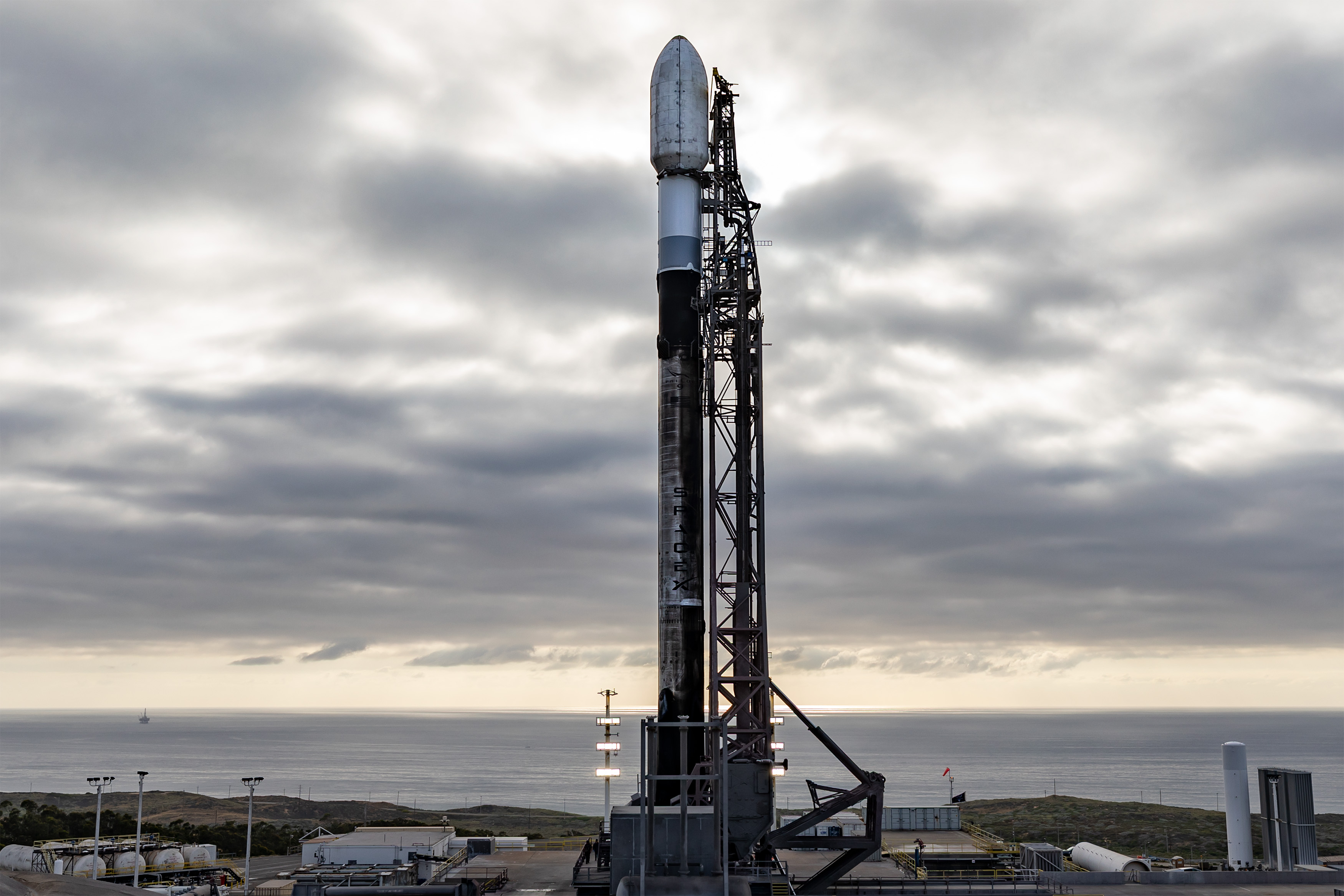
SpaceX CAS500-2 launch success: Falcon 9 flew May 3 at 0700 UTC from Vandenberg with South Korea's imaging satellite and 44 rideshare payloads.
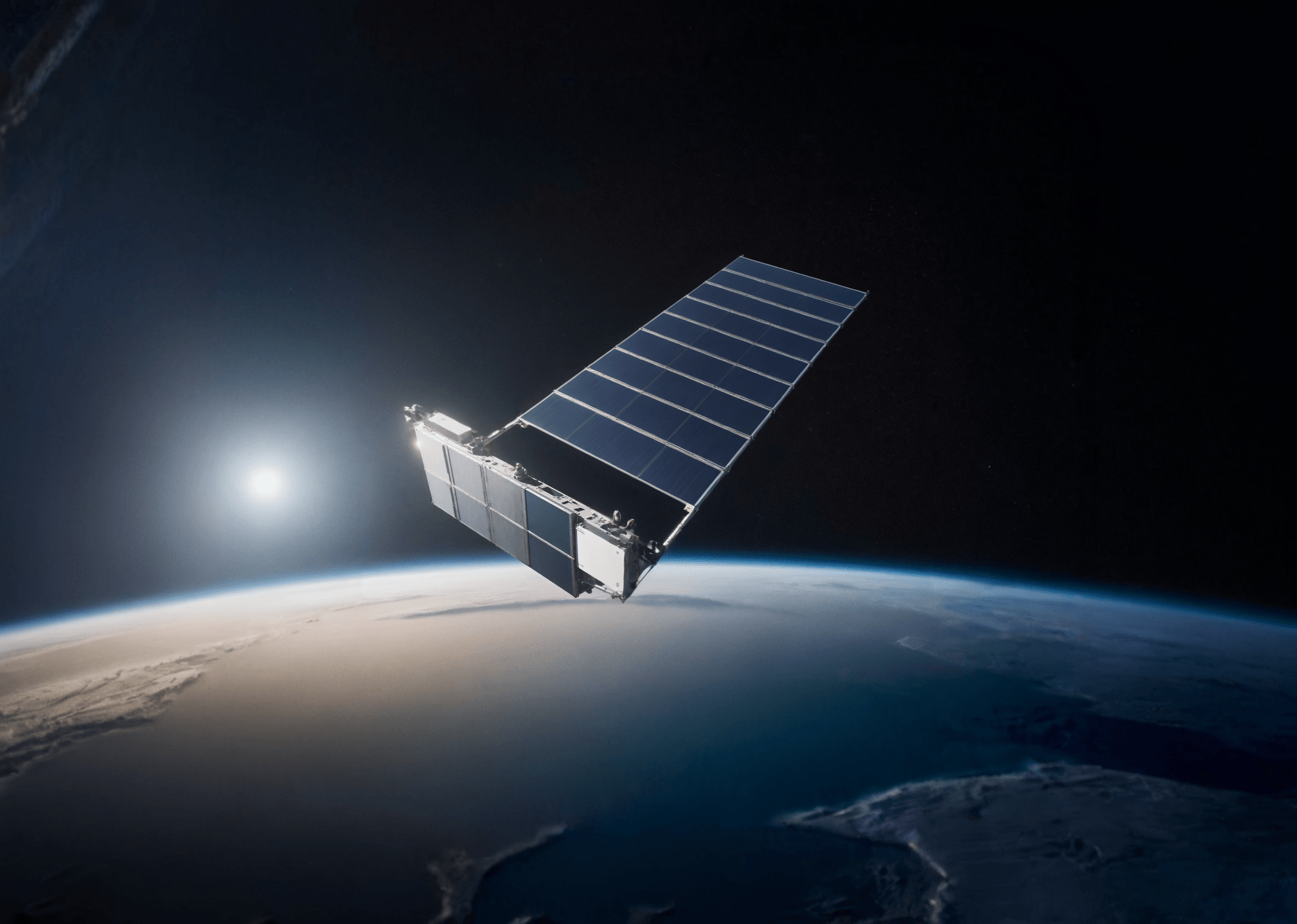
As of March 2024, SpaceX's Starlink has made remarkable strides in its quest to provide global broadband internet access. With an astounding number of satellites already in orbit and ambitious plans for expansion, Starlink is on track to dominate Earth's orbit in the coming years.

Discover the latest innovations from Rocket Lab, new developments in hypersonic flight, and significant advances in satellite technology with BlackSky. Gain insights into the Space Force's mission and MIT physicists' breakthroughs in observing atoms.

SpaceX and Rocket Lab make headlines with simultaneous launches, while Musk's Starliner comments stir controversy.

Today's coverage includes the cancellation of DARPA's DRACO nuclear propulsion project, global shifts in Earth observation strategy, and new developments in satellite technology and military collaborations.
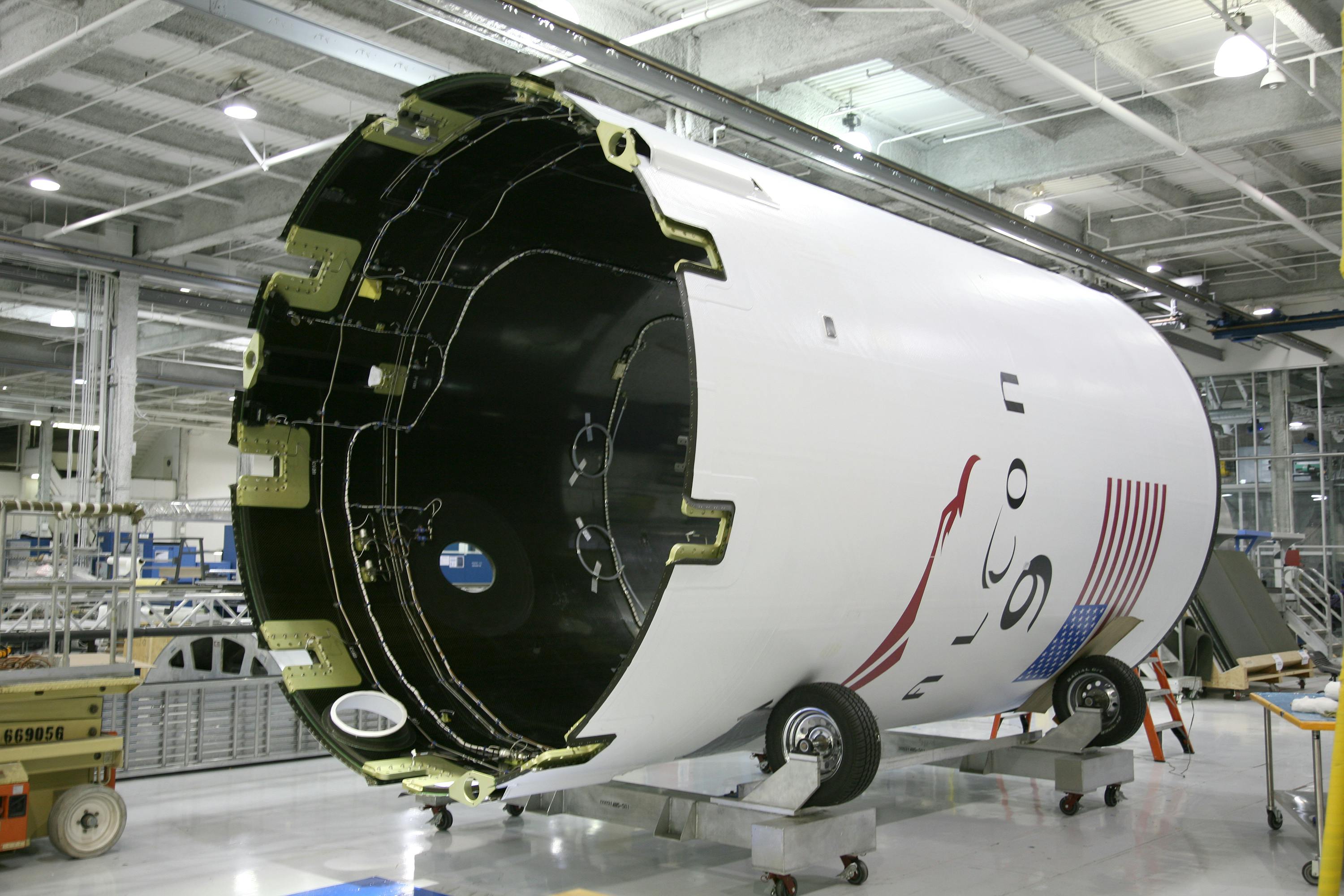
SpaceX successfully launched 28 Starlink satellites from Florida, marking a significant milestone in their deployment strategy. This follows the recent launch of 26 satellites from California, highlighting ongoing expansion efforts.
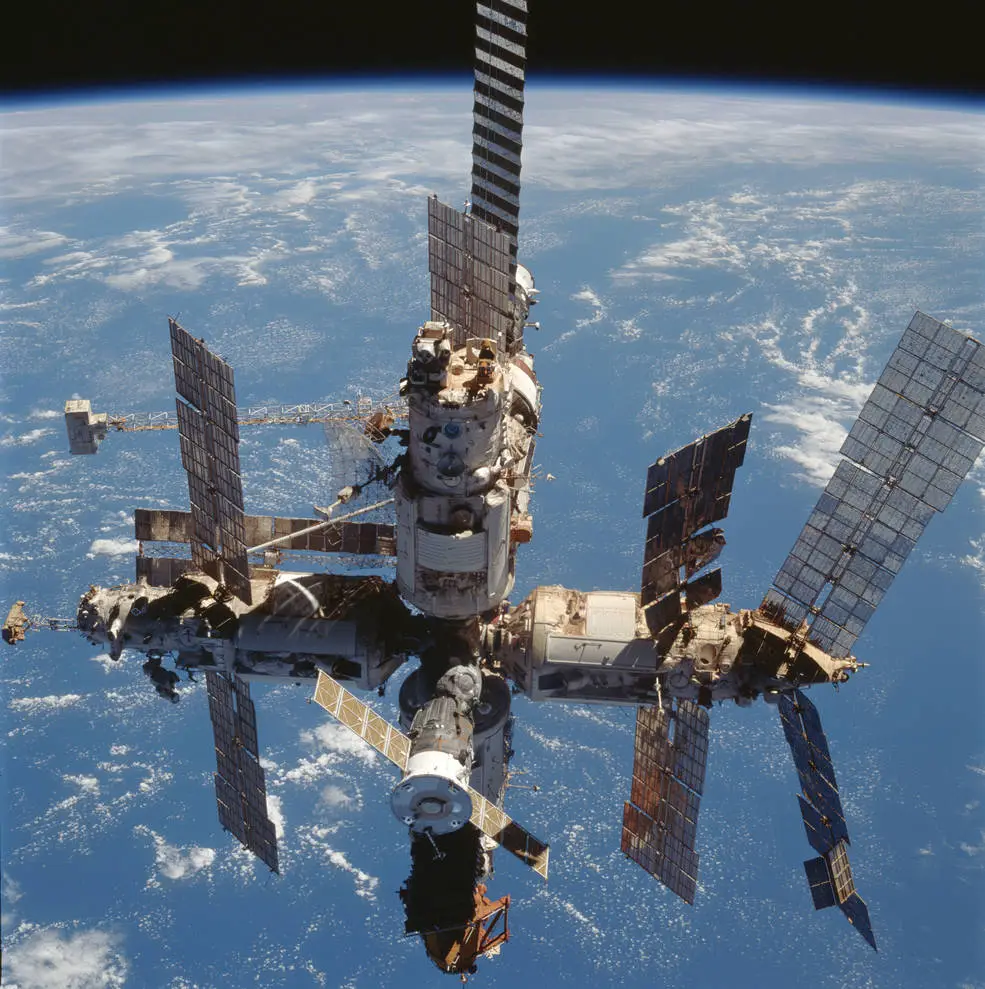
Thirty-nine years ago, a Proton rocket carried the core of the Mir space station into orbit, launching an unprecedented era of continuous human presence in space and international cooperation