


Space Brief 11 Nov 2025
Record-breaking Chinese launches, SDA funding issues, and a new Starlink milestone highlight today's space news.



Launch Date
August 28, 2022
Launch Site
Launch Pad
LC40
Launch Vehicle
NORAD ID
53608
International Designator
2022-104W
Epoch
Mon, 20 Jul 2026 06:00:04 GMT
Apogee
Calculating...
Perigee
Calculating...
Inclination
53.16°
Right Ascension
358.41°
Eccentricity
Calculating...
Argument of Perigee
121.76°
Period
94.62 min
Mean Motion
15.22 rev/day
Latitude
Calculating...
Longitude
Calculating...
Altitude
Calculating...
Velocity
Calculating...
Name
STARLINK-4647
Alternative Name
Starlink 4647
Type
Status
Owner
SPXS
Country
United States
Constellation
N/A
Related Satellites
Major Events
N/A
1 53608U 22104W 26201.25004630 .00068347 00000+0 29586-2 0 9991
2 53608 53.1616 358.4113 0002713 121.7637 177.9398 15.21810701 5804
Source: Celestrak
Length
0.2
Diameter
2.8
Span
9
Dry Mass
290
Launch Mass
300
Shape
Box + pan
Radar Cross Section
Unknown
Visual Magnitude
Unknown
Color
Unknown
Material Composition
Unknown
Payload
Starlink Group 4-23-21
Purpose
Communication
Mission
Communication
Manufacturer
SPXS
Life Expectancy
Unknown
Bus
Starlink
Configuration
Unknown
Motor
Krypton ion thrusters
Equipment
Ku/Ka-band payload, optical inter-satellite link
Power System
Solar arrays, batteries
ADCS
Unknown
Transmitter Frequency
Unknown
Learn more about satellites and other related topics.
Record-breaking Chinese launches, SDA funding issues, and a new Starlink milestone highlight today's space news.
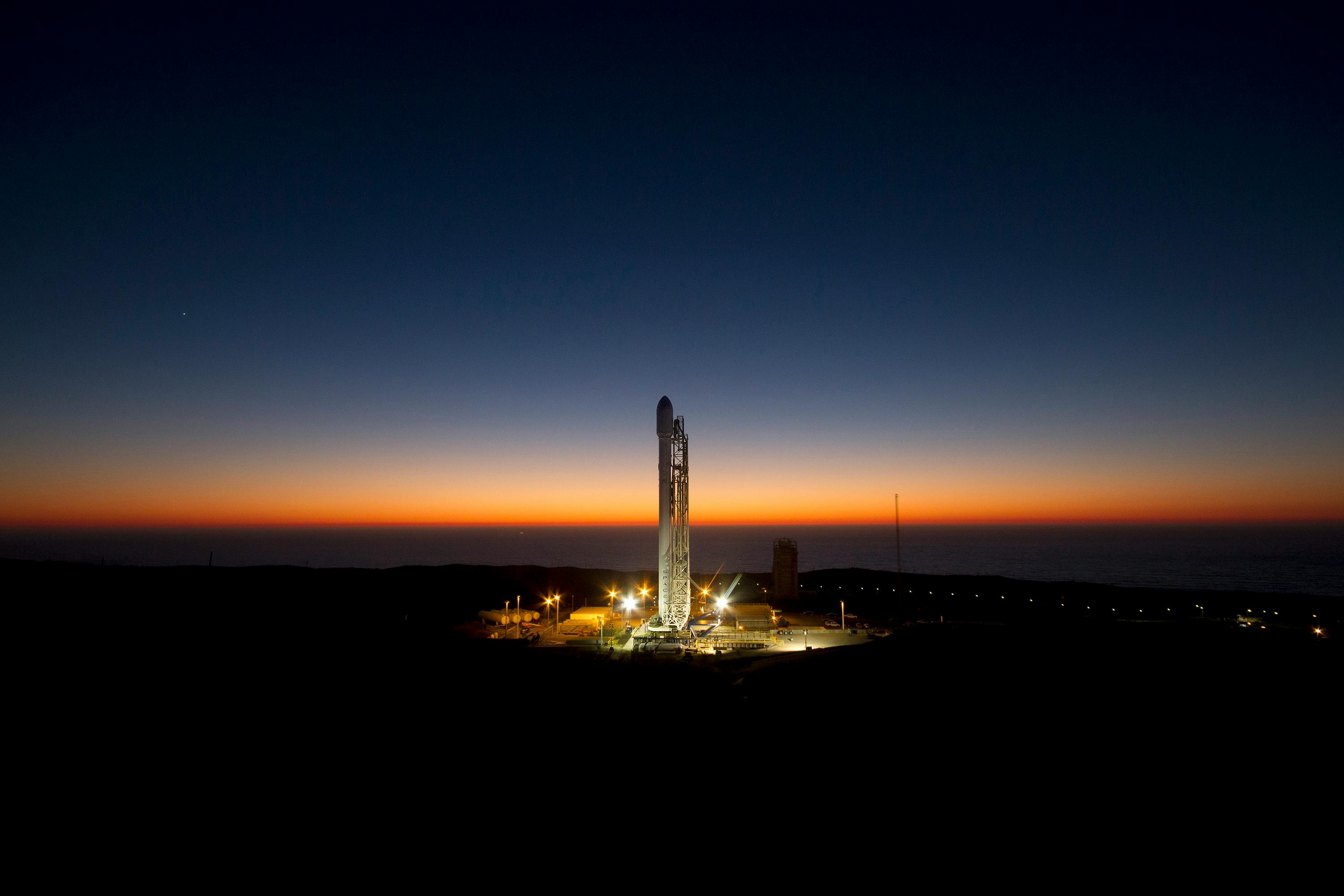
SpaceX's plans for the Transporter-15 mission are temporarily delayed as the Falcon 9 launch was scrubbed. The next launch attempt is now targeted for Friday, Nov. 28, with hopes of delivering 140 payloads into sun-synchronous orbit.
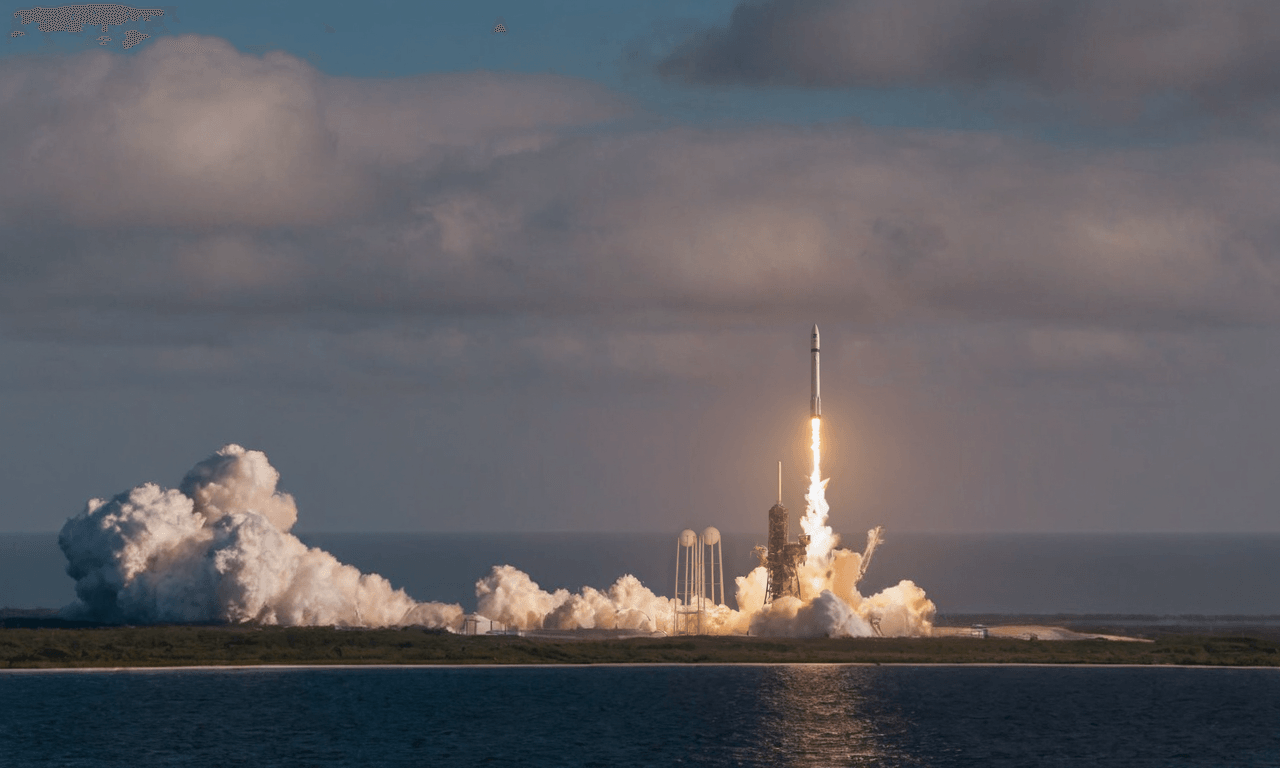
Today's briefing covers an exciting new satellite launch, a significant reentry, and unexpected space debris from a fragmentation event.
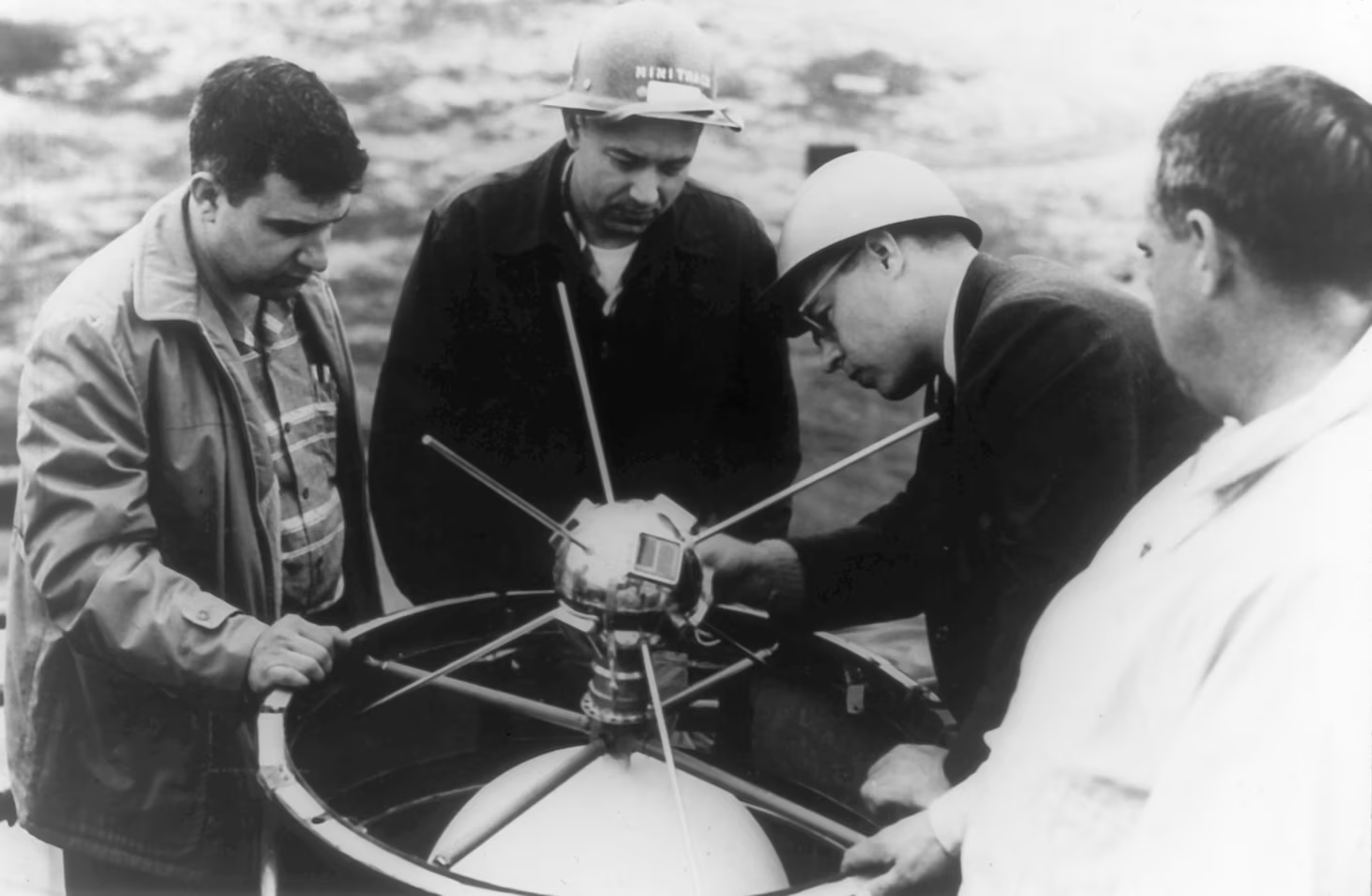
How the U.S. Navy's Vanguard rocket became a Cold War icon, launched the world's oldest satellite still in orbit, and laid the groundwork for NASA's space exploration efforts.

Today's highlights include China's launch of a mystery spysat, Maxar's terrain data for U.S. Army systems, and multiple U.S. defense firms enhancing satellite capabilities.
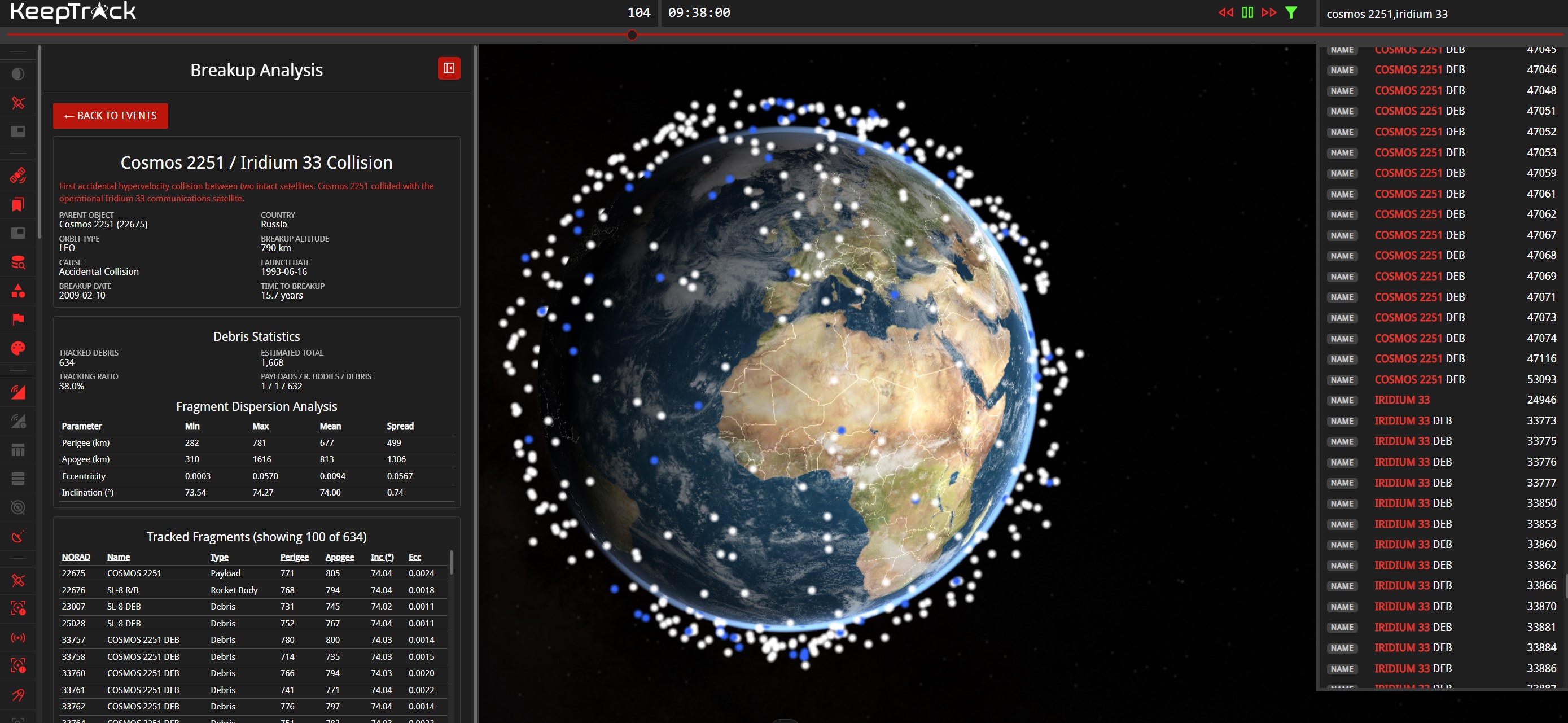
On February 10, 2009, an active Iridium communications satellite and a derelict Soviet military spacecraft slammed into each other 789 kilometers above Siberia. The collision produced more than 2,300 pieces of trackable debris that are still up there. Seventeen years later, the Iridium-Cosmos collision remains the event that made space debris a policy problem the world could no longer ignore.
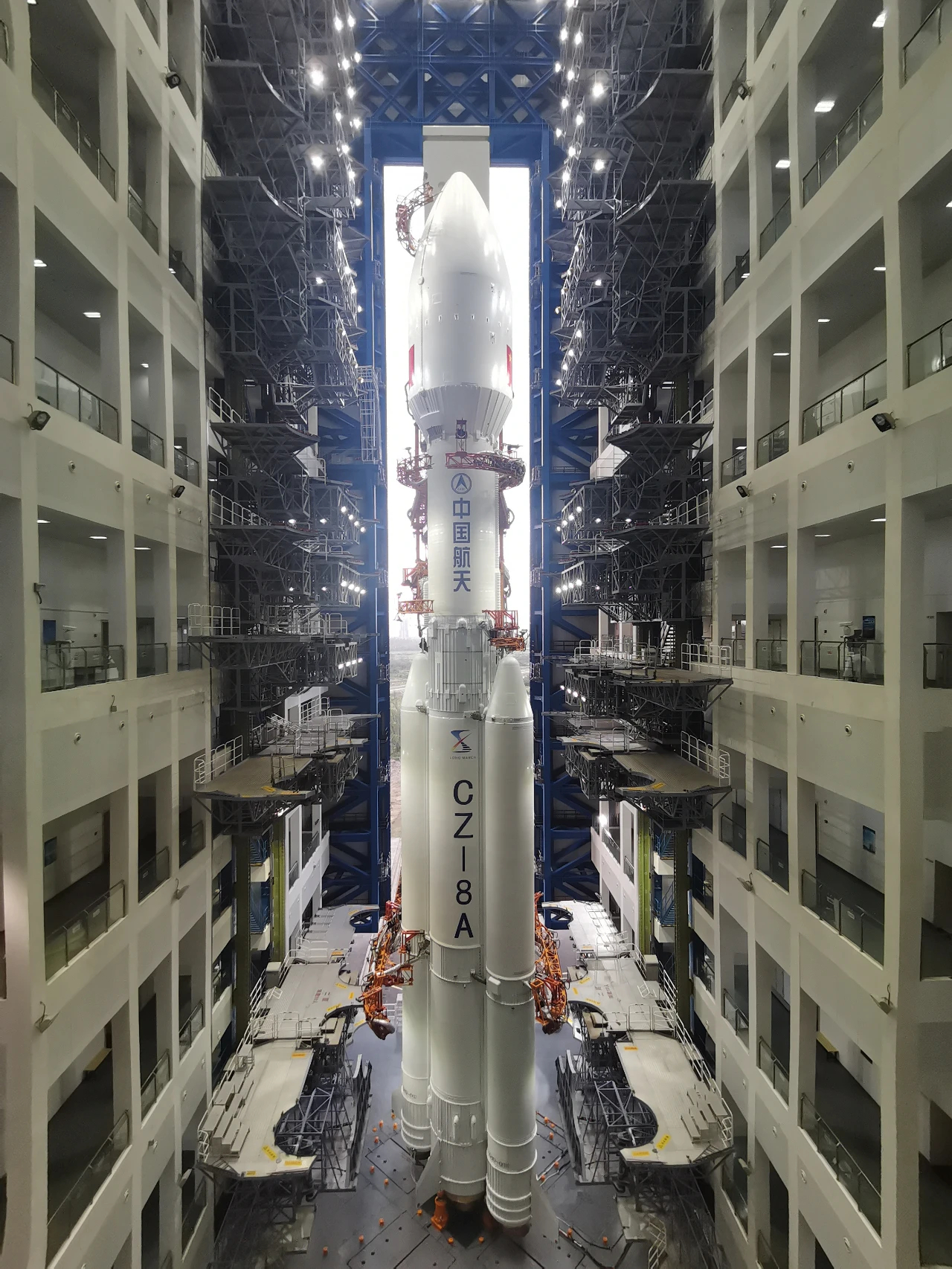
Today's briefing covers Rocket Lab's strategic acquisition, Space Dynamics Lab's new collaboration with the Space Force, and shifts within the Pentagon's AI division.
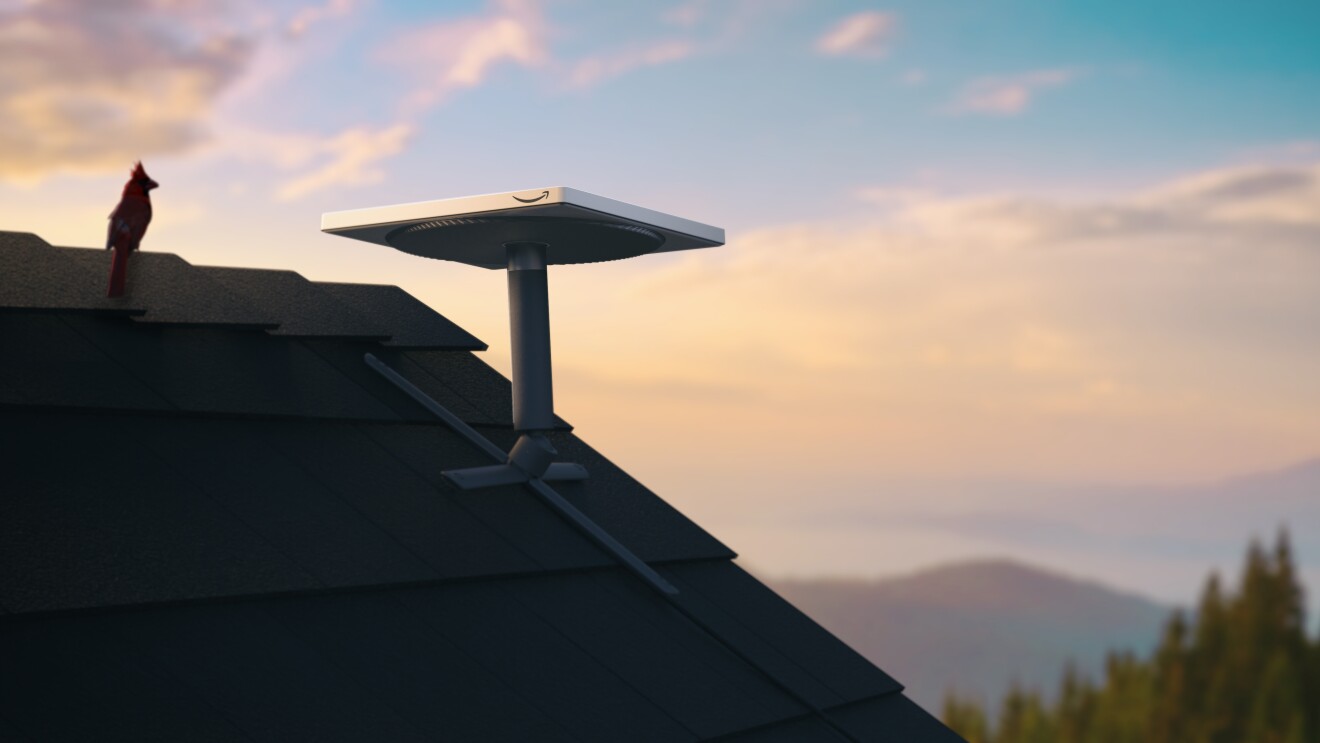
Discover the latest developments in space defense, innovative satellite technologies, nuclear advancements in space travel, and strategic military updates.